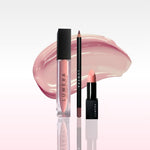
What Is in Lip Plumper That Makes It Work

TL;DR:
- Lip plumpers work by triggering either a temporary inflammatory response or by providing ongoing hydration to enhance lip appearance. Irritant ingredients cause immediate swelling and tingling, while hydrating compounds like hyaluronic acid and peptides support long-term lip fullness with consistent use. For best results, combine gentle exfoliation, layering hydrating treatments, and occasional use of irritant plumpers without overdoing any one method.
Lip plumpers work by triggering one of two biological responses: a mild inflammatory reaction that temporarily increases blood flow to the lips, or a hydration effect that smooths the lip surface and blurs fine lines. The active ingredients behind these effects fall into two distinct categories: irritants like capsaicin, menthol, and cinnamon oil, and hydrators like hyaluronic acid and palmitoyl tripeptides. Understanding what is in lip plumper that makes it work helps you choose the right product for your goals, whether you want an immediate pout for a night out or gradual, healthier-looking lips over time. Neither category adds structural volume the way injectable fillers do, but both deliver real, visible results when used correctly.
What ingredients in lip plumpers cause the tingling and swelling?
Irritant ingredients are the reason your lips tingle, swell, and look fuller within minutes of application. These compounds stimulate sensory nerve endings in the lips, which triggers vasodilation and blood flow, causing the tissue to swell temporarily. The result is a plumper, slightly flushed appearance that most people notice within two to five minutes.
The most common irritant ingredients in lip plumpers include:
- Capsaicin: Derived from chili peppers, capsaicin activates TRPV1 receptors in the skin, producing heat and mild swelling.
- Cinnamon oil: A potent vasodilator that causes noticeable tingling and redness, even in small concentrations.
- Menthol and peppermint oil: These create a cooling sensation by activating TRPM8 receptors, which also stimulates blood vessel activity.
- Nicotinate esters: Compounds like methyl nicotinate cause flushing by directly dilating capillaries near the skin surface.
The tingling you feel is not a side effect. It is the plumping effect itself. When the sensation fades, the vasodilation reverses and the swelling subsides. This is why irritant-based plumpers last only one to two hours at most.
Repeated use of strong irritants carries real risks. Frequent exposure can dry out the delicate lip skin, increase sensitivity, and over time contribute to thinning rather than fullness. If your lips feel raw, cracked, or more sensitive after regular use, the irritant concentration in your product is likely too high for daily application.
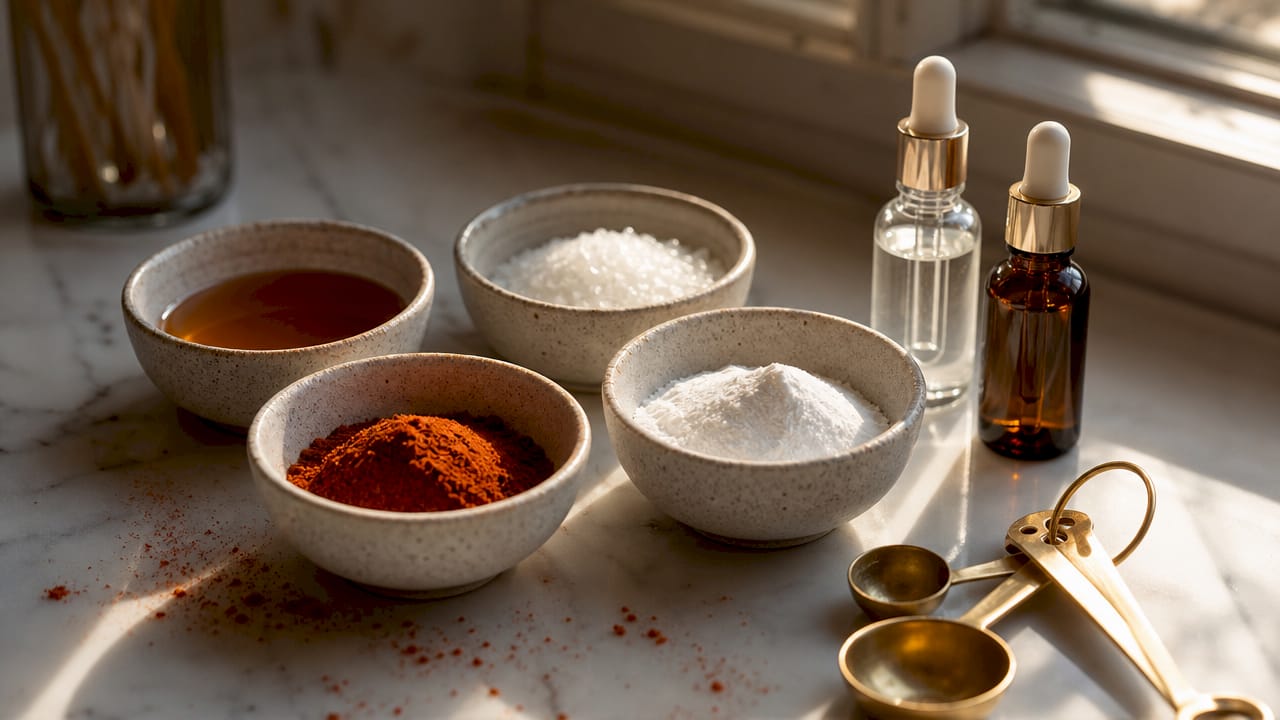
Pro Tip: If a lip plumper causes burning rather than mild tingling, rinse it off immediately. Burning signals excessive irritation, not better results.
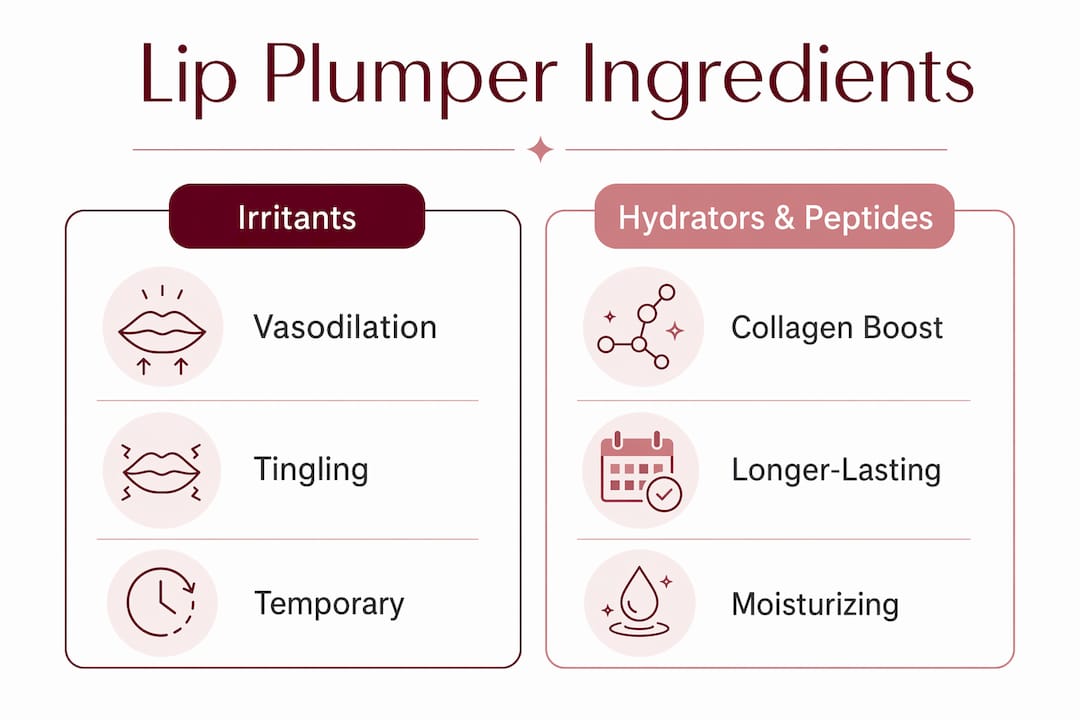
How do hydration and peptides support longer-term lip fullness?
Hydrating ingredients work differently from irritants. Rather than triggering inflammation, they improve the lip’s moisture content and surface texture, which makes lips look smoother, plumper, and more reflective of light. Humectants like hyaluronic acid and glycerin draw water into the outer layer of the lip skin, the stratum corneum, reducing the appearance of fine lines and giving lips a fuller, more defined look.
The key hydrating and structural ingredients to look for include:
- Hyaluronic acid: Holds up to 1,000 times its weight in water, plumping the lip surface from within the skin layer.
- Glycerin: A classic humectant that draws atmospheric moisture into the skin and keeps lips soft.
- Palmitoyl tripeptide-1: A signaling peptide that supports collagen production and helps maintain lip structure over consistent use.
- Squalane: A lightweight emollient that prevents moisture loss without feeling greasy.
- Cocoa butter and shea butter: Occlusive emollients that seal hydration into the lip surface.
- Waxes and film formers: Occlusives that trap hydration and add a glossy finish, which visually enhances lip volume through light reflection.
The difference between irritant effects and peptide benefits is timing. Irritants work in minutes but fade within hours. Peptides and humectants require consistent daily use over several weeks before you notice a measurable difference. Small clinical studies show that peptide and hyaluronic acid treatments produce statistically significant but subtle increases in lip thickness over time. The gains are real, though modest compared to injectable fillers.
| Ingredient type | Primary effect | Onset | Duration |
|---|---|---|---|
| Capsaicin, cinnamon oil | Vasodilation, temporary swelling | 2–5 minutes | 1–2 hours |
| Hyaluronic acid, glycerin | Surface hydration, line smoothing | 15–30 minutes | Several hours |
| Palmitoyl tripeptides | Collagen support, structural improvement | Weeks of use | Cumulative |
| Squalane, cocoa butter | Moisture retention, suppleness | Immediate | Ongoing with use |
Pro Tip: Layer a peptide-rich lip treatment under your irritant-based plumper. The hydration base protects the lip barrier and extends the visual effect of the plumper.
What are the safety limits and realistic expectations for lip plumpers?
Lip plumpers are not one-size-fits-all products. The lip enhancement ingredients that work well for one person can cause real problems for another, particularly for women with sensitive skin, eczema-prone lips, or existing dryness.
The key safety facts every buyer should know:
- Irritant-based plumpers are not suitable for daily use on sensitive or compromised lips.
- Repeated irritant use can cause dryness, sensitivity, and thinning over time, the opposite of the desired result.
- Peptide and hyaluronic acid formulas are generally safe for daily use and carry a much lower risk of adverse reactions.
- No topical plumper provides structural volume. Lip plumpers improve the appearance of fullness, not the underlying anatomy.
- SPF protection matters. Lip skin is thin and highly susceptible to UV damage, which accelerates collagen breakdown and thinning.
The most common mistake women make with lip plumpers is using a high-irritant formula every day because they like the immediate effect. That habit works against long-term lip health. A smarter approach reserves strong irritant plumpers for occasions and relies on peptide and hydration formulas as the daily foundation.
Pro Tip: Check the ingredient list for methyl nicotinate or cinnamon bark oil. Both are effective but potent. If either appears in the first five ingredients, use the product no more than three times per week.
How to use lip plumpers effectively as part of your routine
Getting the most from a lip plumper is less about the product itself and more about how you prepare and layer it. Application technique directly affects both the intensity of the result and the health of your lip skin over time.
- Exfoliate gently first. Mild lip exfoliation before application removes dead skin cells and promotes even product absorption. Use a soft toothbrush or a sugar-based lip scrub, not an aggressive physical exfoliant. Over-scrubbing breaks the skin barrier and makes irritant ingredients sting rather than plump.
- Start with a hydrating base. Apply a thin layer of hyaluronic acid serum or a peptide lip balm before your plumper. This protects the lip barrier and helps humectants work more effectively.
- Apply the plumper to the center of the lips first. Work outward toward the corners. This technique concentrates the vasodilation effect where it creates the most visible fullness.
- Combine product types strategically. Use an irritant-based plumper for immediate effect on special occasions. Use a peptide and hyaluronic acid formula daily for gradual improvement. The two approaches complement each other when you do not overuse the irritant formula.
- Use a lip liner just outside your natural lip line. This makeup technique amplifies the visual effect of any plumper without adding more product. Choose a shade one tone darker than your natural lip color for the most natural result.
- Finish with a clear gloss. Gloss adds light reflection to the center of the lips, which creates the optical illusion of greater projection and volume. This step costs nothing extra and doubles the visual impact of your plumper.
- Protect with SPF daily. A lip balm with broad-spectrum SPF 30 or higher preserves collagen and prevents the UV-driven thinning that makes plumpers necessary in the first place. For a step-by-step fuller lip routine, combining these techniques with the right products makes a measurable difference.
Key Takeaways
Lip plumpers work through two distinct mechanisms: irritant-induced vasodilation for immediate but temporary fullness, and hydration plus peptide support for gradual, cumulative improvement in lip texture and structure.
| Point | Details |
|---|---|
| Two ingredient categories | Irritants cause temporary swelling; peptides and humectants build gradual fullness over weeks. |
| Tingling equals plumping | When the tingle fades, the vasodilation reverses and the swelling subsides. |
| Daily irritant use backfires | Frequent irritant exposure causes dryness and thinning, reducing long-term lip health. |
| Peptides need consistency | Palmitoyl tripeptides and hyaluronic acid show measurable results only with daily use over several weeks. |
| Technique amplifies results | Exfoliation, layering, and a clear gloss extend and enhance the effect of any lip plumper. |
Why I think most women are using lip plumpers backwards
Most lip plumpers get used as a quick fix before a night out, then forgotten in a drawer. That approach captures the least valuable part of what these products can do. The irritant tingle is satisfying, but it is also the most abusive thing you can do to your lip skin on a regular basis.
What I have found actually works is treating the hydrating and peptide side of lip plumping as the main event. A palmitoyl tripeptide treatment used every morning, under a balm with SPF, does more for the long-term appearance of your lips than any amount of cinnamon-oil tingling. The irritant formula becomes a tool you reach for occasionally, not a daily habit.
The women I see getting the best results are not chasing the strongest tingle. They are building a foundation of hydration and letting the occasional plumper amplify what is already healthy. That shift in thinking changes everything about how you shop for and use these products. Understanding the real science of lip plumping makes it much easier to spend your money on what actually works.
— Rebecca
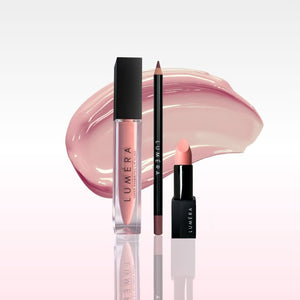
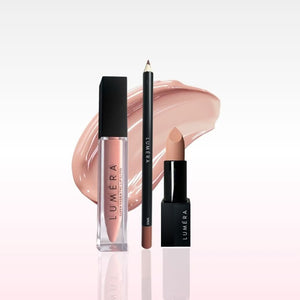
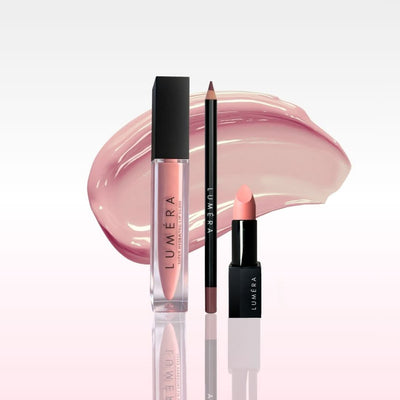
Lumeracosmetica’s Sculpt & Shine Lip Duo: smart plumping, every day
The Sculpt & Shine Lip Duo from Lumeracosmetica was formulated around exactly the approach described here: a peptide and hyaluronic acid base that builds genuine lip health over time, paired with a gentle plumping gloss for immediate visual impact.
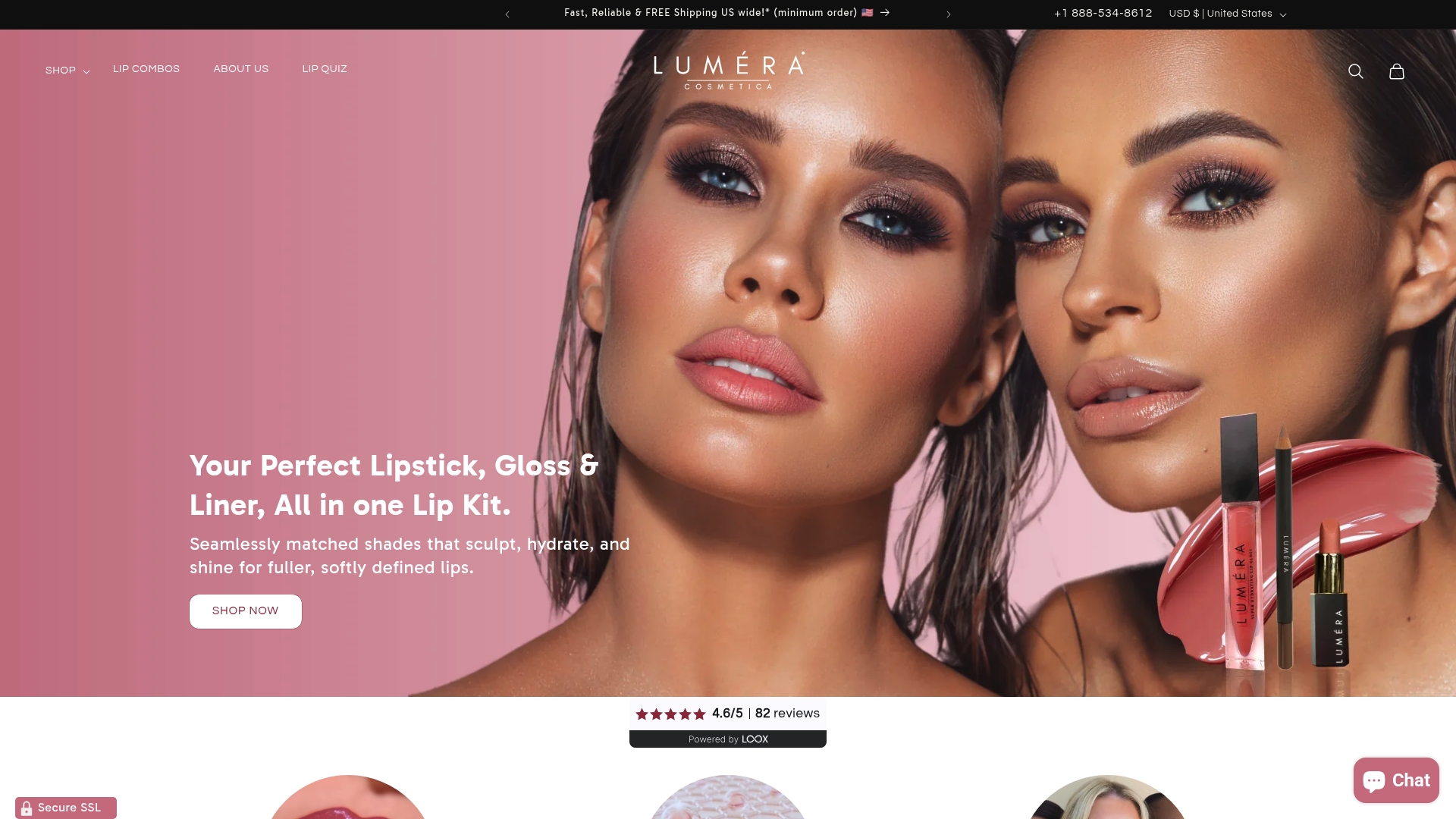
The duo combines palmitoyl tripeptide-1 and hyaluronic acid in a daily treatment that supports collagen structure and deep hydration, alongside a finishing gloss that adds light-reflecting shine for instant fullness. Both products are designed for daily use without the sensitivity risks of high-irritant formulas. If you are ready to move beyond the tingle and invest in lips that look fuller every day, the Sculpt & Shine Lip Duo is the place to start.
FAQ
What is in lip plumper that makes it work?
Lip plumpers contain either irritant ingredients like capsaicin, menthol, and cinnamon oil that cause temporary vasodilation and swelling, or hydrating ingredients like hyaluronic acid and peptides that smooth and plump the lip surface over time.
How long does a lip plumper effect last?
Irritant-based plumpers typically last one to two hours, because the swelling fades as vasodilation reverses. Hydrating and peptide-based formulas produce more gradual results that persist with consistent daily use.
Do lip plumpers really work, or is it just the tingle?
Both effects are real. The tingle from irritant ingredients directly causes temporary swelling, while humectants and peptides produce measurable but subtle increases in lip thickness with regular use over several weeks.
Are lip plumpers safe to use every day?
Peptide and hyaluronic acid formulas are generally safe for daily use. High-irritant formulas containing cinnamon oil or methyl nicotinate should be limited to occasional use, as frequent application can cause dryness, sensitivity, and thinning.
Can lip plumpers replace injectable fillers?
No topical lip plumper adds structural volume the way injectable fillers do. Plumpers improve the appearance of fullness through temporary swelling or surface hydration, but they do not alter the underlying lip anatomy.