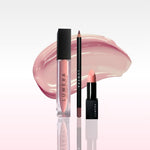
What Makes Lip Plumper Work: The Real Science

TL;DR:
- Lip plumpers create a fuller lip appearance using irritants that cause blood vessel dilation or hydrating ingredients that expand tissue with water. The temporary swelling from irritants results from neurogenic inflammation, while hydration-based plumpers draw moisture into lips for a natural look. Proper use involves patch testing, avoiding damage-prone formulas, and cycling products to maintain lips’ health.
Lip plumper is a cosmetic product that creates a temporarily fuller lip appearance through two distinct mechanisms: mild irritation that increases blood flow, or deep hydration that expands lip tissue from within. Understanding what makes lip plumper work separates smart buying decisions from wasted money on products that deliver nothing but a tingle. The science behind lip plumpers is more straightforward than most beauty brands admit, and knowing it helps you choose the right formula for your lips, your sensitivity level, and your expectations.
What ingredients make lip plumpers effective?
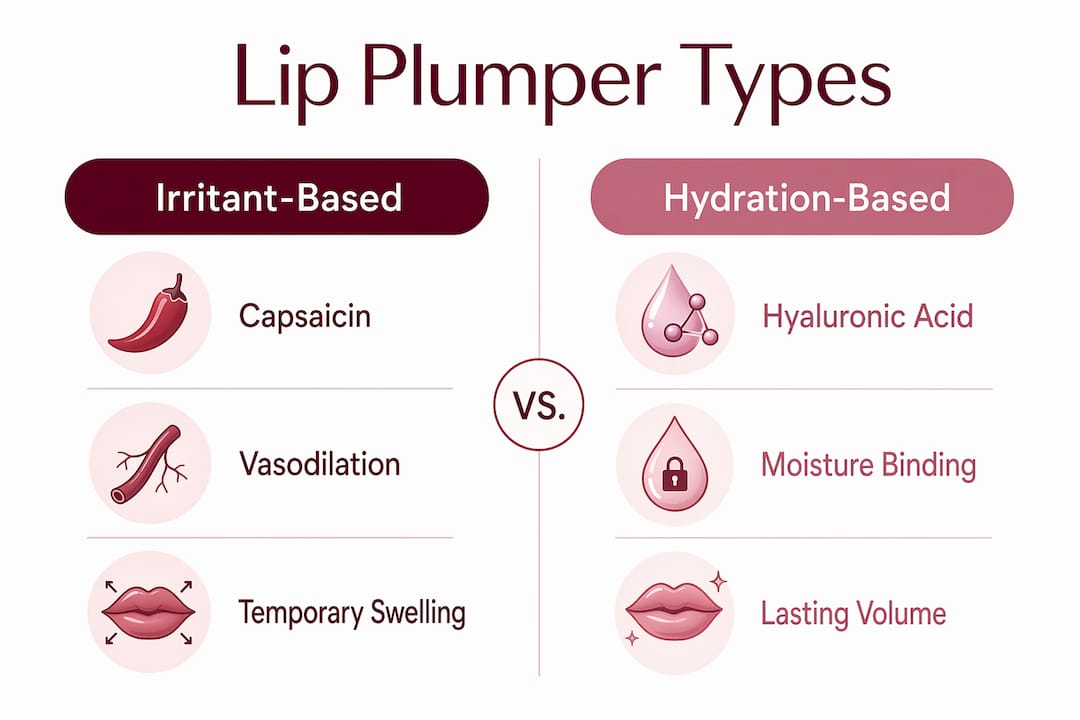
Lip plumper ingredients fall into two clear categories: irritants that stimulate blood flow and humectants that bind water to lip tissue. Both categories produce visible fullness, but they do it through completely different biological pathways.
Irritant ingredients are the ones responsible for that signature tingle or burn. The most common ones include:
- Capsaicin and pepper extracts: Derived from chili peppers, these activate heat-sensitive nerve receptors and cause a warming sensation alongside increased blood flow.
- Menthol and peppermint oil: These trigger cooling receptors and produce a mild vasodilatory effect. The sensation feels refreshing rather than burning.
- Cinnamon and cinnamaldehyde: Warming ingredients like cinnamon cause tingling and temporary swelling by increasing blood flow to the lips.
- Ginger extract and wintergreen: Less common but used in similar ways to capsaicin and menthol.
Hydrating ingredients work without any sensation at all:
- Hyaluronic acid: A molecule that binds water within lip tissue, creating a cushioning effect that smooths and expands the lip surface.
- Peptides: Short chains of amino acids that support collagen structure and improve lip texture over time.
- Vitamin E and plant oils: These seal moisture into the lip barrier and reduce the fine lines that make lips look thinner.
Pro Tip: If your lips are already dry or irritated, skip irritant-based formulas entirely. Hyaluronic acid works best on lips that are already reasonably hydrated, so apply a plain lip balm first, wait five minutes, then layer your hydration-based plumper on top.
The sensation you feel from a lip plumper tells you which category you are using. Tingling, warmth, or cooling means irritants are at work. No sensation at all means you are relying on hydration. Neither is better by default. The right choice depends on your skin sensitivity and how much temporary swelling you want.
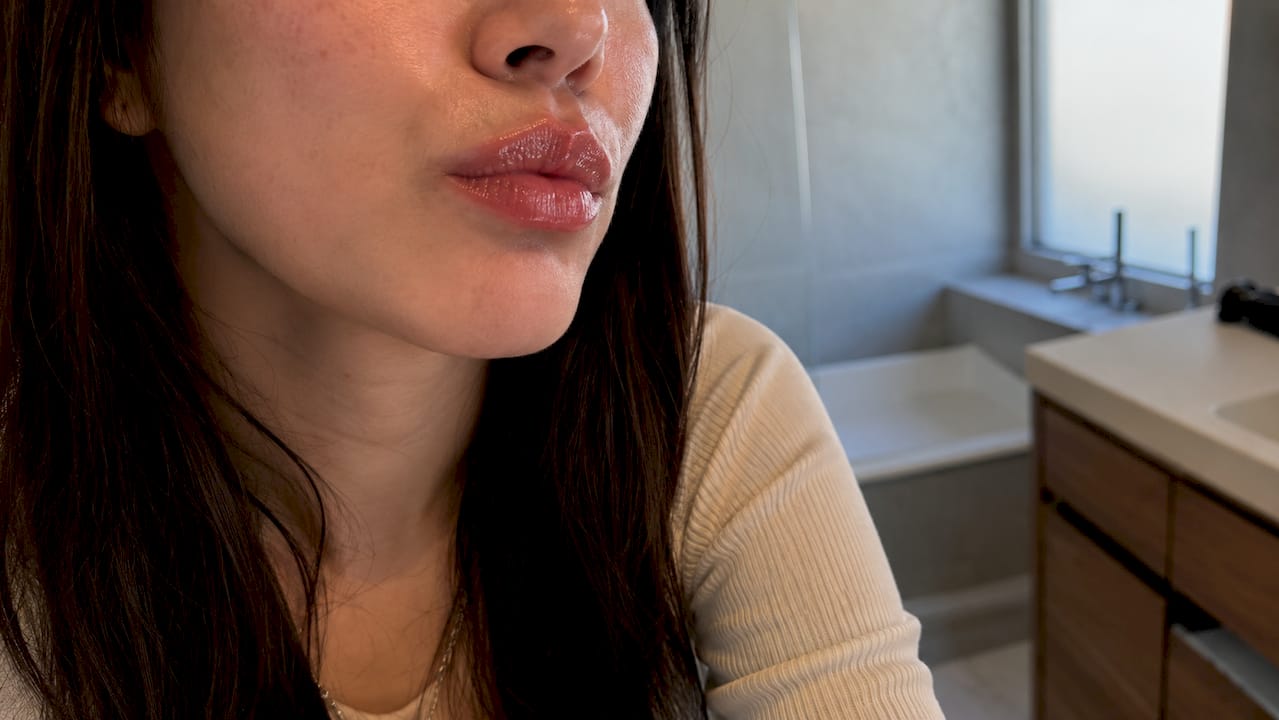
How does mild irritation cause a plumper look?
The biological mechanism behind irritant-based lip plumpers is more specific than most people realize. Ingredients like capsaicin and cinnamaldehyde activate TRP ion channels on sensory nerve endings in the lips. TRP channels are the same receptors that respond to actual heat and cold. When they are triggered chemically, the body responds as if the lips were exposed to a real temperature change.
That response triggers neurogenic inflammation. The sensory nerves release neuropeptides, which cause local blood vessels to dilate. More blood flows into the lip tissue, and the tissue swells slightly. The result is a visibly fuller lip that peaks around 10–15 minutes after application and then fades over a few hours.
The tingling sensation from a lip plumper is not a sign that the product is “working harder.” It is a sign of neurogenic inflammation. A stronger tingle does not mean more volume. It means more irritation. Overuse of high-concentration irritant formulas can damage the lip barrier, causing redness and peeling instead of plumpness.
The temporary nature of this effect is not a flaw in the formula. It is the expected outcome of the mechanism. No topical irritant creates permanent structural change in lip tissue. Repeated or intense use can also desensitize TRP receptors over time, meaning you need more product to get the same effect. That is a strong reason to cycle irritant-based plumpers rather than use them daily.
How hydration-based lip plumpers work differently
Hydration-based lip plumpers do not cause any sensation, but they produce a real and visible change in lip volume. The mechanism relies on osmosis. Hyaluronic acid is a molecule that can hold up to 1,000 times its own weight in water. When applied to the lips, it draws moisture from the deeper layers of skin and from the environment into the surface tissue. The lip surface expands, smooths out, and appears fuller.
This approach produces a different visual result than irritant-based swelling. Irritant plumpers create a slightly flushed, puffed look. Hydration plumpers create a smoother, more cushioned appearance with less redness. For women over 40, where lip thinning is often accompanied by fine vertical lines around the mouth, the hydration approach tends to look more natural.
| Feature | Irritant-based plumper | Hydration-based plumper |
|---|---|---|
| Key ingredients | Capsaicin, menthol, cinnamon | Hyaluronic acid, peptides, vitamin E |
| Sensation | Tingling, warming, or cooling | None |
| Mechanism | Vasodilation and tissue swelling | Moisture binding and tissue expansion |
| Onset | 2–5 minutes | 10–20 minutes |
| Best for | Stronger temporary plump | Sensitive skin, natural-looking fullness |
| Risk of overuse | Irritation, barrier damage | Minimal |
One important limitation applies to hydration-based formulas: hyaluronic acid requires adequate moisture to work visibly. On severely dry or inflamed lips, it has less free water to bind and the plumping effect is reduced. This is why lip prep matters as much as the product itself.
Pro Tip: Apply a hydration-based plumper after drinking water and in a humid environment when possible. Hyaluronic acid pulls moisture from its surroundings. In very dry air, it can actually pull moisture out of your lips if there is no external humidity to draw from.
Lip augmentation vs. lip plumper: what is the real difference?
Lip augmentation refers to clinical procedures, primarily hyaluronic acid filler injections administered by a licensed medical professional. The filler is injected directly into the lip tissue, creating structural volume that lasts six months to over a year. Lip plumpers are topical cosmetics. They sit on or just below the surface of the skin and produce effects that fade within hours.
The two approaches are not in competition. Many women use both. A lip plumper is the right tool for a night out or a photo. Lip augmentation is the right tool for lasting structural change. Knowing which outcome you want prevents disappointment with either option.
How to choose and use lip plumpers safely
Choosing the right lip plumper starts with knowing your skin’s tolerance for irritation. Dermatology experts advise that patch testing any new formula on the inner arm before applying it to the lips is the safest first step. If redness, itching, or prolonged burning occurs during the patch test, the formula is too strong for your skin.
Follow these steps for safe and effective use:
- Exfoliate first. Remove dry skin with a gentle lip scrub before applying any plumper. Smooth lips absorb active ingredients more evenly and show results more clearly.
- Check the ingredient list. If you have a known sensitivity to cinnamon, menthol, or capsaicin, choose a hydration-only formula with hyaluronic acid and peptides.
- Start with a low-concentration formula. First-time users should choose products with lower levels of irritant ingredients. You can always move to a stronger formula once you know your tolerance.
- Do not apply to broken or chapped lips. Irritant ingredients on compromised skin cause pain and damage, not plumping. Heal the lips first.
- Limit irritant-based plumpers to three or four times per week. Daily use increases the risk of receptor desensitization and barrier damage.
- Layer a nourishing lip balm after the plumping effect fades. This protects the lip barrier and keeps the skin in good condition for the next application.
Choosing between formulas depends on your personal tolerance for tingling and your preference for comfort versus a stronger short-term effect. Neither approach is universally better. The best lip plumper is the one that fits your skin and your lifestyle.
Key Takeaways
Lip plumpers work by triggering vasodilation through mild irritation or by binding water to lip tissue through hydration, with all effects being temporary and lasting only a few hours.
| Point | Details |
|---|---|
| Two distinct mechanisms | Irritant ingredients cause vasodilation; hydrating ingredients bind water to expand lip tissue. |
| Sensation does not equal volume | Tingling signals neurogenic inflammation, not greater plumping. Overuse causes irritation. |
| Hyaluronic acid needs moisture | Hydration-based plumpers work best on lips that are already reasonably hydrated. |
| Effects are temporary | Peak plumping occurs at 10–15 minutes and fades within a few hours. Reapplication is needed. |
| Safety starts with patch testing | Always test a new formula on the inner arm before applying to lips, especially with irritant formulas. |
What I actually think about lip plumpers after years of testing them
The biggest misconception I see is that a stronger tingle means a better product. It does not. A strong tingle means a higher concentration of irritants, which increases the risk of redness, peeling, and long-term receptor desensitization. I have tested formulas that left my lips raw for two days. That is not plumping. That is damage.
My honest recommendation for most women over 35 is to start with a hyaluronic acid-based formula and treat irritant plumpers as an occasional option rather than a daily staple. The hydration approach produces a more natural result, causes no discomfort, and does not carry the overuse risks that irritant formulas do. For a big event where you want maximum visible fullness, a low-to-medium concentration irritant formula applied once is perfectly reasonable.
The other thing I would push back on is the idea that lip plumpers are a substitute for lip augmentation. They are not. They are a different tool entirely. If you want lasting structural volume, a filler consultation is the right path. If you want a quick, comfortable boost for everyday wear, a well-formulated plumper delivers exactly that. Knowing which outcome you are after saves a lot of frustration.
Product cycling matters more than most guides admit. Rotating between an irritant formula and a hydration formula every few days keeps your TRP receptors from desensitizing and keeps your lip barrier healthy. That approach consistently gives me better results than using one product every single day.
— Rebecca
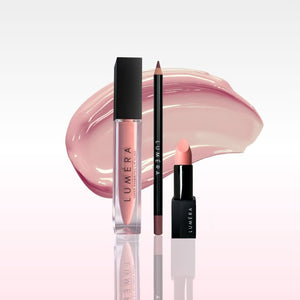
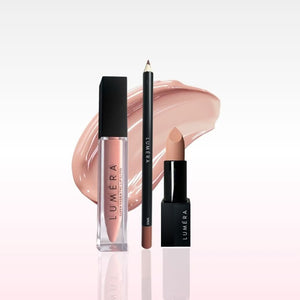
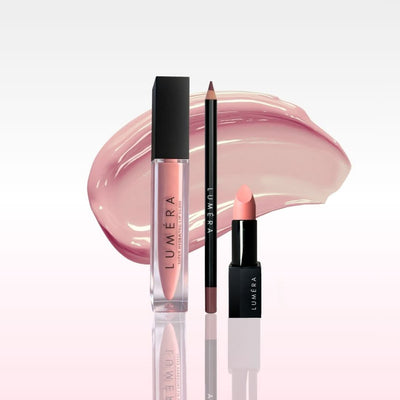
Lip plumpers worth trying from Lumeracosmetica
Lumeracosmetica formulates its lip plumping products with the science covered here in mind. The line includes both hydration-focused options built around hyaluronic acid and peptides, and low-irritant formulas for those who want a mild tingle without barrier damage.
If you want to see which formula fits your sensitivity level and your goals, the Lumeracosmetica lip collection is a good place to start. Each product page lists the active ingredients clearly so you know exactly which mechanism you are choosing before you buy.
FAQ
What makes lip plumper work on a biological level?
Lip plumpers work by either activating TRP ion channels with irritant ingredients to cause vasodilation and temporary swelling, or by using hyaluronic acid to bind water and expand lip tissue. Both mechanisms produce a fuller appearance that lasts a few hours.
Why do lip plumpers tingle?
The tingle signals neurogenic inflammation triggered by irritant ingredients like capsaicin, menthol, or cinnamon. These ingredients activate sensory nerve receptors, causing blood vessels to dilate and lip tissue to swell temporarily.
Do lip plumpers really work?
Yes, but the results are temporary. Effects peak at 10–15 minutes and fade within a few hours. No topical lip plumper creates permanent structural volume.
What is in lip plumper that makes it work?
The active ingredients are either irritants such as capsaicin, menthol, and cinnamaldehyde, or hydrating agents such as hyaluronic acid and peptides. Each category creates fullness through a different mechanism.
Can overusing lip plumper cause damage?
Yes. Overuse of irritant formulas can damage the lip barrier, cause redness and peeling, and desensitize TRP receptors over time. Limiting irritant-based plumpers to three or four times per week reduces these risks.