What Color Lip Liner for Red Lipstick: 2026 Guide

TL;DR:
- Choosing a lip liner that matches or is one shade deeper than your natural lip color enhances the look of red lipstick. Matching undertones between the liner and lipstick is essential to create a polished, intentional appearance. Filling in the entire lip with liner and using appropriate formulas increases wear and comfort for long-lasting results.
The best lip liner color for red lipstick is either a shade that matches your lipstick exactly or one that sits one shade deeper than your natural lip tone. Both approaches deliver a polished finish, but they create different visual effects. Knowing which to choose depends on your red lipstick’s undertone, your skin tone, and the look you want. Professional makeup standards in 2026 confirm that undertone harmony between liner and lipstick is the single biggest factor in whether your red lip looks intentional or off. This guide covers shade selection, undertone matching, application technique, and formula types so you can get it right every time.
What color lip liner works best with red lipstick?
The answer depends on the effect you want. There are three main approaches, and each produces a distinct result.
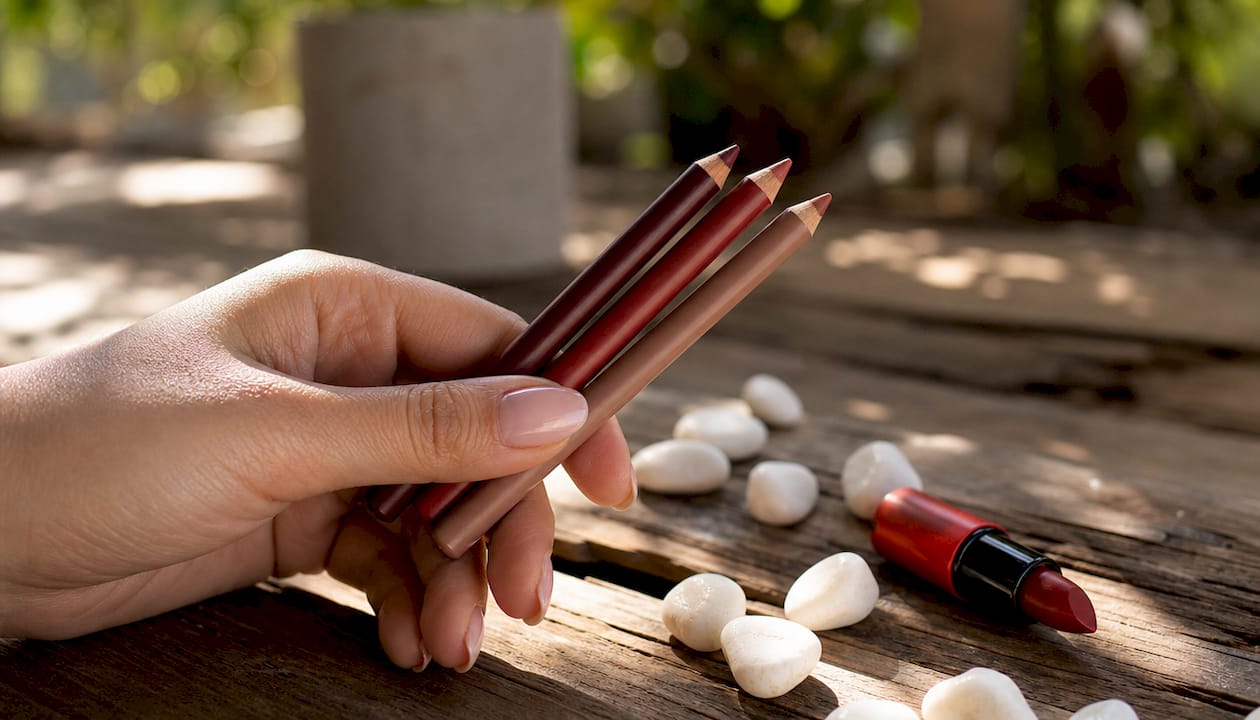
Matching liner shade. A liner that matches your red lipstick exactly creates a bold, high-precision lip. This approach works especially well for matte, classic reds and is the go-to choice for a statement look with clean, defined edges. The liner and lipstick read as one seamless color, which makes the lip shape look intentional and sharp.
One shade deeper than your natural lip. Choosing a liner one shade darker than your natural lip color adds dimension and a subtle contour effect. This technique enhances fullness without harsh lines. It works well under any red lipstick because the liner acts as a soft frame rather than a visible border.
Two shades deeper for ombré. Going two shades darker is an advanced technique that creates an ombré gradient from the lip edge inward. It requires careful blending. Without blending, the result looks dated and heavy. This approach suits women who are comfortable with layering and blending products.
- Match your liner to your lipstick for a classic, precise red lip.
- Go one shade deeper than your natural lip for dimension and fullness.
- Use two shades deeper only when you plan to blend thoroughly for an ombré effect.
- Never use a liner that is lighter than your lipstick. It creates a washed-out border that undermines the look.
Pro Tip: If you are unsure which shade to start with, choose a liner one shade deeper than your natural lip color. It works under almost every red lipstick and flatters a wide range of skin tones.
How do undertones affect your choice of lip liner for red lipstick?
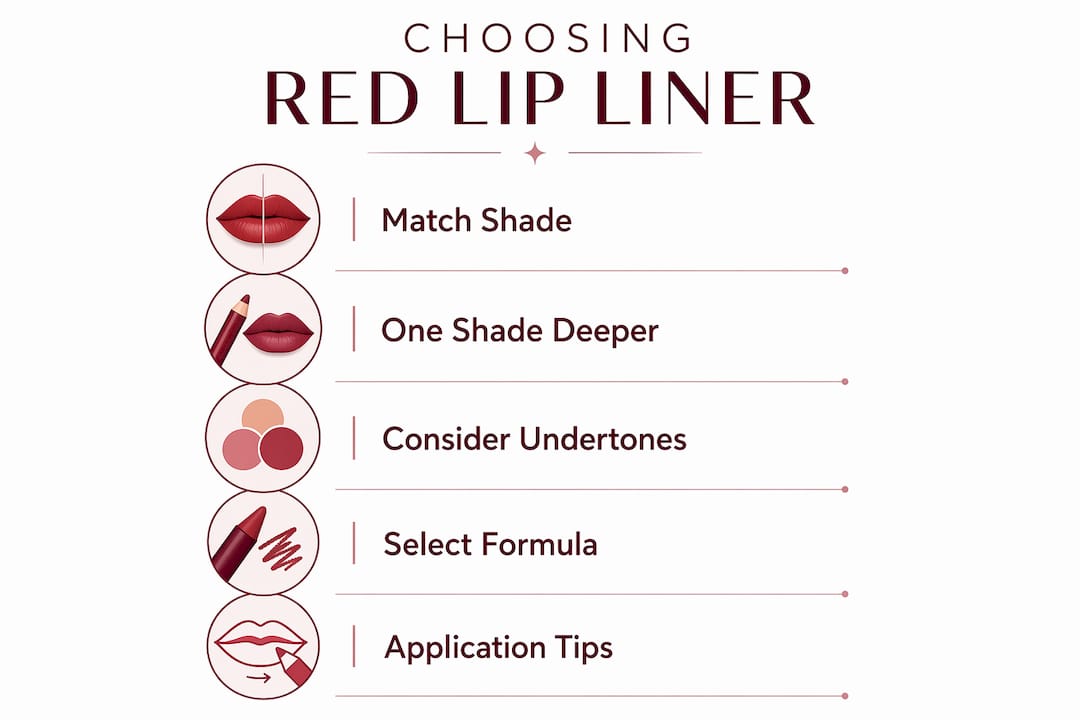
Undertone matching is the step most women skip, and it is the most common reason a red lip looks “off” even when the shade seems right. A mismatch in undertones creates a visible outline that breaks the illusion of a polished lip.
Red lipsticks fall into three undertone categories: cool, warm, and neutral. Cool reds lean toward blue or pink. Think true red, cherry, and raspberry. Warm reds lean toward orange or brown. Think tomato red, brick, and coral red. Neutral reds sit in the middle and work across a wider range of skin tones.
Your liner needs to match the undertone of your lipstick, not just the general color family. A warm-toned liner under a cool red lipstick will look brownish and muddy at the lip line. A cool-toned liner under a warm red will look purple or ashy.
- Cool red lipstick: pair with a liner in true red, berry, or deep rose with blue or pink undertones.
- Warm red lipstick: pair with a liner in brick red, terracotta, or warm brown-red tones.
- Neutral red lipstick: pair with a neutral red or medium rose-brown liner that does not pull strongly in either direction.
To identify your lipstick’s undertone, swatch it on white paper and look at the cast. A pink or blue cast means cool. An orange or brown cast means warm. If it reads as a true red with no obvious pull, it is neutral.
Application techniques that maximize wear and definition
Preparation is the step that separates a red lip that lasts all day from one that fades within two hours. Pre-treating lips with a hydrating balm before applying liner prevents dryness and patchiness, which is especially important for mature or dry lips. Apply balm, wait two minutes, then blot gently before you start lining.
Follow these steps for a long-lasting, defined red lip:
- Hydrate. Apply a thin layer of lip balm and let it absorb for two minutes. Blot off any excess with a tissue.
- Outline the cupid’s bow first. Start at the center of your upper lip and draw two short strokes outward to define the peaks. This anchors your shape before you commit to the full outline.
- Line the full lip. Follow your natural lip line or just inside it for a precise look. For a fuller appearance, line just outside your natural edge, but keep it within 1mm to avoid an obvious overdrawn effect.
- Fill in the entire lip. Filling lips fully with liner before applying lipstick creates a consistent pigment base that extends wear time significantly. This is the single most effective technique for making red lipstick last.
- Apply your red lipstick. Use a lip brush for maximum precision, or apply directly from the bullet for a softer finish.
- Blend the edges. Use a clean fingertip or a small brush to soften the liner edge where it meets the lipstick. This removes any visible border and creates a unified color.
- Blot and layer. Press a single-ply tissue over your lips and dust a light translucent powder through it. Apply a second coat of lipstick for depth and staying power.
Pro Tip: For all-day wear, skip gloss over your red lipstick. Gloss breaks down the liner base faster and causes feathering along the lip line.
For women over 40, the step-by-step red lip technique matters even more because fine lines around the mouth can cause lipstick to bleed. Filling in with liner first creates a barrier that holds color in place.
Which lip liner formula works best with red lipstick?
Formula choice affects both comfort and performance. The three main types each have a distinct role.
| Formula type | Texture | Best for | Watch out for |
|---|---|---|---|
| Matte | Firm, dry | Long wear, sharp definition | Can feel tight; prep lips first |
| Creamy | Smooth, rich | Easy blending, comfortable wear | May need touch-ups after meals |
| Waterproof | Waxy, firm | Humid climates, active days | Harder to blend once set |
Creamy lip liners glide on smoothly with rich pigment and prevent feathering better than harder or drier formulas. They are the most forgiving option for women who are still building their liner technique. Matte liners deliver the sharpest edge and the longest hold, but they require well-hydrated lips to apply comfortably.
Professional liners in 2026 last 7–9 hours before needing a touch-up. Top formulations in the $4–$23 price range offer this level of durability without drying out the lips. For mature skin, look for liners formulated with hydrating ingredients and peptides, which minimize the appearance of fine lines and improve comfort under bold red lipstick.
Key Takeaways
Matching your lip liner’s shade and undertone to your red lipstick is the foundation of a polished, long-lasting red lip look.
| Point | Details |
|---|---|
| Match or go one shade deeper | Use a liner that matches your red lipstick or sits one shade deeper than your natural lip tone. |
| Undertone harmony is non-negotiable | Cool reds need cool liners; warm reds need warm liners. Mismatched undertones create a visible, unflattering outline. |
| Fill in the entire lip | Using liner as a base layer across the full lip extends wear time and creates consistent color all day. |
| Prep lips before matte liners | Apply and blot a hydrating balm before any firm or matte liner to prevent patchiness, especially on mature lips. |
| Formula matters as much as shade | Creamy liners blend easily; matte liners hold longer. Choose based on your comfort level and how long you need the look to last. |
Why I stopped treating lip liner as just an outline
Most women use lip liner as a border and nothing more. I did the same for years, and my red lipstick always faded from the center outward, leaving a ring of liner with nothing inside. The fix was obvious once I understood it. Lip liner works best as a base layer, not just a frame. Filling in the entire lip changed everything about how long my red lipstick lasted.
The other mistake I made was ignoring undertones. I once paired a warm brick-red liner with a cool cherry lipstick and could not figure out why the look felt muddy. The liner was technically “red,” but the undertones clashed. Once I started matching undertones first and shade second, my red lip looks became noticeably more polished.
For women in their 30s, 40s, and 50s, I also want to say this: there are no strict rules about liner intensity. The guidelines here are starting points, not laws. If a deeper liner with a blended ombré effect makes you feel confident, that is the right choice. Confidence is the most visible thing you wear with red lipstick. Experiment within the framework, find what flatters you, and own it.
— Rebecca
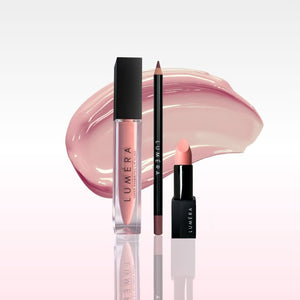
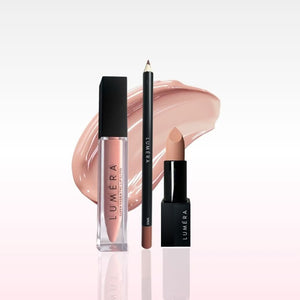
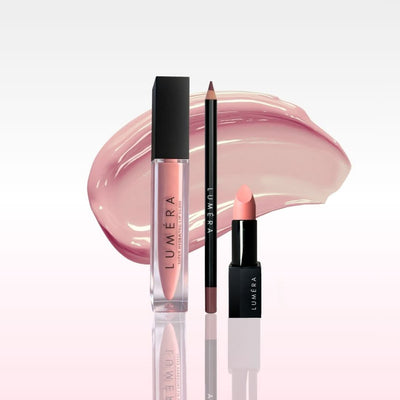
Lumeracosmetica’s lip liners for a perfect red lip
Lumeracosmetica formulates its lip liners to meet the professional standards that make red lipstick look its best. The shade range covers cool, warm, and neutral reds so you can find a liner that matches your lipstick’s undertone exactly.
The formulas include creamy options for easy blending and long-wear options for all-day definition. Each liner is designed to work as a full-lip base, not just an outline, which means your red lipstick stays vibrant from morning through evening. For women who want a complete red lip collection, Lumeracosmetica offers liners and lipsticks developed to work together. Browse the full range and find the shade that completes your red lip look.
FAQ
What is the best lip liner shade for red lipstick?
The best lip liner for red lipstick matches the lipstick shade exactly or sits one shade deeper than your natural lip tone. Matching creates a bold, precise look; going slightly deeper adds dimension and fullness.
Should my lip liner be darker or the same shade as my red lipstick?
Either works, depending on the effect you want. A matching liner delivers a sharp, classic red lip. A liner one shade deeper than your natural lip adds a subtle contour without looking heavy.
How do I know if my red lipstick is cool or warm toned?
Swatch your lipstick on white paper. A pink or blue cast means it is cool toned. An orange or brown cast means it is warm toned. Match your liner’s undertone to this result for a polished finish.
Does filling in lips with liner actually make lipstick last longer?
Yes. Filling the entire lip with liner before applying lipstick creates a pigment base that holds color throughout the day. This technique extends wear significantly compared to outlining alone.
What lip liner formula is best for mature lips?
Creamy liners are the most comfortable for mature lips because they glide on without pulling. Look for formulas with hydrating ingredients or peptides, and always prep with a balm before applying any firm or matte liner.