

Natural Ways to Plump Lips: Safe At-Home Methods

The most effective natural ways to plump lips are exfoliation, hydration with hyaluronic acid, topical plumpers (cinnamon, peppermint, capsicum), makeup overlining, and lip massage. Every one of these is temporary. None of them changes your lip tissue permanently, and that’s the honest starting point.
Quick options to try at home right now:
- Exfoliate with a sugar scrub 1–2 times weekly to smooth texture and boost circulation
- Layer hydrating products (hyaluronic acid serum, then a rich balm) morning and night
- Apply a topical plumper with capsicum or peppermint for a short-term blood-flow boost
- Overline with a lip liner and add gloss to the center for an instant visual effect
- Massage lips with gentle circular motions for 1–2 minutes to temporarily increase color and fullness
One safety rule before you start: always patch-test any new topical ingredient on your inner forearm first. Skip suction devices and unregulated hyaluronic acid pens entirely. For permanent volume, fillers and clinical procedures are the only real option.
Key Takeaways
Natural lip plumping methods deliver real but temporary results; consistent hydration, SPF protection, and safe topical ingredients are the most effective at-home approach.
| Point | Details |
|---|---|
| Exfoliate 1–2 times weekly | Smooths texture and boosts circulation for an immediate fuller appearance. |
| Layer HA serum then SPF balm | Hyaluronic acid binds water; SPF 30+ prevents UV-driven collagen loss. |
| Patch-test all topical plumpers | Apply to inner forearm 24 hours before using cinnamon, cayenne, or peppermint on lips. |
| Makeup tricks work instantly | Overline with a matching liner and add gloss to the center for a natural volume illusion. |
| Lumeracosmetica routine | Lumeracosmetica’s plumping glosses and HA serums integrate directly into the four-step daily routine above. |
Table of Contents
- Natural ways to plump lips with makeup: instant results, no chemistry
- Topical plumpers and DIY recipes that actually work
- How to exfoliate lips so every other method works better
- Hydration, SPF, and the longer-term steps that preserve lip volume
- What to avoid and when to see a clinician
- When natural methods aren’t enough: clinical options explained
- Lumeracosmetica’s step-by-step at-home routine for fuller-looking lips
- How to choose lip products that actually help
- The honest truth about wanting fuller lips
- Fuller lips start here with Lumeracosmetica
- Sources
Natural ways to plump lips with makeup: instant results, no chemistry
The fastest route to a fuller pout doesn’t come from a tube of plumper. It comes from a lip liner and two minutes of technique.
Start with a liner that matches your natural lip color exactly, or go one shade darker than your lipstick. Draw just outside your natural lip line, staying within 1–2 mm. Go wider at the cupid’s bow and the center of the lower lip, where the eye reads fullness most readily. Blend the liner inward so there’s no visible edge.
Then apply your lipstick or gloss from the center outward, leaving the liner to do the structural work. For daytime, a sheer gloss over the center of both lips catches light and creates the illusion of projection. For evening, a deeper lip color with a single dab of clear or champagne gloss at the very center of the lower lip reads as dramatic volume.
Matte finishes flatten the lip; gloss adds dimension. Use matte on the outer edges if you want to define shape, and gloss at the center to create depth.
Pro Tip: Makeup artists recommend keeping the overline subtle and symmetrical. If you can see the liner edge clearly in normal light, you’ve gone too far. The goal is a shadow, not a line.
According to Vogue’s beauty coverage, subtle overlining with a glossy center is the technique makeup artists consistently return to for a natural-looking increase in perceived fullness. For liner technique guidance specific to mature lips, Lumeracosmetica’s lip liner guide covers application steps in detail.
Topical plumpers and DIY recipes that actually work
Topical plumpers work through two mechanisms: irritants like cinnamon, cayenne, and peppermint increase blood flow to the lips, creating temporary swelling and a rosier color. Hydrating actives like hyaluronic acid and glycerin draw water into the tissue and hold it there. Neither effect lasts more than a few hours, but both are real.
Healthline’s dermatology coverage confirms that ingredients like menthol, peppermint, and capsicum act as mild vasodilators and can produce a temporary plumping effect, though they carry allergy and irritation risk for sensitive skin.
Simple DIY recipes:
- Sugar scrub: 1 tsp white sugar + 1 tsp coconut or olive oil. Rub gently on lips for 30 seconds, rinse. Use 1–2 times weekly.
- Cinnamon + honey mask: 1/4 tsp ground cinnamon + 1 tsp raw honey. Apply to lips, leave 2–3 minutes, rinse thoroughly. Use once weekly at most.
- Peppermint oil in carrier oil: 1 drop peppermint essential oil in 1 tsp jojoba or sweet almond oil. Apply with a fingertip. Do not leave on overnight.
Patch-test steps before any DIY application:
- Mix a small amount of the recipe.
- Apply a pea-sized amount to your inner forearm.
- Wait 24 hours. If you see redness, swelling, or itching, skip that ingredient.
- For essential oils, never exceed a 1% dilution (roughly 1 drop per teaspoon of carrier oil).
Effects from irritant-based plumpers typically last 30 minutes to a few hours. Stop immediately if you feel burning beyond mild tingling, or if lips swell unevenly.
Pro Tip: Cinnamon is more potent than peppermint. If you have reactive skin, start with peppermint only and skip cinnamon entirely.
How to exfoliate lips so every other method works better
Exfoliation does two things at once: it removes the dry, flaky surface layer that makes lips look thin and dull, and it stimulates circulation, which creates an immediate rosy, slightly fuller appearance. It’s also the step that makes everything applied afterward absorb better.
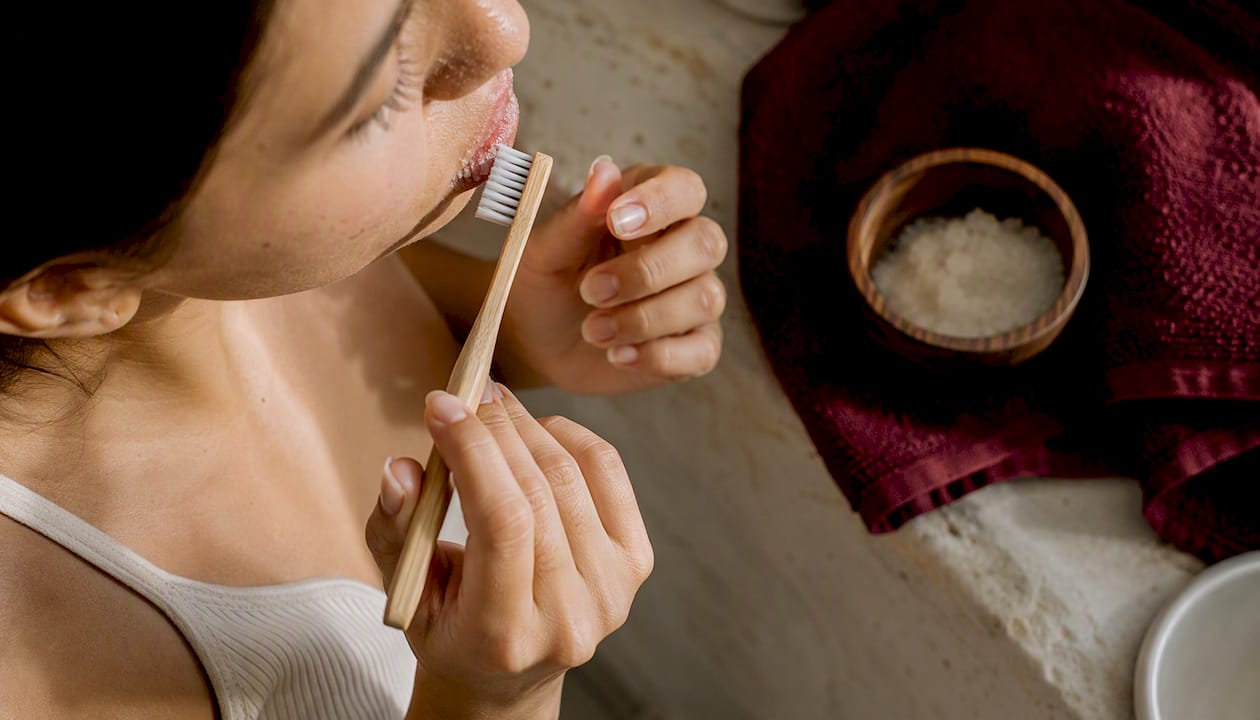
For mechanical exfoliation, a sugar-and-oil scrub (as above) or a soft, damp toothbrush in gentle circular motions works well. Apply light pressure only. The lip skin is significantly thinner than facial skin and doesn’t need aggressive treatment.
These are not the same as full-face exfoliants and should be chosen specifically for lip or perioral use.
Frequency and follow-up:
- Exfoliate 1–2 times weekly, not daily.
- Always follow with a hydrating balm or serum immediately after.
- Morning exfoliation before makeup gives the cleanest base; evening exfoliation before a lip mask maximizes overnight absorption.
Avoid these:
- Aggressive scrubbing or pumice-type exfoliants on lips
- Over-exfoliating (more than twice weekly causes micro-tears)
- High-strength AHA/BHA products formulated for body use, not face
- Picking at loosened skin after scrubbing
Byrdie’s beauty editors note that hydration, exfoliation, and product layering in sequence (serum, then balm, then SPF) is the approach dermatologists and aestheticians most consistently recommend for maintaining natural fullness.
Hydration, SPF, and the longer-term steps that preserve lip volume
Lip fullness isn’t just about what you apply in the moment. UV exposure degrades collagen over time, and chronically dry lips look thinner than they are. A consistent daily routine addresses both.
Hyaluronic acid (HA) is the workhorse ingredient here. It binds water molecules and holds them in the tissue, which creates a plumper, smoother surface. Applied as a serum or in a balm, it works best on damp skin. Apply it right after you’ve lightly dampened your lips, then seal with a balm.
Peptides in lip products signal the skin to support collagen structure. The effect is gradual and cumulative, not instant, but they’re worth including in a nighttime routine.
Daily and weekly routine:
- Morning: HA serum on lips, then a balm containing SPF 30 or higher
- Evening: HA serum or peptide-containing balm, then a thicker overnight lip mask
- Weekly: Exfoliate, then apply a nourishing mask or thick balm treatment
The American Academy of Dermatology recommends applying broad-spectrum SPF 30 or higher and reapplying every two hours when outdoors. Lips are frequently skipped in sunscreen routines, but UV damage accelerates the collagen loss that thins lips over time. A tinted SPF balm makes daily compliance easy.
For ingredient-focused guidance on what supports lip health over time, Lumeracosmetica’s ingredient guide covers HA, peptides, and protective actives in detail.
A natural lip balm with SPF is a practical daily option that covers both hydration and UV protection in one step.
What to avoid and when to see a clinician
Some trends marketed as natural lip plumping are genuinely risky.
Avoid these:
- Suction devices (the “lip challenge” style): repeated suction causes bruising, broken capillaries, and over time accelerates skin laxity around the mouth
- Unregulated HA pens: these inject hyaluronic acid without medical oversight and carry real risks of vascular occlusion, infection, and uneven results
- Chronic overuse of strong irritants: daily cinnamon or cayenne application can cause chemical burns and sensitization
- Aggressive over-exfoliation: more than twice weekly damages the lip barrier and causes chronic dryness
Signs to stop a product immediately:
- Burning that doesn’t subside within 5 minutes
- Uneven or asymmetric swelling
- Blistering or skin peeling beyond normal flaking
- Persistent redness lasting more than 24 hours
If you’re seeing a dermatologist or plastic surgeon about lip concerns, bring a list of every product you’ve used, photos of any reactions, and a timeline of when symptoms started. Board-certified clinicians can distinguish between contact dermatitis, chemical irritation, and other causes quickly when they have that information.
When natural methods aren’t enough: clinical options explained
According to the American Academy of Dermatology, topical measures improve appearance temporarily but do not create permanent structural change in lip tissue. If you want lasting volume, clinical procedures are the only route.
The American Society of Plastic Surgeons outlines the main options:
- Lip fillers (hyaluronic acid-based): the most common option, typically lasting 6–12 months, reversible with hyaluronidase, minimal downtime
- Fat transfer: uses your own fat, results can be longer-lasting but less predictable, requires a minor surgical procedure
- Lip implants: permanent, surgical, suitable for those wanting lasting structural change
- Lip flip (Botox): relaxes the muscle above the upper lip to create a subtle outward roll, not a volume increase, lasts 2–4 months
Before any procedure:
- Choose a board-certified plastic surgeon or dermatologist. The ASPS Find a Surgeon tool is a reliable starting point.
- Avoid price-driven decisions. Discount filler carries higher complication risk.
- Bring reference photos and clear expectations to your consult.
Natural methods and clinical procedures aren’t competing approaches. Many people use both: topical routines for daily maintenance and clinical options for structural results.
Lumeracosmetica’s step-by-step at-home routine for fuller-looking lips
A consistent routine beats any single product. Here’s a practical four-step framework based on Lumeracosmetica’s approach to natural lip enhancement.
- Prep (2–3 times weekly, or as needed): Exfoliate with a gentle sugar scrub or soft toothbrush. Rinse, pat dry. This is the foundation step that makes everything else absorb better.
- Hydrate (every morning and evening): Apply a hyaluronic acid serum to slightly damp lips, then seal with a nourishing balm. A hyaluronic acid serum applied to the perioral area and lip border supports hydration at the surface level.
- Targeted weekly treatment: Once weekly, apply a thicker overnight lip mask or a cinnamon-honey treatment (patch-tested first). This is the step where DIY plumping recipes fit naturally.
- Makeup finishing (as desired): Overline with a matching liner, apply a plumping gloss to the center, and blend. For a fuller look throughout the day, a Lumeracosmetica plumping gloss layered over your balm adds both color and a topical plumping effect.
Morning routine: HA serum, SPF balm, optional gloss over the top. Evening routine: Exfoliate (on scheduled days), HA serum, overnight lip mask.
Pro Tip: Apply your HA serum within 60 seconds of rinsing lips or lightly misting them. Hyaluronic acid draws moisture from its environment, and damp skin gives it something to work with.
For a detailed walkthrough of this routine, Lumeracosmetica’s step-by-step guide covers each phase with product-type recommendations.

How to choose lip products that actually help
The ingredient list tell you more than the marketing copy ever will.
What to look for:
- Hyaluronic acid or sodium hyaluronate (hydration, temporary plumping)
- Glycerin (humectant, works alongside HA)
- Peptides (collagen support, gradual effect)
- Capsicum or cinnamon extract (blood-flow plumping, use sparingly)
- Broad-spectrum SPF 30+ on any daytime product
What to skip or approach cautiously:
- Products with “proprietary blend” as the only descriptor for active ingredients, especially if you have sensitive skin
- High concentrations of menthol or camphor, which can be drying with daily use
- Unlabeled essential oils in products marketed for daily wear
| Ingredient | How it works | Effect duration | Sensitivity risk |
|---|---|---|---|
| Hyaluronic acid | Binds and holds water in tissue | Hours to days with consistent use | Low |
| Peptides | Supports collagen structure over time | Gradual, cumulative | Very low |
| Capsicum / cinnamon | Increases blood flow via mild irritation | 30 minutes to 2 hours | Moderate to high |
| Peppermint / menthol | Mild vasodilator, cooling sensation | 30–60 minutes | Low to moderate |
| Glycerin | Draws moisture to the surface | Hours | Very low |
Dermatologist-backed formulations with transparent ingredient lists are the safest starting point. If a product lists “natural fragrance” without specifying the source, treat it as a potential irritant until patch-tested.
The honest truth about wanting fuller lips
There’s a version of this conversation that skips the nuance: just use this product, follow these steps, get the lips you want. That’s not how Lumeracosmetica approaches it.
Wanting fuller lips is a completely reasonable aesthetic preference. So is being cautious about how you pursue it. The methods in this guide work, within their limits. Exfoliation, hydration, and topical plumpers create real, visible effects. They’re also temporary, and that’s not a flaw. It means you can try them safely, adjust what you use, and stop at any time.
Lumeracosmetica’s design philosophy is built around results that look like you on a good day, not a different person. That means products formulated for real skin, honest guidance about what topical methods can and can’t do, and resources for readers who want to understand the longer picture of lip aging and care.
Fuller lips start here with Lumeracosmetica
Lumeracosmetica’s plumping lip glosses and hydrating serums are built specifically for the routine described in this guide. The glosses use capsicum and HA to deliver both an immediate visual effect and lasting hydration. The serums layer cleanly under SPF balms and overnight masks without pilling.
For sensitive skin, start with the hydrating serum alone for the first week before adding a plumping gloss. Both products are formulated without unlabeled fragrance blends, so the ingredient list reflects what’s actually inside.
Explore the full range and find the products that fit your routine at Lumeracosmetica.
Sources
- Surgical and nonsurgical options to plump up your lips
- Lip thinning treatment and tips
- 5 Ways to PLUMP Your LIPS!


