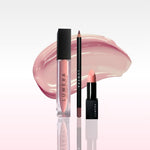
Lip makeup tips for aging lips: enhance your look after 40

TL;DR:
- Lips change after 40 due to reduced collagen, thinner skin, and moisture loss, requiring adjusted makeup routines. Hydrating, exfoliating, and using lip primers are essential prep steps for smoother, more youthful-looking lips. Choosing luminous textures and soft, diffused application techniques enhances natural fullness and minimizes fine lines.
Your favorite lipstick from your 30s looks different now, and not in a good way. It bleeds into fine lines, fades unevenly, and somehow makes your lips look thinner instead of fuller. If that sounds familiar, you’re not imagining it. Lips change significantly after 40 due to reduced collagen, thinner skin, and loss of natural moisture. The solution isn’t to stop wearing lipstick. It’s to understand what your lips need now, and adjust your routine accordingly. This guide gives you the specific techniques and product knowledge to make lip makeup work beautifully at every age.
Table of Contents
- Prep and hydrate for a smooth lip canvas
- Choose the right lipstick textures and finishes
- Lip liner techniques to prevent feathering
- Smart color placement and diffused edges
- The truth about makeup myths for aging lips
- Explore quality lip care and makeup for mature lips
- Frequently asked questions
Key Takeaways
| Point | Details |
|---|---|
| Hydration is key | Keeping lips moisturized helps makeup sit smoothly and minimizes lines. |
| Texture matters most | Satin, cream, and balm finishes are friendlier to mature lips than matte formulas. |
| Smart liner technique | Soft, subtle liner placement defines lips without harshness or feathering. |
| Diffused color for volume | Strategic color placement creates fuller lips without needing heavy liner. |
| Bold shades are allowed | Bold lipstick can be flattering if paired with comfortable formulas and good technique. |
Prep and hydrate for a smooth lip canvas
Most lipstick problems start before you even open the tube. Dry, rough lips absorb color unevenly, hold liner poorly, and show every fine line in sharp relief. The fix begins with a proper prep routine that treats your lips as the skin they are.
Hydration comes first. Rich lip balms, overnight lip masks, and dedicated lip creams give your lips the moisture they’ve been losing as collagen production slows. Apply a thick balm or moisturizing lip creams each night and again in the morning, at least 10 minutes before applying any makeup. This gives the product time to absorb so your lipstick doesn’t slide off.
Exfoliation is equally important, but gentle is the keyword. A soft washcloth dampened with warm water, or a mild lip scrub with sugar and honey, is enough to lift dead skin cells without damaging the delicate tissue. Harsh physical scrubs with large granules can cause micro-tears and irritation, which only makes dryness worse. Stick with gentle options twice a week. As Glamour Magazine notes, lip prep and exfoliation are fundamental for supple lips, making liner and lipstick application smoother and less prone to cracking.
Once your lips are smooth and hydrated, a lip primer is your secret weapon. These products fill in fine lines and create a slightly tacky surface that helps lipstick grip. Many primers also contain ingredients like peptides or hyaluronic acid to support the skin barrier. Don’t skip this step if you struggle with color migration or feathering.
Here’s a quick prep checklist to get your lips ready:
- Gently exfoliate with a soft cloth or sugar scrub twice weekly
- Apply a rich balm or lip cream morning and night
- Let balm fully absorb before applying primer or lipstick
- Use a dedicated lip primer to fill fine lines and lock in color
- Avoid matte balms that feel dry on application
Makeup artists consistently highlight exfoliation and hydration as the foundation for smooth, youthful-looking lips. Think of prep as your non-negotiable first step, not an optional extra. For more detail on building a complete prep routine, explore these mature lip prep tips that walk through each step with practical guidance.
Pro Tip: If your lips feel tight or look wrinkled by midday, your balm may not be rich enough. Look for formulas containing shea butter, ceramides, or vitamin E for lasting moisture.
With prep completed, it’s time to reconsider your lipstick formulas.
Choose the right lipstick textures and finishes
Not all lipsticks perform the same way on mature lips. The formula you choose will do more to flatter or age your lips than the shade ever could. Understanding how different textures interact with your skin makes all the difference.
Satins and creams are your best friends. These formulas glide on smoothly, deposit rich color without tugging, and have enough sheen to reflect light in a way that makes lips appear fuller. They don’t emphasize fine lines the way drier formulas do, and they’re comfortable enough to wear all day. As beauty editors at Glamour Magazine point out, satins, creams, and balms are more flattering for mature lips, while matte formulas often emphasize dryness and lines.
Mattes require a rethink, not necessarily elimination. A full matte formula applied heavily can sit in fine lines and look patchy by mid-morning. However, if you love the look of matte, apply a thin layer and dab gently instead of pressing firmly. Mixing a small amount of clear gloss into the center of a matte lip also gives you visual warmth without giving up the color intensity. Vogue confirms that matte products can make lip texture and fine lines look more obvious, making hydrating satin finishes the preferred alternative.
Light-reflecting formulas add volume without filler. Sheer glosses and satin lipsticks catch light on the high points of your lips, creating the optical illusion of plumpness. They work particularly well on thinner lips or lips that have lost definition at the edges. Pair with a lip-smoothing serum for maximum effect.
| Finish | Effect on mature lips | Best use |
|---|---|---|
| Satin | Smooths, adds sheen | Everyday color |
| Cream | Rich color, hydrating | Bold shades |
| Sheer gloss | Plumping, light-reflecting | Layering or alone |
| Balm tint | Natural, moisturizing | Casual, no-fuss look |
| Full matte | Can settle into lines | Use sparingly or blend |
- Satin and cream formulas are the most flattering overall choice
- Sheer gloss in the center adds visual volume without liner
- Avoid dragging the bullet across your lips; use short strokes instead
- Bold shades work beautifully in satin or cream finishes
- Balm tints are perfect for days when you want color without effort
For women who want more than one option, explore fullness tips for aging lips and check out a curated range of lip color options over 40 to find shades that work with your skin tone. If you’re determined to keep wearing matte lipstick, you’ll find specific guidance in these matte lip application tips that cover how to minimize the drawbacks.
Pro Tip: Apply a dab of clear gloss to the center of your lower lip over any lipstick shade. It creates the illusion of volume and adds light without looking overdone.
Once you’ve chosen a more forgiving formula, it’s time to define and enhance your lips with smart liner and color placement.
Lip liner techniques to prevent feathering
Feathering, when lipstick bleeds into the fine lines above and below the lips, is one of the most common frustrations for women over 40. Good liner technique doesn’t just add definition. It actively stops migration in its tracks.
Match your liner to your natural lip color, not your lipstick. A nude or soft rose liner that closely matches your lip tone creates a subtle barrier without harsh contrasting edges. When the liner is close to your skin tone, minor imperfections in application are barely noticeable. As beauty experts at Glamour confirm, light liner strokes and natural color placement define lips without harshness and significantly reduce color migration.
Technique matters more than the product. Apply liner in short, feathery strokes rather than one continuous line pressed firmly into the skin. Think of sketching rather than drawing. This creates a diffused edge that’s far more flattering and modern. Apply liner to an LED lip mask treated lips for the smoothest possible surface.
Be strategic with where you apply liner. Focus definition on the cupid’s bow and the outer corners of your lips, where definition makes the biggest visual difference. The inner areas can be filled in lightly or left to the lipstick. Vogue’s makeup experts note that overlining can look harsh or overdone on mature lips, so the goal is subtle, diffused definition rather than a bold, heavily drawn line.
Here is a step-by-step approach to liner for mature lips:
- Start with prepped, hydrated lips and a primer
- Choose a liner close to your natural lip tone
- Begin at the cupid’s bow using short, light feathery strokes
- Work toward the outer corners, then trace the lower lip
- Fill in the entire lip lightly with liner before applying lipstick
- Blend the liner edge gently with a fingertip or small brush
For understanding which liners suit your natural tone best, take a look at these natural lip liner choices that explain the selection process simply. You’ll also want to check out common lipstick mistakes to avoid so you can skip the learning curve entirely.
Pro Tip: After applying liner, use a small flat brush to gently blur the outer edge. This diffuses the line and gives a more modern, less “drawn-on” appearance that works especially well for mature lips.
Now, refine your color placement for volume and softness.
Smart color placement and diffused edges
There’s a newer approach to lip color that’s particularly kind to mature lips. It’s sometimes called the “cloud lip” technique, and it prioritizes softness, diffusion, and the illusion of natural fullness over sharp precision. You don’t need to be a professional makeup artist to make it work.
Start with a clear balm, always. Pressing a thin layer of clear balm across your lips before applying color creates a semi-transparent base that softens the edges of any shade you apply over it. It also keeps your lips comfortable and prevents the drying effect that some pigmented products can cause.
Use your fingertip instead of a brush. For a cloud lip or diffused effect, tap color directly from the bullet onto the center of your lips, then use your fingertip to press and blend it outward. The warmth of your finger softens the product and creates edges that fade naturally rather than stopping abruptly. According to Good Housekeeping, diffused color placement after a balm base creates the illusion of fullness while minimizing settling into fine lines.
Skip sharp outlining for a softer result. The classic approach of lining the full perimeter of the lip before filling in works well on unlined, plump lips. On mature lips, it can look rigid. Instead, let color be your focus and let the edges stay soft and gradient. A slightly blurred edge actually reads as more youthful and dimensional.
“Bold color can still flatter after 40 when paired with good technique. Formula dryness and feathering matter more than shade alone.” — Women’s Weekly Australia on mature makeup myths
The diffused approach works for every shade, including deep berries, warm reds, and classic pinks. Here’s how to make it work daily:
- Apply clear balm and let it settle for 30 seconds
- Tap your chosen lipstick shade into the center of your lips
- Blend outward with your fingertip using a pressing, not smearing, motion
- Skip liner or use only the lightest amount at the cupid’s bow
- Add a tiny dot of gloss to the center for extra dimension
For more detail on creating even, smooth color, read through these even lip color tips that go deeper into technique for mature skin. You can also explore layering lipstick techniques for building depth and longevity with multiple products.
These methods offer more choices, but which techniques and products are best for your situation?
The truth about makeup myths for aging lips
After years of working closely with women who are navigating this exact moment in their beauty journey, we’ve noticed something consistent. Most of the frustration comes not from the products themselves, but from outdated rules that women have internalized and kept following long after they stopped serving them.
The most damaging myth is that bold color ages you. It doesn’t. What ages you is a bold color applied in a drying formula that settles into lines, feathers at the edges, and looks stiff and heavy. The same red lip in a satin formula, applied with a diffused edge and a bit of balm, looks alive and expressive. As Women’s Weekly Australia reports, bold lip color can be flattering for mature lips when paired with the right formula and liner technique, because nuance matters more than shade.
Another widespread belief is that a perfectly defined, heavily lined lip looks more polished. It might have once. Today, a blurred, barely-there edge looks significantly more current and, counterintuitively, more youthful. Heavy liner at the lip border draws the eye to any asymmetry or fine lines right at the edge of the lips, which is exactly what you want to minimize.
We also hear frequently that women feel they should wear less makeup as they age. That’s deeply personal, and there’s no right answer. But the women we see wearing lipstick with genuine confidence aren’t the ones wearing less. They’re the ones wearing the right things with technique that serves their lips now, not in 1995. Comfort and self-expression should always be your guide. A look that makes you feel good is a look that works. For complete guidance on this, our lipstick tips for mature skin cover everything from shade selection to finish and technique.
Explore quality lip care and makeup for mature lips
Finding products that actually deliver on their promises for mature lips takes time, and the wrong choices can be discouraging. That’s exactly why we’ve built resources specifically for women who want their lip makeup to feel as good as it looks.

At Luméra Cosmetica, we’ve curated guides and formulas with women over 40 in mind, whether you’re in Sydney, Paris, London, or anywhere in between. Explore our full mature lip guide for a complete overview of what works and why, or go straight to our restore fullness tips if adding volume is your priority. Our guides connect real techniques with the right products so you can spend less time experimenting and more time enjoying your results.
Frequently asked questions
What lipstick texture works best for mature lips?
Satins, creams, and balms offer more hydration and flatter mature lips by smoothing texture and minimizing the appearance of fine lines. These finishes reflect light gently, adding a sense of volume.
How can I prevent lipstick from feathering around my lips?
Prep with a rich balm and lip primer, then apply liner using light, short strokes to create a soft barrier that keeps color from migrating into fine lines around the mouth.
Are bold lip colors age-appropriate for women over 40?
Absolutely. Bold colors can be flattering after 40 when applied in a hydrating satin or cream formula with blended, diffused edges rather than harsh, heavily drawn liner.
How do I create fuller-looking lips without overlining?
Apply a clear balm first, then tap your lipstick color into the center of your lips and blend gently outward with your fingertip. This diffused placement creates the illusion of natural fullness without the artificial look of overlining.