

Layer lipstick like a pro: tips for women 40+

TL;DR:
- Layering and proper prep enhance lipstick durability, vibrancy, and reduce feathering in mature lips.
- Creamy, hydrating formulas with liners and setting powders are ideal for mature skin and dry climates.
- Creative techniques like ombré, two-tone, and gloss overlays add dimension and youthful fullness.
Feathering, fading, and dry patches. If these words describe your daily lipstick struggle, you are far from alone. Mature women experience feathering and dryness at higher rates, particularly in the drier climates of Australia and parts of Europe where low humidity pulls moisture straight from your lips. The good news is that lipstick layering, done correctly, solves nearly every one of these problems. This guide walks you through product selection, lip prep, step-by-step layering, and creative techniques so you can wear bold, vibrant color with confidence every single day.
Table of Contents
- Choosing the right lip products for mature skin
- Preparing your lips: Essential prep steps for a flawless base
- The art of layering: Step-by-step lipstick application
- Troubleshooting and creative enhancements
- Our take: Rethinking lipstick layering after 40
- Discover perfect lipsticks for layering
- Frequently asked questions
Key Takeaways
| Point | Details |
|---|---|
| Hydrating formulas matter | Creamy lipsticks and glosses keep mature lips comfortable and help prevent feathering. |
| Prep is essential | Exfoliating and moisturizing before layering is key to achieving smooth, long-lasting lipstick. |
| Thin layers last longer | Applying lipstick in thin coats and using powder prolongs wear and prevents patchiness. |
| Creative layering enhances looks | Blending textures and colors lets you express your style and creates vibrant dimension. |
| Troubleshooting improves results | Solving feathering and unevenness helps achieve a professional, confident finish. |
Choosing the right lip products for mature skin
Now that you know the challenges, let’s start by choosing products that build the foundation for perfect layering. The single biggest mistake women make after 40 is reaching for the same lipstick formulas they used in their 30s. Lips lose volume and natural oils over time, which means formulas that once looked stunning can now settle into fine lines and look patchy within an hour.
Creamy and hydrating formulas are your best friends. Creamy formulas and liner barriers are consistently recommended by makeup artists for women over 40 because they flex with the lip surface rather than sitting on top of it. A creamy lipstick delivers pigment and moisture simultaneously, which is exactly what mature lips need. Explore creamy lipstick hydration benefits to understand why the formula matters as much as the color.
When it comes to liner, think of it as your insurance policy. A well-applied liner traces the natural lip edge and creates a physical barrier that stops color from bleeding into surrounding skin. Choose a liner that matches your lipstick shade or goes one shade darker for definition.
Here is a quick comparison to guide your formula choice:
| Formula | Best for | Avoid if |
|---|---|---|
| Creamy | Everyday wear, dry lips | You want ultra-long wear |
| Matte | Evening looks, bold color | Lips are very dry or chapped |
| Sheer | Natural looks, layering base | You want full coverage |
| Gloss | Adding dimension, finishing | You dislike stickiness |
For color, lipstick shades for mature skin tend to favor warm roses, soft berries, and nude-pinks over very cool or very pale shades, which can wash out complexions that have shifted in undertone over the years. That said, a deep plum or a classic red worn correctly is absolutely stunning on mature lips.
Key product features to look for:
- Vitamin E or hyaluronic acid in the ingredient list for added hydration
- Buildable pigment so you can layer without heaviness
- A creamy or satin finish as your base layer before adding texture
- A matching or slightly darker liner to anchor your look
- SPF in a daytime formula to protect lips from UV damage, especially in Australia
Preparing your lips: Essential prep steps for a flawless base
With the right products chosen, let’s create the perfect canvas for your lipstick layers. Skipping lip prep is like painting a wall without priming it first. The color goes on uneven, fades faster, and never quite looks the way you imagined. Proper prep takes less than three minutes and makes every layer that follows perform better.
Here is the exact sequence that works:
- Exfoliate Use a gentle lip scrub or a damp washcloth in small circular motions to lift dead skin. Do this two to three times per week, not daily, to avoid irritation.
- Moisturize Apply a nourishing lip balm and let it absorb for two minutes. Blot away any excess with a tissue before moving to the next step.
- Prime Use a dedicated lip primer or a tiny amount of concealer patted across the lips. This evens out natural pigmentation and gives your lipstick something to grip.
- Line Trace your liner along the natural lip edge, then fill in the entire lip lightly. This creates a base layer of color and reinforces the feathering barrier.
- Set Dust a small amount of translucent powder over the lined lips before applying your first lipstick layer. This step is the secret weapon most women skip.
Here is how each prep step affects your final result:
| Prep step | Effect on lipstick | Time required |
|---|---|---|
| Exfoliation | Smoother application | 60 seconds |
| Moisturizing | Prevents dryness and cracking | 2 minutes |
| Priming | Extends wear by 2 to 3 hours | 30 seconds |
| Lining | Stops feathering | 60 seconds |
| Setting powder | Locks first layer in place | 15 seconds |
Australian experts recommend exfoliating and applying thin layers as the core strategy for mature lips, particularly in climates where temperature swings between seasons can cause significant lip dryness. Understanding soft lipstick benefits will also help you see why formula softness matters at the prep stage, not just during application.

Pro Tip: After applying your lip balm, press a single-ply tissue over your lips and dust translucent powder through it. This sets the balm without removing moisture and gives your liner and lipstick a surface that grips beautifully. Check out this mature skin lip tips guide for more prep strategies tailored to lips over 40.
The art of layering: Step-by-step lipstick application
Your lips are prepped, so now it’s time to master the layering technique itself. Layering is not just applying two coats. It is a deliberate sequence of textures, each one doing a specific job to build color depth, longevity, and dimension.
Follow these steps for a layered lip look that lasts:
- Apply your base liner Fill the entire lip, not just the edge. This creates a color foundation that shows through every layer above it.
- Add your first lipstick layer Use a creamy or satin formula and apply a thin, even coat with a lip brush for precision. Blot gently with a tissue.
- Set with powder Dust translucent powder over the first layer. This locks it in and prepares the surface for the next coat.
- Apply your second layer This is where you build vibrancy. Use the same shade or go slightly deeper at the center of the lips for dimension.
- Finish with texture Add a gloss at the center of the lower lip for fullness, or a matte top coat for drama. Keep this layer thin.
Layering thin and setting with powder is the technique that prevents fading and feathering most effectively for mature women. Thick, heavy layers do the opposite. They crack, settle into lines, and slide off faster.
A note on product sensitivities: Always patch-test new lipstick formulas on your inner wrist before applying to lips. Mature skin can develop sensitivities to fragrance, dyes, or preservatives that were not an issue in younger years. If you notice swelling, tingling, or unusual dryness, discontinue use immediately.
For long-lasting lipstick tips beyond layering, blotting between coats is the single most effective habit you can build. It removes surface oils that break down pigment while keeping the color bonded to the lip.
Pro Tip: When combining matte and creamy formulas, always apply creamy first and matte second. Applying matte over creamy locks in moisture while giving you the bold finish of a matte shade without the drying effect. Learn more about types of lipstick for mature women to find the right combination for your skin.
Troubleshooting and creative enhancements
Once you’ve mastered basic layering, here’s how to troubleshoot and get even more creative with your look. Even with perfect prep and technique, things sometimes go sideways. Knowing how to fix common problems quickly keeps your confidence intact.
Common issues and fast fixes:
- Feathering Reapply liner directly over the feathered area and press gently. Using powder and liner barriers consistently resolves this issue for mature lips.
- Patchiness Blot the entire lip with a tissue, apply a thin layer of balm, wait 60 seconds, then reapply lipstick from scratch. Rushing the reapplication makes patchiness worse.
- Fading at the center This usually means the center of your lips has more natural oil. Apply an extra layer of liner or a slightly deeper shade at the center only.
- Color bleeding into fine lines Switch to a drier formula for your outer layer, or use a clear lip liner along the outer edge before applying color.
- Uneven finish A lip brush gives far more control than applying directly from the bullet, especially for precise edges.
Now for the fun part. Layering opens up a world of creative possibilities that single-coat application simply cannot achieve.
Creative ideas to try:
- Ombré lips Apply a deeper shade at the outer corners and a lighter or brighter shade at the center, then blend where the two meet.
- Two-tone looks Use a neutral base and layer a bold shade only on the lower lip for a modern, editorial effect.
- Gloss overlays A clear or tinted gloss for mature skin applied at the center of both lips creates an instant plumping effect without filler.
- Seasonal adaptation In dry Australian summers or cold European winters, add an extra balm layer beneath your base to counteract climate-driven dryness.
Pro Tip: Mix two lipstick shades directly on the back of your hand to create a completely custom color. This is especially useful when you want a shade that sits between two you already own. Sheer lipstick works brilliantly as a mixing base because it carries pigment lightly without overwhelming the blend.
Our take: Rethinking lipstick layering after 40
Here is something the beauty industry rarely says out loud: the “less is more” advice given to women over 40 is often wrong. It was designed for a different era when the only options were heavy, waxy formulas that did look worse in layers. Modern lipstick technology has completely changed the game.
After working with hundreds of mature clients across different climates and skin types, we have seen one pattern repeat itself. Women who embrace layering and texture, rather than scaling back to a single swipe of neutral color, consistently look more vibrant and feel more confident. The key is not doing less. It is doing it smarter.
Texture matters more than color after 40. A beautifully layered lip with dimension and a subtle gloss finish reads as youthful and intentional in a way that a flat, single-coat matte never does. Our expert guide for mature skin reflects this philosophy. Wear the bold shade. Layer the gloss. Try the ombré. Your lips deserve more than a compromise.
Discover perfect lipsticks for layering
Ready to transform your look with expertly crafted lipsticks? Luméra Cosmetica was built specifically with mature lips in mind. Every formula in our range is designed to layer beautifully, stay hydrated, and deliver the kind of color payoff that makes layering worthwhile.
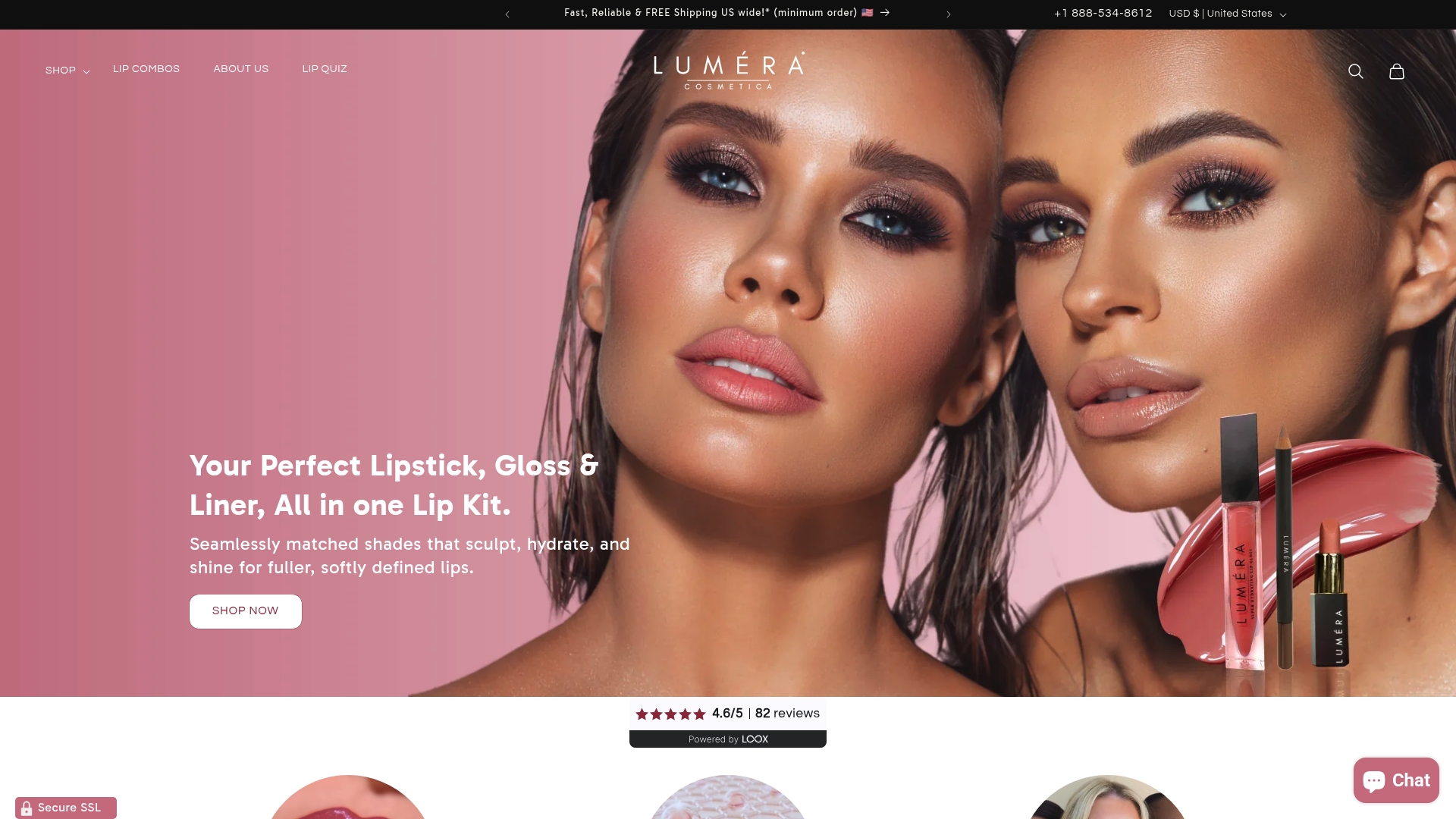
Our Perfect Kiss Lipstick is a favorite among women over 40 for its creamy, buildable formula that works as a standalone shade or as the perfect base layer. Whether you are exploring ombré techniques, two-tone blends, or simply want a reliable everyday lip, Luméra Cosmetica has the range to support every step of your layering journey. Browse the full collection and find your next signature look.
Frequently asked questions
How can I prevent lipstick from feathering on mature lips?
Creamy formulas and liner barriers are the most effective defense against feathering. Apply liner around and across the entire lip, then set with translucent powder before your first lipstick layer.
What is the best type of lipstick for dry climates like Australia?
Creamy, hydrating lipsticks and glosses are ideal because they maintain moisture throughout the day. Creamy formulas suit drier climates and mature skin far better than matte or long-wear formulas that strip moisture.
Can I layer matte lipstick with creamy formulas?
Absolutely. Layering different formulas improves both durability and texture. Apply creamy first, blot, set with powder, then add the matte layer on top for a finish that lasts without drying out your lips.
How do I fix patchy or uneven lipstick after layering?
Blot the entire lip, apply a thin balm layer, wait 60 seconds, and reapply in thin coats. Layering thin prevents patchiness and enhances overall wear time significantly.
What creative layering ideas can I try for mature lips?
Ombré, two-tone blends, and gloss overlays all add dimension and vibrancy. Creative layering adds dimension that a single-coat application simply cannot achieve, making lips look fuller and more defined.
Recommended
- Lipstick Basics: Enhancing Beauty for Women 40+ – Luméra Cosmetica
- Master an Everyday Lipstick Routine for Women 40+ – Luméra Cosmetica
- How to fix lipstick mistakes: expert tips for women 40+ – Luméra Cosmetica
- 7 lipstick mistakes aging your lips (and easy fixes) – Luméra Cosmetica
- How to Style Crossbody Bags for Effortless Everyday Looks


