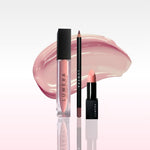
Key ingredients for healthier, more youthful lips after 40

Not all lip balms are created equal, and if you’ve been reaching for the same drugstore stick for years, your lips may be paying the price. After 40, the skin on your lips changes in ways that most generic products simply aren’t designed to address. Collagen production slows, natural oils diminish, and environmental stressors like UV radiation and wind take a heavier toll. The result? Dryness, fine lines, and a loss of that plump, comfortable feeling you once took for granted. This guide walks you through exactly which ingredients work, why they work, and how to build a routine that genuinely delivers results.
Table of Contents
- Why lip care matters more after 40
- Essential lip care ingredients and their roles
- Natural vs. synthetic: Comparing safety and efficacy
- Building a targeted lip care routine
- A smarter approach to lip care for mature women
- Explore lip solutions tailored for you
- Frequently asked questions
Key Takeaways
| Point | Details |
|---|---|
| Focus on ingredient quality | Superior natural and safe synthetic ingredients work best for mature lips. |
| Know what to avoid | Some common lip care ingredients can irritate aging or sensitive lips, so always check labels. |
| Routine matters | Layering and regular reapplication with effective ingredients maximizes results. |
| Customize for your environment | Australian and European climates may require different lip care adaptations for best protection. |
Why lip care matters more after 40
Most women don’t realize that lips are one of the first places to show signs of aging. Unlike the rest of your face, lips have no sebaceous glands, meaning they produce zero natural oil. They rely entirely on the products you apply and the moisture in the air around them. As you age, that dependency becomes even more pronounced.
Collagen loss begins in your 30s and accelerates through your 40s and beyond. This directly affects lip volume, texture, and the ability to retain moisture. As noted in research on benefits for mature lips, lips lose moisture and natural oils as we age, leading to increased dryness and fine lines. That’s not just a cosmetic issue. Chronically dry lips can crack, bleed, and become uncomfortable enough to affect eating and speaking.
Climate plays a significant role too. Women in Australia face intense UV exposure year-round, while those in northern Europe contend with cold, dry winters and harsh winds. Both conditions strip moisture from lips faster than the body can replenish it. The result is a cycle of damage that basic petroleum-based balms can’t fully interrupt.
Here’s what changes after 40 that you need to account for:
- Reduced collagen leads to thinner, less defined lips
- Lower oil production makes lips more vulnerable to environmental dryness
- Slower cell turnover means dead skin builds up faster, creating a rough texture
- Hormonal shifts (especially around menopause) can trigger increased sensitivity and inflammation
- UV accumulation over decades worsens pigmentation and surface damage
The good news is that targeted hydration for aging lips can genuinely reverse many of these effects. The key is knowing which ingredients to look for and which to leave on the shelf.
Statistic: Collagen production drops by approximately 1% per year after age 30, meaning by your mid-40s, you’ve lost roughly 15% of your skin’s structural support, including in your lips.
Pro Tip: Apply a nourishing lip treatment before bed every night. Overnight is when your skin does most of its repair work, and lips are no exception. A richer formula applied at night can dramatically improve texture within a few weeks.
Essential lip care ingredients and their roles
Now that you understand why lip care matters, let’s look at which ingredients actually make a difference. Scanning an ingredient list can feel overwhelming, but once you know the key players, it becomes second nature.
The most important categories are emollients, humectants, natural oils, and antioxidants. Each does something distinct, and the best products combine all four.
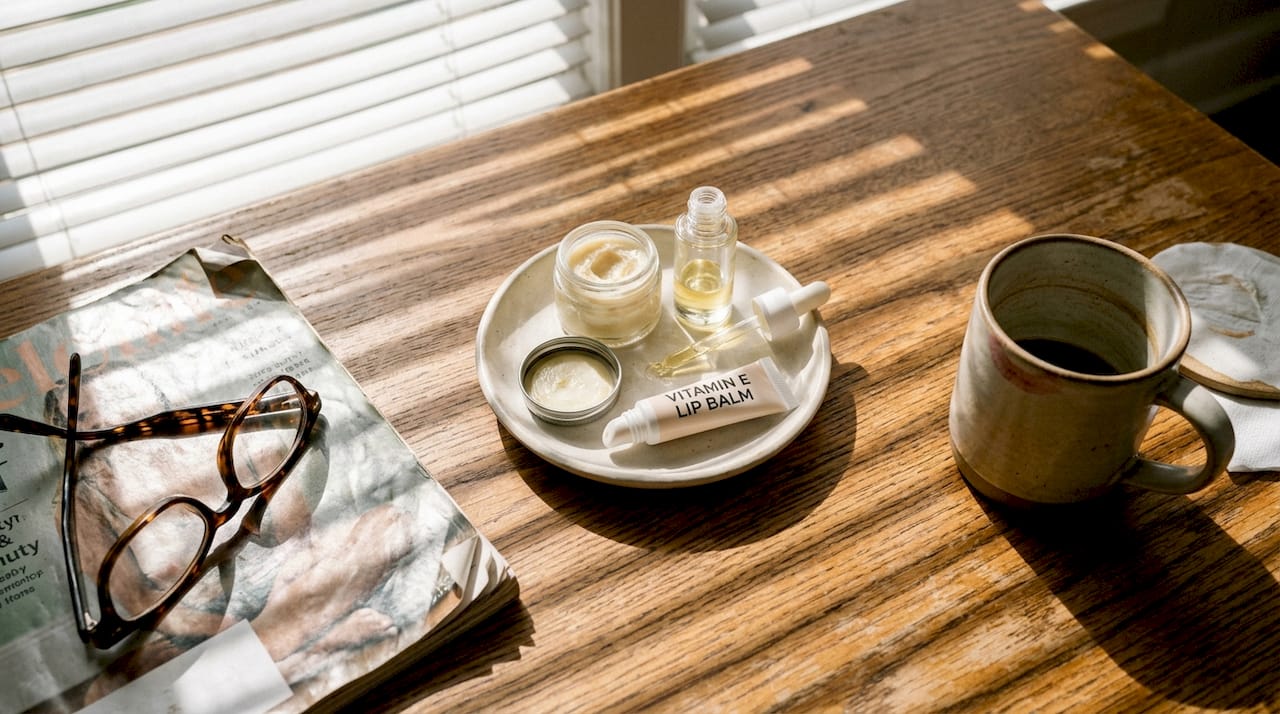
| Ingredient | Type | Primary benefit |
|---|---|---|
| Shea butter | Emollient | Seals in moisture, softens texture |
| Hyaluronic acid | Humectant | Draws water into lip tissue |
| Jojoba oil | Natural oil | Mimics skin oils, builds barrier |
| Vitamin E | Antioxidant | Fights free radicals, prevents aging |
| Olive oil | Natural oil | Deep conditioning, anti-inflammatory |
| Coconut oil | Natural oil | Antimicrobial, lightweight hydration |
| Sweet almond oil | Natural oil | Rich in fatty acids, smoothing |
As shown in research on skin-friendly lipstick ingredients, natural emollients replenish moisture without feeling greasy, making them ideal for daily wear. And jojoba oil mimics natural skin oils, offering gentle hydration and a protective barrier that’s especially valuable for lips that have lost their natural oil production.
Here’s how to prioritize when reading a label:
- Look for emollients in the top five ingredients. Shea butter, cocoa butter, or a plant-based wax should appear early on the list, indicating a meaningful concentration.
- Check for at least one humectant. Hyaluronic acid or glycerin pulls moisture from the environment into your lips. Without one, a product only seals what’s already there.
- Scan for a natural oil. Explore the best natural oils for lips to understand which oils offer the most benefit for your specific concerns.
- Confirm an antioxidant is present. Vitamin E (tocopherol on labels) or vitamin C derivatives protect against daily environmental damage.
Pro Tip: Ingredient lists are written in descending order by concentration. If a key ingredient appears near the very end of a long list, it’s present in trace amounts and won’t deliver meaningful results.
Natural vs. synthetic: Comparing safety and efficacy
But how do you decide between natural and synthetic ingredients? Here’s how the two measure up in lip care.
The natural versus synthetic debate is more nuanced than most beauty marketing suggests. Neither category is inherently better. What matters is the specific ingredient, its purity, and how it interacts with your skin.
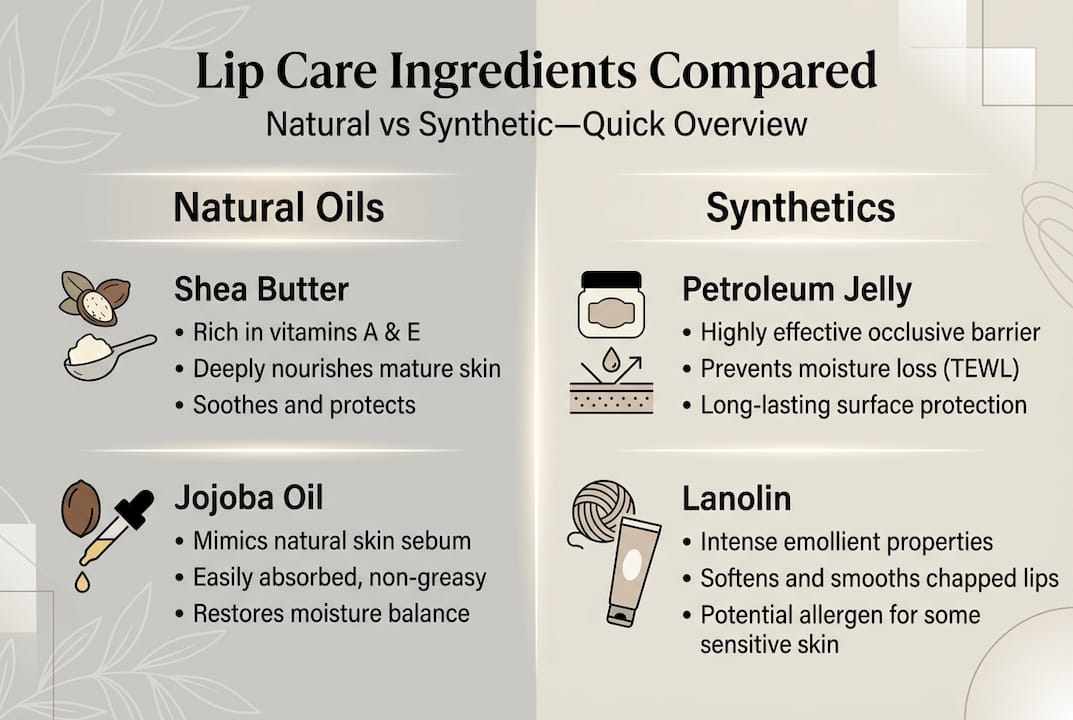
| Ingredient | Type | Pros | Cons |
|---|---|---|---|
| Petroleum jelly | Synthetic | Excellent barrier, very affordable | Occlusive only, doesn’t add moisture |
| Mineral oil | Synthetic | Lightweight, stable | Can feel heavy, purity varies |
| Beeswax | Natural | Great texture, mild barrier | Potential allergen for some |
| Shea butter | Natural | Nutrient-rich, anti-inflammatory | Quality varies by source |
| Synthetic fragrance | Synthetic | Consistent scent | Common irritant, especially for sensitive lips |
| Essential oils | Natural | Antioxidant, aromatic | Can irritate or trigger reactions |
As highlighted in the safe lipstick ingredients guide, some synthetic ingredients can irritate sensitive or aging skin. This is particularly relevant after 40, when the skin barrier becomes more reactive and less resilient. Synthetic fragrance is one of the most common culprits, yet it appears in a huge percentage of mainstream lip products.
On the natural side, it’s not automatically safe either. Certain natural ingredients need verification for purity and allergy risk. Essential oils like peppermint or cinnamon, often marketed as refreshing or plumping, can cause contact dermatitis in sensitive individuals.
Here’s what to watch for on labels:
- Avoid: Synthetic fragrance (listed as “fragrance” or “parfum”), camphor, menthol in high concentrations, and parabens if you have known sensitivities
- Approach with care: Lanolin (common allergen), essential oils in high concentrations, and citrus-derived ingredients
- Prioritize: Certified organic plant butters, cold-pressed oils, and products that list every ingredient transparently
Regulatory standards in Australia (through the TGA) and the EU (through the European Commission’s cosmetics regulations) are among the strictest in the world. Products sold in these regions must meet ingredient safety thresholds that aren’t always required in other markets. That said, reading labels yourself remains your best defense.
Building a targeted lip care routine
Knowing which ingredients to look for is only the start. Let’s make them work in a daily lip care plan.
A consistent routine doesn’t have to be complicated. Four steps, done daily, will deliver noticeable results within two to three weeks.
- Cleanse. Remove old product, food residue, and environmental buildup each morning and night. A gentle oil cleanser or micellar water works well without stripping.
- Exfoliate. Two to three times per week, use a gentle lip scrub to remove dead skin. This allows your treatment products to penetrate more effectively. Don’t over-exfoliate, as this disrupts the barrier.
- Nourish. Apply a treatment product containing emollients, humectants, and natural oils. This is your core step. As research confirms, daily gentle application and reapplication of lip care products support long-term hydration and comfort.
- Protect. Finish with an SPF-containing lip product during the day. UV protection is non-negotiable, especially in Australia.
For layering, apply your thinnest product first (a hyaluronic acid serum or lightweight oil) and seal with a richer balm or butter on top. This traps moisture in rather than just sitting on the surface. Explore lip oil for mature lips as a lightweight first layer that preps lips beautifully before balm.
Seasonal and situational adjustments matter too:
- In winter or dry climates: Switch to a richer formula and apply more frequently. Overnight masks work especially well.
- In summer or high UV: Prioritize SPF and reapply after eating or drinking.
- During travel: Airplane cabins are extremely dehydrating. Apply a generous layer before boarding and reapply mid-flight.
- If on medication: Some medications (like retinoids or antihistamines) increase lip dryness. Increase application frequency and choose fragrance-free formulas.
Don’t overlook the role of lip oils in a modern routine. They sit between a gloss and a treatment, offering shine while delivering real conditioning benefits.
Pro Tip: Drink at least 2 liters of water daily. Topical products work best when your body is hydrated from within. Dry lips are often one of the first visible signs of systemic dehydration.
A smarter approach to lip care for mature women
Here’s an uncomfortable truth most beauty brands won’t tell you: the $3 petroleum balm you’ve been using since your 20s is not doing enough for your lips at 40 and beyond. It never was a treatment. It was always just a barrier. And a barrier alone doesn’t address collagen loss, cell turnover, or the cumulative effects of UV exposure.
We’ve seen women completely transform their lip comfort and appearance simply by switching from a one-ingredient balm to a formula that combines emollients, humectants, and antioxidants. The difference isn’t subtle. It’s visible within weeks.
The “one product fits all” mindset is the biggest obstacle to real results. Your lips in your 40s need a different strategy than they did in your 20s, just like the rest of your skincare. Layering ideal lip gloss textures with richer overnight treatments isn’t indulgent. It’s intelligent skincare.
Ingredient synergy matters more than any single hero ingredient. A formula with shea butter, hyaluronic acid, and vitamin E working together will outperform a product with a high concentration of just one. Think of it as a team, not a solo act. Mature lips deserve that level of attention.
Explore lip solutions tailored for you
You now know exactly what your lips need and why. The next step is finding products that actually deliver those ingredients in the right combinations and textures.
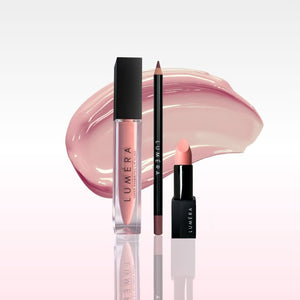
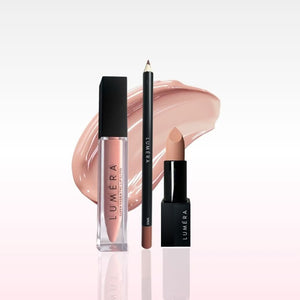
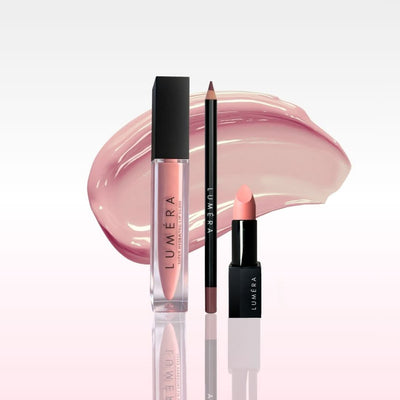
At Luméra Cosmetica, every formula is built around the ingredients that matter most for mature lips: rich emollients, skin-loving oils, and protective antioxidants. The Ultimate Lip Combo kit brings together complementary treatments designed to nourish, protect, and beautify in one curated set. Whether you’re starting fresh or upgrading your current routine, browse the full lip care collection to find options crafted specifically for women who take their lip health seriously.
Frequently asked questions
Which lip care ingredients should women over 40 avoid?
Women over 40 should avoid synthetic fragrances, camphor, and high concentrations of menthol, as some synthetic ingredients irritate sensitive or aging skin. Opt for gentle, natural emollients to minimize irritation and keep lips comfortable.
How do you know if a lip product is safe for sensitive lips?
Look for short, transparent ingredient lists featuring shea butter, jojoba oil, or other known skin-soothers, and note that certain natural ingredients need verification for purity and allergy risk before committing to regular use.
What role do antioxidants play in lip care products?
Antioxidants like vitamin E (tocopherol) neutralize free radicals from UV exposure and pollution, helping to prevent premature aging, dryness, and discoloration on the lips.
How often should I apply lip care products for best results?
Apply lip care products at least three to four times daily, and more often in dry or windy conditions, since daily reapplication supports long-term hydration and comfort for mature lips.