Safe Lipstick Ingredients: The Essential Guide

More than 80 percent of people use lipstick without knowing exactly what goes into each swipe of color. Choosing safe lipstick ingredients matters for more than just beauty, since certain substances can affect your health over time. Understanding what makes a lipstick safe empowers you to shop smarter, prioritize your well-being, and enjoy vibrant looks without worry about hidden risks.
Table of Contents
- What Are Safe Lipstick Ingredients?
- Regulatory Safety Standards Worldwide
- Common Harmful Lipstick Substances
- Characteristics Of Safe Formulations
- Selecting Certified Safe Alternatives
- Risks Avoidance And Practical Tips
Key Takeaways
| Point | Details |
|---|---|
| Understanding Ingredients | Consumers should seek lipsticks with non-toxic, hypoallergenic ingredients, avoiding harmful substances like lead and parabens. |
| Regulatory Safety Standards | Familiarize yourself with the different international regulations that govern cosmetic safety, such as those enforced by the FDA and the European Union. |
| Label Literacy | Always read ingredient lists carefully and choose products from brands that prioritize transparency and safety through independent certifications. |
| Risk Management Practices | Implement proper cosmetic hygiene, including avoiding product sharing and monitoring for changes, to decrease the risk of contamination. |
What Are Safe Lipstick Ingredients?
Understanding safe lipstick ingredients is crucial for maintaining your health and beauty. According to the FDA, makeup products like lipstick are regulated under the Federal Food, Drug, and Cosmetic Act to ensure consumer safety. While cosmetics don’t require premarket approval, color additives must be specifically FDA-approved, creating a baseline of protection for consumers.
A typical safe lipstick formulation includes carefully selected natural and synthetic components designed to provide color, moisture, and texture. As detailed by FDA research, these ingredients typically encompass:
- Oils: Providing smooth application and hydration
- Emollients: Ensuring soft, comfortable wear
- Waxes: Creating structure and stability
- Color Additives: Delivering vibrant pigmentation
When evaluating lipstick safety, consumers should look for ingredients that are non-toxic, hypoallergenic, and free from potential irritants. This means avoiding components like lead, parabens, and certain synthetic chemicals that could potentially cause skin reactions or long-term health concerns. By understanding ingredient lists and choosing products from reputable manufacturers, you can confidently select lipsticks that not only look great but also prioritize your well-being.
For more insights into cosmetic ingredients, check out our Complete Guide to Cosmetic Ingredients.
Regulatory Safety Standards Worldwide
Ensuring cosmetic safety requires comprehensive international regulations that protect consumer health across different markets. European Union regulations represent a gold standard in this arena, with EC Regulation 1223/2009 mandating rigorous safety assessments for cosmetic products, including lipsticks. This regulation requires manufacturers to demonstrate that products are safe for human health under normal and reasonably foreseeable usage conditions.
Global regulatory frameworks typically focus on several critical safety standards to protect consumers:
- Comprehensive ingredient screening
- Toxicological risk assessments
- Mandatory labeling requirements
- Prohibition of harmful chemical compounds
- Regular product safety documentation
International standards like ISO 22715 play a crucial role in harmonizing cosmetic packaging and labeling guidelines worldwide. While these standards are not legally binding, they serve as important benchmarks that help manufacturers maintain consistent safety protocols across different regions. Countries often adapt these international guidelines to create their own specific regulatory frameworks, ensuring that lipstick and other cosmetic products meet stringent health and safety requirements.
Different regions have unique approaches to cosmetic regulation. The United States relies on FDA oversight, the European Union follows strict EC regulations, and other countries like Japan and South Korea have their own detailed cosmetic safety protocols. These variations highlight the global commitment to protecting consumer health through comprehensive regulatory mechanisms.
For a deeper understanding of ingredient safety, explore our Types of Cosmetic Ingredients Guide.
Common Harmful Lipstick Substances
Understanding the potential risks hidden in lipstick formulations is crucial for protecting your health. Academic research has revealed concerning findings about heavy metal contamination in cosmetic products, with lipsticks potentially containing trace amounts of lead at concentrations up to 3.68 mg/kg. While these levels might be below maximum allowable limits, the potential long-term health implications remain a significant concern for consumers.
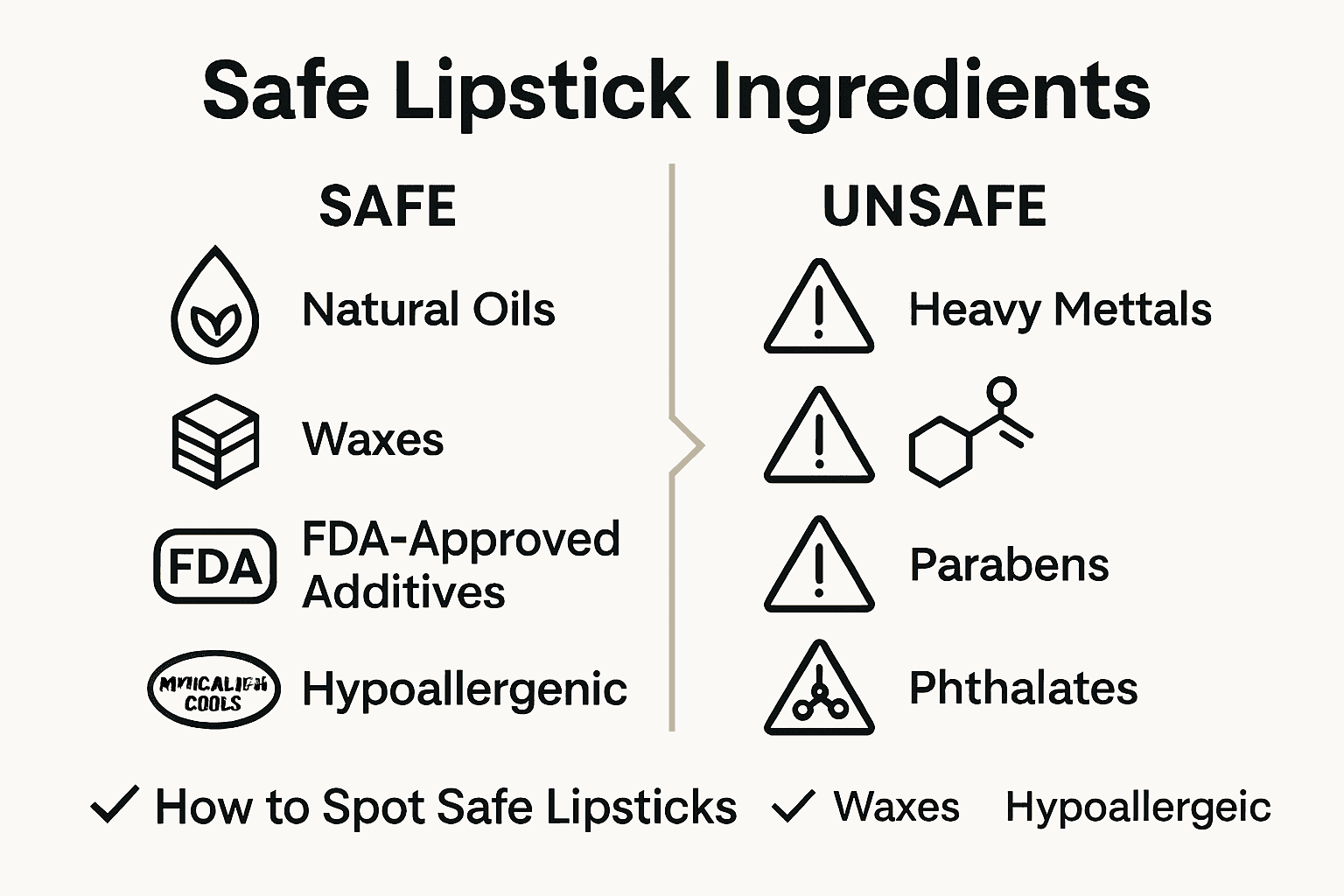
Multiple harmful substances have been identified in lipstick formulations, including:
- Heavy Metals: Lead, cadmium, chromium
- Preservatives: Parabens, formaldehyde
- Synthetic Chemicals: Phthalates, petrochemicals
- Potential Endocrine Disruptors: Certain synthetic compounds
According to research from MedWin Publishers, these substances can potentially trigger serious health issues. The most alarming risks include neurotoxicity, hormonal disruptions, and potential long-term cellular damage. Neurotoxic metals like lead can accumulate in the body over time, potentially causing subtle but significant neurological changes that might not be immediately apparent.
Consumers can protect themselves by becoming informed label readers and choosing lipsticks from brands committed to transparent, safe ingredient lists. Look for products that explicitly avoid known harmful substances and prioritize natural, non-toxic formulations.
 When in doubt, consult environmental health databases or seek recommendations from dermatological professionals.
For more insights into selecting safe cosmetic products, explore our Lip Balm vs Lipstick Guide to understand ingredient distinctions.
Characteristics Of Safe Formulations
Creating safe lipstick formulations requires a meticulous approach to ingredient selection and quality control. FDA guidelines emphasize the importance of using carefully curated base ingredients that prioritize consumer safety, including oils, emollients, waxes, and approved color additives. These foundational components must work together to create a product that is not just aesthetically pleasing, but fundamentally safe for human use.
Key characteristics of a safe lipstick formulation include:
- Non-Toxic Ingredients: Minimal chemical interventions
- Biodegradable Components: Environmentally conscious materials
- Hypoallergenic Composition: Reduced risk of skin reactions
- Natural Surfactants: Gentle, skin-friendly interactions
- Transparent Ingredient Lists: Full disclosure of components
Innovative research from ArXiv highlights the potential of sucrose esters as a breakthrough in safe cosmetic formulations. These biodegradable and non-toxic surfactants derived from natural sources offer remarkable versatility, allowing manufacturers to create lipstick formulations that are both functionally effective and health-conscious. Unlike synthetic alternatives, these natural compounds provide enhanced safety profiles while maintaining the desired aesthetic and performance characteristics consumers expect.
Consumers should look for lipsticks that demonstrate a commitment to comprehensive safety standards. This means seeking out brands that prioritize third-party testing, use organic or natural ingredients, and maintain transparent manufacturing processes. The ideal safe lipstick formulation balances performance, aesthetic appeal, and minimal health risks.
For more detailed insights into selecting high-quality cosmetic products, explore our Lip Balm vs Lipstick Guide which breaks down essential ingredient considerations.
Selecting Certified Safe Alternatives
Navigation of the cosmetic safety landscape requires understanding authoritative resources and certification processes. The Cosmetic Ingredient Review provides critical insights through peer-reviewed assessments that help consumers make informed decisions about lipstick safety. This independent organization systematically evaluates cosmetic ingredients, publishing comprehensive findings that serve as a valuable reference for those seeking scientifically validated product selections.
Consumers can protect themselves by focusing on several key certification strategies:
- Check Official Regulatory Lists: FDA-approved ingredients
- Research Independent Reviews: Third-party safety evaluations
- Verify Ingredient Transparency: Comprehensive labeling
- Look for Scientific Certifications: Dermatologically tested products
- Understand Ingredient Limitations: Potential health interactions
FDA guidelines emphasize the importance of consumer protection in makeup products. While the FDA doesn’t pre-approve cosmetics, they maintain rigorous standards that manufacturers must meet. This means consumers can rely on regulatory oversight to filter out potentially harmful formulations, though personal research remains crucial in making safe selections.
Beyond official certifications, consumers should develop a critical approach to product selection. This involves reading ingredient lists carefully, understanding potential allergens, and staying informed about emerging research in cosmetic safety. Consulting dermatological professionals, following reputable health and beauty resources, and maintaining a skeptical approach to marketing claims can further enhance your ability to choose safe lipstick alternatives.
For more insights into making informed cosmetic choices, explore our Lip Balm vs Lipstick Guide to understand the nuances of product selection.
Risks Avoidance And Practical Tips
Protecting yourself from potential cosmetic risks requires a proactive and informed approach to lipstick usage. FDA guidelines emphasize the critical importance of proper cosmetic hygiene and careful product management. This means being vigilant about product storage, usage, and potential signs of contamination that could compromise your health and safety.
Key strategies for minimizing lipstick-related risks include:
- Avoid Product Sharing: Prevent cross-contamination
- Check Product Condition: Monitor color and smell changes
- Practice Proper Storage: Keep products in cool, dry environments
- Replace Regularly: Discard products after recommended timeframe
- Perform Patch Tests: Check for allergic reactions before full application
FDA recommendations highlight the significance of careful product selection and usage. Consumers should be particularly cautious of products making unverified claims and always follow specific labeling instructions. This means reading ingredient lists carefully, understanding potential allergens, and being skeptical of marketing promises that seem too good to be true.
Additional protective measures involve maintaining strict personal hygiene practices. Never add saliva or water to your lipstick, as this can introduce bacteria and compromise the product’s integrity. Store your cosmetics away from direct sunlight and humidity, and always close containers tightly after use. If you notice any changes in texture, smell, or appearance, it’s best to discard the product immediately to prevent potential skin irritations or infections.
For more comprehensive insights into selecting and maintaining safe cosmetic products, explore our Lip Balm vs Lipstick Guide for expert advice on product care and selection.
Protect Your Smile With Safe Lip Care Solutions
Choosing safe lipstick ingredients matters because your lips deserve the best care without harmful chemicals or surprises. The article highlights key concerns like heavy metals, synthetic preservatives, and allergens that can pose health risks. Your goal is clear: find lip products that prioritize non-toxic, hypoallergenic, and transparent formulations for everyday confidence.
Experience the difference with our specially curated LIP OIL – Luméra Cosmetica collection. These nourishing oils are crafted to soothe and hydrate with safe, natural ingredients that support the health of your lips while adding a beautiful natural shine.
Take control of your lip care now by exploring our full range at Luméra Cosmetica. Trust in products made with transparency and care. Your lips will thank you for choosing safety without compromise.
Frequently Asked Questions
What ingredients should I avoid in lipstick?
It’s important to avoid harmful substances such as heavy metals (like lead and cadmium), parabens, formaldehyde, phthalates, and synthetic chemicals in your lipstick formulation. These ingredients can pose health risks and may cause skin reactions.
How can I ensure that my lipstick is safe to use?
To ensure your lipstick is safe, choose products with non-toxic, hypoallergenic ingredients, check for FDA approval of color additives, and look for transparent labeling that discloses all components. Prioritizing brands that adhere to safety standards can also help.
What are the benefits of using natural ingredients in lipsticks?
Natural ingredients can provide safer formulations that are less likely to cause irritation or adverse health effects. They often offer hydrating and nourishing properties, making lipsticks comfortable to wear while minimizing potential toxic exposure.
How should I store my lipstick to maintain its safety?
Store your lipstick in a cool, dry place away from direct sunlight and humidity. Always ensure the cap is tightly closed to prevent contamination, and regularly check for any changes in color, smell, or consistency that may indicate spoilage.