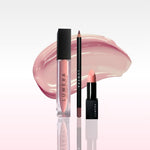
Role of Emollients in Lipstick – Comfort and Hydration Impact

Finding lipstick that truly hydrates mature lips can be a real challenge, especially as dryness becomes more noticeable with age. For Australian and British women, choosing the right formula is crucial for daily comfort. Surprisingly, many popular American lipsticks rely on advanced emollients to create a protective barrier and deliver moisture. This guide uncovers how these ingredients work, revealing which lipstick formulations can provide softer, smoother lips and lasting hydration with every application.
Table of Contents
- What Are Emollients in Lipstick Formulation
- Types of Emollients Used in Lipsticks
- How Emollients Enhance Hydration and Wear
- Texture, Sensory Experience, and Aging Lips
- Common Ingredient Mistakes and Safety Concerns
Key Takeaways
| Point | Details |
|---|---|
| Emollients Enhance Comfort | Emollients improve lipstick formulations by providing hydration and preventing dryness, thus enhancing comfort during wear. |
| Diverse Emollient Sources | Lipstick formulations utilize a variety of emollients, including natural plant oils and synthetic compounds, to achieve optimal texture and moisture. |
| Importance of Ingredient Awareness | Consumers should scrutinize ingredient lists for safety, focusing on formulations with fewer harmful chemicals and more transparent compositions. |
| Addressing Aging Concerns | Emollients in lipstick help counteract the effects of aging on lips, providing hydration and a smoother appearance while reducing fine lines. |
What Are Emollients in Lipstick Formulation
Emollients represent specialized lipstick ingredients designed to enhance comfort and hydration for lip cosmetics. These sophisticated molecules create a protective layer that softens and smooths lip surfaces, providing essential moisture and preventing dryness. Vegetal-derived emollients like coco-caprylate/caprate demonstrate remarkable performance in improving lipstick sensory properties.
At their core, emollients function as advanced skin conditioning agents that transform lipstick formulations from simple color products into sophisticated skincare treatments. These ingredients work by creating a microscopic protective barrier on lip surfaces, sealing in natural moisture and preventing environmental damage. By integrating emollients, cosmetic chemists can dramatically improve lipstick texture, ensuring a smooth application and long-lasting comfort.
Chemically, emollients typically consist of oil-based ingredients that fill spaces between skin cells, resulting in a softer, more supple lip surface. Lipstick emollients prevent lips from drying and cracking by maintaining optimal hydration levels. Common emollient types include plant oils, silicones, and synthetic esters, each offering unique benefits like enhanced spreadability, shine, and skin conditioning.
Pro tip: When selecting a lipstick, look for formulations that specifically highlight their emollient content to ensure maximum lip comfort and hydration.
Types of Emollients Used in Lipsticks
Lipstick formulations feature a diverse range of emollients that contribute unique properties to the final cosmetic product. Natural and synthetic emollients play crucial roles in creating comfortable, hydrating lip color experiences. These specialized ingredients can be categorized into several key groups: natural plant-based oils, synthetic esters, and animal-derived compounds.
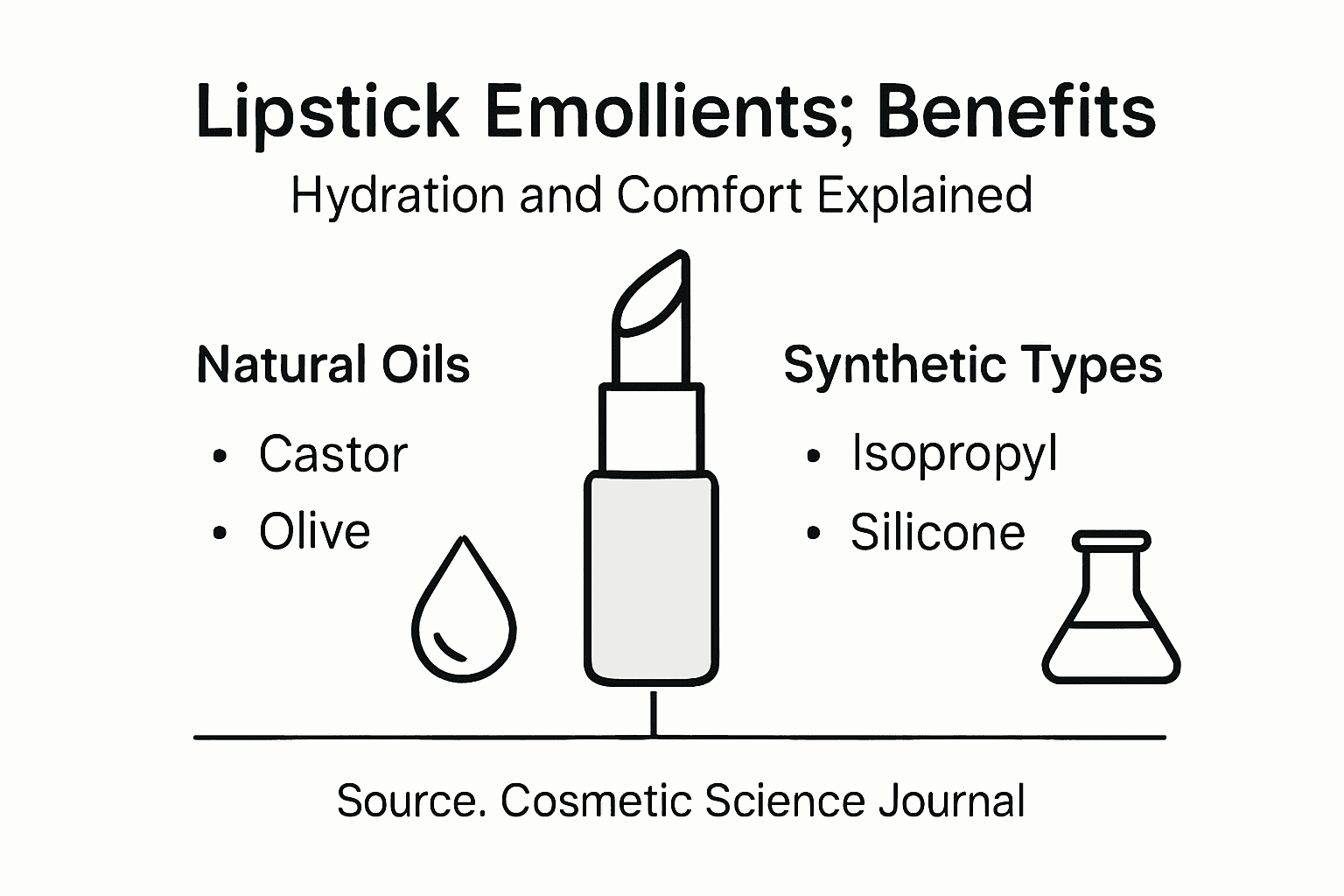
Natural emollients form a significant category in lipstick development. Ingredients like castor oil, olive oil, and herbal extracts provide excellent moisturizing properties. Lipstick formulations incorporate complex emollient combinations that include lanolin, lanolin derivatives, hydrogenated vegetable oils, and various waxes such as beeswax, candelilla wax, and carnauba wax. These natural ingredients help create a smooth texture while delivering essential hydration to lip surfaces.
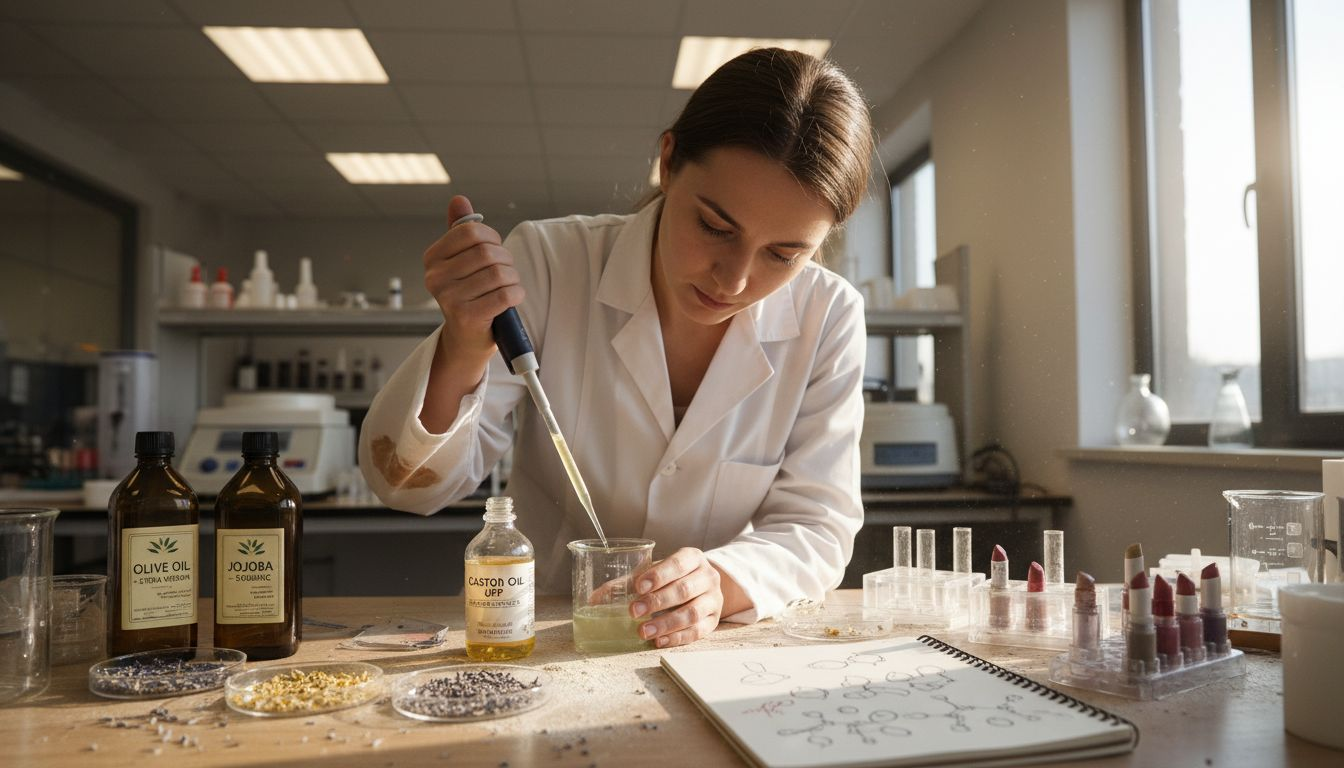
Synthetic emollients complement natural ingredients by offering enhanced performance characteristics. Compounds like isopropyl myristate, cetyl alcohol, and stearyl alcohol provide additional benefits such as improved spreadability, reduced tackiness, and consistent melting points. These scientifically engineered emollients allow cosmetic chemists to fine-tune lipstick formulations, ensuring optimal comfort, longevity, and aesthetic appeal.
Pro tip: When choosing a lipstick, examine the ingredient list and prioritize formulations with a balanced mix of natural and synthetic emollients for maximum lip comfort and hydration.
Here is a comparison of common emollient types used in lipstick formulations and their key effects:
| Emollient Type | Primary Source | Key Benefit | Typical Use in Lipsticks |
|---|---|---|---|
| Plant Oils | Castor, olive, coconut | Deep hydration | Smooth texture and moisture |
| Synthetic Esters | Isopropyl myristate | Improved spreadability | Soft glide and less tackiness |
| Waxes | Beeswax, carnauba | Protective barrier | Long-lasting comfort |
| Lanolin Derivatives | Sheep’s wool | Skin conditioning | Supple, nourished appearance |
How Emollients Enhance Hydration and Wear
Emollients play a critical role in enhancing lipstick performance and user experience by creating a sophisticated protective barrier on lip surfaces. These advanced ingredients work at a molecular level to prevent moisture loss, maintain lip softness, and improve overall lipstick wearability. By forming an invisible yet resilient layer, emollients transform lipstick from a simple color product into a sophisticated hydration solution.
The moisture retention mechanism of emollients is particularly remarkable. They function by filling microscopic spaces between skin cells, creating a smooth, flexible barrier that locks in natural hydration. Emollient formulations significantly impact cosmetic product performance by reducing potential irritation and maintaining consistent lip comfort throughout wear. This process helps prevent lip dryness, cracking, and ensures the lipstick maintains its aesthetic and functional integrity over extended periods.
Beyond hydration, emollients contribute to the sensory experience of lipstick application. They influence pigment dispersion, improve spreadability, and create a luxurious, soft texture that glides smoothly across lip surfaces. The carefully balanced combination of natural and synthetic emollients allows cosmetic chemists to engineer lipsticks that not only look beautiful but feel incredibly comfortable and nourishing.
Pro tip: Test lipstick texture by gently swatching on your hand and observing how smoothly it spreads, which indicates the quality and effectiveness of its emollient composition.
This table summarizes how emollients impact lipstick performance and user experience:
| Function | Impact on Lips | User Experience Improvement | Longevity Effect |
|---|---|---|---|
| Hydration | Prevents dryness | Feels comfortable, soft | Less flaking over time |
| Barrier Formation | Locks in moisture | Smooth application | Color and comfort last |
| Texture Enhancement | Softens appearance | Glides easily, feels rich | Maintains aesthetic appeal |
Texture, Sensory Experience, and Aging Lips
Lipstick emollients play a transformative role in addressing the unique challenges of aging lips, providing more than just color. As skin matures, it loses natural elasticity and moisture retention capabilities, making specialized lipstick formulations crucial for maintaining lip comfort and appearance. These advanced cosmetic technologies help counteract the visible signs of aging by creating a protective, hydrating barrier that enhances both aesthetic and sensory experiences.
The sensory characteristics of lipsticks are intrinsically linked to their emollient composition. Vegetal-derived emollients can mimic luxurious silicone-like textures, delivering a smooth, comfortable application that addresses the specific needs of mature lips. By carefully engineering emulsion structures, cosmetic scientists can create lipsticks that glide effortlessly, reduce visible dryness, and provide a soft, supple finish that helps minimize the appearance of fine lines and textural irregularities.
For individuals experiencing age-related lip changes, emollients offer a sophisticated solution to maintaining lip health and appearance. These ingredients work by filling microscopic surface irregularities, creating an optically smooth appearance and preventing moisture evaporation. The result is a lipstick that not only looks beautiful but actively supports lip resilience, reducing flaking, preventing further dehydration, and supporting the natural repair processes of mature skin.
Pro tip: Select lipsticks with multiple emollient types to ensure comprehensive hydration and a more comfortable wear experience for aging lips.
Common Ingredient Mistakes and Safety Concerns
Lipstick formulations involve complex safety considerations that extend beyond aesthetic appeal, with potential health risks lurking in seemingly innocuous ingredients. Hazardous substances like lead, petrolatum, and phthalates can cause significant health concerns, ranging from skin irritation to potential neurotoxic effects with prolonged exposure. Consumers must remain vigilant about the chemical composition of their cosmetic products, understanding that not all ingredients are created equal.
Safety standards in lipstick production require rigorous testing and careful ingredient selection, particularly when addressing potential allergic reactions and skin sensitivities. Natural and herbal lipstick formulations often present a safer alternative, but even these require comprehensive evaluation. The key lies in understanding ingredient interactions, potential allergens, and the long-term implications of topical chemical exposure.
Ingredient compatibility represents another critical aspect of lipstick safety. Certain chemical combinations can create unexpected reactions, potentially compromising the product’s stability and user safety. Synthetic chemicals, while offering desirable aesthetic properties, can introduce complex health risks that may not be immediately apparent. Professional cosmetic formulators must balance performance, sensory experience, and safety, carefully selecting emollients and other ingredients that meet stringent regulatory standards.
Pro tip: Always check ingredient lists for potential allergens and opt for lipsticks with transparent, minimal chemical compositions to minimize potential health risks.
Discover Lasting Comfort and Hydration with Emollient-Rich Lip Care
If you struggle with dry or aging lips that need more than just color, understanding the role of emollients is the key to true hydration and comfort. Emollients create a protective barrier that locks in moisture and smooths texture, helping you avoid the discomfort of cracking and dryness while enhancing softness and glide. At Luméra Cosmetica, we prioritize these powerful ingredients in formulations that nourish your lips deeply while making your look radiant.
Experience the soothing benefits of carefully crafted lip products like our premium Lip Oil – Luméra Cosmetica that combine natural and synthetic emollients for optimal hydration and wear. Explore our diverse range of options tailored to keep your lips supple and comfortable every day. Visit Luméra Cosmetica now to transform your lip care routine with scientifically designed hydration solutions. Your lips deserve more than color; they deserve true care.
Frequently Asked Questions
What are emollients in lipstick formulations?
Emollients in lipstick are specialized ingredients that enhance comfort and hydration by creating a protective layer on the lips. They help to soften and smooth lip surfaces, preventing dryness and improving the overall texture of the lipstick.
How do emollients affect the hydration of lips?
Emollients work by filling microscopic spaces between skin cells, forming a barrier that locks in moisture. This helps maintain optimal hydration levels, preventing dryness and cracking of the lips, especially in long-wear lip products.
What types of emollients are commonly used in lipsticks?
Common types of emollients in lipsticks include natural plant oils like castor and olive oil, synthetic esters such as isopropyl myristate, and waxes like beeswax. Each type offers unique benefits for hydration, texture, and stability of the product.
How can I choose lipsticks for better comfort and hydration?
When selecting a lipstick, look for formulations that explicitly highlight their emollient content. Prioritize those with a balanced mix of both natural and synthetic emollients to ensure maximum lip comfort and hydration.
Recommended
- Complete Guide to Moisturizing Lipstick Examples – Luméra Cosmetica
- Lip Balm vs Lipstick: Everything You Need to Know – Luméra Cosmetica
- Creamy Lipstick: Comfort and Hydration Explained – Luméra Cosmetica
- Skin‑Friendly Lipstick Ingredients: What Your Lips Really Need – Luméra Cosmetica
- Shea Butter for Hair: Growth, Loss & Personalized Care 2025 | MyHair