Organic Cosmetics Benefits: Natural Beauty for Sensitive Skin

Finding the right cosmetic products can feel overwhelming when sensitive skin reacts to harsh ingredients. Many health-conscious women in Australia and Europe are searching for natural solutions that meet both safety and beauty needs. In fact, over 60 percent of American women now consider the environmental and health impact of their beauty choices. This guide sorts fact from fiction about organic cosmetics, helping you navigate certifications, ingredients, and common myths for a safer daily routine.
Table of Contents
- Defining Organic Cosmetics And Common Myths
- Types Of Organic Cosmetics And Certifications
- Key Ingredients And Their Skin Benefits
- Safety Standards And Allergen Concerns
- Comparing Organic And Conventional Cosmetics
- Mistakes To Avoid When Choosing Organic
Key Takeaways
| Point | Details |
|---|---|
| Understanding Organic Certification | Organic cosmetics must meet specific agricultural and safety regulations to be deemed truly organic and are not automatically safer than conventional products. |
| Key Ingredients Enhance Skin Health | Botanical ingredients like Aloe Vera and Green Tea Extract provide therapeutic benefits for sensitive skin and should be prioritized based on individual needs. |
| Allergen Management is Crucial | Consumers should perform patch tests when trying new organic products, as natural ingredients can still provoke allergic reactions. |
| Avoid Common Misconceptions | Believing that ‘organic’ guarantees complete safety or is entirely chemical-free can lead to unsuitable product choices; always review ingredient lists carefully. |
Defining Organic Cosmetics and Common Myths
Organic cosmetics represent a specialized category of beauty products crafted with naturally sourced ingredients that meet stringent agricultural and production standards. Unlike conventional cosmetics, these products undergo rigorous organic certification processes to ensure their ecological and environmental integrity.
Contrary to popular misconceptions, organic cosmetics are not simply natural products with a green label. The United States Food and Drug Administration clarifies that true organic status requires meeting specific regulatory requirements. These products must demonstrate compliance with both agricultural organic standards and safety regulations. This means an organic cosmetic is not automatically safer or more effective than traditional formulations.
The primary characteristics of authentic organic cosmetics include:
- Ingredients grown without synthetic pesticides
- Minimal processing techniques
- Environmentally sustainable production methods
- Transparent ingredient sourcing
- Certification from recognized organic authorities
Many consumers mistakenly believe all organic cosmetics are completely chemical-free. In reality, organic products can still contain carefully selected synthetic ingredients that meet strict environmental and safety standards. The key is understanding that “organic” refers to ingredient cultivation methods, not a guarantee of absolute purity.
Pro tip: When purchasing organic cosmetics, always check for official certification logos from recognized international standards like COSMOS to ensure genuine organic credentials.
Types of Organic Cosmetics and Certifications
Organic cosmetics are classified into distinct categories based on their ingredient composition and certification standards from international organizations. The United States Department of Agriculture (USDA) establishes four primary classification levels for organic cosmetic products, each representing a different threshold of organic ingredient content.
These certification levels provide transparent guidelines for consumers seeking genuine organic beauty products:
- 100% Organic: Contains exclusively organic ingredients
- Organic: Contains at least 95% organic ingredients
- Made with Organic Ingredients: Contains at least 70% organic ingredients
- Organic Ingredients Listed: Contains less than 70% organic ingredients
Beyond USDA standards, international certification bodies like COSMOS play a crucial role in defining organic cosmetic requirements. These organizations establish comprehensive guidelines that extend beyond ingredient percentages, examining production methods, environmental sustainability, and ethical sourcing practices. Certification involves rigorous auditing of manufacturing processes, ingredient origins, and ecological impact.
Consumers seeking authentic organic cosmetics should look for specific certification logos from recognized international standards. Each certification represents a unique approach to defining organic integrity, with some focusing on agricultural practices while others emphasize overall environmental sustainability and ethical production methods.
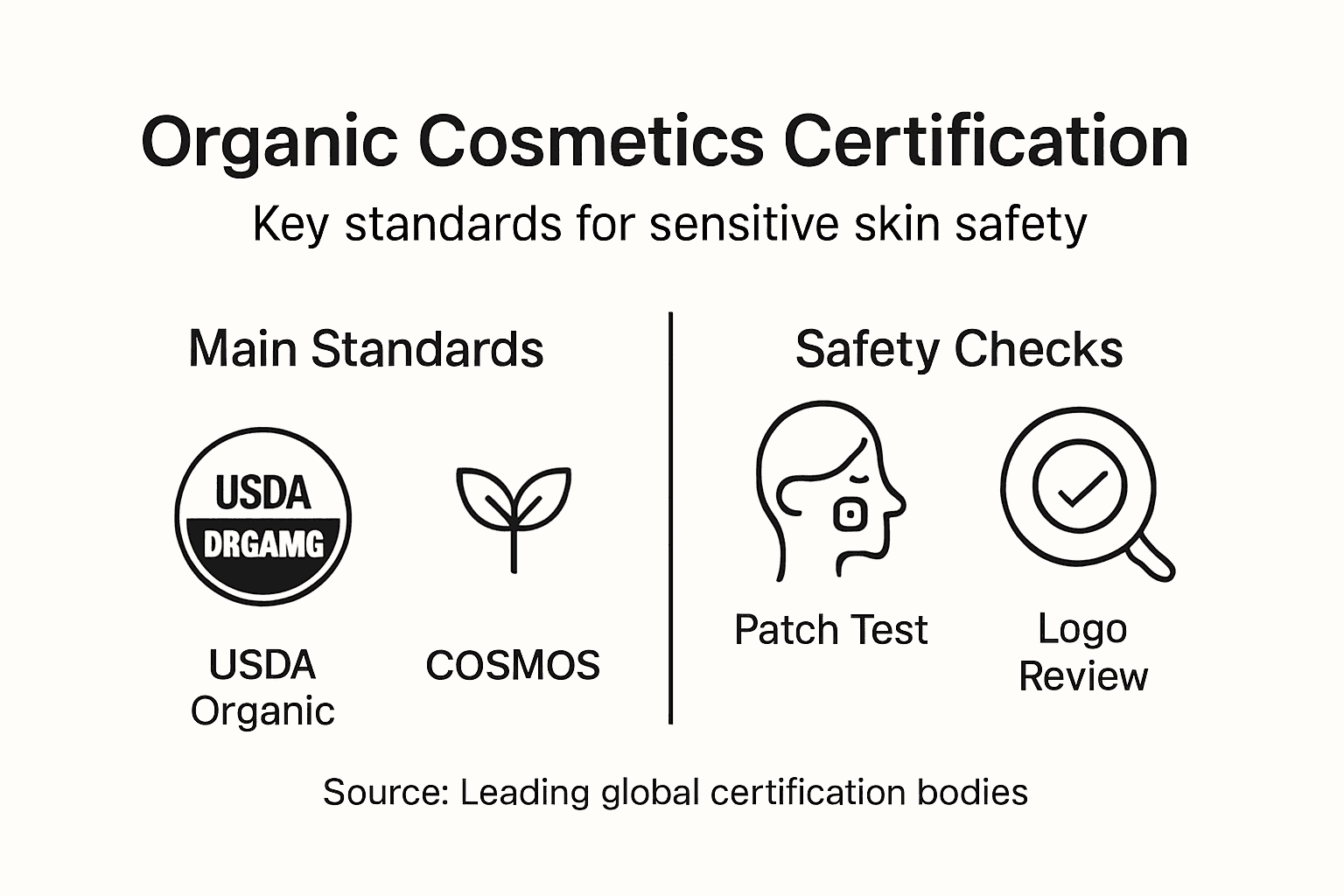
Pro tip: Always examine the specific certification logo on organic cosmetic packaging to understand the precise organic content and production standards.
Here is a quick reference comparing major organic cosmetic certification labels and what each signifies:
| Certification Body | Organic Content Requirement | Focus Areas |
|---|---|---|
| USDA Organic | 95%+ organic ingredients | Ingredient sourcing, minimal processing |
| COSMOS | 95% natural/organic, strict synthetic limits | Environmental impact, manufacturing ethics |
| ECOCERT | 95% natural origin, 10% organic minimum | Sustainability, traceability |
| NSF/ANSI 305 | 70%+ organic ingredients | Personal care labeling standards |
Key Ingredients and Their Skin Benefits
Organic cosmetics harness the power of botanical ingredients that offer remarkable benefits for sensitive skin, addressing multiple skin health concerns naturally. These plant-based components provide a holistic approach to skincare, combining therapeutic properties with gentle, non-invasive treatment methods.
Key botanical ingredients renowned for their skin-nurturing properties include:
- Aloe Vera: Exceptional for soothing inflammation and promoting healing
- Green Tea Extract: Powerful antioxidant that combats signs of aging
- Turmeric: Reduces skin inflammation and supports natural skin repair
- Chamomile: Calms sensitive skin and reduces redness
- Rosehip Oil: Deeply moisturizes and supports skin regeneration
Each botanical ingredient brings unique benefits tailored to different skin concerns. Aloe vera, for instance, contains anti-inflammatory compounds that help reduce skin irritation and support healing processes. Green tea extract works at a cellular level, neutralizing free radicals and preventing oxidative stress that contributes to premature aging. Turmeric offers antimicrobial properties that help maintain skin clarity and reduce potential bacterial issues.
Women with sensitive skin can particularly benefit from these natural ingredients, as they provide therapeutic effects without the harsh chemicals found in conventional cosmetics. The carefully selected botanical components work synergistically to support skin health, improve hydration, and enhance overall skin resilience.
Pro tip: When selecting organic skincare products, prioritize ingredients that match your specific skin concerns and always perform a patch test to ensure compatibility.
Safety Standards and Allergen Concerns
Organic cosmetics are subject to rigorous safety assessment and regulatory guidelines designed to protect consumers from potential health risks. International standards like ISO 16128-2:2017 provide comprehensive frameworks that ensure ingredient safety, transparency, and allergen management for sensitive skin populations.
Key safety considerations for organic cosmetics include:
- Comprehensive ingredient screening
- Detailed allergen risk assessment
- Restricted use of potentially harmful synthetic chemicals
- Mandatory transparency in ingredient sourcing
- Periodic safety review and certification processes
The potential health risks associated with synthetic cosmetic ingredients are significant. Research indicates chronic exposure to certain chemical compounds can potentially trigger long-term health complications, including endocrine disruption and increased cancer risks. Organic cosmetics offer a proactive approach by prioritizing natural ingredients with proven safety profiles and minimizing exposure to synthetic chemical additives.
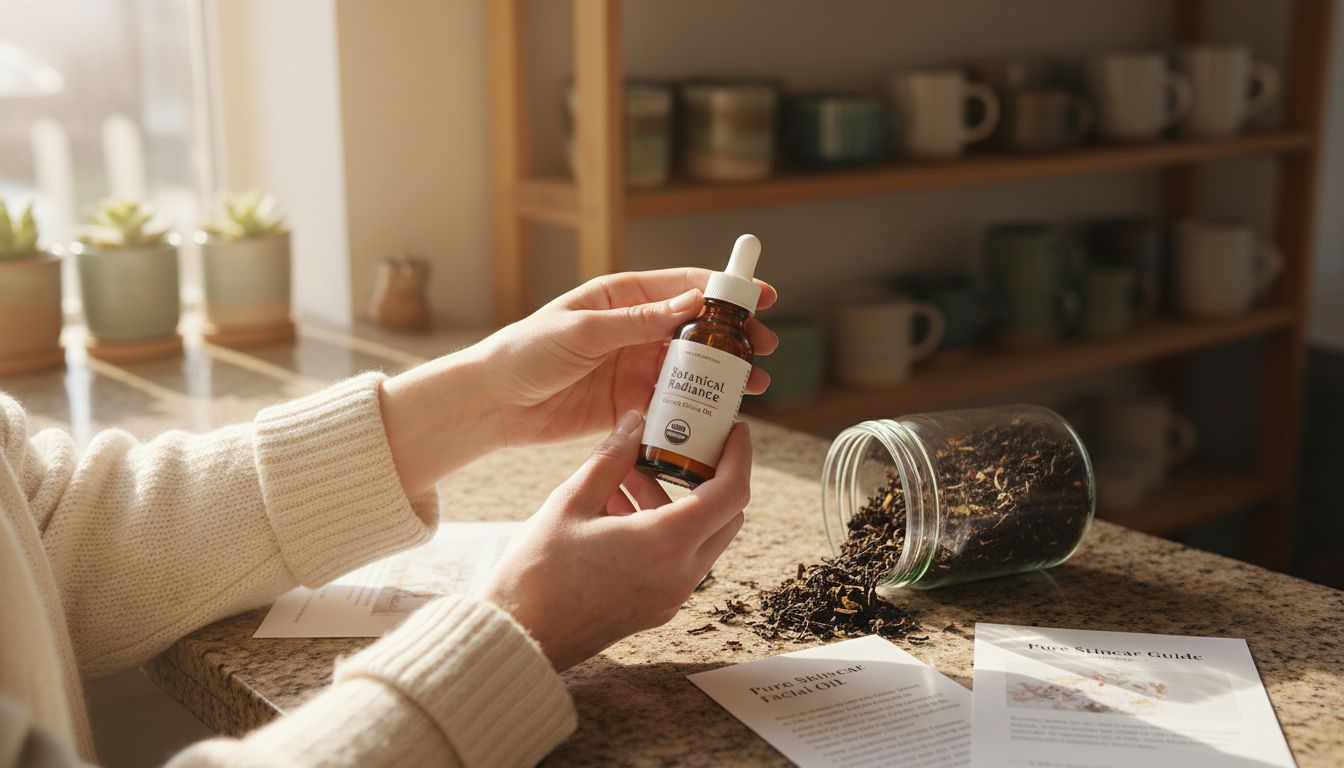
For women with sensitive skin, understanding allergen risks becomes paramount. Natural ingredients, while generally safer, can still trigger individual allergic responses. Consumers should carefully review ingredient lists, conduct patch tests, and consult healthcare professionals when introducing new skincare products, especially those with pre-existing skin sensitivities or allergic conditions.
Pro tip: Always perform a 24-hour patch test with new organic skincare products and keep a detailed record of ingredient reactions to build personal allergen awareness.
Comparing Organic and Conventional Cosmetics
Cosmetic products differ substantially based on their ingredient composition and manufacturing approach. While both organic and conventional cosmetics must adhere to safety regulations, they diverge significantly in ingredient sourcing, chemical complexity, and potential long-term health implications.
Key differences between organic and conventional cosmetics include:
-
Ingredient Origin:
- Organic: Plant-based, minimally processed ingredients
- Conventional: Predominantly synthetic, petrochemical-derived substances
-
Chemical Complexity:
- Organic: Fewer synthetic additives
- Conventional: More complex chemical compositions
-
Potential Skin Impact:
- Organic: Generally gentler, fewer potential irritants
- Conventional: Higher likelihood of allergic reactions
Conventional cosmetics often contain synthetic preservatives, artificial fragrances, and chemical stabilizers that may trigger skin sensitivities or hormonal disruptions. These ingredients, while approved for use, can potentially accumulate in the body over time. Organic cosmetics, by contrast, prioritize natural ingredient profiles that minimize exposure to potentially harmful synthetic compounds.
For women with sensitive skin, the choice between organic and conventional cosmetics is not just about marketing claims but understanding individual skin responses. While organic products are not inherently superior, they offer a more natural approach to skincare that reduces exposure to potentially problematic synthetic chemicals.
Pro tip: Conduct a personal ingredient audit by comparing the ingredient lists of your current cosmetics with organic alternatives to understand potential chemical exposures.
The table below highlights key differences in effects and health considerations between organic and conventional cosmetics:
| Aspect | Organic Cosmetics | Conventional Cosmetics |
|---|---|---|
| Irritation potential | Lower, gentler botanicals | Higher, more synthetic additives |
| Long-term exposure risk | Reduced chemical accumulation | Possible cumulative toxicants |
| Allergen sources | Naturally occurring (plants) | Artificial fragrances, preservatives |
| Environmental impact | Lower, eco-conscious methods | Higher, larger carbon footprint |
Mistakes to Avoid When Choosing Organic
Understanding common pitfalls is crucial when selecting organic cosmetics, especially for women with sensitive skin. Navigating organic cosmetic labeling requires careful consideration to ensure product quality and personal safety.
Common mistakes consumers frequently make include:
- Assuming “organic” automatically means 100% safe
- Overlooking ingredient lists
- Believing all natural ingredients are hypoallergenic
- Ignoring personal skin sensitivities
- Misinterpreting certification labels
- Failing to perform patch tests
Many consumers mistakenly believe that organic certification guarantees complete safety. However, natural ingredients can still trigger allergic reactions or skin sensitivities. Some organic products might contain botanical extracts that cause irritation, particularly for individuals with reactive skin. Understanding that “organic” refers to ingredient sourcing, not absolute safety, is critical for making informed skincare choices.
Preservative misunderstandings represent another significant challenge. Contrary to popular belief, well-formulated organic cosmetics require safe preservatives to prevent microbial contamination. Consumers who demand entirely preservative-free products risk using potentially dangerous, unstable formulations. Educated selection involves understanding preservative necessity and choosing products with scientifically validated, skin-friendly preservation systems.
Pro tip: Develop a personal ingredient tracking system by documenting skin reactions and creating a personalized database of compatible organic cosmetic ingredients.
Discover Gentle Organic Beauty Solutions for Sensitive Skin
Managing sensitive skin means choosing products with care. This article highlights crucial organic cosmetic benefits like soothing botanical ingredients and reduced chemical exposure. If you seek natural radiance without irritation, explore our curated collection of Face Makeup for Every Skin Type | Natural Radiance by Luméra Cosmetica, designed to nourish and protect delicate skin.

Embrace skincare that understands your unique needs. At Luméra Cosmetica, we offer cosmetics crafted with transparency and gentle ingredients that align with your organic beauty goals. Don’t wait to transform your routine with products thoughtfully made for sensitive skin. Start your journey today and visit our LIP OIL – Luméra Cosmetica range for an additional touch of natural care.
Frequently Asked Questions
What are the benefits of using organic cosmetics for sensitive skin?
Organic cosmetics use natural, plant-based ingredients that are generally gentler on the skin. They often have fewer synthetic additives, which can reduce the risk of irritation and allergic reactions, making them a better choice for sensitive skin.
Are all ingredients in organic cosmetics completely chemical-free?
No, not all organic cosmetics are entirely chemical-free. While they prioritize natural ingredients, some may still include carefully selected synthetic components that meet strict safety and environmental standards.
How can I determine if an organic cosmetic product is genuinely organic?
Look for certification logos from recognized standards, such as USDA Organic or COSMOS, on the product packaging. These logos indicate that the product meets specific organic ingredient content and production criteria.
What precautions should I take when trying new organic cosmetics?
Always perform a patch test before using a new organic product, especially if you have sensitive skin. Apply a small amount to a discreet area and wait 24 hours to check for any adverse reactions.
Recommended
- Role of Natural Oils for Lips: Complete Guide – Luméra Cosmetica
- Skin‑Friendly Lipstick Ingredients: What Your Lips Really Need – Luméra Cosmetica
- Types of Cosmetic Ingredients: Complete Guide – Luméra Cosmetica
- 7 Steps to a Smart Cosmetic Ingredients Checklist for Women 40+ – Luméra Cosmetica
- Le Tinte Naturali per Capelli: Come Affrontare l’Estate e i Loro Benefici - Parrucchiere Organic Milano