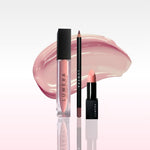
Shimmering Lip Gloss: Enhancing Beauty for Sensitive Skin

Finding a shimmering lip gloss that flatters mature lips without causing irritation can feel like searching for a hidden gem. Modern glosses for sensitive skin now balance radiant shine with nourishing ingredients like vitamin E, hyaluronic acid, and plant oils, so you no longer have to choose between comfort and style. This guide reveals how to select the right shimmering gloss that enhances your beauty and pampers delicate lips, whether you live in the UK or Australia.
Table of Contents
- Defining Shimmering Lip Gloss And Common Myths
- Types Of Shimmering Lip Gloss For Skin Sensitivity
- Essential Moisturizing And Soothing Ingredients
- How To Avoid Irritation And Allergic Reactions
- Comparing Shimmer Lip Gloss Alternatives And Mistakes To Avoid
Key Takeaways
| Point | Details |
|---|---|
| Understanding Modern Formulations | Today’s shimmering lip glosses feature lightweight, nourishing ingredients designed for comfort and protection, especially for mature or sensitive lips. |
| Debunking Myths | Common misconceptions about lip gloss being sticky, short-lasting, or irritating are increasingly inaccurate with advancements in product formulations. |
| Ingredient Importance | Prioritize glosses that contain moisturizing and soothing ingredients like Hyaluronic Acid and Jojoba Oil, while avoiding irritants such as artificial fragrances and synthetic dyes. |
| Testing for Sensitivity | Always patch test new lip gloss products on your inner wrist to identify potential allergic reactions before applying them to your lips. |
Defining shimmering lip gloss and common myths
Shimmering lip gloss is a cosmetic product designed to add shine, color, and a luminous finish to your lips. Unlike matte lipsticks, gloss products deliver a glossy, reflective appearance that catches light beautifully. The magic lies in how it enhances your natural lip color while providing that coveted wet-look finish.
The history of lip gloss traces back further than many realize. The concept originated with commercial lip gloss products developed in the 1930s, marking the beginning of modern lip care aesthetics. Since then, formulations have evolved dramatically to meet diverse skin needs.
Modern Lip Gloss Ingredients
Today’s shimmering lip glosses contain carefully selected components that balance beauty with comfort:
- Natural oils like olive oil and beeswax that nourish and moisturize
- Pigments that provide color depth and shimmer effects
- Sunblock ingredients that protect against UV damage
- Emollients that create the smooth, slippery texture
These ingredients work together to create products that feel luxurious without feeling sticky or uncomfortable on your mature lips.
Busting Common Myths
Misconceptions about lip gloss have circulated for years. Let’s address what women in their 40s and beyond actually need to know:
Myth 1: Lip gloss is always sticky and uncomfortable. Modern formulations have evolved significantly, with many brands now offering lightweight textures that feel barely-there. Quality products provide shine without that tacky feeling that made older glosses unpopular.
Myth 2: Lip gloss doesn’t last long on your lips. While true of some budget products, professional-grade glosses can last several hours, especially when applied over a lip base. Your wear time depends on the formulation quality.
Myth 3: Lip gloss irritates sensitive skin. This myth persists because older formulations sometimes contained harsh ingredients. Contemporary products, particularly those formulated for sensitive skin, include soothing botanicals and gentle emollients that actually nourish rather than irritate.
Quality shimmering lip glosses for sensitive skin have evolved far beyond the uncomfortable products your mother may have worn.
Myth 4: All glosses feel heavy and suffocating. Lightweight formulations now exist that provide shine without weighing down your lips or feeling thick. The texture and finish vary widely depending on the brand and specific product line.
Understanding what’s fact versus fiction helps you choose products that truly work for your skin type. Your age brings wisdom about what products actually deliver results, not just promises.
Pro tip: Test any new gloss on your inner wrist first to check for sensitivities, since your wrist skin mirrors your lips’ delicate nature. Wait 15 minutes before applying to your lips to catch any potential irritation early.
Types of shimmering lip gloss for skin sensitivity
Not all shimmering lip glosses are created equal, especially when your lips demand gentle care. Finding the right formula for sensitive skin requires understanding the different types available and what makes each one work for delicate lips.
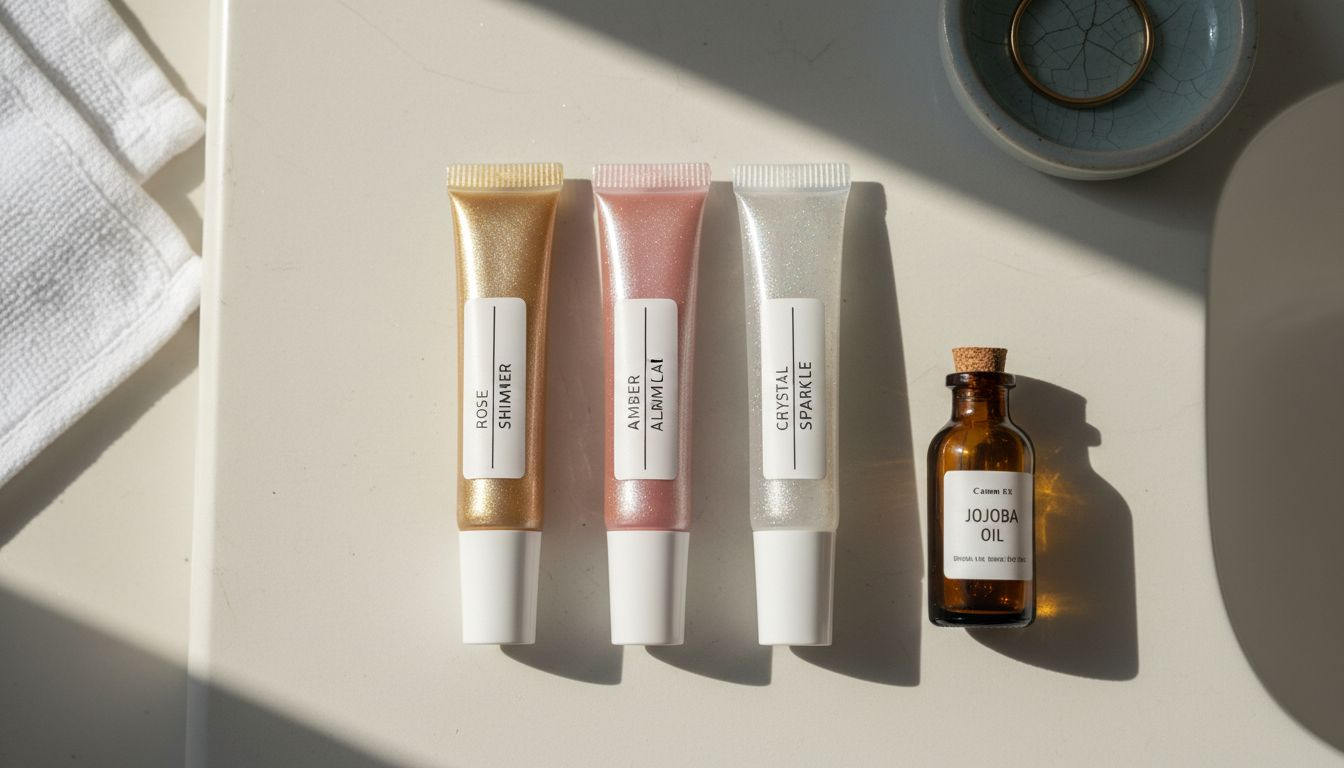
Sensitivity-friendly glosses come in several distinct categories, each designed to minimize irritation while delivering that sought-after shimmer. The key difference lies in their formulation philosophy—what they include and, more importantly, what they exclude.
Hypoallergenic Formulations
Hypoallergenic glosses are specifically engineered to reduce allergic reactions. These products typically exclude common irritants that trigger sensitivity in mature skin.
Look for glosses that feature:
- Fragrance-free or minimal scent profiles
- Dyes derived from natural sources rather than synthetic colorants
- Preservative systems that don’t cause irritation
- Patch-tested formulations on sensitive skin
These glosses work exceptionally well for women experiencing reactivity to standard cosmetic products. Many brands now offer hypoallergenic lines specifically marketed toward sensitive skin, making them easier to identify.
Nourishing Oil-Based Glosses
Oil-based shimmer glosses deliver both shine and hydration simultaneously. Rather than sitting on your lips, these formulations absorb into delicate tissue while creating that coveted glossy finish.
Common nourishing ingredients include:
- Vitamin E for antioxidant protection
- Hyaluronic acid for moisture retention
- Plant oils like jojoba, argan, and rosehip
- Beeswax for protective barriers
Formulations featuring these soothing ingredients minimize irritation while nourishing your lips. Oil-based glosses feel weightless compared to older gel-style products, making them ideal for all-day wear without discomfort.
Sheer and Tinted Options
Not every sensitive-skin application requires bold color. Sheer shimmer glosses offer a natural look with buildable coverage that won’t overwhelm delicate lips.
These lighter formulations provide:
- Minimal pigment load on sensitive tissue
- Flexibility to customize intensity through layering
- Natural-looking results that enhance rather than mask
- Lower risk of ingredient sensitivity due to fewer additives
Tinted versions bridge the gap between sheer shimmer and full color, offering subtle definition without harsh pigments. This makes them perfect for professional settings where you want polish without drama.
Water-Based and Silicone-Free Alternatives
For some women, even light oils can feel heavy. Water-based glosses provide shine using alternative technologies that feel barely-there on your lips.
These formulations often skip heavy silicones, which can occasionally trigger sensitivity. Instead, they use plant-derived polymers and lightweight emollients that create shine without weight. The trade-off? They may not last quite as long as oil-based versions, but many find the comfort worth it.
The best shimmering lip gloss for sensitive skin matches both your sensitivity triggers and your preferred texture and finish.
Choosing between these types depends on your individual needs. Some women thrive with nourishing oil-based glosses, while others prefer lightweight, water-based alternatives. The type that works beautifully for your friend may not work for your unique lip chemistry.
To help clarify your options, here’s how four types of shimmering lip gloss for sensitive skin compare:
| Type | Key Benefits | Common Uses | Typical Drawbacks |
|---|---|---|---|
| Hypoallergenic | Reduces allergy risk | For highly sensitive lips | Limited color variety |
| Oil-Based | Deep hydration and shine | Dry or mature lips | May feel greasy for some |
| Sheer/Tinted | Subtle color, lightweight feel | Day-to-day natural look | Shorter wear time |
| Water-Based | Ultra-light, avoids silicones | For silicone-sensitive users | Less lasting power |
Pro tip: Start with single-ingredient or minimalist formulations when testing new glosses, then gradually introduce more complex products once you identify your specific sensitivities.
Essential moisturizing and soothing ingredients
The difference between a lip gloss that irritates and one that soothes comes down to ingredient selection. For sensitive skin, certain ingredients actively work to hydrate, protect, and calm rather than inflame.
Understanding what to look for transforms your shopping experience from guesswork into informed decision-making. These ingredients aren’t marketing buzzwords—they’re science-backed solutions specifically chosen for delicate lips.
Powerhouse Moisturizers
Your sensitive lips need consistent hydration to maintain their barrier function. Hyaluronic acid acts like a moisture magnet, holding up to 1000 times its weight in water and plumping your lips from within.
Jojoba oil performs double duty as both moisturizer and humectant. This plant-derived oil closely mimics your skin’s natural sebum, making it exceptionally compatible with sensitive tissue. Your lips accept it readily without triggering inflammation.
Other essential moisturizers include:
- Glycerin for water retention and smooth texture
- Plant-based oils like argan, rosehip, and coconut for deep nourishment
- Shea butter for lasting hydration without heaviness
- Aloe vera for both moisture and soothing properties
These ingredients work synergistically to prevent the dryness and irritation that often plague sensitive lips in harsh weather or during seasonal changes.
Here’s a quick reference of moisturizing and soothing ingredients to look for in shimmer lip gloss:
| Ingredient | Main Function | Compatibility |
|---|---|---|
| Hyaluronic Acid | Attracts moisture | All skin types |
| Jojoba Oil | Mimics natural sebum | Sensitive skin |
| Vitamin E | Calms inflammation | Irritated lips |
| Shea Butter | Long-lasting hydration | Dry, mature lips |
| Aloe Vera | Soothes and moisturizes | Reactive skin |
Protective Barriers
Beeswax and plant waxes create a protective seal that locks in moisture while defending against environmental stressors. Think of them as a gentle shield rather than a suffocating layer.
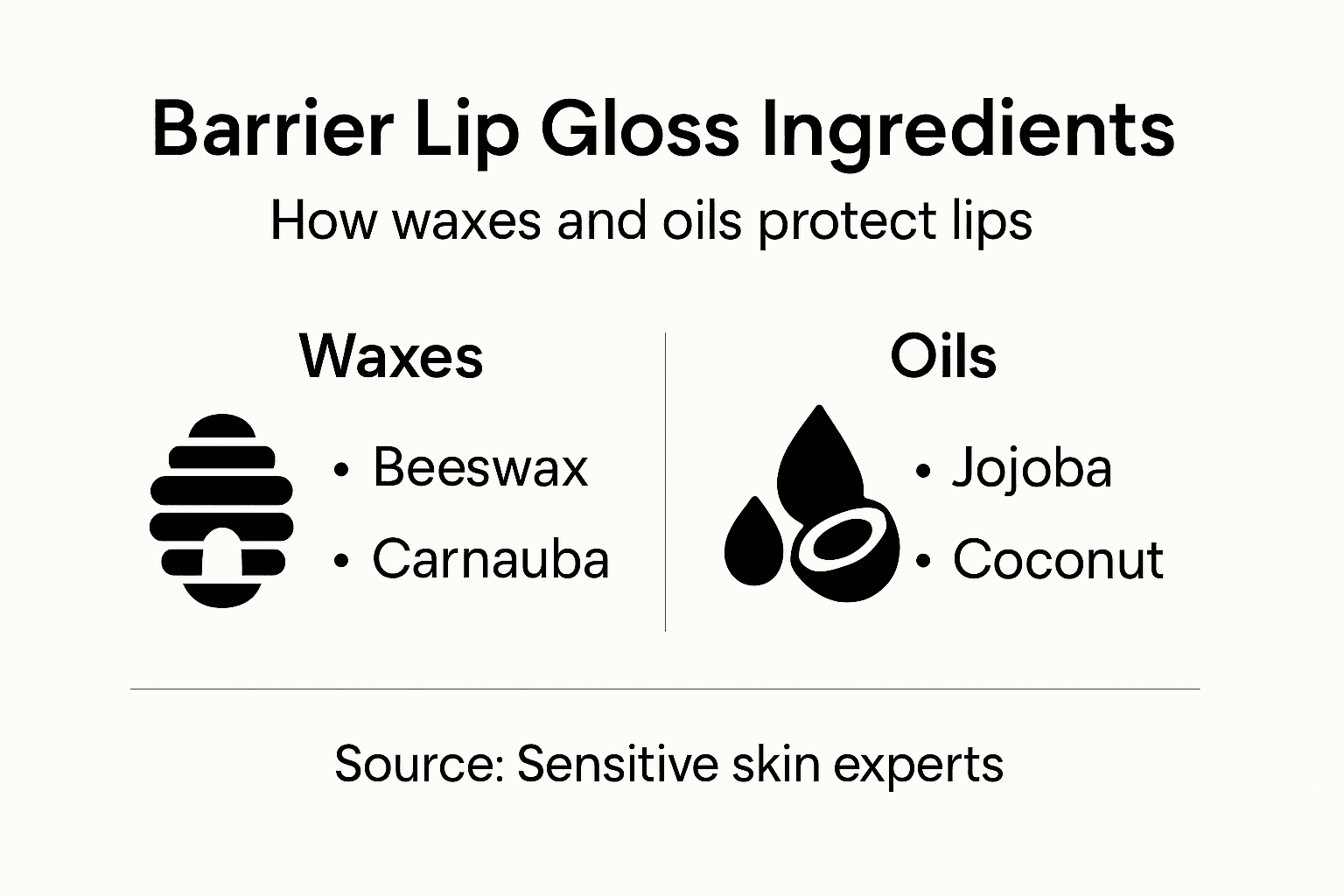
These waxes allow your lips to breathe while maintaining hydration levels. They’re particularly valuable during winter months or when you spend time in air-conditioned environments.
Soothing and Calming Agents
When sensitivity flares, your lips need ingredients that actively reduce inflammation. Vitamin E provides powerful antioxidant protection while calming irritated tissue.
Emollients within formulations help reduce friction and skin stress. Natural botanical extracts like chamomile, calendula, and green tea offer time-tested soothing properties that your grandmother’s lip balm probably lacked.
These plant-derived ingredients work gently without the harshness of synthetic soothing agents.
Ingredients to Avoid
What’s absent from your gloss matters as much as what’s included. Formulations designed for sensitive skin specifically exclude:
- Artificial fragrances and essential oils that trigger reactions
- Synthetic dyes and colorants
- Alcohol-based preservatives
- Menthol and camphor (which feel cooling but can irritate)
- Salicylic acid and other active exfoliants
The best shimmering lip glosses for sensitive skin prioritize what soothes over what dazzles.
Reading ingredient lists backward reveals formulation priorities. The first few ingredients represent the bulk of the product, so prioritize glosses listing moisturizers and soothing agents at the top.
Pro tip: Create a personal ingredient list of what your lips tolerate well and what triggers reactions, then cross-reference against product labels before purchasing.
How to avoid irritation and allergic reactions
Sensitive lips deserve protection, not just products. Understanding how allergic reactions develop helps you prevent them before they start, saving yourself from discomfort and frustration.
Allergic contact cheilitis from lip cosmetics is more common than you might think. Reactions present as redness, scaling, or swelling that can range from mild irritation to significant blistering. The culprits? Often fragrances, preservatives, and synthetic dyes.
Identify Your Triggers
Not every ingredient bothers every person. Your specific sensitivities depend on your unique lip chemistry and past reactions.
Start by documenting which products have caused problems:
- Note the brand, specific product, and ingredients listed
- Track symptoms (redness, itching, swelling, dryness)
- Record how quickly reactions appeared
- Identify timing patterns (reactions after first use or after repeated exposure)
This personal history becomes invaluable when shopping. You’ll recognize problematic ingredients instead of repeating past mistakes.
Patch Testing Before Full Application
Patch testing catches allergic reactions before they affect your visible lips. Apply a small amount inside your wrist or behind your ear—areas with similar skin sensitivity to your lips.
Wait 24-48 hours before using the product on your lips. If redness, itching, or swelling develops on your test area, skip that gloss entirely. This simple step prevents unnecessary lip inflammation.
Choose Wisely From the Start
Prevention beats treatment every time. Prioritize glosses with specific protective features:
- Fragrance-free formulations eliminate one major irritant category
- Hypoallergenic certification indicates dermatologist testing
- Minimal ingredient lists reduce reaction triggers
- Preservative systems designed for sensitive skin
- Natural dyes instead of synthetic colorants
Reading ingredient lists becomes a habit worth developing. The first five ingredients carry the most weight in determining potential reactions.
Read Labels Like Your Comfort Depends on It
It does. Look beyond marketing claims to actual ingredients. “Natural” doesn’t guarantee gentleness, and “dermatologist-tested” matters only if testing specifically included sensitive skin.
Avoid these common irritants:
- Essential oils and fragrance compounds
- Alcohol or alcohol denat (denatured alcohol)
- Synthetic dyes like CI 19140 or CI 16035
- Preservatives like formaldehyde releasers
- Salicylic acid or benzoyl peroxide
Your lips remember every irritating product you’ve tried, so choose carefully the first time.
Know When to Seek Professional Help
Persistent reactions warrant dermatological consultation. If a reaction lasts beyond a few hours after removing the product, or if it worsens despite avoidance, see a dermatologist.
They can perform patch testing to identify specific allergens and recommend prescription-strength solutions if needed. This professional guidance prevents years of trial-and-error frustration.
Switching Strategies
When introducing a new gloss to your routine, don’t replace your current product immediately. Use the new gloss for several days while continuing to patch test.
This graduated approach reveals incompatibilities gradually rather than suddenly leaving you without usable lip products.
Pro tip: Keep a digital or physical record of products your lips tolerate well, including exact brand names and product lines, so you can repurchase with confidence.
Comparing shimmer lip gloss alternatives and mistakes to avoid
Shimmering lip glosses aren’t your only option for achieving luminous lips. Understanding what alternatives exist and recognizing common pitfalls helps you make choices that prioritize your lip health over fleeting trends.
Women over 40 have invested years learning what works for their skin. Applying that wisdom to shimmer gloss selection means avoiding expensive mistakes and choosing products that actually deliver results.
Alternatives to Traditional Shimmer Gloss
Lip stains and tints offer color without the glossy finish. They provide longer wear time and don’t accumulate buildup like glosses can, making them ideal for days when you want minimal reapplication.
Lip balms with subtle shimmer deliver hydration as their primary function, with shine as a bonus benefit. These work exceptionally well for sensitive skin because they prioritize nourishment over sparkle.
Matte liquid lipsticks provide bold color without gloss, though they typically lack moisturizing properties. For sensitive lips, they require careful ingredient selection.
Other viable options include:
- Glossy lip oils that provide shine without pigment
- Luminizing lip pencils for precision with subtle shimmer
- Hydrating lip masks that deliver both moisture and light shine
- Natural lip stains from plant-based sources
Each alternative addresses different needs. The key is matching the product to your specific priorities.
Mistakes That Damage Sensitive Lips
Mistake 1: Prioritizing appearance over ingredients. Beautiful packaging and trendy finishes won’t matter if they leave your lips irritated and uncomfortable. Choosing glosses based solely on aesthetic appeal ignores critical ingredient safety concerns that directly affect your skin’s wellbeing.
Mistake 2: Over-applying gloss. More product doesn’t mean better results. Excessive application creates buildup, traps bacteria, and increases irritation risk. A thin, even layer delivers shine without compromising comfort.
Mistake 3: Skipping patch testing. Testing feels like an extra step, but it prevents weeks of discomfort. Those 24-48 hours reveal whether a product will irritate your specific lips.
Mistake 4: Ignoring ingredient lists. Assuming “natural” means “safe” or believing marketing claims without verification leads to repeated disappointment. Synthetic dyes, alcohol, and fragrance compounds still appear in products labeled as sensitive-skin friendly.
Mistake 5: Never switching products. Loyalty to underperforming products wastes time and money. Your lips deserve formulations that actually work, not ones you’ve settled for.
The best shimmer lip gloss alternative or traditional gloss prioritizes your lip health before anything else.
What to Compare When Evaluating Options
Create a simple comparison system:
- List ingredients in order of concentration
- Check for your known irritants
- Review certifications (hypoallergenic, dermatologist-tested)
- Compare price-per-ounce for value
- Read verified user reviews from people with similar sensitivities
This systematic approach removes emotion from purchasing decisions and grounds your choices in practical evaluation.
Pro tip: Buy smaller sizes when trying new glosses or alternatives—travel-size or sample versions cost less and provide enough product to thoroughly test compatibility before committing to full-size purchases.
Discover Shimmering Lip Gloss That Cares for Sensitive Skin
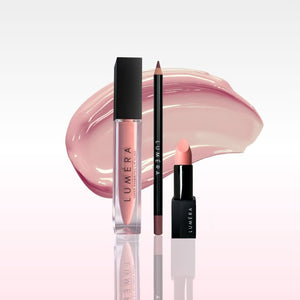
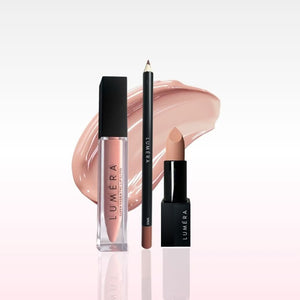
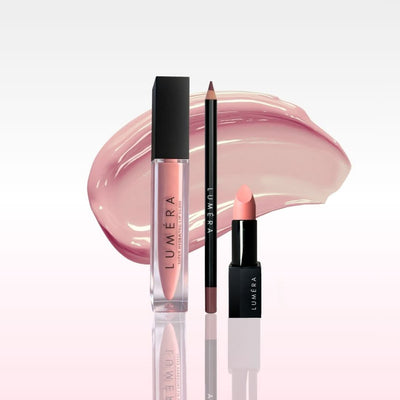
If you struggle to find shimmering lip gloss that adds glow without irritation, you are not alone. Mature and sensitive lips need formulas rich in soothing moisturizers like jojoba oil and hyaluronic acid along with hypoallergenic ingredients. At Luméra Cosmetica, we understand this challenge and offer products designed to enhance your natural beauty while protecting delicate skin.
Explore our nourishing LIP OIL – Luméra Cosmetica collection for lightweight hydration and shine that feels comfortable all day. For additional color and definition without compromise, check out our Luméra Cosmetica | Waterproof Lip Liner Pencil. Ready to elevate your lip care routine with products made for sensitive skin? Visit Luméra Cosmetica now and find your perfect glow without irritation.
Frequently Asked Questions
What are the main benefits of using shimmering lip gloss for sensitive skin?
Shimmering lip gloss adds shine and color to your lips while being formulated with gentle ingredients that hydrate and protect sensitive skin. Options like nourishing oils and hypoallergenic formulas minimize irritation while offering a glossy finish.
How can I avoid allergic reactions to lip gloss?
To prevent allergic reactions, conduct a patch test by applying a small amount of gloss on your inner wrist or behind your ear and waiting 24-48 hours for any reaction before applying it to your lips. Also, choose products with minimal ingredients and avoid known irritants.
What ingredients should I look for in a lip gloss tailored for sensitive skin?
For sensitive skin, look for moisturizing ingredients such as hyaluronic acid, jojoba oil, and vitamin E. Avoid products containing artificial fragrances, synthetic dyes, and preservatives that may cause irritation.
How do I choose between different types of shimmering lip gloss?
Consider your needs: hypoallergenic glosses are great for preventing allergic reactions, oil-based glosses provide hydration, sheer options offer natural looks, and water-based alternatives feel lighter. Choosing depends on your personal sensitivity triggers and desired finish.