Types of Vegan Lipsticks: Your 2026 Formula Guide

TL;DR:
- Vegan lipsticks exclude animal-derived ingredients like beeswax, carmine, and lanolin while maintaining diverse formulas and finishes. Selecting the right type depends on your lifestyle, wear needs, and desired look, with ingredient transparency ensuring true vegan products. Proper match between formula format and expectations prevents disappointment, while certifications confirm cruelty-free and vegan claims.
Types of vegan lipsticks are formula formats and finishes that exclude every animal-derived ingredient while delivering the full spectrum of color, coverage, and wear experiences you expect from conventional lip products. The category spans bullet sticks, liquid lipsticks, lip stains, lip tints, and glosses, each built on plant-based waxes, seed oils, and synthetic dyes instead of beeswax, carmine, or lanolin. Brands like The Lip Bar and ILIA have proven that vegan lip formulas can match conventional performance without compromise. Understanding the differences between these formats helps you shop with confidence, match your finish to your lifestyle, and align every purchase with your ethical values.
1. Types of vegan lipsticks by formula format
The five core formula formats define how a vegan lipstick applies, wears, and feels throughout the day. Each one serves a different need, and knowing the distinctions saves you from buying the wrong product twice.
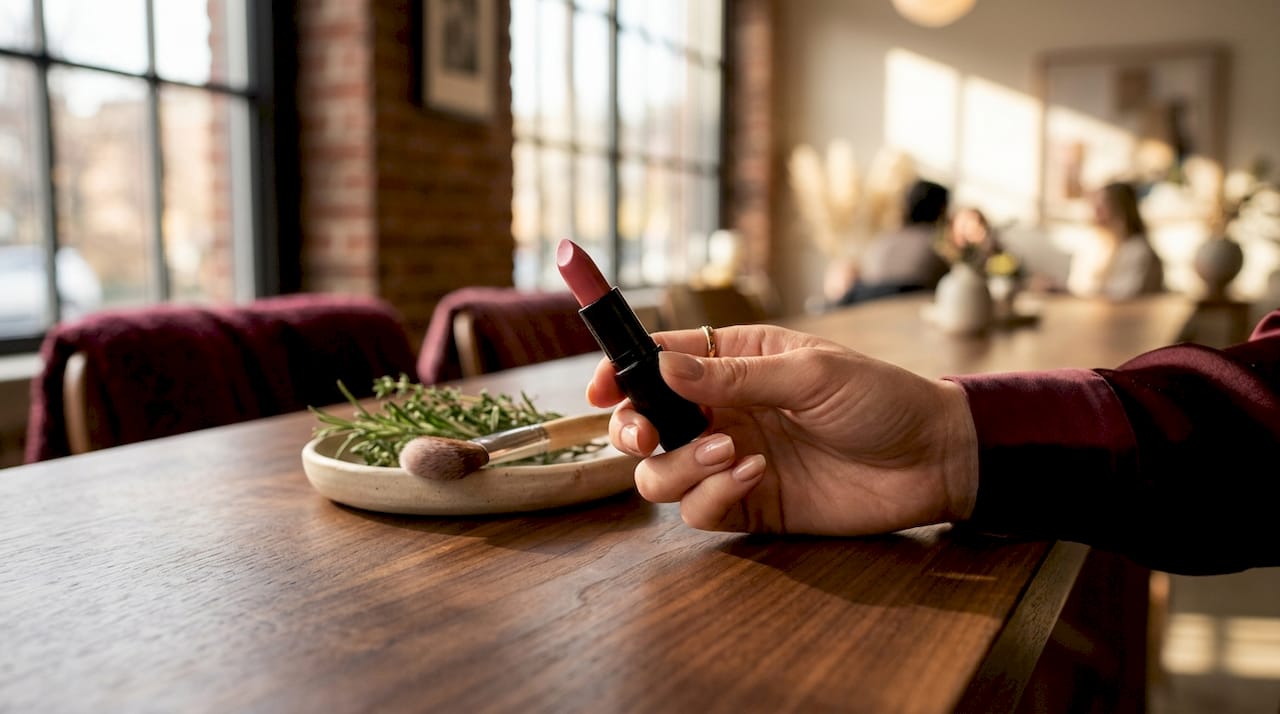
Bullet lipstick is the classic solid stick. It delivers structured, opaque pigment in a single swipe and is the most familiar format for anyone transitioning to vegan beauty. Vegan bullet formulas replace beeswax with candelilla or carnauba wax, which plant waxes provide comparable stability and texture to beeswax over time. The result is a product that feels and performs like the lipstick you already know.
Liquid lipstick is a pigment-dense, fluid formula that dries down on the lips. It is typically the most transfer-resistant option in the vegan category, making it ideal for long days, meals, or mask wearing. The Lip Bar’s vegan matte liquid lipstick is a widely reviewed example of how plant-based pigments and waxes can deliver paraben-free, cruelty-free performance with strong longevity.
Lip stain is a water or alcohol-based formula that deposits a sheer wash of color directly into the surface of the lip. It wears like a natural flush rather than a coat of product, which makes it the go-to for a “no makeup” makeup look. Stains are among the lightest vegan options and rarely require a full ingredient overhaul since they rely on water-soluble dyes rather than waxes.
Lip tint sits between a stain and a balm. It delivers a lightweight, breathable layer of color with a “my lips but better” effect. Tints are particularly popular for daily wear because they feel like nothing on the lips while still adding definition.
Lip gloss offers high shine and a hydrating finish. Glossy lip products have high shine and hydration but less wear time than matte formulas, which means reapplication is part of the routine. Vegan glosses replace lanolin and honey with plant-derived emollients like jojoba oil, shea butter, and vitamin E.
Pro Tip: If you are new to vegan lip products, start with a bullet lipstick in your most-worn shade. The format is familiar, the ingredient swap is invisible, and you can compare performance directly against your current product.
2. How finishes differ and what they mean for your lips
Finish is the visual and tactile result of a formula’s ingredient balance. Three finishes dominate the vegan lipstick market: matte, satin, and glossy. Each one creates a different impression and suits a different context.
Matte finishes deliver dense, flat color with no light reflection. Older matte formulas were notorious for drying out lips, but newer comfort matte products provide a matte look with a cushiony, moisturizing feel. This is the finish to reach for when you want bold, long-lasting color that stays put through coffee, lunch, and back-to-back meetings.
Satin finishes sit in the middle ground. They combine solid pigment with a low-level sheen that reads as polished rather than glossy. Satin is the most versatile finish in the vegan category because it transitions naturally from a daytime meeting to an evening out without looking overdone or underdressed.
Glossy finishes prioritize shine and hydration over wear time. Serum-based gloss formulas, like the glass lip and cheek stick format, combine hydration and pigment in a single product. The trade-off is durability. Gloss requires reapplication every one to two hours, especially after eating or drinking.
Pro Tip: For non-drying matte wear, look for formulas that list castor oil or shea butter in the first five ingredients. These plant-based emollients prevent the tight, parched feeling that older matte formulas caused.
3. Non-vegan ingredients your lipstick should not contain
Reading a lipstick label is a skill, and knowing which ingredients to avoid makes the process fast and reliable. Vegan lipsticks avoid a specific list of animal-derived components that appear in conventional formulas.
The most common non-vegan ingredients in conventional lipsticks include:
- Beeswax (Cera Alba): Harvested from honeybee hives; replaced in vegan formulas by candelilla wax or carnauba wax
- Carmine (CI 75470): A red pigment derived from crushed cochineal insects; replaced by synthetic dyes or plant-based colorants
- Lanolin: A wax secreted by sheep’s skin; replaced by plant oils like jojoba or squalane
- Keratin: A protein from animal hair and hooves; replaced by plant-based proteins or silicones
- Collagen: Sourced from animal connective tissue; replaced by hyaluronic acid or plant peptides
- Silk powder: Derived from silkworm cocoons; replaced by synthetic alternatives
- Honey and propolis: Bee-derived humectants; replaced by agave nectar or glycerin
The table below shows the most common swaps at a glance:
| Non-vegan ingredient | Animal source | Vegan alternative |
|---|---|---|
| Beeswax | Honeybees | Candelilla wax, carnauba wax |
| Carmine | Cochineal insects | Synthetic dyes, iron oxides |
| Lanolin | Sheep sebum | Jojoba oil, squalane |
| Collagen | Animal connective tissue | Hyaluronic acid, plant peptides |
| Silk powder | Silkworms | Synthetic silica, tapioca starch |
One critical distinction: vegan and cruelty-free are not the same certification. A product can be cruelty-free (no animal testing) while still containing beeswax or carmine. To be confident in both, look for products that carry separate certifications from organizations like The Vegan Society and Leaping Bunny. For a deeper look at what belongs in a clean formula, the guide to skin-friendly lipstick ingredients breaks down what your lips actually benefit from.
4. Which vegan lipstick type suits your lifestyle
Choosing the right formula comes down to three factors: how long you need it to last, how much moisture your lips need, and what kind of look you are going for. The comparison below maps each vegan lipstick type to the most common lifestyle scenarios.
| Lifestyle need | Best vegan lipstick type | Why it works |
|---|---|---|
| All-day wear without touch-ups | Matte liquid lipstick | Transfer-resistant, long-lasting pigment |
| Hydration and shine | Gloss or serum stick | Plant-based emollients keep lips soft |
| Natural, minimal coverage | Lip stain or tint | Sheer color that looks like your own lips |
| Bold, full-coverage color | Bullet vegan lipstick | Opaque pigment in a single swipe |
| Sensitive or mature lips | Satin bullet or comfort matte | Balanced moisture prevents dryness or feathering |
For women with mature lips, the formula choice matters more than the shade. Liquid mattes can settle into fine lines if the formula is too dry, while a satin bullet or a comfort matte provides the same color payoff with less risk of feathering. The guide to long-lasting lipsticks for mature women covers this in detail, including specific application techniques that extend wear without creasing.
For sensitive skin, the absence of carmine and lanolin in vegan formulas is a genuine benefit beyond ethics. Both ingredients are documented allergens in conventional cosmetics. Switching to a hypoallergenic lip formula built on plant waxes and synthetic dyes reduces the risk of contact dermatitis significantly.
For anyone who wants all-day color without constant reapplication, a vegan lip stain is the most practical choice. The longest-lasting lip stain options use water-resistant dyes that bond to the lip surface rather than sitting on top of it, which means they survive meals, drinks, and hours of wear without fading to an uneven ring.
Key takeaways
The most effective way to choose a vegan lipstick is to match the formula format and finish to your specific wear needs, then verify the ingredient list for animal-derived components like carmine, beeswax, and lanolin.
| Point | Details |
|---|---|
| Formula format defines performance | Bullet, liquid, stain, tint, and gloss each offer distinct wear time and coverage levels. |
| Finish affects comfort and longevity | Matte lasts longest; satin balances moisture and pigment; gloss prioritizes shine and hydration. |
| Ingredient literacy is non-negotiable | Scan for carmine, beeswax, lanolin, and silk powder to confirm a formula is truly vegan. |
| Vegan does not equal cruelty-free | Verify both certifications separately using The Vegan Society and Leaping Bunny standards. |
| Sensitive and mature lips benefit most | Plant-based formulas eliminate common allergens and offer comfort matte options that prevent dryness. |
Why I think the “just pick any vegan lipstick” advice misses the point
I have spent years watching women switch to vegan beauty and then quietly go back to their old lipstick because the vegan version “just didn’t work.” Almost every time, the problem was not the vegan formula. It was a mismatch between formula type and expectation.
Someone who needs eight hours of wear without touch-ups should never start with a gloss. Someone with dry, mature lips should not reach for a traditional liquid matte as their first vegan experiment. The formula format matters as much as the ingredient list, and the best vegan lipstick brands understand this. Formulators now use plant wax systems that replicate the texture and stability of beeswax, which means the performance gap between conventional and vegan has effectively closed in 2026.
What I find genuinely exciting is how the ingredient transparency in vegan beauty has raised the standard for the whole category. When a brand has to name every plant-based wax and synthetic dye in its formula, it creates accountability that benefits every consumer, vegan or not. My honest recommendation: try at least two formula types before deciding what works for you. The difference between a lip stain and a satin bullet on the same person can be dramatic, and you will not know your preference until you experience both.
— Rebecca
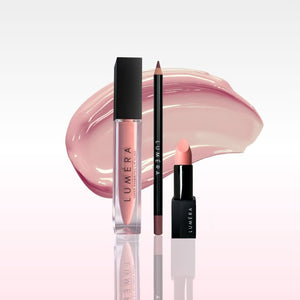
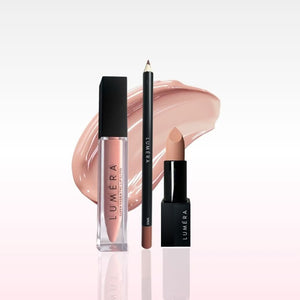
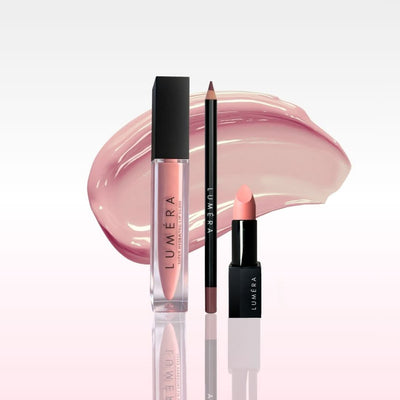
Discover Lumeracosmetica’s vegan lip collection
Lumeracosmetica builds every lip product around the principle that ethical beauty should never mean compromising on color, comfort, or longevity. The collection covers the full range of vegan lipstick formats, from rich satin bullets to transfer-resistant mattes, all formulated without beeswax, carmine, or lanolin. Whether you are looking for a bold cruelty-free lip color for a full day of wear or a lightweight tint for everyday use, Lumeracosmetica’s vegan lip range is built to perform. Explore the full collection and find the formula that fits your lifestyle.
FAQ
What makes a lipstick truly vegan?
A vegan lipstick contains no animal-derived ingredients, including beeswax, carmine, lanolin, collagen, silk powder, honey, or propolis. Plant-based waxes like candelilla and carnauba replace beeswax, while synthetic dyes replace carmine.
Is vegan the same as cruelty-free?
No. Vegan means no animal-derived ingredients; cruelty-free means no animal testing. A product can be one without being the other, so look for both certifications separately from organizations like The Vegan Society and Leaping Bunny.
Which vegan lipstick type lasts the longest?
Vegan matte liquid lipsticks provide the longest wear, often lasting six to eight hours without significant transfer. They use plant-based film-forming agents that bond to the lip surface and resist moisture.
Are vegan lipsticks better for sensitive skin?
Yes, in most cases. Vegan formulas exclude carmine and lanolin, both of which are documented contact allergens in conventional lipsticks. Switching to a plant-based formula reduces the risk of irritation for sensitive skin types.
How do I read a lipstick label to confirm it is vegan?
Scan the ingredient list for Cera Alba (beeswax), CI 75470 (carmine), lanolin, and silk amino acids. If none appear and the product carries a Vegan Society or similar certification, the formula meets vegan standards.