How to store lipstick and keep your lip products fresh

TL;DR:
- Properly storing lipstick in a cool, dry, and protected space prevents spoilage and maintains formula integrity. Using designated containers and avoiding bathrooms, cars, and windowsills are essential to prolong shelf life. Regular cleaning, inspection, and mindful temperature control are vital, especially for women over 40 seeking optimal performance and hygiene.
You reach for your favorite red lipstick on a big morning, twist it open, and find a melted, sweaty, slightly off-smelling mess. It’s a frustrating experience that happens more often than it should, and almost always for the same reason: improper storage. Lipsticks can soften, sweat, or grow microbes if not kept in cool, dry conditions, which is especially relevant for women in Australia and Europe dealing with scorching summers, humid bathrooms, and dry indoor heating. Whether you own two lipsticks or twenty, knowing how to store them correctly protects your investment, keeps your routine hygienic, and ensures every formula performs exactly as it should. This guide walks you through everything, from the supplies you need to the warning signs you shouldn’t ignore.
Table of Contents
- What you need to store lipstick properly
- Step-by-step process: Storing your lipstick the right way
- Common mistakes when storing lipstick (and how to avoid them)
- How to tell if your lipstick has gone bad
- Why proper lipstick storage matters more after 40
- Store your lipstick with Luméra Cosmetica’s expert tips
- Frequently asked questions
Key Takeaways
| Point | Details |
|---|---|
| Cool, dry storage | Keep lipstick away from heat and humidity to preserve texture and prevent spoilage. |
| Avoid risky places | Never leave lipstick in cars or bathrooms where temperature and moisture fluctuate. |
| Check for expiry | Regularly inspect your lipstick for smell, color, or texture changes that signal it’s gone bad. |
| Use the right tools | Store lipsticks in closed containers or organizers and clean them periodically for longer life. |
What you need to store lipstick properly
Getting your storage setup right is less complicated than it sounds, but it does require a little intentionality. Before you rearrange your beauty drawer or toss everything in the fridge, take stock of what you actually need.
Essential storage supplies
Here’s a practical checklist to get you started:
- A dedicated makeup organizer or lidded container (acrylic, fabric-lined, or a small cosmetic case all work well)
- A cool, dry drawer or closed shelf space away from windows and direct sunlight
- Isopropyl alcohol wipes or a clean cloth for occasional sanitizing
- Small resealable bags for traveling or short-term transport
- A soft-bristled brush for dusting around tubes that sit on open shelves
- Silica gel packets (the kind found in shoe boxes) to absorb moisture inside drawers or containers
Pro Tip: A lidded acrylic organizer keeps your lipsticks upright, easy to see, and protected from dust and steam all at once. It’s one of the best single investments for your makeup collection.
Ideal vs. risky storage locations
The location matters far more than most people realize. The wrong spot can ruin a lipstick in days, not months.
| Location | Risk level | Why |
|---|---|---|
| Cool bedroom drawer | Low | Stable temperature, away from steam |
| Closed cosmetic case | Low | Protected from light and dust |
| Refrigerator | Low to medium | Good for hot climates, check condensation |
| Bathroom shelf | High | Steam and humidity accelerate spoilage |
| Car glove box | Very high | Heat spikes melt and contaminate formula |
| Windowsill | Very high | UV light breaks down color and texture |
| Near a radiator | High | Dry heat causes sweating and separation |
To preserve your lipstick’s color and texture, keep tubes in a cool, dry drawer or closed container away from sunlight and bathroom steam. This single habit eliminates the majority of storage-related spoilage.
If you’re looking to go further with protecting your collection, these lipstick preservation tips offer detailed guidance on extending the life of both everyday and luxury formulas. For women over 40 who want to maximize the performance of their favorite shades, the lipstick hacks for women 40+ guide covers storage alongside application tricks that make a real difference.
Step-by-step process: Storing your lipstick the right way
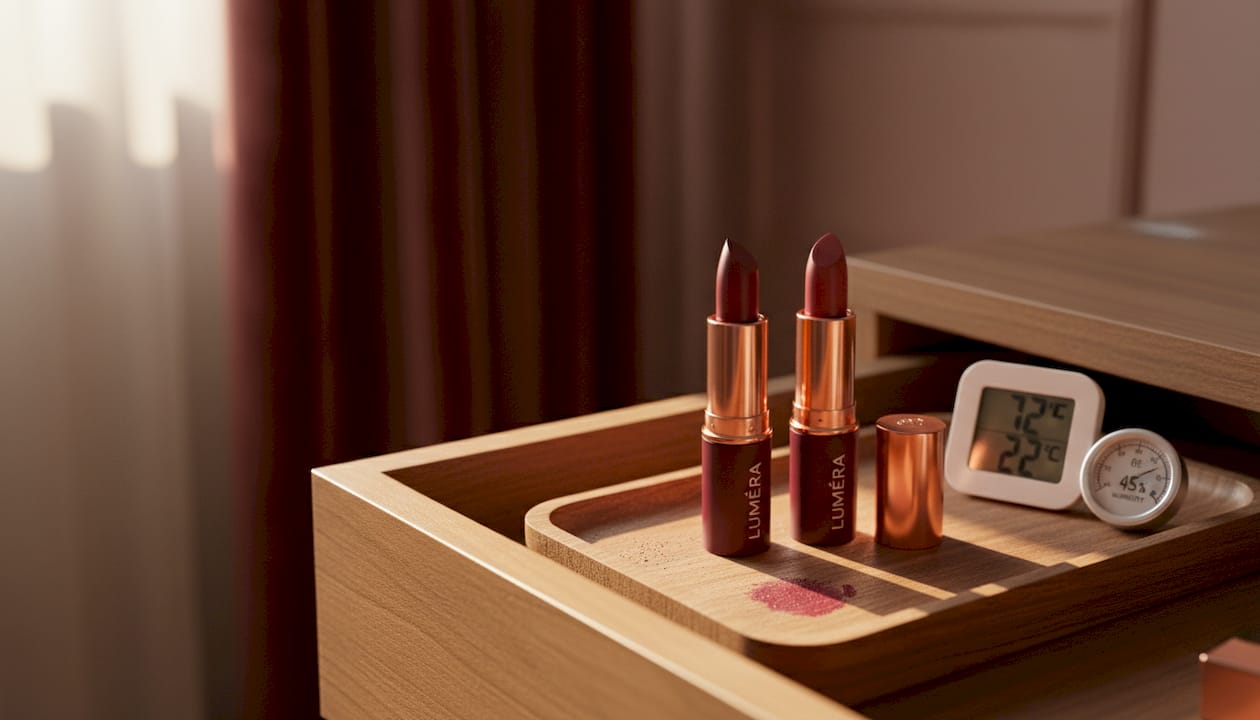
With your tools assembled, follow these steps to ensure your lipsticks remain flawless and safe every time you use them.
The storage routine, step by step
- Wipe down each tube. Use an alcohol wipe to clean the outside of every lipstick tube. This removes bacteria and residue before storage, especially important if you’ve touched the tube with product-covered fingers.
- Check the bullet before storing. Inspect the tip for any changes in texture, color bleeding, or unusual sheen. Catching problems early prevents spreading contamination to other products.
- Sort by formula type. Group matte, satin, gloss, and balm formulas separately. Mattes tend to be drier and more stable, while glosses and balms with oils can become rancid faster in warm conditions.
- Choose your storage spot. Place your organizer or container in a bedroom drawer or closed shelf at room temperature, ideally between 60°F and 70°F (15°C and 21°C). Avoid anywhere the temperature swings more than 10 degrees throughout the day.
- Store tubes upright. Always keep lipsticks standing with the cap on. Storing them on their side increases the chance of the formula pressing against the cap and warping.
- In summer, consider the fridge. During heat waves, placing your lipstick collection in a small zip pouch inside the fridge works well. Allow them to sit at room temperature for five minutes before applying to avoid dragging.
- Clean your organizer monthly. Wipe down the interior of your storage container once a month. Residue from old products builds up and becomes a source of bacteria over time.
Why temperature and humidity matter so much
Lipstick formulas are a blend of waxes, oils, pigments, and sometimes preservatives. Heat softens the wax structure, causing the bullet to bend or collapse. Humidity introduces moisture, which creates the ideal environment for microbial growth. Avoid cars, windows, and radiators to prevent softening and sweating, two of the earliest signs that a formula is breaking down.
| Storage method | Temperature stability | Hygiene risk | Best for |
|---|---|---|---|
| Room temp drawer | High | Low | Year-round use |
| Fridge | Very high | Low if sealed | Hot climates, summer |
| Vanity tray (open) | Medium | Medium | Short-term, daily use |
| Bathroom cabinet | Low | High | Not recommended |
Did you know? The average home bathroom fluctuates between 70°F and 85°F during showers, well above the ideal storage range for most lipstick formulas.
For women who wear lip color daily and want a routine that works without overthinking it, this everyday lipstick routine breaks down how to integrate storage habits into your morning and evening without adding extra steps.
Pro Tip: Keep one or two lipsticks on your vanity for daily rotation, but store the rest of your collection in a drawer. This limits exposure to air and light for all but the products you’re actively using.
Common mistakes when storing lipstick (and how to avoid them)
Proper routine is important, but it’s just as crucial to avoid common mistakes that undo your careful efforts.
The most common storage errors
- Leaving lipstick in your car. Even in moderate weather, a parked car can reach 130°F inside. Formula integrity collapses at those temperatures, and the risk of microbial contamination after the lipstick re-solidifies in a warped shape is significant.
- Storing on a bathroom shelf. The steam from showers and the temperature swings between hot showers and cool ventilation create an unstable environment. Lipsticks stored in bathrooms or cars are more prone to microbial issues and performance loss.
- Ignoring expiration dates. Most lipsticks carry a PAO (period after opening) symbol, a small jar icon with a number such as “12M” (12 months). Many women in their 40s hold onto a beloved shade well past this window. After the PAO, oils go rancid and preservative systems break down.
- Sharing lipstick without sanitizing. If you’ve shared a lipstick with a friend or tried a tester, the bullet should be cleaned with an alcohol wipe before storing with the rest of your collection.
- Storing with the cap loose. A loosely capped lipstick dries out, collects dust, and absorbs ambient odors from nearby products.
“Lipstick is applied directly to the lips, making it one of the most hygiene-sensitive cosmetics in your collection. Treat it accordingly.”
Warning signs you shouldn’t ignore
Watch for these changes, each one signals a storage problem:
- Visible beading or oily sweating on the bullet surface
- A waxy or white bloom (a powdery film) on the color
- The bullet feels noticeably softer than when first purchased
- An unusual or rancid smell when you open the tube
- Feathering or bleeding of color that wasn’t present before
Recognizing these signs early helps you make a call before a compromised product reaches your lips. Learn more about signs of lipstick expiration and how to read the physical changes your products go through over time. If you’ve also noticed that certain lipstick habits are aging your lips rather than enhancing them, the guide on lipstick mistakes for mature lips is worth a read, and for quick corrections when things go wrong, there’s helpful guidance on fixing lipstick mistakes that applies to women over 40.
How to tell if your lipstick has gone bad
Even with perfect storage, time takes its toll. Here’s how to identify when it’s time to toss a lipstick.
Physical signs your lipstick is past its best
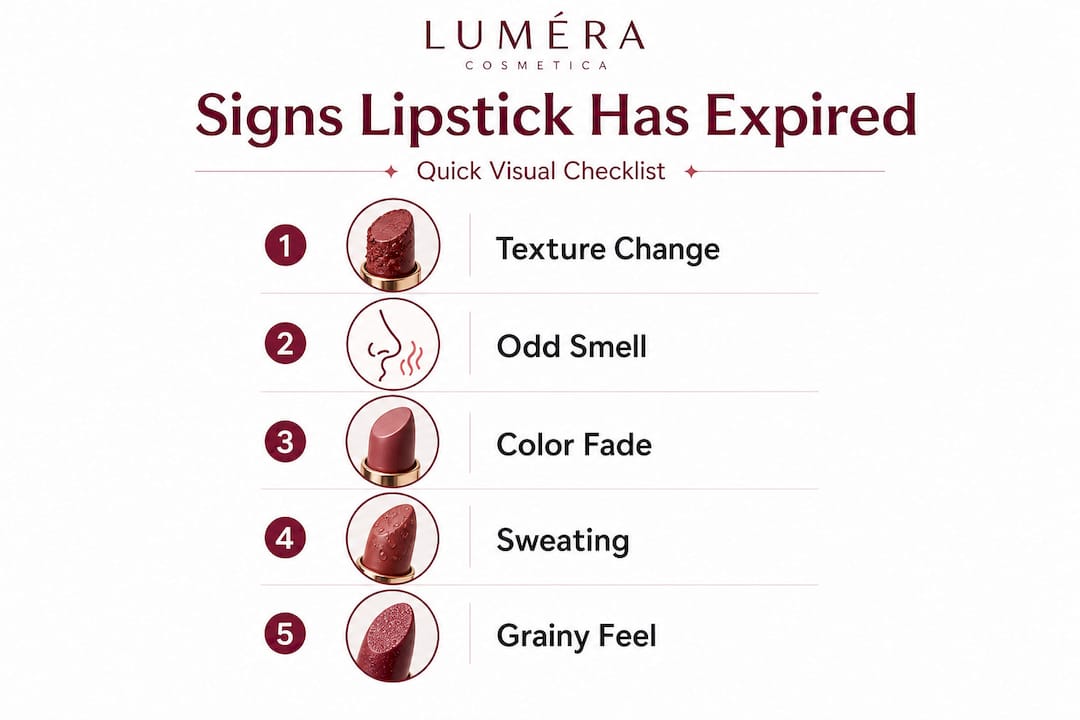
- Texture changes: A gritty, crumbly, or unusually soft bullet is a clear indicator the wax and oil structure has broken down.
- Color separation: If the pigment appears uneven or has shifted toward the top of the tube, the formula is no longer stable.
- Smell: Fresh lipstick has a neutral or slightly sweet waxy scent. A rancid, sharp, or sour odor means the oils have oxidized or the product has started to spoil.
- Surface bloom: A chalky or waxy white film on a matte lipstick isn’t always a safety issue, but it indicates the formula has experienced temperature swings.
- Excessive feathering: If a lipstick that once applied cleanly now bleeds into fine lines immediately, the emollient balance has shifted.
Microbial growth is more likely with improper storage, which is why these physical changes matter beyond aesthetics. A compromised formula applied to cracked or dry lips can introduce bacteria directly into the skin. Always check your lipstick expiration signs carefully, especially for any product that’s been exposed to heat or humidity.
What to do when you suspect a lipstick is off
If you notice two or more of the warning signs above, discard the product. It’s not worth the hygiene risk. If you’re unsure but notice just one minor change, clean the surface of the bullet with an alcohol wipe, re-cap it tightly, move it to a cooler location, and monitor it over the next week.
Pro Tip: Keep a simple date label on the bottom of each tube when you first open it. A small piece of masking tape with the month and year costs nothing and makes it effortless to track the PAO without guessing.
Why proper lipstick storage matters more after 40
Here’s the perspective that most beauty articles skip entirely.
Women in their 40s, 50s, and beyond have typically moved past the phase of buying anything and everything just to try it. The collection is more curated, the choices more deliberate, and the relationship with makeup more personal. In that context, losing a beloved lipstick to melting or spoilage isn’t a minor inconvenience. It’s a real loss, and it’s entirely preventable.
There’s also a practical hygiene dimension that becomes more relevant with age. Skin is thinner, lips may be drier, and the immune response is not quite as reactive as it was at 25. That means a contaminated lipstick poses a greater risk than it might have years ago. We’re not talking about panic, just awareness.
The idea of “less is more” resonates deeply at this life stage. Investing in fewer, high-quality lip products and maintaining them properly outperforms any approach involving a cluttered drawer of half-used, forgotten tubes in questionable condition. Smart storage is how you make that investment last.
There’s also something genuinely empowering about knowing exactly what’s in your beauty routine and having it all in good order. It’s a form of self-respect, the acknowledgment that your time, your health, and your money deserve to be protected. Exploring lipstick basics for women 40+ is a great starting point if you’re building or refining your collection with this mindset.
Proper storage isn’t about vanity. It’s about confidence, safety, and getting the most from every product you love.
Store your lipstick with Luméra Cosmetica’s expert tips
At Luméra Cosmetica, we believe that great lip color deserves great care. The education doesn’t stop at application.
Our guides are written specifically for women who want their beauty routines to work smarter, not harder. From understanding formula types to mastering storage habits that protect your collection through every season, we’ve built a library of resources designed with your real-life needs in mind. Whether you’re managing a hot Australian summer or navigating dry European heating in winter, you’ll find practical, expert-backed answers. Start with our detailed explore lipstick preservation tips guide to take the next step in protecting every shade you love.
Frequently asked questions
Is it safe to store lipstick in the refrigerator?
Yes, storing lipstick in the fridge can extend shelf life, particularly during hot weather. Just keep it in a sealed container to prevent condensation and allow it to warm slightly before applying.
What is the best way to travel with lipstick in a hot climate?
Use an insulated makeup bag and keep lipstick out of your car at all costs. Avoid windows and radiators during travel to prevent the formula from softening or sweating.
How often should I check my lipstick for signs of expiration?
Inspect each lipstick every two to three months for changes in texture, smell, or color. Products exposed to bathroom or car environments should be checked more frequently due to higher microbial risk.
Can storing lipstick in the bathroom damage it?
Absolutely. Humidity and temperature swings from showers create ideal conditions for spoilage. Bathroom storage increases microbial risk and shortens the effective life of even high-quality formulas significantly.
Recommended
- Recognize the signs of lipstick expiration for safer makeup – Luméra Cosmetica
- How to rescue dried lipstick: simple fixes for lasting color – Luméra Cosmetica
- Lipstick Application Steps for Flawless, Long-Lasting Lips – Luméra Cosmetica
- Complete Guide to Lipstick Preservation Tips – Luméra Cosmetica