How to Soften Lip Lines: Expert Tips That Work

The most reliable way to soften lip lines is a multimodal plan: daily broad-spectrum SPF 30+ on the lips, nightly collagen-supporting actives like retinoids and hyaluronic acid, plus conservative in-office options when lines are deeper or etched. No single product erases them, but the right combination delivers genuinely visible results over weeks to months.
Start here, in order of priority:
- Apply a broad-spectrum SPF 30+ lip balm every morning and reapply after meals
- Introduce a retinoid (or gentler bakuchiol) to the perioral skin at night, starting two to three nights per week
- Layer hyaluronic acid under your lip treatment for hydration and plumping
- Exfoliate gently one to two times per week with a soft toothbrush or mild acid
- Stop smoking and reduce straw use, both of which accelerate puckering-driven lines
- For deeper, etched lines, consult a board-certified dermatologist or plastic surgeon
Pro Tip: When considering in-office treatment, ask your provider to start with structural support of the vermilion border before filling individual lines. This approach reduces visible depth without the overfilled look that comes from targeting each crease directly.
Table of Contents
- What causes lip lines and why they form where they do
- Daily habits that slow new lip wrinkles from forming
- A layered at-home routine to soften lip lines over weeks
- Quick visual fixes you can use right now
- Professional treatments for fine and deep lip lines
- How to choose the right approach for your lines
- Why experts agree: no single fix works alone
- Key Takeaways
- The case for subtlety over speed
- Lumeracosmetica’s lip care line supports your daily routine
- Useful sources for further reading
What causes lip lines and why they form where they do
Lip lines, clinically called vertical perioral wrinkles, run perpendicular to the lip border rather than following the natural curve of the mouth. They form on the upper lip most often, though the lower lip and surrounding skin are not immune.
The perioral skin is uniquely vulnerable. It is thinner than skin elsewhere on the face, has fewer sebaceous glands, and sits over the orbicularis oris muscle, which contracts hundreds of times a day for speaking, eating, and expressions. That constant movement, combined with the area’s limited oil production, makes it one of the first places to show age.
The main causes, and why they matter for treatment:
Intrinsic aging and collagen loss. Collagen production slows with age, thinning the dermis and reducing the structural support that keeps skin smooth. Volume loss at the vermilion border, the defined edge of the lip, makes lines more visible even before they are deeply etched.
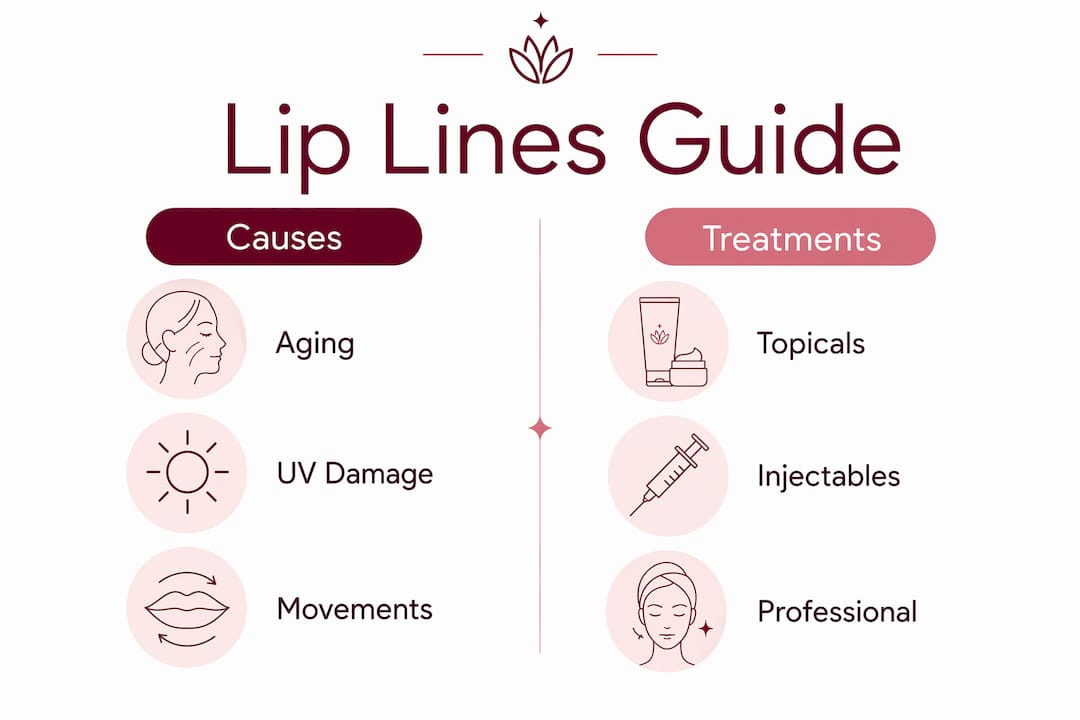
UV damage. Sun exposure degrades collagen and elastin in the perioral skin just as it does elsewhere, accelerating the formation of static lines that stay visible even at rest.
Smoking and vaping. Both the repetitive puckering motion and the chemical damage from smoke reduce collagen and restrict blood flow to perioral skin, producing lines earlier and more deeply than in non-smokers.
Repetitive movement. Chronic straw use, pursing lips, or even certain sleep positions create dynamic lines that eventually become static, meaning they stay visible when the face is relaxed.
Genetics. Skin thickness, oil production, and how quickly collagen breaks down are partly inherited. Some people develop visible perioral lines in their thirties; others not until their fifties.
Dynamic lines (visible only during movement) respond well to neuromodulators. Static lines (present at rest) need topical rebuilding, resurfacing, or structural filler support.
Daily habits that slow new lip wrinkles from forming
Prevention is not glamorous, but it is the only strategy that actually stops new lines from forming. The habits below cost almost nothing and protect whatever results you get from treatments.
- SPF 30+ on the lips and perioral skin, every day. UV damage is one of the most controllable causes of collagen breakdown. A broad-spectrum SPF 30+ lip balm applied every morning, and reapplied after eating, is non-negotiable. Most people apply sunscreen to their cheeks and forget the upper lip entirely.
- Stop smoking. The chemical and mechanical damage from smoking accelerates perioral aging faster than almost any other lifestyle factor. Vaping carries similar puckering mechanics.
- Reduce straw use. Occasional straw use is not a crisis, but habitual daily use adds up to thousands of repetitive contractions per year.
- Stay hydrated. Dehydrated skin accentuates the appearance of fine lines. Cleveland Clinic recommends adequate daily water intake as part of general skin health maintenance.
- Sleep position. Side and stomach sleeping presses the perioral area against a pillow for hours, contributing to compression lines over time. A silk pillowcase reduces friction.
Pro Tip: Apply SPF after your moisturizer and lip treatment, not before. Layering SPF on top of humectants and emollients lets each product do its job without diluting the sunscreen’s protective film. For a practical guide on layering lip balm and SPF, see how to apply lip balm for soft, youthful lips.
A layered at-home routine to soften lip lines over weeks
A layered skincare approach is the foundation of any realistic lip line plan. The key is sequencing ingredients correctly and setting honest expectations about timelines.
Morning routine
Cleanse gently, then apply a hyaluronic acid serum or humectant to damp perioral skin. Follow with a peptide or ceramide serum to reinforce the barrier, then finish with a broad-spectrum SPF 30+ lip balm. Peptides signal the skin to produce more collagen over time; ceramides prevent the transepidermal water loss that makes fine lines look worse by midday. For a deeper look at which actives work best, the guide on key ingredients for youthful lips after 40 is worth reading.
Evening routine
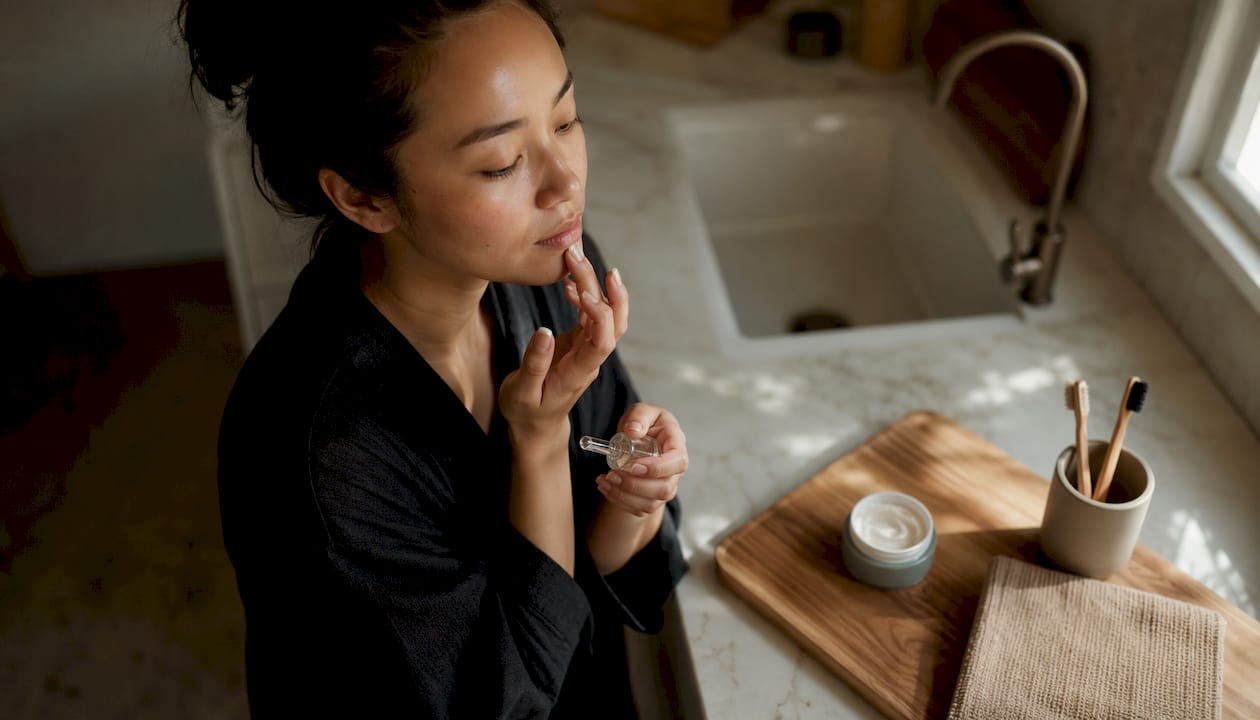
This is where the real rebuilding happens. Retinoids stimulate collagen and increase cellular turnover, but the perioral skin is sensitive. Start with retinol two nights per week, applied to the perioral skin (not directly on the lip mucosa), and build tolerance before going nightly. If retinol causes persistent irritation, bakuchiol is a gentler plant-derived alternative with similar collagen-supporting effects. After your retinoid has absorbed, apply an occlusive or nourishing overnight lip treatment to seal in moisture.
One critical timing rule: avoid combining aggressive resurfacing treatments or microneedling on the same night you apply retinoids. Stacking both on the same evening significantly increases the risk of barrier damage and irritation.
Weekly
Gentle exfoliation one to two times per week, using a soft toothbrush or a mild lactic or mandelic acid, removes dead cells that dull the surface and block absorption of your actives. Do not over-exfoliate; the perioral skin does not need aggressive scrubbing.
What to expect, realistically
Hydration and texture improvements are typically visible in 6–12 weeks with consistent use. Retinoid-driven collagen changes take longer, often three to six months of steady use before the structural difference is clear. Red light therapy, used at home three to five times per week, can show visible improvement in 4–8 weeks as a complement to topical care.
Ingredient quick-reference: SPF 30+ (daily UV protection), retinoids or bakuchiol (collagen stimulation, nightly), hyaluronic acid (hydration, morning and evening), peptides (collagen signaling, morning), ceramides (barrier repair, morning and evening).
Quick visual fixes you can use right now
Not every situation calls for a skincare overhaul. Sometimes you need the lines to look softer in the next twenty minutes.
- Lip plumping glosses and serums. Products with hyaluronic acid, peptides, or mild irritants like cinnamon temporarily swell the lip tissue and blur fine lines. The effect lasts a few hours. Expect mild tingling from stimulant-based formulas; if you have sensitive or irritated skin, stick to hyaluronic acid-only plumpers. For a breakdown of what actually works in these products, the lip-plumping ingredients guide for women 40+ covers the science clearly.
- Primer and line-filling base. A silicone-based lip primer fills the surface texture of fine lines before lipstick application and dramatically reduces feathering. Apply it to the perioral skin and the lip border, let it set for thirty seconds, then apply color.
- Formula choice matters. Matte formulas settle into lines and emphasize them. Cream or satin finishes reflect light and make lines less visible. Avoid very dry or long-wear formulas on mature lips.
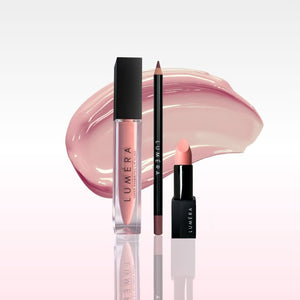
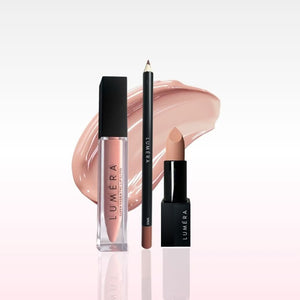
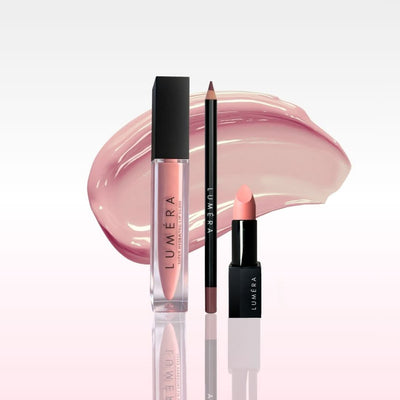
- Lip liner as a structural tool. A well-matched liner applied just at the vermilion border redefines the edge and prevents color from bleeding into perioral lines. The guide on contouring with lip liners for defined lips walks through the technique step by step.
- Exfoliate first. A quick gentle exfoliation before applying any of the above removes the flaky texture that makes lines look deeper. Two minutes with a damp soft toothbrush is enough.
Professional treatments for fine and deep lip lines
When at-home care is not enough, in-office options can deliver results that topicals simply cannot match. The right procedure depends on whether your lines are dynamic, static, or both, and how deep they are.
Pro Tip: The most natural-looking outcomes come from restoring structural support at the vermilion border first, before targeting individual lines. Filling every crease directly in thin perioral skin risks lumps and an unnatural texture.
Neuromodulators (Botox lip flip)
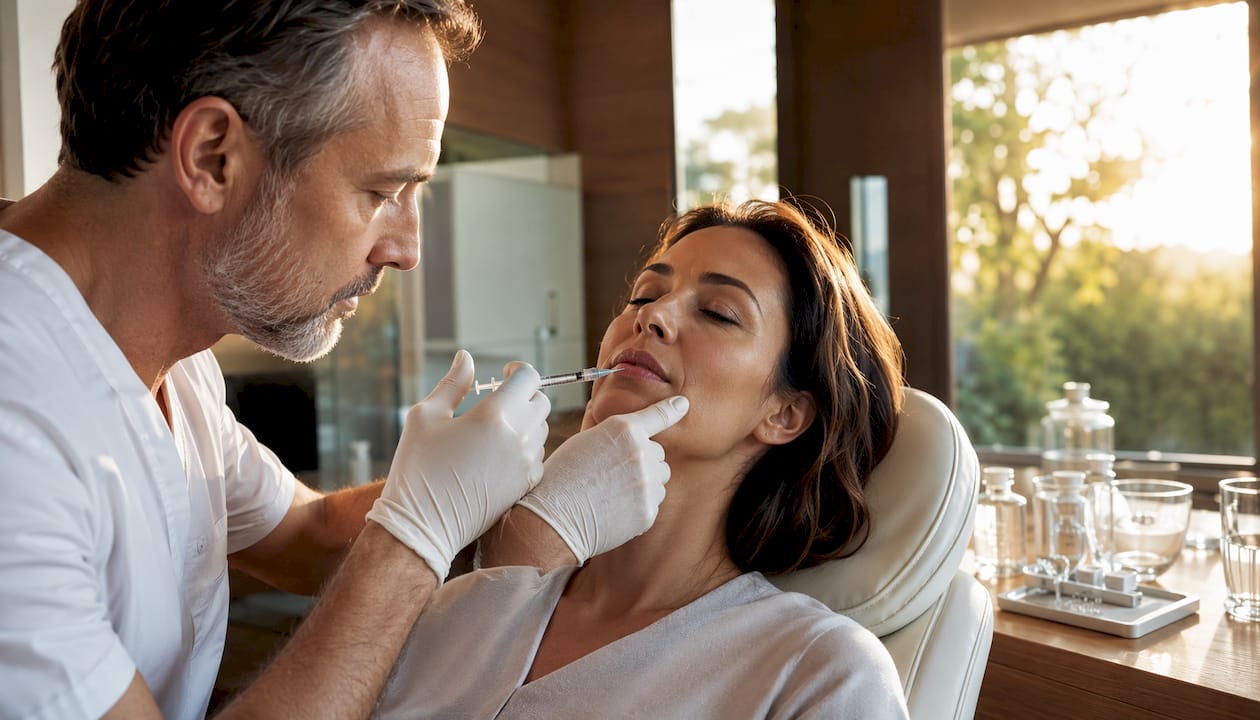
Small doses of botulinum toxin injected into the orbicularis oris muscle soften the puckering action that drives dynamic lines. Conservative dosing is critical here. Over-treatment impairs speaking, drinking, and eating. Results typically last several months for lip-area uses.
Dermal fillers
Hyaluronic acid fillers placed strategically to restore vermilion border definition and lost volume can reduce visible line depth by 30–50% without filling individual lines. Results typically last several months in the perioral area. Superficial line fillers can address shallow static lines but require an experienced injector to avoid the “shelf” effect.
Microneedling
Microneedling creates controlled micro-injuries that stimulate collagen and elastin production. A typical course involves multiple sessions spaced a few weeks apart. Radiofrequency microneedling adds heat energy for deeper collagen remodeling. Downtime is minimal, usually a few days of redness.
Laser resurfacing and chemical peels
For deeper, etched-in lines, ablative CO2 lasers and phenol peels deliver the most significant improvements but carry the most downtime and risk. Fractional CO2 is a middle ground: meaningful results with less recovery than fully ablative treatment. Chemical peels at lighter depths (glycolic, lactic) can improve texture with minimal downtime but will not address deep static lines.
Comparison table
| Treatment | Best for | Expected result | Downtime | Typical cost range | Key risks |
|---|---|---|---|---|---|
| Neuromodulators (Botox) | Dynamic lines | Softened puckering | Minimal | — | Over-treatment, functional impairment |
| HA dermal fillers | Volume loss, vermilion support | 30–50% line depth reduction | few days | — | Lumps, vascular occlusion |
| Microneedling | Fine to moderate static lines | Gradual collagen improvement | few days | — | Irritation, post-inflammatory hyperpigmentation |
| Fractional CO2 laser | Moderate to deep static lines | Significant resurfacing | few days | — | Scarring, pigment changes |
| Phenol peel | Deep etched lines | Aggressive resurfacing | 2–4 weeks | — | High risk, cardiac monitoring required |
| Chemical peel (light) | Texture, fine lines | Surface smoothing | few days | — | Irritation, sun sensitivity |
Risks common to all in-office procedures: bruising, swelling, infection, and asymmetry. Always confirm your provider’s board certification and specific perioral anatomy experience before booking.
How to choose the right approach for your lines
Matching treatment to severity saves money and avoids unnecessary risk. Start with an honest assessment of your lines at rest, not during movement.
Decision framework:
- Fine lines visible mainly during movement: start with neuromodulators and a consistent topical routine
- Fine to moderate static lines with good skin quality: microneedling course plus topical retinoids
- Moderate lines with volume loss at the lip border: vermilion support with HA filler before any resurfacing
- Deep, etched lines with significant skin laxity: fractional or ablative resurfacing, possibly combined with structural filler
Questions to ask any provider before booking:
- Are you board-certified in dermatology or plastic surgery?
- How many perioral filler and neuromodulator cases do you perform per month?
- Can I see before-and-after photos of patients with similar line depth and skin type?
- How do you approach the vermilion border before filling individual lines?
- What is your revision policy if I am not satisfied?
- What aftercare do I need, and when can I resume retinoids?
Red flags to walk away from:
- Any provider who promises permanent erasure of lip lines
- Pressure to combine multiple high-risk procedures in a single visit
- Recommending aggressive filler volumes for thin perioral skin without discussing anatomic support first
- No before-and-after photos for perioral cases specifically
A skin rejuvenation guide that sequences professional treatments with at-home care can help you plan the right escalation path.
Why experts agree: no single fix works alone
Dermatology consensus is clear on this point. The best outcomes for perioral lines come from combining daily protection, consistent topical rebuilding, and targeted in-office remodeling. No single treatment, however advanced, produces lasting results without the foundation of a solid at-home routine.
What realistic outcomes look like in practice:
- Minor lines: A consistent topical routine (retinoid, SPF, hyaluronic acid) plus two to three microneedling sessions typically produces visible softening within three to four months.
- Moderate lines with volume loss: Vermilion border support with HA filler, combined with an occasional neuromodulator and a resurfacing course, can restore definition and reduce line depth by 30–50%. Maintenance every six to twelve months is standard.
- Deep, etched lines: Ablative resurfacing delivers the most dramatic improvement but requires the longest recovery and the most careful post-procedure skin management, including pausing retinoids until the skin barrier is fully healed.
In-office procedures produce faster results for deeper lines, but at-home topical regimens are what protect and extend those results over time. Skipping the daily routine after a procedure is one of the most common reasons results fade faster than expected.
Key Takeaways
A multimodal plan combining daily SPF, nightly retinoids, and conservative in-office support delivers the most natural, lasting reduction in visible lip lines.
| Point | Details |
|---|---|
| SPF is non-negotiable | Apply broad-spectrum SPF 30+ to lips and perioral skin every morning and reapply after meals. |
| Retinoids drive collagen change | Introduce retinoids slowly to perioral skin; visible collagen improvement takes three to six months of consistent use. |
| Structural support before filling | Restoring vermilion border definition first can reduce visible line depth by 30–50% without overfilling. |
| Match treatment to severity | Fine dynamic lines respond to neuromodulators; deeper static lines need resurfacing or filler support. |
| Lumeracosmetica for daily support | Lumeracosmetica’s lip-focused product guides and formulas support the daily SPF, hydration, and makeup steps that protect and extend any treatment results. |
The case for subtlety over speed
There is a version of lip line treatment that looks great on paper and slightly off in person. You have seen it: lips that are a little too full, a border that is a little too sharp, a smoothness that reads as surface rather than skin. The pressure to fix everything at once is real, especially when lines feel like they appeared overnight.
The approach that actually holds up is slower and less dramatic. Restore the lip’s natural architecture before adding volume. Build the topical routine before booking the laser. Let the skin adapt to retinoids before layering on microneedling. The readers who get the best results are not the ones who do the most. They are the ones who sequence correctly and stay consistent.
Makeup plays a real role in this too, and it is underrated as a daily maintenance tool. The right formula, a well-placed liner, and a primer that fills surface texture can make lines look softer every single day while the longer-term treatments do their work underneath. That combination, cosmetic support on top and active rebuilding underneath, is what a realistic, natural-looking plan actually looks like.
Lumeracosmetica’s lip care line supports your daily routine
Skincare and in-office treatments do the structural work, but what you put on your lips every day matters just as much for maintaining results and keeping lines from deepening.

Lumeracosmetica’s lip-focused formulas are built for exactly this: daily SPF protection, hydrating color that does not settle into lines, and makeup techniques designed for mature lips. Whether you are in the early stages of building a prevention routine or maintaining results after an in-office treatment, the Lumeracosmetica lip collection gives you the daily tools to keep perioral skin looking its best. Browse the full range and find the products that fit your routine.
Useful sources for further reading
The sources below are worth bookmarking if you want clinical detail or want to verify any of the treatment information covered above.
-
Cleveland Clinic: Lip Lines — A thorough clinical overview of causes, treatment options, and realistic expectations, written for general audiences with dermatologist review. Covers Botox, fillers, microneedling, laser resurfacing, and lifestyle recommendations. Read it here.
-
Allure: Best Treatments for Lip Lines — Consumer-facing explainer with dermatologist input on topical treatments, retinoid strategy, and when to escalate to in-office care. Useful for understanding the role of retinoids and the realistic timeline for topical improvement.
-
The Skin Real: Lip Lines After 40 — Detailed editorial piece on why perioral lines accelerate after 40, with expert commentary on the multimodal approach and when aggressive resurfacing is appropriate.
-
Trillium Clinic: Vertical Lip Lines Treatment — Procedure-focused resource explaining neuromodulator technique, dosing conservatism, and the functional risks of over-treatment in the perioral area.
“Lip lines are subtle or deep-set vertical lines on or above your lips. Lip wrinkles tend to worsen with age. Healthy habits and cosmetic treatments can reduce lip wrinkles and create a more youthful appearance.” — Cleveland Clinic
This article is general information, not medical or professional advice. Consult a board-certified dermatologist or plastic surgeon to confirm which treatments are appropriate for your specific skin type, line severity, and health history.