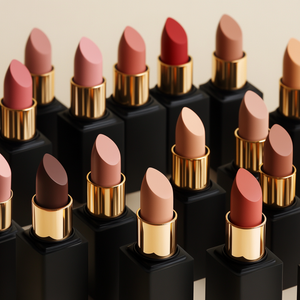
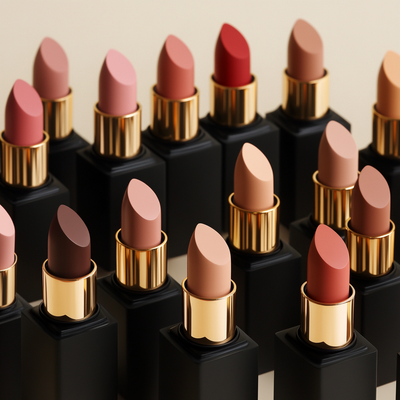
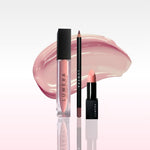
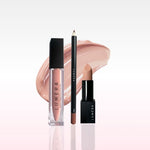
High Pigment Lipstick: Bold Color, Lasting Confidence

Most American beauty lovers crave lip color that makes a real impact. With over 60 percent of lipstick users now reaching for high pigment formulas, there is a clear shift toward bold, expressive makeup. A rich, vibrant finish can transform an ordinary look into something truly striking. Discover how high pigment lipsticks achieve such dramatic results and what sets them apart for anyone ready to upgrade their makeup routine.
Table of Contents
- What High Pigment Lipstick Means
- Key Pigment Types Used
- Pigment Load And Texture Effects
- Health And Safety Considerations
- How To Apply For Best Results
Key Takeaways
| Point | Details |
|---|---|
| High Pigment Lipstick Advantages | High pigment lipsticks offer intense color saturation and long-lasting wear, providing full coverage with a single application. |
| Key Pigment Types | The main pigment types used include Iron Oxides for earth tones, Titanium Dioxide for opacity, and synthetic dyes for vibrant colors. |
| Texture Variations | Different pigment loads create various lipstick textures, such as matte, satin, and glossy finishes, affecting both appearance and wear. |
| Application Techniques | For optimal results, prepare lips properly, use a lip liner, and apply in controlled layers to achieve a professional finish. |
What High Pigment Lipstick Means
High pigment lipstick represents a game-changing cosmetic technology designed to deliver intense, vibrant color with remarkable performance. Unlike traditional lipsticks that offer sheer or translucent coverage, high pigment lipsticks provide maximum color saturation in a single application. Advanced pigment technology enables these specialized formulations to create bold, undeniable color that stands out dramatically.
The core characteristic of high pigment lipstick is its exceptional color payoff. These lipsticks contain concentrated color molecules that create rich, deep shades with minimal layering required. When applied, high pigment lipsticks offer complete, opaque coverage that remains true to the color seen in the tube. This means women can achieve vivid, statement lip looks without repeatedly swiping or building up color - a significant advantage for those seeking efficient makeup application.
Key features of high pigment lipsticks typically include:
- Intense color saturation
- Long-lasting wear
- Single-stroke color coverage
- Minimal color fading throughout the day
- Enhanced color precision
Beyond aesthetics, high pigment lipsticks represent a sophisticated approach to color cosmetics. They leverage advanced formulation techniques to ensure color remains vibrant, rich, and consistent from first application to final touch-up. For women seeking confident, bold lip expressions, these lipsticks offer a professional-grade solution that transforms makeup from a routine task to an empowering statement of personal style.
Key Pigment Types Used
Lipstick pigments are complex chemical compounds that provide rich, vibrant colors across a spectrum of shades. Inorganic mineral pigments form the foundation of most lipstick color technologies, with several key types dominating modern cosmetic formulations. These pigments are carefully selected to create stable, long-lasting color that interacts beautifully with different skin tones.
The primary pigment categories include mineral pigments, synthetic dyes, and organic colorants. Iron oxides stand out as a crucial pigment type, offering remarkable versatility in creating brown, red, yellow, and black shades. These inorganic compounds provide exceptional color stability and are known for their ability to produce rich, deep tones that maintain their integrity throughout wear. Synthetic dyes like Red 6 and Red 7 Lake complement mineral pigments by adding vibrant red and pink hues that pop with intensity.
Key pigment types in lipstick formulations include:
- Iron Oxides: Create earth-toned and deep color ranges
- Titanium Dioxide: Provides opacity and lightening effects
- Synthetic Red Dyes: Deliver bright, vivid red and pink tones
- Carmine: Produces deep red pigments from natural sources
- Mica-based Pigments: Add shimmer and light-reflecting qualities
Beyond color production, these pigments play a sophisticated role in lipstick performance. Titanium dioxide, for instance, not only contributes to color but also enhances the lipstick’s opacity and light-diffusing properties. The careful selection and blending of these pigments allow cosmetic chemists to create lipsticks that offer not just color, but a complex interplay of visual and textural experiences that transform a simple makeup product into an artistic expression of personal style.
Pigment Load And Texture Effects
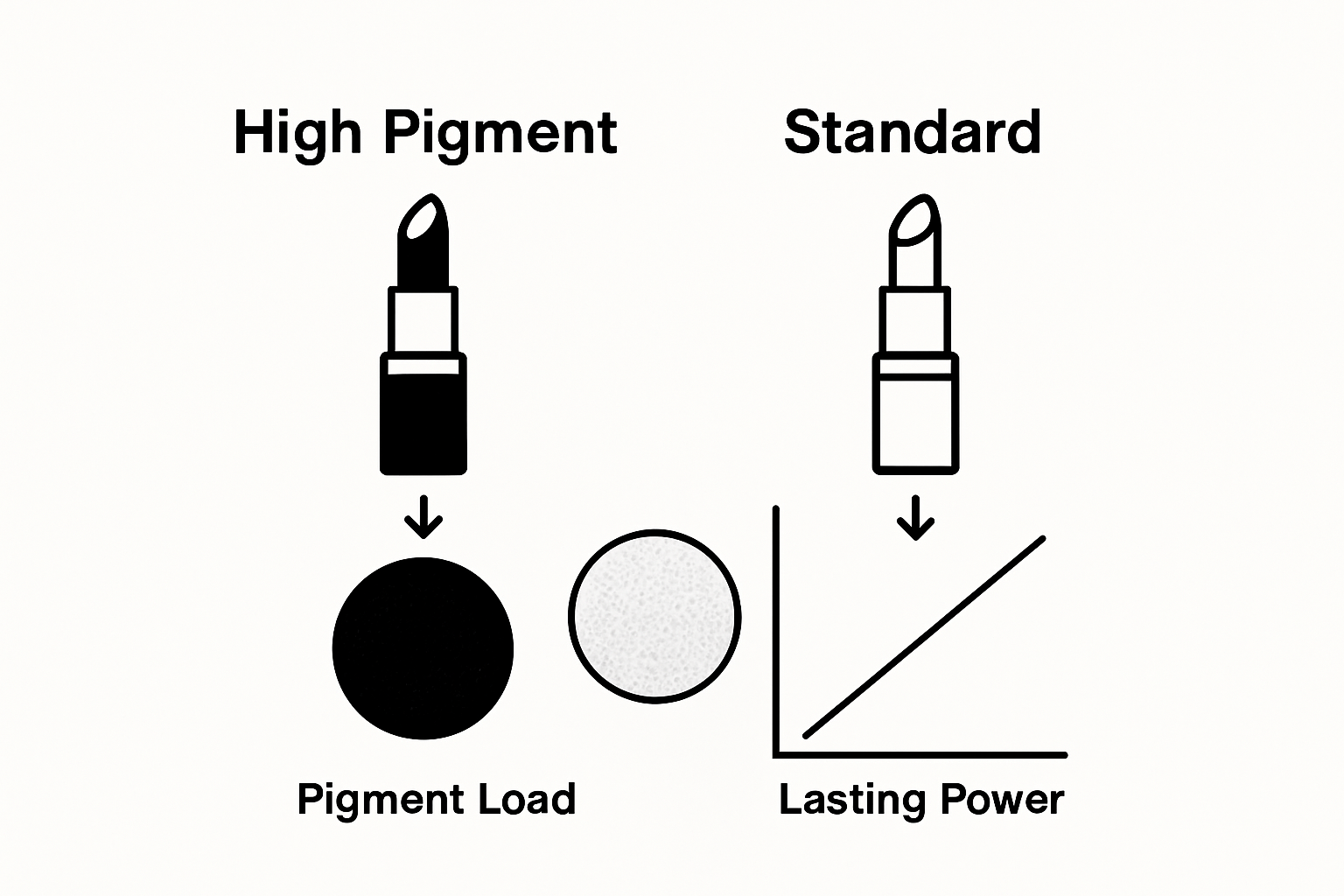
Pigment load represents a critical factor in determining lipstick performance, directly influencing its visual and tactile characteristics. Lipstick formulations typically contain 5-15% pigment, with the remaining composition comprised of carefully balanced oils and waxes. This precise chemical ratio determines not just color intensity, but also how the lipstick feels and appears when applied to the lips.
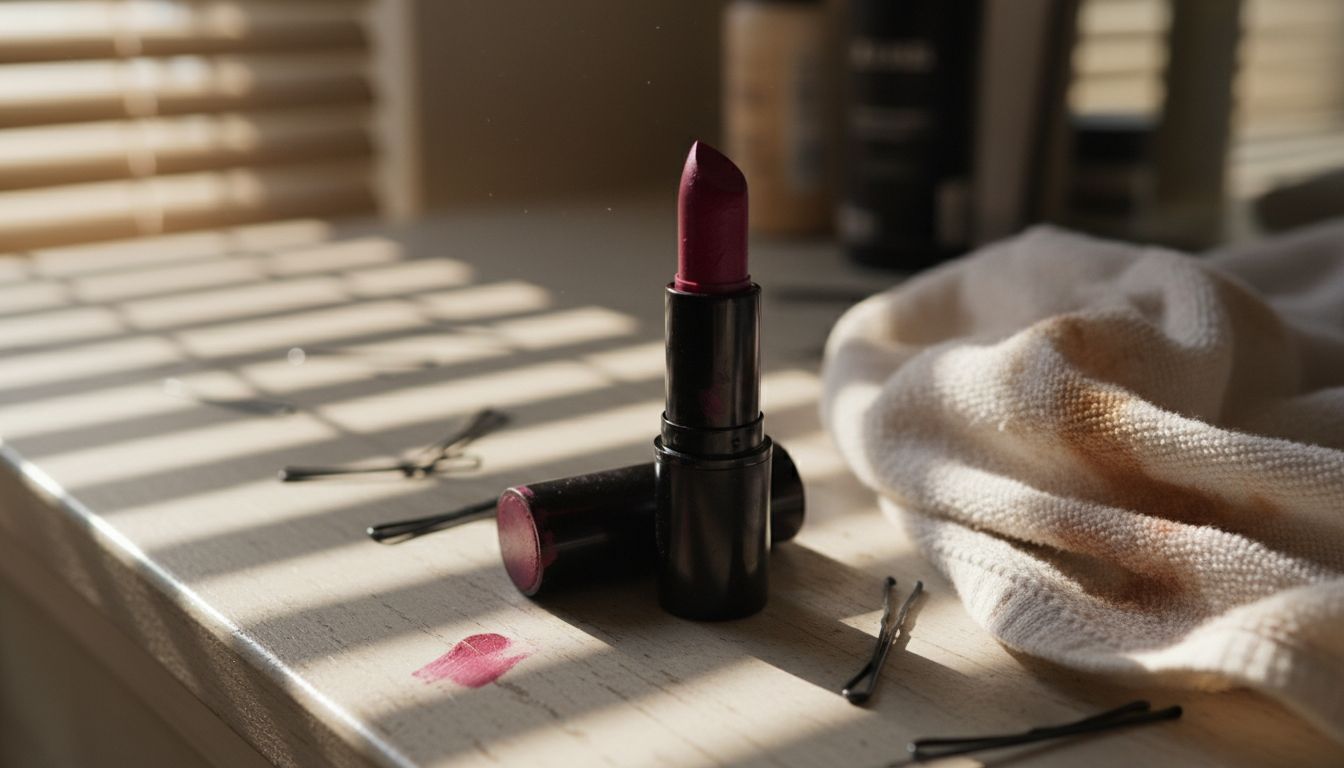
Matte and creme lipstick textures emerge from distinct pigment and ingredient compositions. Matte lipsticks incorporate more filling agents like silica and fewer emollients, resulting in a less glossy, more structured finish. Conversely, creme lipsticks feature higher wax content, delivering a smoother, more luminous appearance. The pigment load directly impacts these textural variations, allowing cosmetic chemists to create diverse sensory experiences.
Key texture variations based on pigment load include:
- Matte Finish: Low oil content, more pigment concentration
- Satin Finish: Balanced oil and pigment ratio
- Glossy Finish: Higher oil content, lower pigment concentration
- Metallic Finish: Additional shimmer particles mixed with pigments
- Velvet Finish: Soft, diffused pigment distribution
Understanding pigment load goes beyond aesthetic considerations. The intricate balance of ingredients determines not just visual appeal, but practical aspects like wear time, color transfer, and lip comfort. Professional makeup artists and cosmetic scientists continuously refine these formulations, transforming lipstick from a simple cosmetic product into a sophisticated expression of color science and personal style.
Health And Safety Considerations
Cosmetic safety represents a critical priority in lipstick formulation, with regulatory bodies continuously monitoring potential health risks associated with pigments and ingredients. Certain synthetic dyes have been banned due to significant health concerns, such as Rhodamine B, which has been explicitly prohibited in cosmetic products to protect consumer health. These stringent regulations demonstrate the cosmetic industry’s commitment to ensuring product safety.
Heavy metal contamination remains a significant concern in lipstick manufacturing, with substances like lead potentially posing serious health risks. Manufacturers must implement rigorous testing protocols to minimize contaminant levels and ensure consumer protection. The presence of trace heavy metals can occur through various manufacturing processes, making continuous monitoring and quality control essential for safe cosmetic production.
Key health and safety considerations for lipstick include:
- Chemical Composition: Screening for harmful synthetic compounds
- Heavy Metal Testing: Monitoring lead and other toxic metal levels
- Allergen Identification: Detecting potential skin irritants
- Microbial Safety: Preventing bacterial contamination
- Long-term Exposure Analysis: Evaluating cumulative health impacts
Consumers can protect themselves by choosing products from reputable manufacturers, checking ingredient lists, and understanding potential sensitivities. The cosmetic industry continues to evolve, with increasing transparency and advanced testing methods ensuring that lipsticks not only provide beautiful color but also meet the highest safety standards. Ongoing research and regulatory oversight play a crucial role in safeguarding consumer health while maintaining the artistry and innovation of cosmetic formulations.
How To Apply For Best Results
Achieving a flawless lipstick application requires more than just swiping color across your lips. Professional makeup artists recommend a strategic approach that maximizes color payoff and ensures long-lasting wear. Precision begins with carefully lining the lips to create a clean, defined boundary and prevent color bleeding, ultimately enhancing the overall sophistication of your lip look.
The application process for high-pigment lipsticks involves several critical steps that transform makeup from a simple cosmetic routine to an art form. Start by preparing your lips through gentle exfoliation to remove dead skin cells, creating a smooth canvas that allows pigments to adhere more effectively. Use a lip primer to establish a base that helps the lipstick glide on smoothly and increases its staying power. When applying the lipstick, begin at the center of your lips and work outward, using precise, controlled strokes to build color gradually.
Key application techniques for perfect high-pigment lipstick include:
- Lip Preparation: Exfoliate and moisturize beforehand
- Precision Lining: Use a matching lip liner for crisp edges
- Layering Technique: Build color in thin, controlled layers
- Blotting Method: Remove excess product for longer wear
- Touch-up Strategy: Carry lipstick for quick midday refreshes
Mastering high-pigment lipstick application is about understanding the interplay between texture, technique, and personal style. Experiment with different application methods to discover what works best for your unique lip shape and desired look. Remember that confidence is the ultimate finishing touch - wear your bold color with the assurance that comes from knowing you’ve applied it with professional precision.
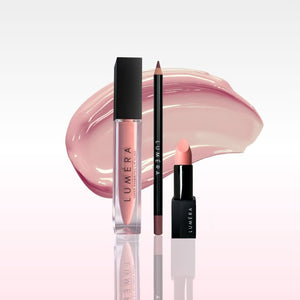
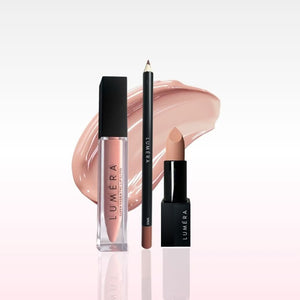
Discover Bold Color and Lasting Confidence with Luméra Cosmetica
Struggling to find lipstick that truly delivers intense, long-lasting color without fading or discomfort? High pigment lipsticks offer vibrant, single-stroke coverage but achieving the perfect look takes the right products and preparation. At Luméra Cosmetica, we understand your goal to express bold confidence with flawless lip color that stays true all day long.
Our carefully crafted solutions embrace the science of pigment load and texture while prioritizing lip health. Complement your high pigment lipstick with nourishing options like our LIP OIL – Luméra Cosmetica to keep your lips moisturized and comfortable through every wear. For a complete radiant look, explore our Face Makeup for Every Skin Type | Natural Radiance by Luméra Cosmetica collection to create a seamless canvas that enhances your bold lip color.
Elevate your lipstick experience today with Luméra Cosmetica. Visit https://lumeracosmetica.com now to find vibrant lip products that combine advanced pigment technology with skin-loving ingredients. Start making bold color your signature confidence statement.
Frequently Asked Questions
What does high pigment lipstick mean?
High pigment lipstick refers to cosmetic formulations that deliver intense, vibrant color with maximum saturation. These lipsticks provide bold shades with minimal application, offering complete coverage and long-lasting wear.
How do I apply high pigment lipstick for the best results?
For optimal results, prepare your lips by exfoliating and moisturizing, then line them with a matching lip liner. Apply the lipstick starting from the center, using controlled strokes to build the color. Blot to remove excess product and carry lipstick for touch-ups throughout the day.
What are the different types of pigments used in lipsticks?
Lipsticks typically include mineral pigments (like iron oxides), synthetic dyes, organic colorants, and mica. Iron oxides create earthy tones, while synthetic red dyes add vivid colors, and mica provides shimmer.
What should I consider regarding the safety of high pigment lipsticks?
When considering safety, check for harmful synthetic compounds, heavy metal levels, potential allergens, and microbial safety. Choosing products from reputable brands with transparent ingredient listings is important to ensure safety.