Types of Lipstick: A Complete Guide for Women 30–60

TL;DR:
- Lipstick types vary by ingredients and finish, influencing texture, wear time, and look. Understanding these differences allows for better control over lip appearance and comfort throughout the day.
Types of lipstick are defined by their unique combinations of ingredients and finishes, each delivering a distinct texture, wear time, and visual effect. The main categories include matte, cream, satin, gloss, sheer, metallic, stain, and tinted formulas. MAC Cosmetics, Charlotte Tilbury, and NARS have built entire product lines around these distinctions, and beauty expert Alena Pierce consistently points to undertone matching as the single biggest factor in choosing the right formula. Understanding what separates these formulas gives you real control over how your lip look performs from morning to evening.
What are the main types of lipstick?
The core lipstick categories are defined by their finish, texture, pigment concentration, and wear time. Each type serves a different purpose, and knowing the differences helps you build a lip wardrobe that works for every occasion.
Matte lipstick delivers full, flat color with no shine. Film-forming agents and wax blends create strong transfer resistance and bold pigment payoff. The tradeoff is a firmer feel on the lips, which some users find drying over long wear.
Cream lipstick sits between matte and gloss. It offers rich color with a soft, slightly luminous finish. The higher oil content keeps lips comfortable throughout the day, making it one of the most forgiving formulas for everyday wear.
Satin lipstick has a smooth, low-shine finish that reads as polished without being flashy. It blends the color payoff of a matte with just enough glide to feel comfortable. This finish photographs beautifully and works well in professional settings.
Gloss provides high shine and a plumping visual effect. Lip gloss has surged in popularity for its fresh, youthful look and is frequently layered over other formulas for added dimension. Wear time is shorter than matte or cream, but the effect is immediate and striking.
Sheer lipstick delivers a wash of color with minimal pigment. It is the most forgiving formula for quick application and works well for low-effort, everyday looks.
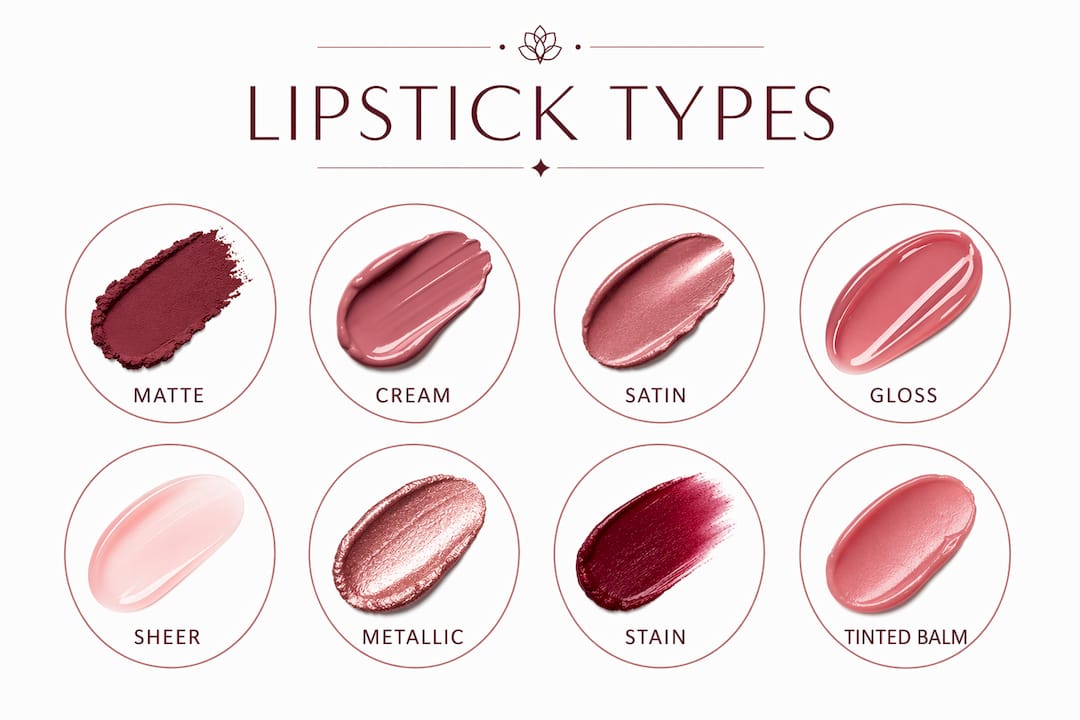
Metallic lipstick uses reflective pigments to create a foil-like finish. It reads as high-impact and is best reserved for evening or event wear.
Lip stains offer a different approach entirely. Stains provide transfer-proof color that lasts throughout the day without heavy product buildup. They suit low-maintenance routines and deliver a natural, lived-in look.
Tinted lip balms sit at the lightest end of the spectrum. They combine moisture with a hint of color, making them ideal for daily wear when you want protection and a subtle tint without committing to a full lip look.
| Lipstick Type | Finish | Pigmentation | Wear Time | Best For |
|---|---|---|---|---|
| Matte | Flat, no shine | High | Long | Bold day or evening looks |
| Cream | Soft luminous | High | Medium | Everyday wear |
| Satin | Low shine | Medium-high | Medium | Office, daytime events |
| Gloss | High shine | Low-medium | Short | Layering, evening, casual |
| Sheer | Translucent | Low | Short | Quick, natural looks |
| Metallic | Reflective | High | Medium | Parties, events |
| Lip Stain | Natural flush | Medium | Very long | Low-maintenance routines |
| Tinted Balm | Glossy | Very low | Short | Daily hydration with color |
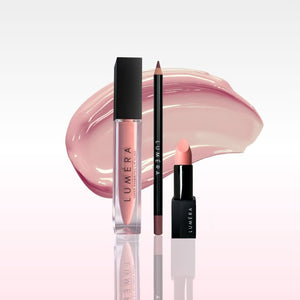
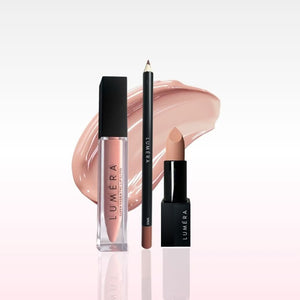
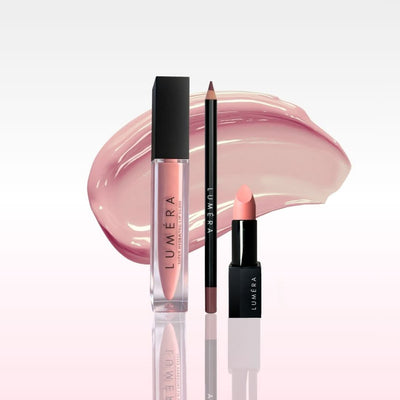
Modern lipsticks come in diverse formats, including traditional bullet tubes, liquid wand applicators, and crayon sticks. The packaging usually signals the formula: bullet tubes for matte and cream, wand applicators for gloss and liquid formulas.
Pro Tip: If you want the color payoff of a matte with the comfort of a cream, apply a thin layer of cream lipstick first, let it set for 30 seconds, then press a matte shade on top.
How do lipstick ingredients affect wear and comfort?
The formula inside the tube determines everything about how a lipstick feels, lasts, and looks. Standard lipstick formulas contain eight core components: waxes, oils and fats, pigments, fragrances, emollients, preservatives, alcohol, and sunscreen. The ratio of these ingredients is what separates a drying matte from a comfortable cream.
Waxes give lipstick its structure and help it hold shape in the bullet. Oils and fats provide slip and moisture. Emollients soften the feel on the lips and reduce the tight, dry sensation that some formulas cause. The role of emollients in lipstick comfort is significant, particularly for users over 40 whose lips tend to be drier.
Pigments come from organic and inorganic sources, and the origin affects shade intensity, odor, and safety profile. Inorganic pigments tend to be more stable and longer-lasting. Organic pigments often produce more vibrant, saturated tones.
A common misconception is that all long-wear lipsticks are drying. The dryness depends on the wax-to-oil ratio, not simply on wear time. A well-formulated long-wear lipstick with a balanced emollient base can feel comfortable for hours. The fix for a drying formula is usually layering, not switching products entirely.
Pro Tip: Apply a hydrating lip oil over your matte lipstick to restore comfort without sacrificing color. Press it gently onto the lips rather than rubbing to preserve the finish.
Which lipstick types suit different skin tones and occasions?
Choosing the right lipstick formula is only half the decision. The shade matters just as much, and skin undertone is the most reliable guide. Expert Alena Pierce recommends matching lipstick undertones to skin tone for the most flattering results.
For fair skin, pinks and peaches with cool or neutral undertones create a fresh, balanced look. Avoid shades that are too close to your natural lip color, as they can wash you out.
For brown skin, warm nudes, terracottas, and berries work beautifully. These shades complement the warmth in medium to deep complexions without reading as too pale or too dark.
For dark skin, bold plums, deep reds, and metallics deliver the most impact. Bold plums and metallics are specifically recommended for deeper skin tones because they provide contrast and richness rather than disappearing against the complexion.
Occasion matters just as much as skin tone. Satin and sheer lipsticks are ideal for office wear, while glossy and metallic finishes are better suited for parties and events. A cream or satin formula in a neutral shade is the most versatile choice for daily wear across all skin tones.
For guidance on pairing shades with your specific undertone, the lip color selection guide from Lumeracosmetica breaks down the process by skin tone category.
Pro Tip: If you are unsure of your undertone, look at the veins on your inner wrist. Blue or purple veins indicate a cool undertone. Green veins point to warm. A mix of both means neutral, which gives you the widest range of flattering shades.
What application tips improve lipstick longevity for mature users?
Lipstick application technique matters more as you get older. Lips lose volume and moisture over time, which means formulas that worked at 25 may feel different at 45. These steps make a measurable difference in how long your lipstick lasts and how comfortable it feels.
- Exfoliate first. Use a soft lip scrub or a damp washcloth to remove dry skin before applying any product. Lipstick clings to texture and settles into fine lines when the surface is not smooth.
- Apply a lip primer or concealer. This creates a neutral base that extends wear time and prevents color from bleeding into the lines around your mouth.
- Line with a lip liner. Trace just inside the natural lip line to define shape and give the lipstick something to grip. This step alone can add an hour or more to your wear time.
- Apply lipstick in thin layers. One thin coat, blot with a tissue, then apply a second coat. This builds color without the heavy, cakey feel that thick single applications create.
- Seal with a setting spray or lip oil. A light mist of setting spray locks the color in place. A drop of lip gloss layered on top adds shine and moisture without removing the color underneath.
For users who find matte formulas too drying, layering a hydrating lip oil over the finished look is the most effective fix. Layering lip oil over matte lipstick increases comfort without significantly reducing wear time. This technique is particularly useful for anyone over 40 who wants the bold look of a matte without the tightness.
For a deeper breakdown of this process, Lumeracosmetica’s long-lasting lipstick method covers each step with product-specific recommendations.
Pro Tip: For women over 40, avoid very dark matte shades applied heavily. They can emphasize fine lines around the mouth. A satin or cream formula in the same shade reads as equally bold but sits more softly on mature lips.
Key takeaways
The right lipstick type is determined by formula, finish, and skin tone, not personal preference alone.
| Point | Details |
|---|---|
| Formula defines performance | Wax-to-oil ratio controls comfort, wear time, and finish more than any other factor. |
| Eight core ingredients | Waxes, oils, pigments, emollients, fragrances, preservatives, alcohol, and sunscreen make up every formula. |
| Skin tone guides shade choice | Fair skin suits pinks and peaches; brown skin favors warm nudes; dark skin shines with bold plums and metallics. |
| Layering solves dryness | A lip oil pressed over matte lipstick restores comfort without stripping color or wear time. |
| Occasion shapes finish choice | Satin and sheer work for daytime; gloss and metallic are best reserved for evening and events. |
What i have learned from years of wearing every lipstick formula
I spent years defaulting to matte lipsticks because they looked the most polished in photos. What I did not account for was how they felt by 3 p.m. after a long day. The tightness, the flaking at the corners, the way they settled into every line around my mouth. It took switching to a cream formula layered under a matte to realize I had been fighting my lips instead of working with them.
The insight that changed everything for me was understanding that comfort and longevity are not opposites. A well-formulated cream or satin lipstick with a lip liner underneath outlasts a carelessly applied matte every time. The finish may be slightly less flat, but the overall look holds better and feels better through a full day.
My honest advice for anyone in the 30–60 age range: stop chasing the driest, most transfer-proof formula and start paying attention to how your lips feel two hours after application. If you are constantly reapplying or feeling uncomfortable, the formula is wrong, not your lips. Try layering a sheer gloss or lip oil over your current lipstick before you buy something new. That one step solves more problems than switching products entirely.
— Rebecca
Explore lumeracosmetica’s lipstick range
Lumeracosmetica carries lipstick formulas across every finish category covered in this article, from transfer-resistant mattes to hydrating tinted balms. Each formula is developed with ingredient balance in mind, so you get color payoff without sacrificing comfort. Whether you are building a daily routine around a reliable cream formula or experimenting with a bold metallic for a special occasion, the full lip collection gives you the range to find what works for your skin tone, lifestyle, and personal style. Browse by finish, shade family, or formula type to narrow down your options quickly.
FAQ
What are the main types of lipstick finishes?
The main lipstick finishes are matte, cream, satin, gloss, sheer, and metallic. Each finish is created by adjusting the ratio of waxes, oils, and film-forming agents in the formula.
Is matte lipstick more drying than other kinds of lipstick?
Matte lipstick can feel drying, but the dryness depends on the wax-to-oil ratio in the formula, not the finish alone. Layering a lip oil over a matte shade significantly improves comfort without removing the color.
Which lipstick types last the longest?
Lip stains and matte liquid lipsticks offer the longest wear time because they use film-forming agents that resist transfer and moisture. Stains in particular provide transfer-proof color that lasts all day with minimal touch-ups.
How do i choose a lipstick shade for my skin tone?
Match your lipstick undertone to your skin undertone. Fair skin suits pinks and peaches, brown skin favors warm nudes and berries, and dark skin looks best with bold plums and metallics, according to expert Alena Pierce.
Can i layer different lipstick types together?
Yes, layering is one of the most effective techniques for customizing finish and wear. Apply a cream or satin base for comfort, then press a matte shade on top for color, and finish with a gloss or lip oil for shine and hydration.