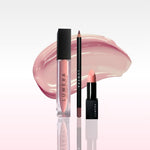
Lip makeup removal guide for sensitive skin in 2026

Removing lip makeup might seem straightforward, but for women over 40 with sensitive skin, it often becomes a frustrating challenge. Harsh removers strip moisture, leaving lips dry and irritated, while incomplete removal can clog pores and accelerate aging. Your lips deserve better than rough rubbing or chemical-laden wipes. This guide delivers expert-backed techniques specifically designed to dissolve stubborn lipstick gently, protect delicate lip tissue, and maintain the soft, healthy lips you want. You’ll discover the right products, step-by-step methods, and daily habits that transform removal from a damaging chore into a nourishing ritual.
Table of Contents
- Understanding Lip Skin Sensitivity After 40
- Essential Tools And Products For Gentle Lip Makeup Removal
- Step-By-Step Lip Makeup Removal Technique
- Troubleshooting Common Issues And Maintaining Lip Health Post-Removal
- Explore Luméra’s Lipstick And Lip Care Solutions
- FAQ
Key takeaways
| Point | Details |
|---|---|
| Oil-based removers work best | They dissolve lipstick effectively without stripping natural moisture or causing irritation. |
| Gentle technique prevents damage | Pressing and patting instead of rubbing protects thin, aging lip skin from trauma. |
| Hydration is essential | Moisturizing before and after removal maintains barrier function and prevents dryness. |
| Avoid harsh ingredients | Skip alcohol, fragrance, and chemicals that worsen sensitivity and accelerate aging. |
| Daily removal supports health | Consistent gentle cleansing prevents buildup and keeps lips soft and smooth. |
Understanding lip skin sensitivity after 40
Your lips change dramatically as you age, and understanding these shifts helps you protect them during makeup removal. Lips become thinner and less hydrated with age, increasing sensitivity and susceptibility to damage during makeup removal. The delicate skin loses collagen and elastin, making it more vulnerable to cracking, peeling, and irritation from products you once tolerated easily.
Natural oil production declines after 40, leaving lips drier and less resilient. This reduction means your lip barrier weakens, allowing irritants to penetrate more easily and moisture to escape faster. When you remove makeup without accounting for this fragility, you risk stripping away protective oils your lips desperately need. Harsh rubbing or chemical removers exacerbate these problems, creating a cycle of damage that shows up as chronic dryness, fine lines, and increased sensitivity.
Recognizing these biological changes transforms how you approach removal. Your lips need gentler handling, richer hydration, and products specifically formulated to work with aging skin rather than against it. The right removal method preserves your lip barrier, maintains moisture balance, and prevents the irritation that makes wearing lipstick uncomfortable. A thoughtful lipstick routine for women 40 plus includes removal techniques that support rather than compromise lip health.
Key factors affecting lip sensitivity after 40:
- Reduced collagen and elastin thin the lip tissue
- Decreased natural oil production causes persistent dryness
- Weakened barrier function increases irritation susceptibility
- Slower cell turnover delays healing from damage
- Environmental exposure accumulates over decades
Understanding these changes empowers you to choose removal methods that work with your lips’ current needs. Instead of fighting against aging, you adapt your routine to protect and nourish the delicate skin that deserves careful attention.
Essential tools and products for gentle lip makeup removal
Selecting the right removal products makes the difference between healthy, comfortable lips and ongoing irritation. Oil-based removers dissolve lipstick effectively without stripping moisture or irritating sensitive skin. These formulations work by breaking down waxy, pigmented lipstick components through gentle emulsification rather than harsh scrubbing or chemical action.
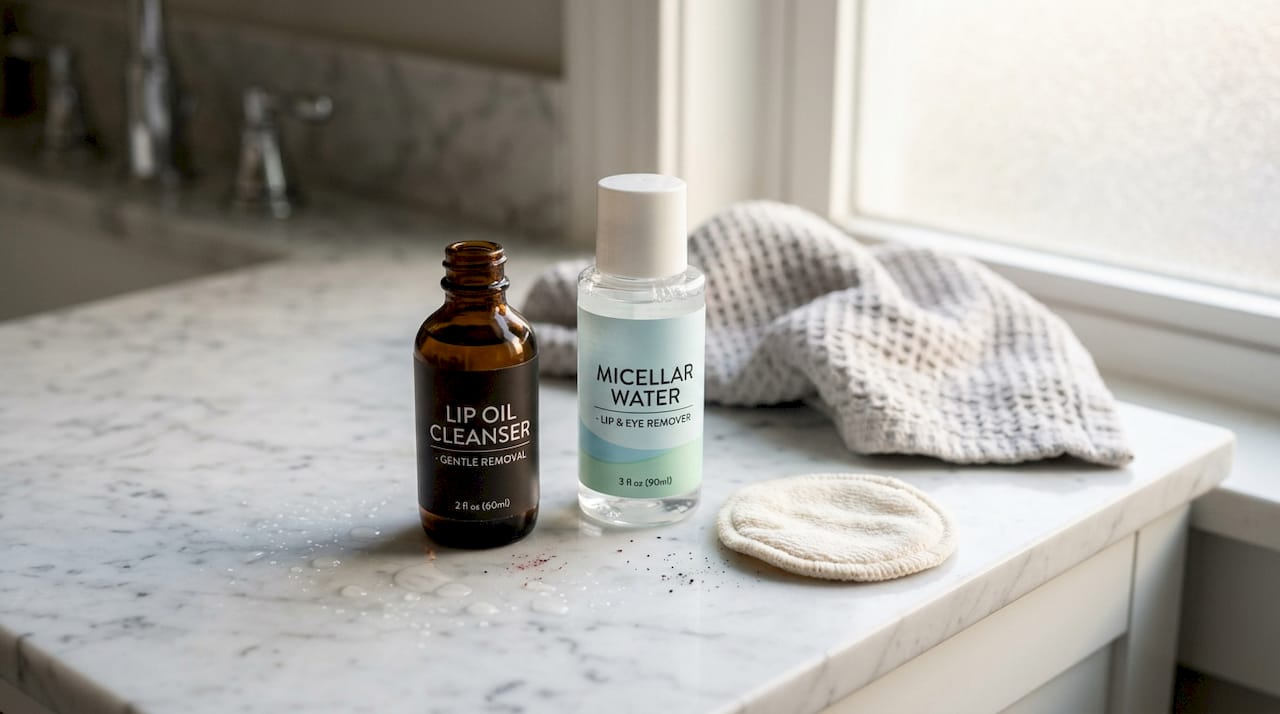
Micellar water designed specifically for lips offers another excellent option for sensitive skin. The tiny micelles attract and lift makeup particles without requiring friction or rinsing. Natural oils like jojoba, almond, or coconut provide gentle removal while simultaneously nourishing lips with fatty acids and vitamins. These plant-based options work beautifully for women who prefer simpler, more natural beauty routines.
Pro Tip: Test any new remover on a small area of your inner lip first, waiting 24 hours to check for redness, tingling, or irritation before using it fully.
Your removal tools matter as much as the products themselves. Soft cotton pads provide gentle texture without scratching delicate skin. Microfiber cloths offer reusable options that lift makeup with minimal pressure. Silicone lip cleansing pads give targeted cleaning for stubborn products while remaining gentle enough for daily use. Whatever tool you choose, ensure it’s clean and soft to avoid introducing bacteria or causing mechanical irritation.
Ingredients and products to avoid completely:
- Alcohol-based removers that dry and crack lips
- Fragranced wipes that trigger allergic reactions
- Harsh chemical solvents that strip protective oils
- Rough textured pads that scratch thin skin
- Expired products that lose effectiveness and safety
Avoiding alcohol and fragrance in removers helps protect sensitive lip skin from unnecessary irritation and damage. These common ingredients provide no removal benefit but significantly increase the risk of dryness, redness, and allergic responses. Reading ingredient lists becomes essential when you have sensitive skin that reacts to seemingly minor components.
Comparing removal product types helps you make informed choices:
| Product Type | Gentleness | Effectiveness | Best For |
|---|---|---|---|
| Oil-based remover | Very high | Excellent | Long-wear lipstick, sensitive skin |
| Micellar water | High | Good | Daily wear, quick removal |
| Natural oils | Very high | Good | Natural routines, nourishment |
| Cleansing balm | High | Excellent | Stubborn products, dry lips |
| Makeup wipes | Low | Fair | Travel only, not recommended |
Investing in quality removal products protects your lips from damage while making the process easier and more effective. The right combination of skin-friendly lipstick ingredients in both your lipstick and remover creates a complete system that supports lip health throughout your beauty routine.
Step-by-step lip makeup removal technique
Following a consistent, gentle removal process ensures thorough cleansing without causing damage or irritation. This method works for all lipstick formulas, from sheer tints to long-wearing liquid lipsticks that seem permanently bonded to your lips.
-
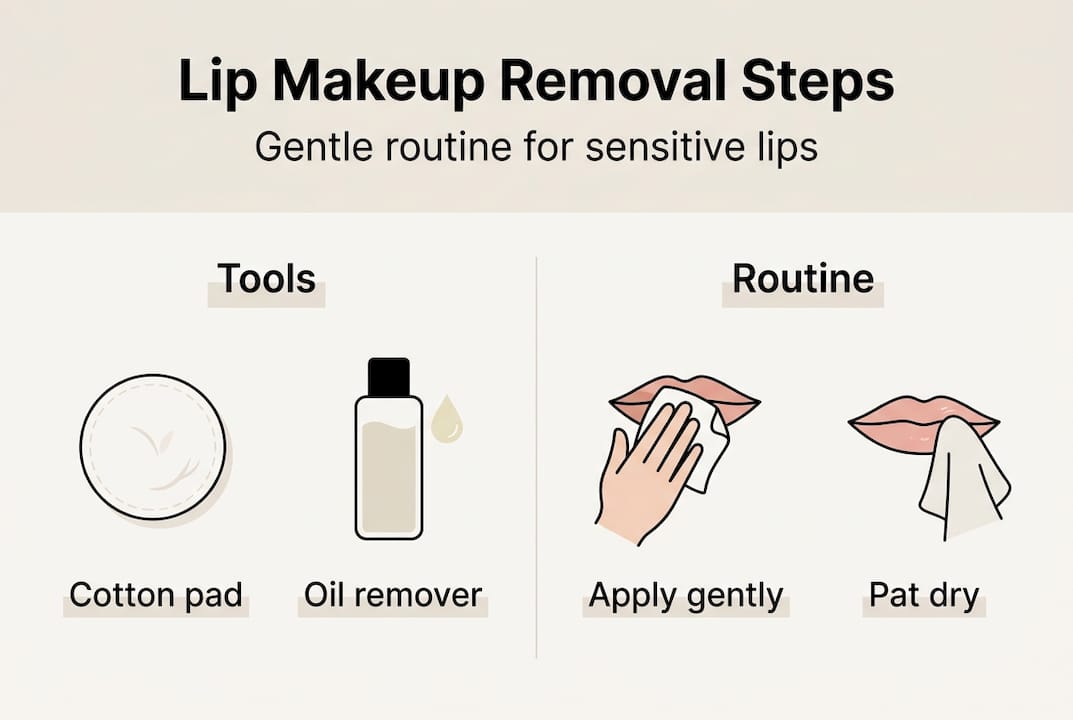
Prepare your lips by lightly misting them with water or a hydrating spray. This initial moisture helps the remover spread evenly and prevents pulling on dry skin.
-
Apply your chosen oil-based remover generously to a soft cotton pad. Don’t skimp on product, adequate saturation makes removal gentler and more effective.
-
Press the saturated pad gently against your lips for 10 to 15 seconds without moving it. Avoid rubbing or scrubbing lips harshly; instead, gently press remover onto the lips for a few seconds before wiping. This pressing action allows the remover to dissolve the lipstick rather than forcing it off through friction.
-
Wipe in gentle downward strokes from the center of your lips outward. Use light pressure and let the dissolved makeup transfer to the pad naturally.
-
Repeat with fresh pads until no color transfers. Stubborn formulas may require two or three rounds, which is normal and preferable to aggressive scrubbing.
-
Pat your lips dry with a clean, soft towel using gentle dabbing motions. Never rub back and forth, as this creates unnecessary friction on freshly cleaned skin.
-
Immediately apply a nourishing lip balm formulated for sensitive skin. Patting lips dry after removal and applying nourishing balm helps maintain lip moisture balance and prevents the tight, dry feeling that often follows makeup removal.
Pro Tip: If you need slight exfoliation to remove flaky skin, use very gentle circular motions with your remover-soaked pad, applying no more pressure than you would when applying moisturizer.
Never use makeup wipes containing alcohol or harsh chemicals on sensitive lips. These convenient products often cause more harm than good, leading to cracking, peeling, and increased sensitivity that makes future lipstick application uncomfortable.
This methodical approach transforms removal from a rushed afterthought into a caring ritual that supports lip health. Taking an extra minute to remove makeup properly prevents hours of discomfort from irritated, damaged lips. The long-lasting lipstick method you use during the day deserves an equally thoughtful removal process at night.
Consistency matters more than perfection. Following these steps daily, even when tired, protects your lips from cumulative damage that accelerates aging and sensitivity. Your future self will thank you for the gentle care you provide today.
Troubleshooting common issues and maintaining lip health post-removal
Even with careful technique, you might encounter challenges during or after makeup removal. Understanding common problems and their solutions helps you adjust your routine for better results and healthier lips.
Lingering makeup residue frustrates many women, especially after removing long-wear formulas. This usually indicates insufficient remover saturation or not allowing enough contact time for the product to break down the lipstick. Try using more remover and extending your pressing time to 20 seconds before wiping. Some ultra-matte liquid lipsticks require oil-based removers specifically, as micellar water alone won’t dissolve their polymer base.
Dryness after removal signals that your remover or technique strips too much natural moisture. Switch to an oil-based formula if you’re currently using micellar water, or add a hydrating mist before removal. Improper removal can lead to dry, cracked, or irritated lips that worsen with age, creating a cycle of damage that becomes increasingly difficult to reverse.
Common removal problems and solutions:
| Problem | Likely Cause | Solution |
|---|---|---|
| Makeup won’t come off | Insufficient remover or contact time | Use more product, press longer before wiping |
| Lips feel tight and dry | Harsh remover or over-wiping | Switch to oil-based formula, apply balm immediately |
| Redness or stinging | Sensitivity to ingredients | Choose fragrance-free, alcohol-free products |
| Flaky, peeling skin | Excessive rubbing or exfoliation | Use gentler pressure, reduce removal frequency |
| Persistent irritation | Allergic reaction | Discontinue product, consult dermatologist |
Sensitivity flare-ups require immediate attention and routine adjustments. If your lips become red, swollen, or painful after removal, you’re likely reacting to an ingredient in your remover. Switch to pure natural oils like jojoba or almond temporarily while identifying the problematic ingredient. Patch testing new products before full use prevents these uncomfortable reactions.
Maintaining lip health extends beyond the removal process itself. Daily habits compound to either support or undermine your efforts. Nourishing ingredients like shea butter and vitamin E restore softness and protect delicate lip skin when applied consistently after removal and throughout the day.
Essential habits for healthy lips after 40:
- Drink adequate water to maintain hydration from within
- Apply SPF lip balm daily to prevent sun damage
- Eat foods rich in omega fatty acids for barrier support
- Avoid licking lips, which increases dryness
- Use a humidifier in dry climates or heated rooms
- Replace lip products every six months to prevent bacteria
Over-exfoliating tempts many women who struggle with flaky lips, but this approach backfires by damaging the protective barrier and increasing sensitivity. Limit physical exfoliation to once weekly at most, focusing instead on hydration and gentle removal techniques that prevent flaking in the first place. When lips are properly moisturized and gently cleaned, dead skin naturally sloughs away without aggressive scrubbing.
Balancing thorough removal with gentle care creates the foundation for comfortable lipstick wear and healthy aging lips. Your removal routine should leave lips feeling clean, soft, and ready for nourishing treatment, never tight, irritated, or damaged. Adjusting products and techniques based on your lips’ feedback ensures your routine evolves with your changing needs. The lip makeup longevity steps women over 40 2026 approach emphasizes this balance between effective makeup use and careful lip care.
Explore Luméra’s lipstick and lip care solutions
Now that you understand gentle removal techniques, discover lipsticks designed to work with your sensitive skin rather than against it. Luméra Cosmetica formulates products specifically for mature lips, combining rich color with moisturizing ingredients that support lip health throughout wear. The perfect kiss lipstick delivers vibrant, long-lasting color while nourishing lips with hydrating components that prevent the dryness many long-wear formulas cause.
Pairing quality lipstick with proper removal protects your investment in lip health. When your lipstick contains skin-friendly ingredients and your removal routine prioritizes gentleness, you create a complete system that lets you enjoy beautiful color without compromising comfort or accelerating aging. Visit the Luméra Cosmetica homepage to explore the full collection of lip products designed with your needs in mind, plus additional beauty tips tailored for women over 40.
FAQ
Is it safe to use regular makeup removers on sensitive lips?
Regular facial makeup removers often contain alcohol, fragrances, or surfactants too harsh for delicate lip skin. These ingredients can cause immediate stinging or long-term damage like chronic dryness and increased sensitivity. Choose removers specifically formulated for lips or eyes, as these areas require gentler care than facial skin.
How often should I remove lip makeup to keep my lips healthy?
Remove lip makeup every single day before sleeping, regardless of how tired you feel. Leaving lipstick on overnight clogs pores, prevents natural moisture restoration, and accelerates aging through accumulated irritation. Consistent gentle removal each evening maintains softness and prevents the buildup that leads to chronic problems.
Can natural oils replace commercial lip makeup removers?
Natural oils like jojoba, almond, and coconut effectively dissolve lipstick while simultaneously nourishing lips with fatty acids and vitamins. They work beautifully for sensitive skin and often outperform commercial removers in gentleness. Always patch test first to rule out rare allergies, then use them confidently as your primary removal method.
What ingredients should I avoid in lip makeup removers?
Avoid alcohol, synthetic fragrances, sulfates, parabens, and harsh chemical solvents in any product touching your lips. These ingredients strip protective oils, trigger allergic reactions, and worsen sensitivity without improving removal effectiveness. Choose formulations featuring natural oils, gentle emulsifiers, and hydrating components that protect while cleansing.
Why do my lips feel dry even after using moisturizing remover?
Dryness after removal typically indicates you’re rubbing too hard, using insufficient balm afterward, or your remover still contains drying ingredients despite marketing claims. Increase your post-removal balm application, switch to pure oil-based removal, and ensure you’re pressing rather than scrubbing during the cleaning process.
Recommended
- Lipstick Choices That Nurture Sensitive Mature Lips – Luméra Cosmetica
- Lip makeup longevity steps for women over 40 in 2026 – Luméra Cosmetica
- Natural lip look tutorial for women 40+ in 2026 – Luméra Cosmetica
- Skin‑Friendly Lipstick Ingredients: What Your Lips Really Need – Luméra Cosmetica
- Smoothing Lip Balm – Bare Label™ Beauty