

The Main Types of Lipstick, With Pictures for Every Finish

The main lipstick finishes are matte, satin/cream, glossy, sheer/tint, metallic/frost, stain, and tinted balm/oil, and each one shows up in several delivery formats: bullet, liquid, crayon, pot, or pencil. Finish is about how the color reflects light and feels on your lips; format is about the applicator and how the product gets there. Confusing the two is the single most common mistake shoppers make. Below, you’ll find labeled visual breakdowns of each finish and format, plus quick “best for” notes so you can match a type to your lips, your day, and your patience level for touch-ups.
Here’s the quick map before you scroll:
- Matte — flat, no shine, longest wear, can dry lips
- Satin/cream — soft sheen, hydrating, comfortable everyday wear
- Glossy — high shine, plumping look, shortest wear time
- Sheer/tint — barely there color, buildable, low commitment
- Metallic/frost — reflective shimmer, statement finish, shows texture
- Stain — dye-based color that grips skin, minimal transfer
- Tinted balm/oil — hydration first, color second, easiest to reapply
Quick fact: finish and format aren’t the same axis. A matte finish can come in a bullet, a liquid, or a crayon, and choosing based on finish alone often leads to buying the wrong applicator for how you actually apply lip color, according to Type Beauty’s breakdown of lipstick varieties.
Key Takeaways
Choosing the right lipstick comes down to matching finish (how it looks and feels) and format (how you apply it) to your lip condition, wear-time needs, and the occasion at hand.
| Point | Details |
|---|---|
| Finish and format are separate choices | A matte, satin, or gloss finish can each come in bullet, liquid, or crayon form. |
| Wax-to-oil ratio predicts comfort | Wax-heavy formulas last longer but dry lips faster; oil-heavy formulas feel better but fade sooner. |
| Prep prevents patchy wear | Exfoliate and hydrate before matte or liquid formulas to avoid emphasizing texture. |
| Match shade family to undertone | Warm undertones suit terracotta and warm reds; cool undertones suit berries and true reds. |
| Lumeracosmetica photographs finishes in natural light | Its swatch library shows true sheen and texture across matte, satin, gloss, and balm types for accurate shade comparison. |
See the Full Shade and Finish Collection at Lumeracosmetica
Reading about finishes only gets you so far. Seeing them photographed on real lips, in real light, next to the shade you’re actually considering, is what turns a guess into a confident pick. Lumeracosmetica’s landing page groups its shades by finish and format the same way this guide does, so you can go straight from “I want a hydrating satin in a berry tone” to a photographed match without scrolling through an entire catalog first.
Browse the full photographed shade collection at Lumeracosmetica to compare finishes side by side and find the exact type that fits your lips and your week ahead.
Table of Contents
- Types of Lipsticks With Pictures: A Finish-by-Finish Visual Guide
- Types of Lipsticks With Pictures: A Format-by-Format Breakdown
- What the Ingredients Actually Tell You About Wear and Comfort
- How to Choose the Right Lipstick Type for You
- Choosing Lipstick Shades by Skin Tone and Undertone
- Application and Maintenance Tips by Lipstick Type
- Sources
Types of Lipsticks With Pictures: A Finish-by-Finish Visual Guide
Finish determines everything you notice about a lipstick before you even touch it to your lips: how it catches light on the shelf, how it photographs, and how it wears down over a six-hour day. The primary finish categories consumers recognize are matte, satin/cream, glossy, sheer, and metallic, with stain and tinted balm rounding out the practical list for anyone who wants color without the commitment.
Matte
**
Matte lipstick absorbs light instead of bouncing it back, which is why it reads as flat and velvety rather than shiny. The formula usually leans heavy on wax and pigment with very little oil, so it grips the lip surface and resists transferring onto coffee cups or masks. That same low-oil ratio is why matte can feel drying or emphasize flaky patches if your lips aren’t prepped first. It’s the finish most associated with a “put together” look, and it holds up through long meetings or full workdays better than almost any other type.
Best for: statement color, all-day wear, photos where you don’t want shine washing out the pigment.
Satin/cream
**
Satin and cream finishes sit in the middle ground. They reflect a gentle, low-key sheen rather than a hard shine, and the higher oil content compared to matte formulas makes them noticeably more comfortable on contact. This is the finish most people reach for as a daily driver because it forgives dry patches instead of highlighting them. Wear time lands in the middle, too. Expect it to fade evenly rather than crack or feather.
Best for: everyday wear, first-time lipstick wearers, anyone who finds matte too tight or drying.
Glossy
**
Gloss finishes are built to reflect light, not absorb it, which is exactly what gives lips that plump, wet-look effect. The tradeoff is wear time. Gloss formulas typically carry the highest oil content of any lipstick type, and that same slip that makes them feel weightless also means they transfer easily and need reapplication more often than any other finish. For a deeper look at why this finish reads so differently in photos versus mattes, Lumeracosmetica’s guide to gloss finish appeal breaks down the shine mechanics in more detail.
Best for: layering over other finishes, low-commitment color, younger or more youthful-reading looks.
Sheer/tint
**
Sheer and tinted formulas let your natural lip color show through, so the same shade can look different depending on your own pigmentation. They’re buildable. One layer for a hint of color, two or three for something closer to full opacity. Because pigment load is intentionally low, they rarely feather or settle into fine lines the way heavily pigmented mattes can.
Best for: office days, no-makeup-makeup looks, anyone easing into color for the first time.
Metallic/frost
**
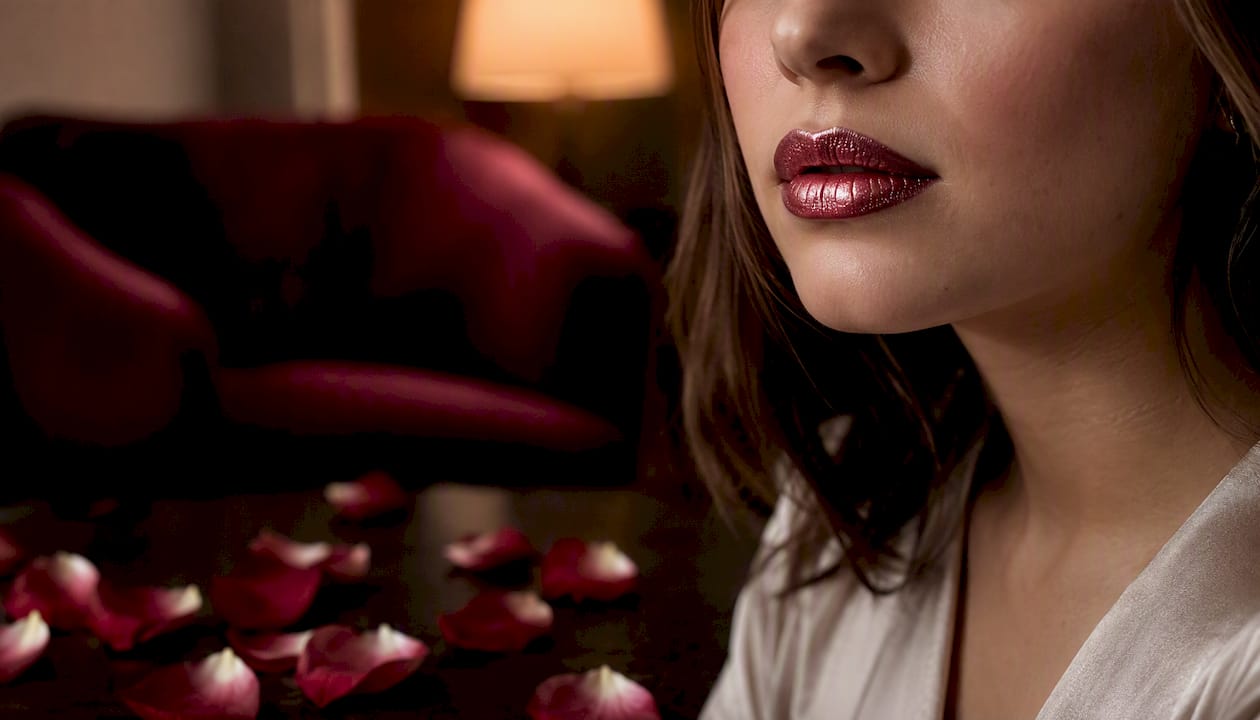
Metallic and frost finishes contain reflective particles suspended in the formula, so they catch light in a way flat mattes and even glosses can’t replicate. That shimmer comes at a cost: it tends to settle into lip lines and dry patches more visibly than a smooth matte or satin would, so prep matters more here than with any other finish.
Best for: evening looks, festival or event makeup, anyone with smooth, well-hydrated lips.
Stain
Lip stains work through dye rather than traditional pigment, which is why they grip the top layer of skin instead of sitting on the surface. That’s what gives stains their signature: color survives eating and drinking far longer than a standard matte, even though the initial finish looks nearly bare. Formulation differences among cream, matte, gloss, stain, and tinted balm types come down largely to how much dye versus wax versus oil each one carries, and stains sit at the dye-heavy end of that spectrum.
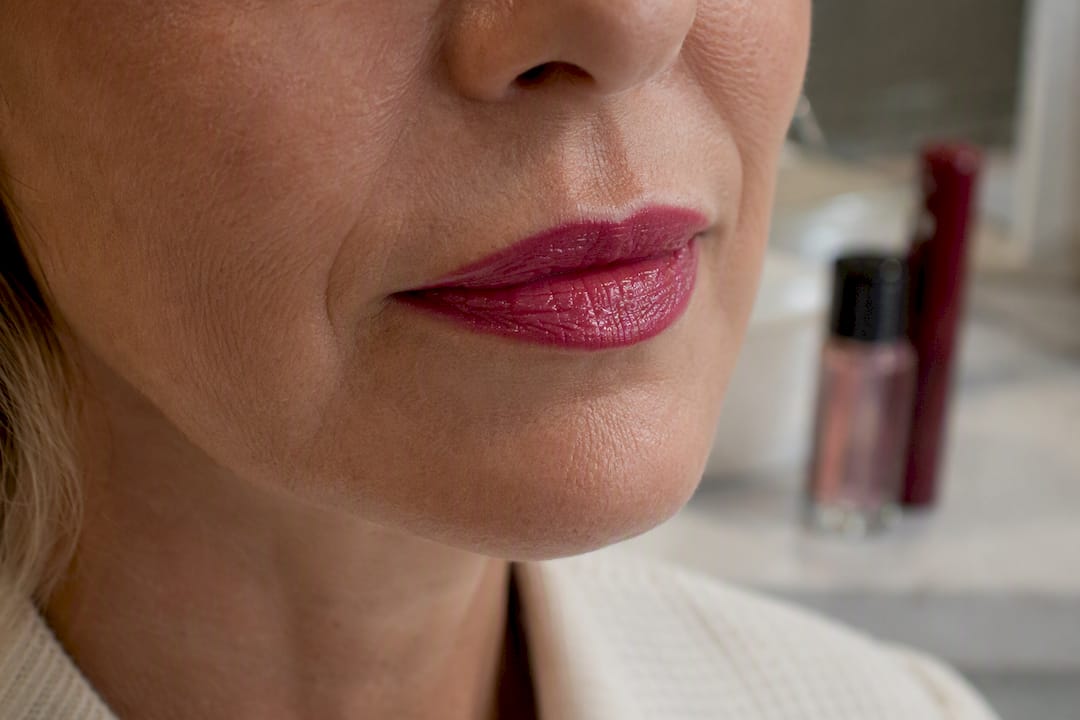
Best for: all-day color with zero touch-ups, minimalist makeup routines.
Tinted balm/oil
**
Tinted balms and oils prioritize skincare over pigment. They’re built from emollient, oil-rich bases with just enough color payoff to warm up your natural lip tone. Lumeracosmetica’s moisturizing lipstick examples show how this category has grown well beyond basic chapstick into genuinely wearable color.
Best for: dry or mature lips, travel, layering under a bolder shade for cushion.
Pro Tip: Keep one matte, one satin, and one tinted balm in rotation. That trio covers most situations without forcing you to guess which finish matches your plans that day.
Types of Lipsticks With Pictures: A Format-by-Format Breakdown
Format is the delivery mechanism, and it changes how precisely you can apply color, how the product wears through the day, and how easily you can layer it with other products. The same finish can exist across multiple formats, which is exactly why format deserves its own decision separate from finish.
Bullet
**
The bullet is the classic twist-up tube most people picture when they hear “lipstick.” One swipe gives full color, and the higher wax content in most bullets means they can actually disguise lip texture better than sheer liquid formulas would.
Best for: quick application, portability, most matte and satin finishes.
Liquid (doe-foot)
**
Liquid lipsticks use a doe-foot wand, a soft sponge tip that deposits color and lets you build precise edges around the cupid’s bow. Liquid mattes lock in for hours, but the film-forming ingredients that give them staying power will emphasize any dry patches or fine lines if you skip prep first.
Best for: sharp lip liner-free edges, long-wear mattes and stains.
Crayon
**
Crayon lipsticks twist up like an oversized colored pencil. The wider tip trades precision for speed, making them the fastest format for a quick reapply without a mirror.
Best for: on-the-go touch-ups, sheer and satin finishes.
Pot/palette
**
Pots and palette formats require a brush, which slows application but gives you full control over placement and how much product you deposit. They’re common for richly pigmented mattes and custom-mixed shades.
Best for: precision application, multi-shade customization at the vanity.
Pencil/marker
**
Pencils and marker-style formats offer the finest tip of any format, built for lining and detail work rather than full coverage.
Best for: defining edges before filling in with a bullet or liquid, preventing feathering.
What the Ingredients Actually Tell You About Wear and Comfort
Reading a lipstick’s ingredient list is more useful than reading its finish name on the shelf. Wax-to-oil ratio is the single biggest predictor of how a formula will feel and behave, arguably more useful than the finish label itself, since two “matte” lipsticks from different brands can wear completely differently depending on that ratio.
More wax means more structure and staying power, but also more drag across dry lips. More oil means slip and comfort, but shorter wear and a higher chance of the color migrating outside your lip line by midafternoon. Types across the cream, matte, gloss, and stain spectrum map fairly predictably onto this scale: mattes sit wax-heavy, glosses and tinted balms sit oil-heavy, and satins land in between.
A few ingredient flags worth checking before you buy:
- Film-formers (like the polymers in liquid mattes) lock color in place but need moisturized lips underneath, or they’ll cling to every dry patch.
- Emollients such as shea butter or jojoba oil signal a formula built for comfort over longevity.
- Drying alcohols, listed high on an ingredient panel, often explain why a matte you loved in the store felt tight and uncomfortable by hour three.
- High pigment load gives one-swipe opacity but usually comes paired with a wax-heavy, less forgiving texture.
None of this shows up in a swatch photo, which is exactly why the finish name on the label only tells half the story.
How to Choose the Right Lipstick Type for You
Run through this checklist before you buy:
- How much comfort do you need versus how long does it need to last? These two goals usually pull in opposite directions.
- Will it transfer onto glasses, masks, or people? If that’s a dealbreaker, lean toward stain or matte over gloss.
- What condition are your lips in today? Dry, flaky, or chapped lips need oil-forward formulas regardless of what finish you’d prefer.
- What finish actually fits the occasion? A boardroom presentation and a night out don’t call for the same shine level.
Four fast scenario picks if you don’t want to overthink it:
- Everyday wear: tinted balm or a satin bullet. Comfortable enough to forget you’re wearing it.
- Long workday with no touch-up time: liquid matte or stain, applied over a prepped, moisturized base.
- Night out: metallic/frost or a bold matte bullet for maximum color payoff under artificial light.
- Very dry or mature lips: creamy satin or tinted oil. Skip long-wear mattes unless you’re willing to prep thoroughly first, since hydrating cream and balm formulas tend to serve mature or textured lips far better than a drying matte finish.
Three red flags to avoid when shopping: a matte with alcohol listed in the first five ingredients, a “long-wear” claim with no mention of film-formers or transfer resistance, and any lipstick marketed for dry lips that skips emollients entirely in favor of pure pigment and wax.
Pro Tip: Carry a tinted balm in your bag even on days you’re wearing a bold matte. It’s the fastest fix for dry patches and doubles as a touch-up base if your color wears thin.
Choosing Lipstick Shades by Skin Tone and Undertone
Finish and format only matter once you’ve settled on a shade family that actually flatters your skin. A useful shade framework groups flattering colors by skin-tone category: soft pinks and true reds for lighter skin tones, terracotta and berry shades for medium tones, warm browns and plums for olive tones, and rich berries and chocolates for deeper skin tones.
**
Undertone matters as much as depth. If your skin leans warm (gold or peachy undertones), warmer reds and terracottas tend to look more natural than blue-based berries. Cool undertones (pink or blue undertones) usually pair better with true reds, berries, and rose tones rather than orange-leaning shades.
If you want one safe bet regardless of undertone, a rosy brown or a muted berry tends to read as flattering across most skin tones because it sits close to your natural lip pigment rather than fighting it.
- Light skin: soft pinks, true reds, coral for warmer undertones
- Medium skin: terracotta, warm berry, brick red
- Olive skin: warm brown, plum, muted red
- Deep skin: rich berry, chocolate brown, deep wine
When you’re swatching in-store or from photos, check the shade under natural daylight rather than store lighting or a phone flash. Both tend to shift warm shades cooler and wash out depth on darker skin tones.
Application and Maintenance Tips by Lipstick Type
Getting a lipstick to look in real life the way it does in a swatch photo comes down to prep and layering, not the product alone.
- Exfoliate first, especially before matte or liquid formulas. A gentle lip scrub or a damp washcloth removes the flaky skin that film-forming mattes tend to exaggerate.
- Hydrate before you color. Apply a balm a few minutes ahead of time and blot the excess. This step matters most for long-wear liquid mattes and stains, which will emphasize texture if applied straight onto dry lips.
- Line first if you want sharp edges, then fill in with a thin layer before building up to full opacity. This prevents feathering better than one heavy coat.
- Blot and reapply thin layers rather than one thick swipe for longer wear without a cakey look.
- Remove properly at night. Stains and film-forming liquids often need an oil-based remover, since soap and water alone can leave a faint tint behind.
Luméra Cosmetica Photo References for This Guide
The images referenced throughout this guide draw on Lumeracosmetica’s own photographic library, shot in consistent natural light with close-up framing to show true sheen and texture rather than flash-washed color, an approach Lumeracosmetica’s own finish breakdown uses across its swatch photography.
- Types of lipstick guide for women 30 to 60 for mature-lip specific shade and finish notes
- Creamy lipstick comfort guide for hydration-focused formula photos
A Few Favorites Worth Knowing About
I keep coming back to a satin bullet for daily wear and a tinted oil for anything past 6 p.m. when my lips have had a long day already. If your lips lean dry or mature, skip the drying mattes unless you’re prepping properly. A hydrating satin or cream finish will look and feel better by hour four, every time.
— Rebecca
Sources
For more detail on formulation and shade selection, see Type Beauty’s guide to lipstick varieties, the Maybelline lipstick type reference, and Lumeracosmetica’s full finish roundup with photos. For color pairing inspiration beyond lips, Veloura’s makeup look tutorials offer useful swatch photography for matching lip color to overall makeup tone.
- Types of Lipstick: A Guide to Every Finish and Style
- Types of Lipstick
- How to choose a lipstick shade for your skin tone


