Proven Ways to Prevent Dry Lips All Year Long

TL;DR:
- Dry lips result from barrier disruption and moisture loss in the delicate lip skin that lacks oil glands.
- Preventive care involves applying SPF 30+ frequently, using barrier-repairing ingredients, and avoiding moisture-stripping habits.
Dry lips, clinically called cheilitis sicca, result from barrier disruption and moisture loss in the thin, delicate skin that covers your lips. Unlike the rest of your face, lip skin has no sebaceous glands, so it cannot produce its own oil to stay hydrated. The most effective ways to prevent dry lips combine three daily actions: applying SPF 30+ protection, using barrier-repairing ingredients, and breaking habits that strip moisture. Dermatologists recommend SPF 30+ as the year-round standard for lip protection, with reapplication every two hours. Prevention beats treatment every time.
What ways to prevent dry lips actually work?
The most reliable approach to keeping lips hydrated uses a three-tier ingredient system: humectants, emollients, and occlusives. A three-tier ingredient approach is the standard most people skip, which is exactly why single-ingredient lip balms fail. Each tier does a different job, and skipping one leaves a gap in your protection.
Humectants: drawing moisture in
Humectants like hyaluronic acid attract water molecules from the environment and from deeper skin layers. They work best when lips are already slightly damp, because they need water present to pull into the skin. Apply them right after a drink of water or after gently pressing a damp cloth to your lips.
Emollients: repairing the surface
Emollients such as ceramides and shea butter fill the microscopic cracks in lip tissue and smooth the surface. They restore the lipid matrix that holds skin cells together. Products that contain ceramides and shea butter are especially useful for lips that feel rough or flaky rather than just tight.
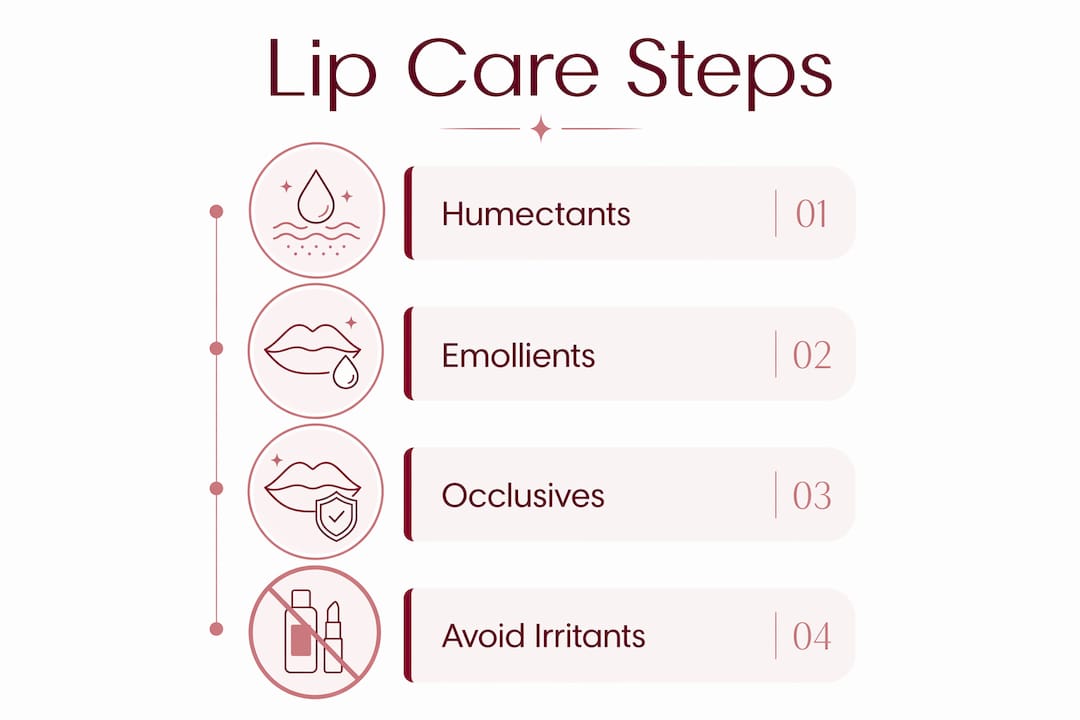
Occlusives: sealing the barrier
Occlusives like petrolatum create a physical seal over the lip surface that slows water evaporation. Applying occlusives over dry lips can trap dehydration instead of locking in moisture, so always apply humectants first on damp lips, then seal with an occlusive immediately after.
Pro Tip: Dampen your lips with water, apply a hyaluronic acid serum or balm, then immediately press a thin layer of petrolatum over the top. This sequence locks in real moisture rather than just coating dry skin.
Ingredients to avoid include menthol, camphor, phenol, and salicylic acid. These ingredients cause inflammatory responses and increase dryness over time, even though the initial cooling sensation feels soothing. Plain petrolatum or ointments with dimethicone are the safer choices for recovery and prevention.
| Ingredient type | Examples | What it does |
|---|---|---|
| Humectant | Hyaluronic acid, glycerin | Draws water into lip tissue |
| Emollient | Ceramides, shea butter | Repairs and smooths the lip surface |
| Occlusive | Petrolatum, dimethicone | Seals moisture in and blocks evaporation |
| Avoid | Menthol, camphor, salicylic acid | Causes irritation and worsens dryness |
What daily habits prevent dry lips effectively?
Consistent daily behavior matters as much as ingredient choice. The habits below address the most common causes of chronic lip dryness, including behaviors most people do not realize are damaging.
- Stop licking your lips. Habitual lip licking is the leading self-inflicted cause of dryness. Saliva contains digestive enzymes that break down the lip barrier, and as the moisture evaporates, lips end up drier than before. Breaking this cycle is the single most effective habit change you can make.
- Reapply SPF lip balm every two hours. Dermatologists set SPF 30+ as the daily minimum, and reapplication after eating or drinking is non-negotiable. UV exposure causes chronic chapping that no amount of moisturizer can fully reverse.
- Choose fragrance-free, flavorless products. Flavored and scented lip products encourage licking and often contain allergens that trigger inflammation. Switching to unflavored formulas removes two irritation sources at once.
- Drink enough water throughout the day. Systemic dehydration shows up on lips before it shows up anywhere else on your face. Keeping your body hydrated supports the moisture gradient that feeds lip skin from within.
- Cover your lips in harsh weather. Wind and cold air strip moisture rapidly. A scarf pulled over your mouth during winter walks or a physical lip barrier applied before outdoor exposure cuts moisture loss significantly.
Pro Tip: Keep a fragrance-free, SPF 30+ lip balm at your desk, in your bag, and on your nightstand. Placement beats willpower. If the product is within reach, you will actually use it.
Choosing the right product format matters too. A proper lip balm application technique, pressing rather than dragging, reduces friction on already-sensitive skin and distributes the product more evenly.
How can environmental factors and tools help prevent lip dryness?
Your environment does as much damage as your habits. Cold outdoor air, indoor heating systems, and low humidity all pull moisture from lip skin continuously, even when you are sitting still.
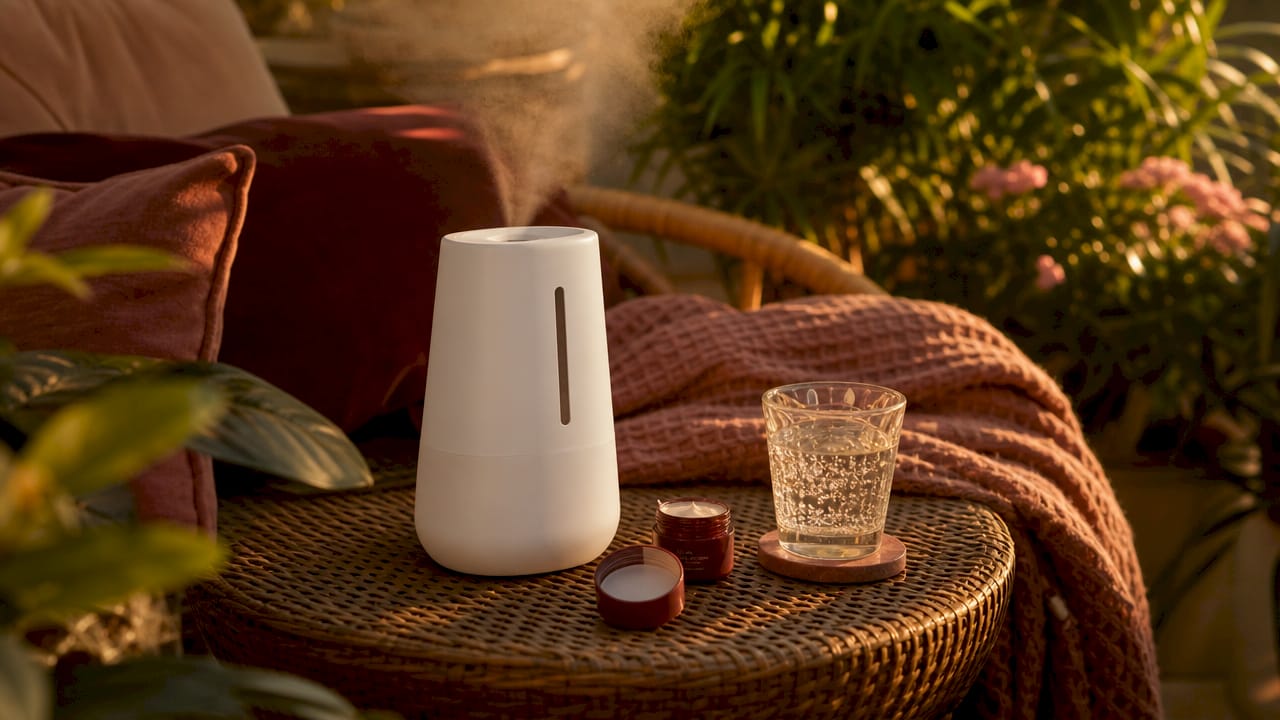
Using a humidifier adds ambient moisture to dry indoor environments, which directly reduces the rate at which lips lose hydration. Running a humidifier in your bedroom overnight is particularly effective because your lips go unprotected for seven to nine hours while you sleep. That is a long window of passive moisture loss.
Nighttime care deserves its own strategy. People who sleep with their mouth open benefit most from applying a thick occlusive ointment like petrolatum before bed. Mouth breathing accelerates evaporation from the lip surface, and an occlusive layer acts as a physical shield through the night.
Outdoor protection goes beyond SPF. Wind causes mechanical damage to the lip surface, and UV exposure compounds it. Wearing a scarf in cold months and applying an SPF 30+ lip product before any outdoor activity addresses both threats. For people who spend time at altitude or near water, where UV reflection intensifies, reapplication every 90 minutes is a reasonable standard.
One environmental mistake worth calling out is over-relying on indoor heating without compensating for the dryness it creates. Central heating drops indoor humidity significantly during winter months. A humidifier set to 40–50% relative humidity offsets most of that loss and benefits your skin, nasal passages, and lips simultaneously.
What common mistakes cause persistent lip dryness?
Many people treat dry lips for weeks without improvement because the products or habits they use are actively working against them. These are the most frequent errors.
-
Using lip scrubs. Lip skin is thin and delicate, and physical exfoliation typically worsens irritation rather than removing it. Barrier protection is more effective than exfoliation for dry or damaged lips. If you want to remove flaking, press a warm damp cloth gently against your lips for 30 seconds instead.
-
Choosing products with allergens or irritants. Fragrances, dyes, and flavoring agents are common contact allergens. Inflammation from an allergic reaction looks and feels identical to regular dryness, so many people never identify the cause. Switching to a plain, unflavored, fragrance-free formula resolves this quickly.
-
Applying moisturizers to completely dry lips. Applying hyaluronic acid to dry lips without dampening first can pull moisture out of deeper skin layers rather than drawing it in. Always start with damp lips.
-
Continuing to lick or pick at lips. Picking at peeling skin removes layers that are still attached and actively healing. Licking provides a moment of relief but accelerates the drying cycle. Both behaviors need to stop for any prevention routine to work.
-
Waiting too long to see a dermatologist. Persistent dryness that does not respond to two weeks of consistent barrier care may indicate contact dermatitis, angular cheilitis, or another condition requiring medical treatment. A dermatologist can identify the cause and prescribe targeted therapy.
Applying a protective petrolatum layer before using strong skincare actives like tretinoin near the mouth is another overlooked step. Tretinoin and similar retinoids cause significant barrier damage when they migrate onto lip skin, and petrolatum blocks that contact effectively.
Key takeaways
Preventing dry lips requires a daily combination of barrier-repairing ingredients, SPF protection, and consistent habits that stop moisture loss before it starts.
| Point | Details |
|---|---|
| Use a three-tier ingredient system | Layer humectants, emollients, and occlusives in sequence for full barrier support. |
| Apply SPF 30+ daily | Reapply every two hours and after eating or drinking to prevent UV-related chapping. |
| Stop licking your lips | Saliva enzymes break down the lip barrier and worsen dryness with every lick. |
| Dampen lips before moisturizing | Apply humectants to damp lips, then seal immediately with an occlusive. |
| Use a humidifier at night | Running a humidifier while you sleep offsets moisture loss from dry indoor air. |
What I have learned about lip care after years of watching people get it wrong
The most common mistake I see is treating dry lips as a product problem when it is almost always a habit problem. People spend money on high-end formulas but keep licking their lips every few minutes, which undoes every application. No product wins against that cycle.
The second thing I have noticed is that most people reach for exfoliating scrubs when they see flaking. It feels logical. But lip skin is genuinely different from the skin on your arms or legs. It is thinner, it has no oil glands, and it heals slowly. Scrubbing it when it is already compromised is like sanding a bruise. The natural lip plumping strategies that actually work focus on hydration and barrier support, not abrasion.
The third pattern I keep seeing is people using flavored or minty products because they enjoy the sensation. Menthol and camphor feel cooling and refreshing, but they are irritants. The relief is temporary. The damage compounds over weeks. Switching to a plain, unflavored formula feels boring at first, but lips recover noticeably faster.
My honest recommendation is to build a two-step routine you will actually do every day: a damp-lip application of a humectant-rich balm in the morning with SPF, and a thick occlusive at night. That is it. Consistency with a simple routine beats an elaborate one you skip half the time.
— Rebecca
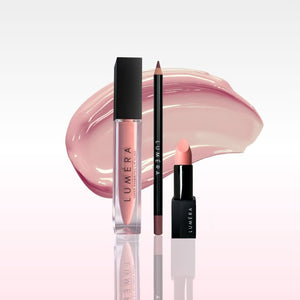
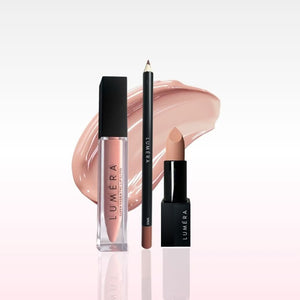
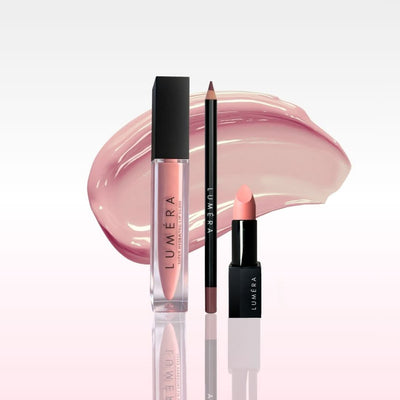
Lumeracosmetica lip care for lasting hydration
Dry lips respond best to products formulated with the full three-tier approach: humectants to draw in moisture, emollients to repair the surface, and occlusives to seal it all in.
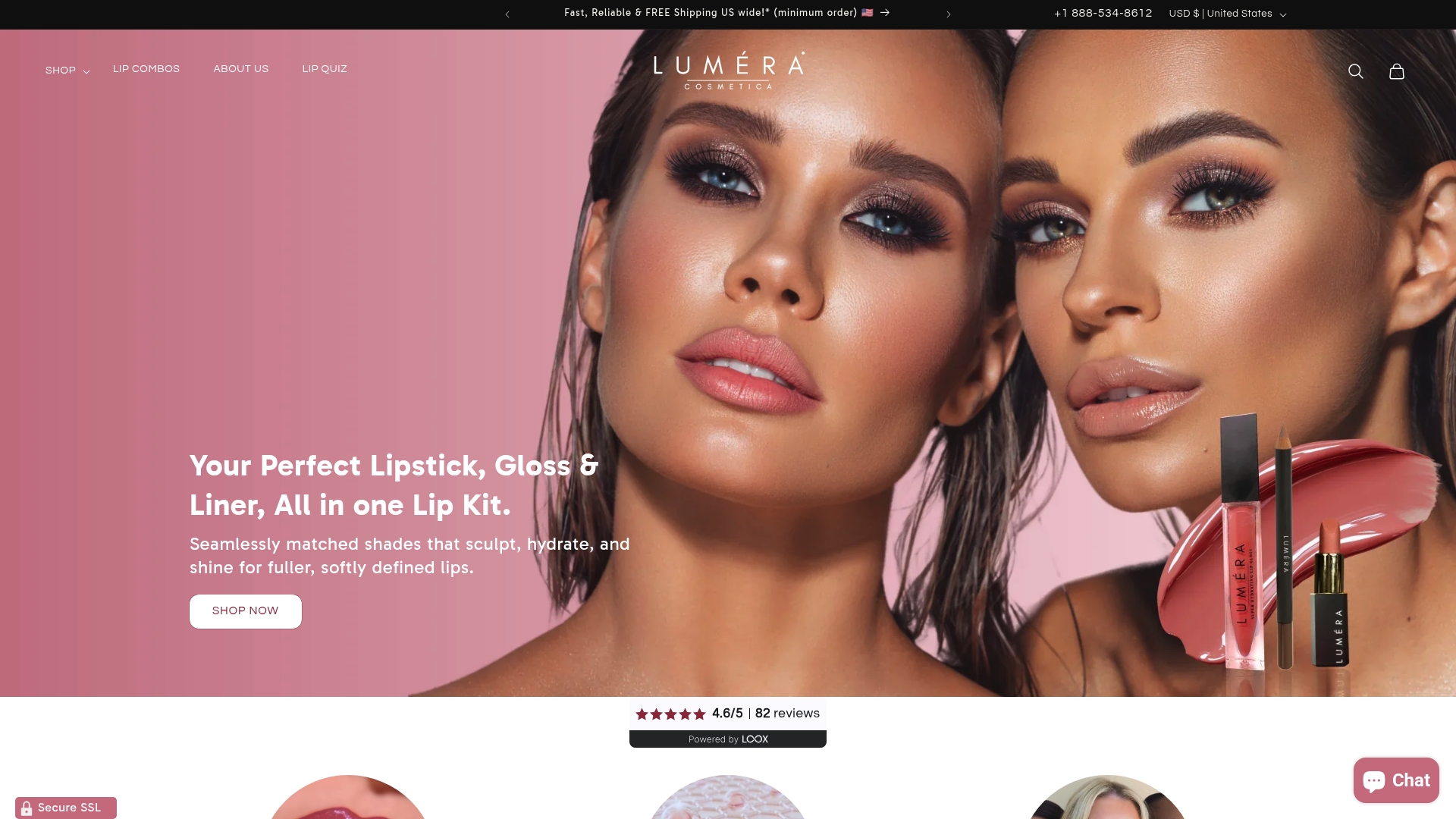
Lumeracosmetica formulates lip care products with fragrance-free, dermatology-aligned ingredient profiles designed for daily use. Whether you need an SPF-inclusive daytime balm or a rich overnight treatment, the Lumeracosmetica lip care range is built around the same barrier-first principles covered here. For a deeper look at how specific ingredients support lip health at every age, the benefits of daily lip balm guide is a practical next step.
FAQ
Why do lips get dry so easily?
Lip skin has no oil glands and is thinner than facial skin, so it loses moisture faster and cannot self-lubricate. Environmental exposure, UV damage, and habits like lip licking accelerate that loss.
How often should I reapply lip balm?
Reapply SPF 30+ lip balm every two hours during the day and always after eating or drinking. Overnight, apply a thick occlusive like petrolatum before bed.
Are lip scrubs safe to use?
Lip scrubs are generally not recommended for dry or irritated lips. Lip skin is too thin and delicate for physical exfoliation, which typically worsens the barrier damage it is meant to fix.
What ingredients should I avoid in lip products?
Avoid menthol, camphor, phenol, and salicylic acid. These ingredients increase dryness over time and cause inflammation, even though they feel soothing initially.
When should I see a doctor about dry lips?
See a dermatologist if dryness persists after two weeks of consistent barrier care. Conditions like contact dermatitis or angular cheilitis require medical treatment and will not resolve with standard lip balm alone.