Natural Lip Oils: Eco-Friendly Lip Health Benefits

Finding truly natural lip care can feel overwhelming when most mainstream American products still rely on synthetic ingredients. For women in Australia and across Europe who care about eco-friendly choices, understanding what goes into your lip oil is more important than ever. Bold industry studies reveal that over 60 percent of conventional cosmetics contain chemicals linked to skin irritation. This guide uncovers how plant-based lip oils nourish and protect lips, while supporting a healthier planet.
Table of Contents
- Defining Natural Lip Oils And Common Myths
- Hydration And Nourishing Benefits Explained
- Eco-Friendly Ingredients And Formulation Process
- Types Of Lip Oils And Key Differences
- Risks, Missteps, And Synthetic Alternatives
- Sustainability, Vegan Claims, And Ethical Impact
Key Takeaways
| Point | Details |
|---|---|
| Natural Lip Oils Offer Comprehensive Skincare | Unlike traditional cosmetics, natural lip oils provide deep hydration and nourishment through plant-derived ingredients. |
| Choosing Eco-Friendly Formulations | Prioritize products with sustainable, minimally processed ingredients to reduce environmental impact. |
| Avoiding Synthetic Products | Synthetic lip care may cause health issues and disrupt skin function; opt for natural alternatives for better wellness. |
| Supporting Ethical Practices | Look for vegan and cruelty-free certifications to ensure ethical standards in lip care manufacturing. |
Defining Natural Lip Oils and Common Myths
Natural lip oils represent a holistic approach to lip care that goes beyond traditional cosmetic solutions. These plant-derived products harness the power of pure seed and botanical extracts to provide nourishment and protection for delicate lip skin. Natural lip oil formulations challenge previous misconceptions about seed oil ingredients, offering scientifically supported benefits for lip health.
Contrary to outdated beliefs, natural lip oils are not simply aesthetic products but sophisticated skincare solutions. Modern research reveals that ingredients like linoleic acid found in seed oils can actually reduce inflammation and support overall skin wellness. The growing consumer demand stems from a desire to avoid synthetic chemicals and embrace organic, eco-friendly alternatives that deliver tangible health benefits.
The composition of natural lip oils typically includes powerful botanical ingredients such as:
- Olive oil
- Coconut oil
- Jojoba oil
- Shea butter
- Beeswax
These natural components provide critical protective and nourishing properties that synthetic formulations struggle to replicate. Each ingredient brings unique molecular characteristics that help moisturize, repair, and shield lip tissue from environmental stressors.
Here’s a summary comparing common natural lip oil ingredients and their unique benefits:
| Ingredient | Main Benefit | Skin Suitability | Environmental Impact |
|---|---|---|---|
| Olive oil | Deep nourishment | Suitable for dry lips | Low carbon footprint |
| Coconut oil | Barrier protection | Sensitive, chapped skin | Highly renewable source |
| Jojoba oil | Non-greasy hydration | All skin types | Minimal water usage |
| Shea butter | Repair and comfort | Damaged, flaky lips | Supports local farming |
| Beeswax | Moisture retention | Normal and dry lips | Biodegradable material |
Pro tip: Always perform a patch test with new natural lip oil products to ensure compatibility with your individual skin chemistry and prevent potential allergic reactions.
Hydration and Nourishing Benefits Explained
Natural lip oils are sophisticated skincare solutions designed to provide deep hydration and comprehensive nourishment for delicate lip tissue. Advanced lip moisturizer formulations leverage biotechnological ingredients to create powerful protective barriers that support long-term lip health and resilience.
The molecular composition of natural lip oils enables profound hydration through multiple mechanisms. These plant-based ingredients contain essential fatty acids, antioxidants, and vitamins that penetrate lip skin, delivering moisture and repairing environmental damage. Ingredients like coconut oil, shea butter, and beeswax form an occlusive layer that locks in hydration while preventing moisture loss, creating a protective shield against wind, cold, and dry environmental conditions.
Key hydration and nourishing benefits of natural lip oils include:
- Deep molecular moisture retention
- Repair of chapped or damaged lip tissue
- Protection against environmental stressors
- Restoration of natural lip lipid barrier
- Antioxidant support for skin regeneration
Beyond surface-level moisturizing, these oils work at a cellular level to support lip skin health. They contain complex compounds that help stimulate natural collagen production, reduce inflammation, and promote healing of micro-cracks and dry patches.
Pro tip: Apply natural lip oils immediately after cleansing to maximize absorption and create an optimal moisture-locking environment for your lips.
Eco-Friendly Ingredients and Formulation Process
The creation of natural lip oils represents a sophisticated approach to sustainable beauty, emphasizing environmentally conscious ingredient selection and manufacturing techniques. Eco-friendly lip balm formulation prioritizes plant-based components that minimize environmental impact while delivering exceptional skincare benefits.

The formulation process involves carefully selecting natural ingredients that offer both performance and sustainability. Key botanical components like coconut oil, beetroot juice, beeswax, almond oil, and rose oil are meticulously combined through precise melting, mixing, and molding techniques. These ingredients are chosen not only for their moisturizing properties but also for their minimal processing requirements and low carbon footprint.
Critical steps in the eco-friendly formulation process include:
- Sourcing organic, locally produced ingredients
- Minimizing chemical processing
- Using renewable plant-based materials
- Implementing energy-efficient production methods
- Selecting biodegradable packaging solutions
The manufacturing approach goes beyond simply avoiding synthetic chemicals. It represents a holistic commitment to environmental stewardship, ensuring that each stage of production—from ingredient sourcing to final packaging—adheres to sustainable principles. By prioritizing natural, minimally processed ingredients, manufacturers can create lip care products that are both effective and environmentally responsible.
Pro tip: Look for lip oil products with transparent sourcing information and certifications that verify their commitment to sustainable production practices.
Types of Lip Oils and Key Differences
Natural lip oils represent a diverse category of skincare products, each with unique characteristics and specialized benefits. Comparative herbal lip balm evaluation reveals significant variations in properties like melting point, spreadability, and overall performance across different natural oil formulations.
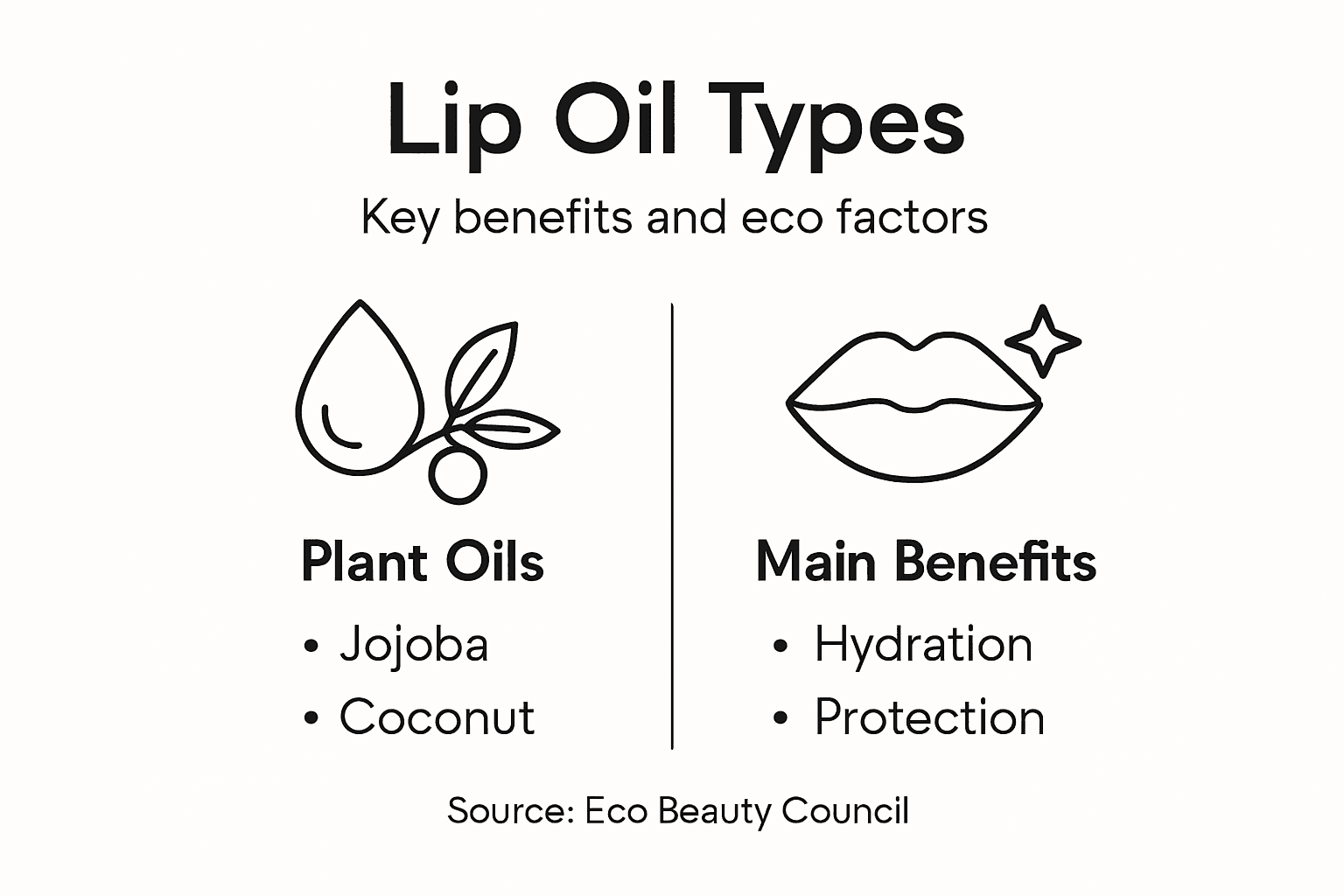
The primary types of lip oils can be categorized based on their primary botanical sources and functional attributes. Moisturizing oils like mango butter, avocado butter, and kokum butter offer distinct textures and hydration profiles. Some oils excel in immediate moisture delivery, while others provide long-lasting protection and healing properties. Palm kernel oil, apricot oil, and specialized botanical extracts each contribute unique antioxidant and protective characteristics to lip care formulations.
Key differences among lip oil types include:
- Molecular composition and absorption rate
- Specific skin nourishment properties
- Texture and spreadability
- Natural preservation capabilities
- Antioxidant concentration levels
Understanding these variations allows consumers to select lip oils tailored to their specific skin needs. Factors like climate, personal skin sensitivity, and individual moisture requirements play crucial roles in determining the most appropriate lip oil type. Some formulations prioritize immediate hydration, while others focus on long-term lip tissue repair and protection.
Pro tip: Select lip oils that match your specific skin type and environmental conditions, considering factors like humidity, temperature, and personal moisture needs.
Risks, Missteps, and Synthetic Alternatives
Synthetic lip care products present significant health and environmental challenges that consumers should carefully consider. Synthetic cosmetic health risks reveal thousands of potentially harmful chemicals that can trigger skin diseases, allergic reactions, and long-term health complications.
Mineral oils and synthetic ingredients commonly found in conventional lip care products pose substantial risks. These components can accumulate in human tissues, potentially leading to microgranulomas and other unexpected physiological responses. Synthetic alternatives often contain petroleum-based compounds, artificial preservatives, and chemical stabilizers that compromise both personal health and environmental sustainability.
Key risks associated with synthetic lip care products include:
- Potential carcinogenic chemical interactions
- Skin irritation and allergic responses
- Long-term tissue accumulation of harmful compounds
- Environmental contamination from non-biodegradable ingredients
- Disruption of natural skin barrier functions
Consumers seeking safer alternatives should prioritize natural, plant-based lip oil formulations that offer genuine nourishment without compromising health or ecological balance. Understanding the intricate relationship between ingredient composition and biological impact empowers individuals to make more informed skincare choices that support both personal wellness and environmental responsibility.
Use this table to compare natural versus synthetic lip care in terms of health and environmental outcomes:
| Product Type | Health Implications | Environmental Impact | Common Ingredients |
|---|---|---|---|
| Natural Lip Oil | Promotes skin resilience, low risk | Biodegradable, low waste | Plant oils, botanical waxes |
| Synthetic Lip Care | Allergies, long-term tissue issues | High pollution, persistent | Mineral oils, petrochemicals |
Pro tip: Always review ingredient lists carefully and prioritize products with transparent, natural compositions that minimize synthetic chemical exposure.
Sustainability, Vegan Claims, and Ethical Impact
Vegan and cruelty-free lip oils represent a transformative approach to beauty that goes beyond personal care, embodying a comprehensive commitment to ethical and environmental responsibility. Vegan lip oil production has emerged as a powerful movement addressing consumer demands for transparent, compassionate skincare solutions that respect animal welfare and ecological balance.
The ethical landscape of lip care products now encompasses multiple dimensions beyond traditional performance metrics. Modern consumers increasingly evaluate products through a holistic lens that considers ingredient sourcing, manufacturing processes, packaging materials, and overall environmental impact. Plant-based lip oils offer a compelling alternative to conventional products by eliminating animal-derived ingredients, avoiding animal testing, and minimizing ecological footprints.
Key sustainability considerations in vegan lip oil production include:
- Zero animal-derived ingredient usage
- Cruelty-free testing protocols
- Transparent ingredient sourcing
- Low-waste packaging solutions
- Support for regenerative agricultural practices
- Carbon-neutral manufacturing processes
- Third-party ethical certifications
The growing demand for sustainable lip care reflects a broader shift in consumer consciousness. By choosing vegan and environmentally responsible products, individuals participate in a global movement that prioritizes personal health, animal welfare, and planetary well-being. These choices signal a profound understanding that beauty and ethics can coexist harmoniously.
Pro tip: Look for third-party certifications like Leaping Bunny or PETA when selecting vegan lip oils to ensure genuine ethical standards.
Discover the Power of Natural Lip Oils for Eco-Friendly Lip Care
If you are searching for a lip care solution that offers deep hydration, protection against environmental stressors, and ethical sourcing, exploring our selection of natural lip oils is the perfect next step. Address concerns about synthetic ingredients and skin irritation with carefully crafted formulations that combine nourishing plant-based oils like jojoba, shea butter, and coconut oil to restore your lips’ natural barrier and boost overall lip health.
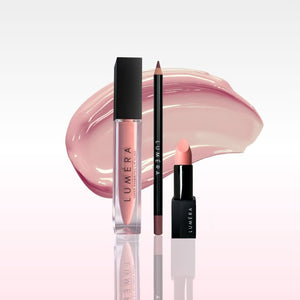
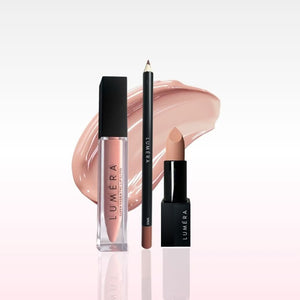
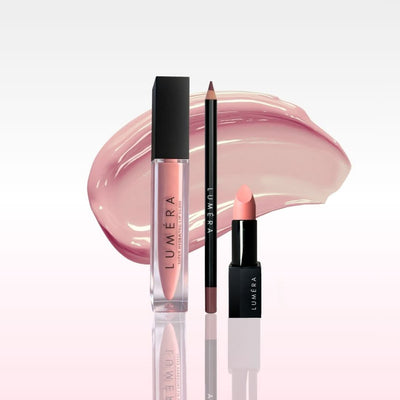
Experience the difference today by browsing our LIP OIL – Luméra Cosmetica collection. Each product highlights sustainability, biodegradability, and cruelty-free practices to align with your values. Take control of your lip care routine now and shop for products designed to keep your lips radiant while supporting eco-friendly beauty at https://lumeracosmetica.com. Explore complementary options in our Face Makeup for Every Skin Type | Natural Radiance by Luméra Cosmetica to embrace a complete natural beauty regimen.
Frequently Asked Questions
What are the benefits of using natural lip oils?
Natural lip oils provide deep hydration, repair chapped or damaged lips, protect against environmental stressors, and help restore the natural lipid barrier of the lips. They often contain essential fatty acids, antioxidants, and vitamins that nourish and promote lip health.
How do I apply natural lip oils for best results?
For optimal absorption and moisture retention, apply natural lip oils immediately after cleansing your lips. This allows the oils to penetrate and lock in hydration effectively, creating a protective barrier against dryness.
Are there any risks associated with synthetic lip care products?
Yes, synthetic lip care products can contain harmful chemicals that may trigger skin irritation, allergic reactions, and long-term health complications. Some synthetic ingredients can accumulate in body tissues, which raises safety concerns.
How can I identify eco-friendly lip oils?
Look for lip oils that use organic, locally sourced ingredients, have minimal processing, and come in biodegradable packaging. Certifications such as Leaping Bunny or PETA can also indicate a product’s commitment to cruelty-free and ethical practices.
Recommended
- Role of Natural Oils for Lips: Complete Guide – Luméra Cosmetica
- Understanding the Role of Lip Oils for Healthy Lips – Luméra Cosmetica
- Lip Gloss or Lip Oil: Everything You Need to Know – Luméra Cosmetica
- Jojoba Oil for Lips: Natural Hydration and Protection – Luméra Cosmetica
- Complete Guide to Organic Hair Growth Oil | MyHair