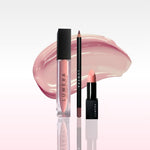
Makeup Hygiene Step by Step for Clean and Healthy Skin

Busy mornings in the United Kingdom or Australia often mean quick makeup routines where hygiene can get overlooked. Yet skipping this step increases the risk of bacterial contamination that could compromise your skin’s health. Building habits like frequent hand-washing and clean workspace setup forms the foundation of a cosmetic routine that keeps your skin protected and fresher for longer. Discover simple solutions to keep your makeup tools, products, and environment as safe as possible.
Table of Contents
- Step 1: Prepare Your Workspace And Hands
- Step 2: Sanitize Cosmetic Tools And Brushes
- Step 3: Cleanse Cosmetic Products And Packaging
- Step 4: Organize And Monitor Product Expiration Dates
- Step 5: Verify Hygiene For Next Use
Quick Summary
| Key Point | Explanation |
|---|---|
| 1. Clean Workspace and Hands | Begin your makeup routine with a sanitized environment and clean hands to prevent skin irritations and product contamination. |
| 2. Sanitize Tools and Brushes | Regularly clean and sanitize your makeup tools and brushes to eliminate bacteria and maintain skin health. |
| 3. Cleanse Products and Packaging | Prevent contamination by avoiding direct finger contact with cosmetic products and regularly sanitizing packaging surfaces. |
| 4. Monitor Expiration Dates | Keep track of your cosmetic products’ expiration dates to avoid using expired items that could irritate your skin. |
| 5. Final Hygiene Check | Perform a last inspection of tools and products to ensure they are clean and safe before makeup application. |
Step 1: Prepare your workspace and hands
Successful makeup application starts with a clean, organized environment and properly sanitized hands. Setting up your workspace and ensuring your hands are germ-free is crucial for preventing potential skin irritations and product contamination.
Begin by clearing a clean, flat surface like a vanity or bathroom counter. Remove any unnecessary items and wipe down the area with a disinfectant wipe to eliminate potential bacteria. Next, focus on your hands - the primary tools for makeup application. Proper hand-washing is critical to prevent infection and cross-contamination.
To thoroughly clean your hands, follow these essential steps:
- Remove jewelry that might trap bacteria
- Wash hands with plain soap and clean running water
- Rub hands vigorously for at least 20 seconds
- Cover all hand surfaces: backs, wrists, between fingers, and under nails
- Rinse completely with clean water
- Dry hands with a clean, fresh towel or air dry
Workspace preparation guidelines also recommend tying back long hair and considering protective gear like disposable gloves if you want extra hygiene protection.
A clean workspace and sanitized hands are your first line of defense against makeup contamination and potential skin issues.
Pro tip: Keep a small bottle of hand sanitizer and disposable wipes near your makeup area for quick cleanups and emergency sanitization.
Step 2: Sanitize cosmetic tools and brushes
Maintaining clean makeup tools is essential for preventing bacterial growth and protecting your skin from potential infections. Proper sanitization goes beyond simple cleaning - it’s about creating a healthy environment for your beauty routine.
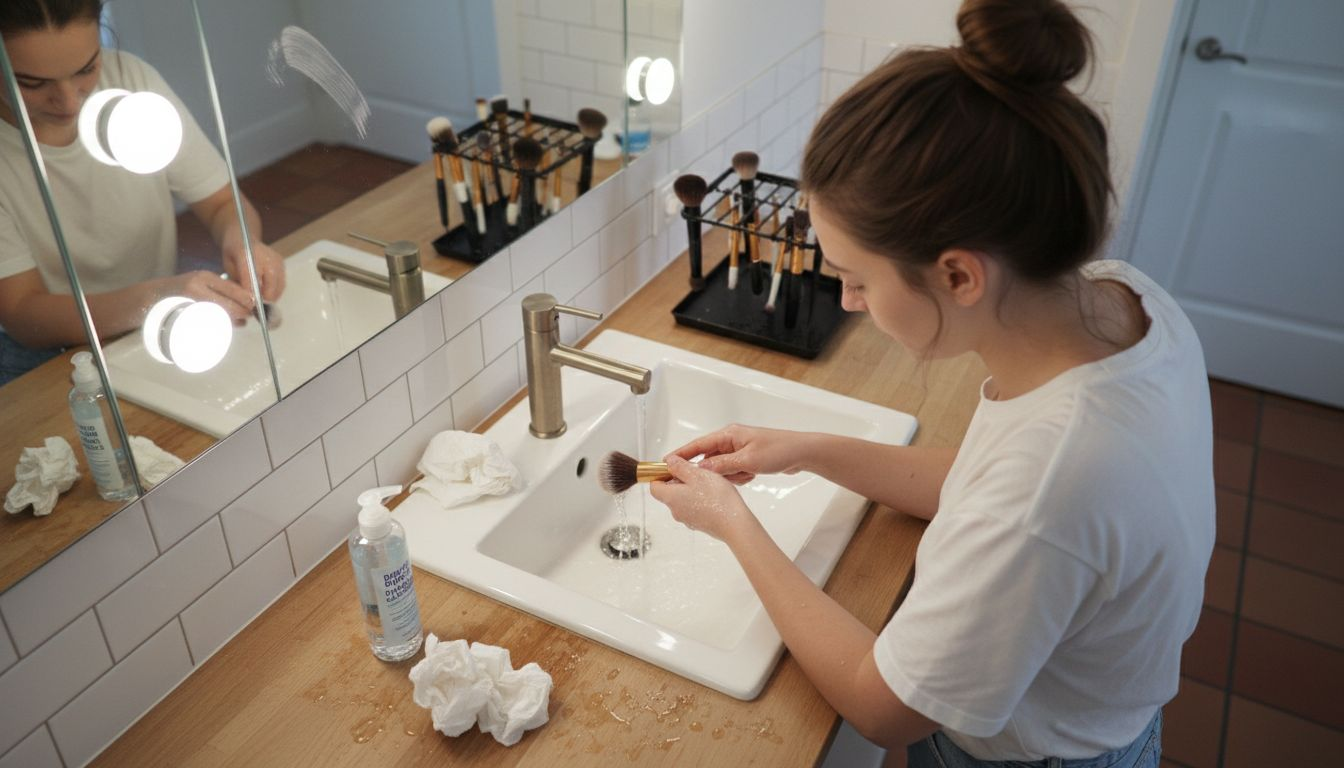
Effective brush cleaning techniques involve more than just a quick rinse. The process requires careful attention to detail and specific steps to ensure thorough sanitization.
Here’s a comprehensive guide to sanitizing your cosmetic tools:
- Remove visible product from brushes and tools
- Rinse brush tips under lukewarm running water
- Use gentle shampoo or specialized brush cleaner
- Swirl brush tips in soap and water
- Rinse until water runs clear
- Lay brushes flat to dry
Sanitizing makeup tools requires additional steps for complete disinfection. Use 70% isopropyl alcohol to eliminate remaining bacteria. For pencil liners and other tools, regularly wipe them down with alcohol to maintain maximum hygiene.
Regular cleaning of makeup tools is not just about appearance - it’s a critical step in maintaining your skin’s health and preventing potential infections.
Pro tip: Invest in a dedicated brush drying rack to ensure proper air circulation and prevent moisture buildup that can lead to bacterial growth.
Step 3: Cleanse cosmetic products and packaging
Maintaining the cleanliness of your cosmetic products and packaging is crucial for preventing bacterial contamination and protecting your skin from potential infections. Understanding the right techniques can help you extend the life of your makeup and keep your beauty routine safe and hygienic.
Microbiological safety for cosmetics requires careful handling and specific sanitization strategies. Contamination can easily occur through everyday use, such as dipping fingers into products or improper storage.
Here are essential steps to cleanse your cosmetic products and packaging:
- Avoid dipping fingers directly into product containers
- Tightly close all product containers after use
- Use clean spatulas or disposable applicators when possible
- Regularly wipe down packaging surfaces with alcohol
- Remove the top layer of cream or powder products
- Clean product caps and lids thoroughly
Sanitizing makeup products involves more than just surface cleaning. For cream-based products, scrape off the top layer and lightly spray with isopropyl alcohol. Lipsticks and pencil liners should be wiped with alcohol, focusing on surface and cap areas.
Proper product hygiene is not just about appearance - it’s a critical defense against potential skin irritations and bacterial growth.
Pro tip: Keep a small bottle of 70% isopropyl alcohol and disposable makeup wipes in your beauty area for quick and efficient product sanitization.
Step 4: Organize and monitor product expiration dates
Tracking the lifespan of your cosmetic products is crucial for maintaining skin health and ensuring the effectiveness of your makeup routine. Understanding when to replace your products can help you avoid potential skin irritations and maintain optimal beauty performance.
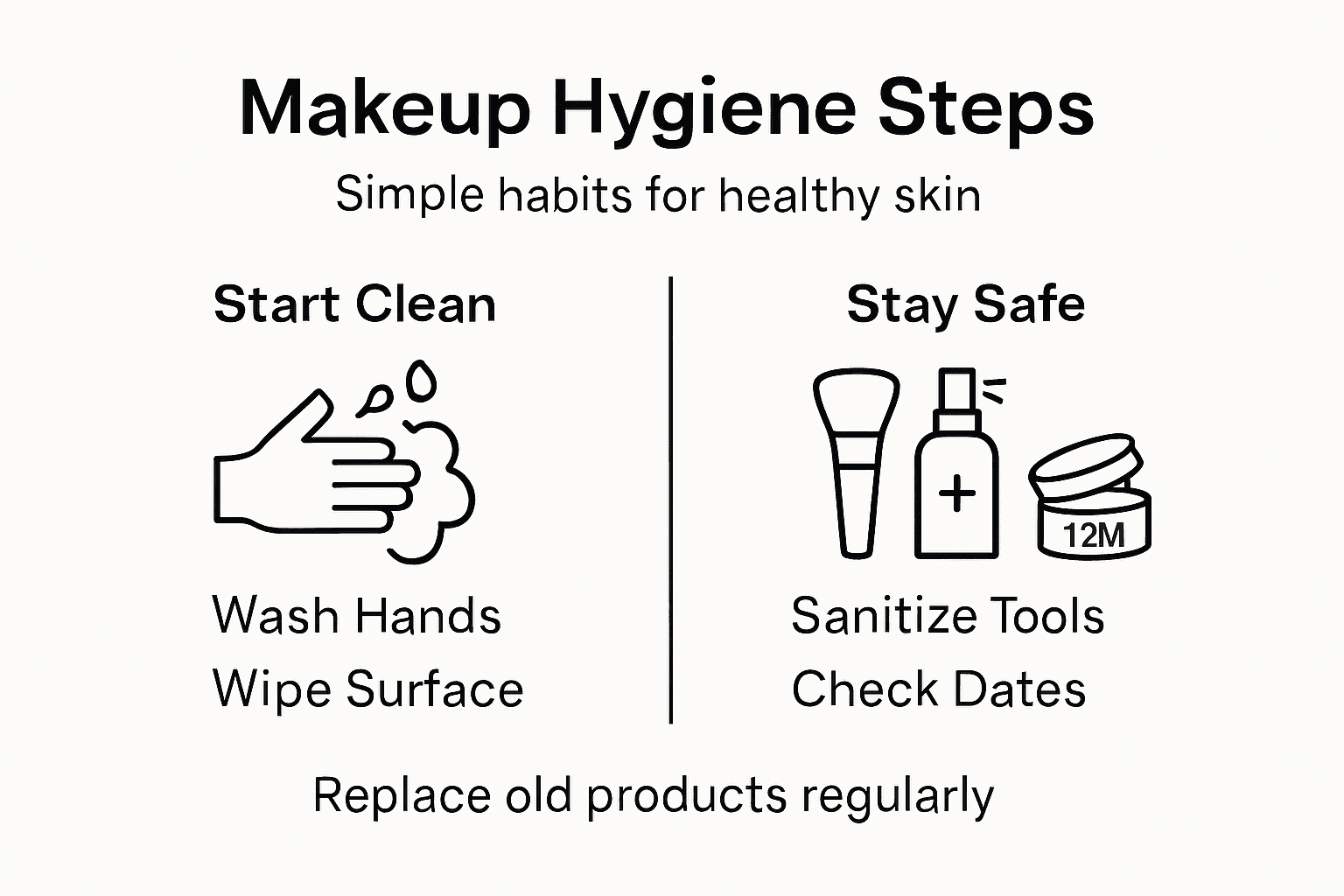
Cosmetic shelf life guidelines reveal that product integrity depends on proper storage and monitoring. Manufacturers determine specific timeframes for product safety, though expiration details are not always clearly printed on packaging.
Here are key strategies for organizing and tracking your makeup product dates:
- Understand Period-After-Opening (PAO) symbols
- Create a makeup inventory spreadsheet
- Label products with purchase or opening date
- Store products away from heat and moisture
- Check products regularly for changes in texture or smell
- Replace products based on recommended timelines
Risks of using expired makeup vary by product type. Mascara should be replaced every 3 to 6 months, while powder products can last up to 2 years. Liquid foundations and cream-based products typically have shorter shelf lives.
Your makeup’s effectiveness and your skin’s health depend on knowing when to say goodbye to old products.
Pro tip: Use a permanent marker or small sticker to write the date you opened each product, making tracking expiration dates quick and effortless.
Review this summary of typical expiration timelines for common cosmetic products:
| Product Type | Usual Shelf Life | Signs It’s Expired |
|---|---|---|
| Mascara | 3-6 months | Clumping, strong odor |
| Liquid Foundation | 6-12 months | Color change, separation |
| Powder Makeup | Up to 2 years | Hardening, dull appearance |
| Lipstick & Liner | 12-18 months | Dryness, odd smell |
| Cream Products | 6-12 months | Texture changes, mold growth |
Step 5: Verify hygiene for next use
Before applying your makeup, conducting a final hygiene check ensures your tools and products are safe and ready for use. This crucial step helps prevent potential skin irritations and maintains the overall quality of your cosmetic routine.
Makeup sanitization guidelines emphasize the importance of thorough inspection and preparation before each application. Your diligence can protect your skin from potential bacterial contamination and extend the life of your makeup products.
Here are key steps to verify hygiene for your next makeup application:
- Inspect tools for visible dirt or residue
- Smell each product for unusual odors
- Check for changes in product texture
- Ensure brushes are completely dry
- Verify packaging seals are intact
- Confirm storage containers are clean
FDA cosmetic safety recommendations stress maintaining proper storage and handling practices. Pay special attention to reusable tools, ensuring they are thoroughly cleaned and stored in a dry, sanitized environment. Dispose of single-use items immediately after application.
A quick pre-use hygiene check can prevent potential skin issues and ensure a safe, smooth makeup application.
Pro tip: Keep a small magnifying mirror and bright lighting near your makeup area to help you spot any subtle changes in product condition before use.
Here’s a quick reference comparing the main hygiene risks and best prevention strategies for each step:
| Makeup Step | Typical Hygiene Risk | Prevention Strategy |
|---|---|---|
| Workspace & Hands | Germs on surfaces and hands | Disinfection and thorough handwashing |
| Tools & Brushes | Bacterial buildup on brushes | Cleaning and alcohol sanitization |
| Products & Packaging | Product contamination from handling | Use spatulas and wipe surfaces |
| Expiration Monitoring | Using expired cosmetics | Track dates and check product changes |
| Final Hygiene Check | Missed residue or packaging issues | Inspect, smell, and verify freshness |
Enhance Your Makeup Hygiene with Clean, Effective Products
Maintaining a clean workspace, sanitized tools, and fresh products is essential for protecting your skin from irritation and bacteria. But achieving flawless makeup hygiene also means choosing the right cosmetics designed for daily care and long-lasting freshness. If you are looking to elevate your routine with trusted solutions, explore our carefully crafted collections that prioritize your skin’s health.
Discover the gentle formulas in our Face Makeup for Every Skin Type | Natural Radiance by Luméra Cosmetica designed to complement your hygiene efforts. Keep your eyes radiant and protected with products from our Luméra Eye Collection | Mascara, Lashes & Eye Shadow – Luméra Cosmetica. For lips that stay nourished and safe, our LIP OIL – Luméra Cosmetica offers the perfect hydration. Start your journey to a cleaner, healthier beauty routine now by visiting Luméra Cosmetica and choosing products that support your commitment to makeup hygiene.
Frequently Asked Questions
How can I prepare my workspace for makeup application?
To prepare your workspace for makeup application, start by clearing a clean, flat surface and disinfecting it with a disinfectant wipe. This helps eliminate bacteria and creates a hygienic environment for your beauty routine.
Why is it important to sanitize my makeup tools and brushes?
Sanitizing your makeup tools and brushes prevents bacterial growth, which can lead to skin infections. Clean your brushes regularly by rinsing them under lukewarm water and using a gentle shampoo, ensuring they are fully dried before next use.
What steps should I follow to cleanse my cosmetic products and packaging?
To cleanse your cosmetic products and packaging, avoid dipping fingers directly into containers and use clean spatulas whenever possible. Wipe down the surfaces of products with alcohol regularly to maintain hygiene and prevent contamination.
How can I keep track of my cosmetic product expiration dates?
To track your cosmetic product expiration dates, label each product with the date you opened it or created an inventory spreadsheet. Regularly inspect your products every few months to check for changes in texture or smell, ensuring you replace expired items promptly.
What should I check to verify hygiene before applying makeup?
Before applying makeup, inspect your tools for dirt, smell products for unusual odors, and ensure brushes are completely dry. This final hygiene check helps prevent skin irritations and maintains the quality of your makeup application.
Recommended
- Simple Skincare for Makeup: The Essential Guide – Luméra Cosmetica
- Step by Step Natural Makeup Guide for Women Over 40 – Luméra Cosmetica
- 7 Quick Makeup Routines for Busy Women Over 40 – Luméra Cosmetica
- 6 Essential Steps for Mature Skin Makeup Success – Luméra Cosmetica
- My Haircare Routine 2025: Simple Yet Effective Steps | MyHair