Foundation Makeup Guide for Women Over 40

TL;DR:
- Foundation makeup creates an even skin tone and a smooth base for other products. Choosing the right formula, finish, shade, and application technique is essential, especially for mature skin. A lightweight, moisturizing liquid foundation with a satin finish applied in thin layers offers the best results.
Foundation makeup is a cosmetic product designed to create an even skin tone and a smooth base for everything else you apply. It covers uneven patches, minimizes the look of pores, and gives your complexion a polished, consistent finish. Brands like Charlotte Tilbury, Maybelline, and L’Oréal have built entire product lines around this single step because it matters that much. Getting it right, especially for mature skin, comes down to formula, finish, shade, and technique. This guide covers all four.
What are the main types of foundation makeup?
Choosing the right formula is the single most important foundation decision you will make. The wrong texture can settle into lines, slide off oily skin by midday, or leave dry patches looking worse by afternoon.
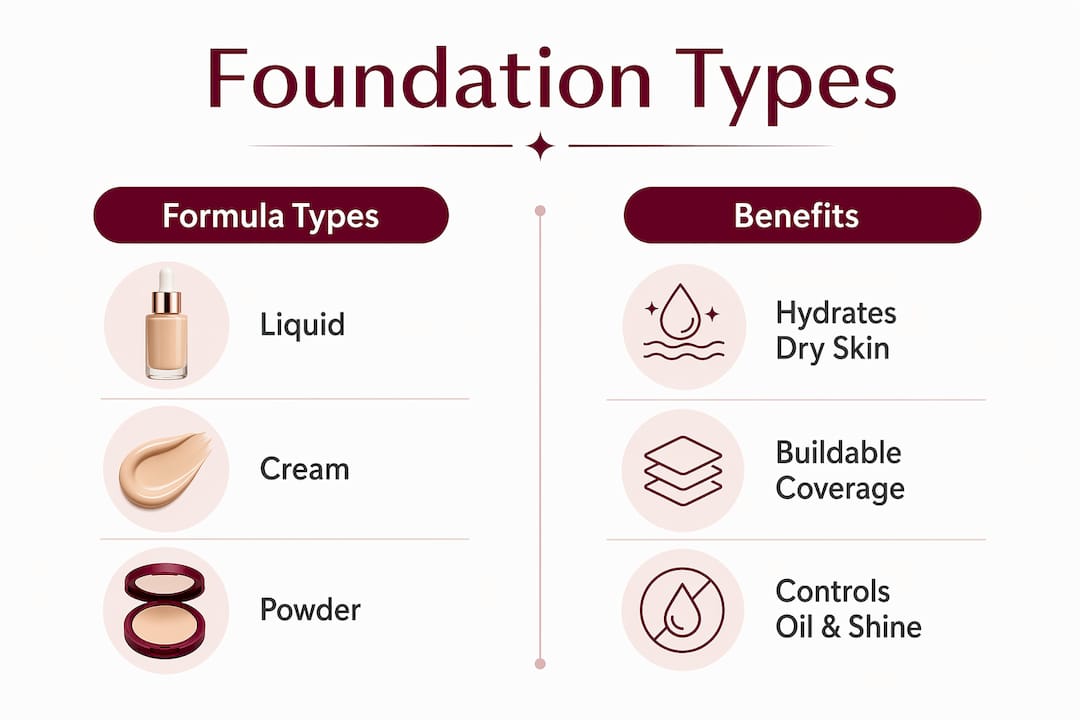
Here is how the main types break down:
- Liquid foundation hydrates as it covers. It suits dry and mature skin best because it blends smoothly and does not cling to flaky patches. Sigma Beauty advises liquid, moisturizing formulas to avoid dry patches and preserve a natural glow.
- Powder foundation absorbs oil and controls shine. It works well for oily skin but can look flat or cakey on mature skin if applied too heavily.
- Stick and cream foundations offer targeted, buildable coverage. They suit normal skin and work well for spot coverage on the go.
- Non-comedogenic and water-based formulas reduce the risk of clogged pores. Women with oily or sensitive skin benefit most from these. Lumeracosmetica’s guide on water-based makeup benefits explains why these formulas matter specifically for women over 40.
| Formula type | Best for | Key benefit |
|---|---|---|
| Liquid | Dry, mature skin | Hydrates and blends smoothly |
| Powder | Oily skin | Absorbs oil, controls shine |
| Stick or cream | Normal skin | Buildable, portable coverage |
| Non-comedogenic | Oily, sensitive skin | Reduces breakouts and clogged pores |
The table above is a starting point, not a rule. Many women over 40 have combination skin, meaning oily in the T-zone and dry on the cheeks. A lightweight liquid formula with a soft-matte finish often handles both zones well.
How to choose the right finish and coverage for mature skin
Finish and coverage level affect how your skin looks, not just how much is covered. For mature skin, the wrong finish can add years rather than subtract them.
Radiant and natural finishes reflect light softly, which makes skin look more alive and hydrated. Matte finishes absorb light and control shine, which works well for oily areas but can make dry patches look flat. A soft-matte or satin finish sits in the middle and suits most women over 40.
For coverage, thin and buildable beats heavy and full in most cases. A full coverage foundation applied in one thick layer tends to settle into fine lines and creases within a few hours. The same level of coverage built up in two or three thin layers looks far more natural and lasts longer.
- Sheer to light coverage: Great for good skin days, events in natural light, or when you want a barely-there look.
- Medium coverage: The most versatile option. Covers redness and uneven tone without masking skin texture.
- Full coverage: Best for photography, evening events, or specific concerns like hyperpigmentation. Apply in thin layers only.
Pro Tip: Avoid foundations labeled “full coverage” if the formula feels thick straight from the bottle. A medium-coverage liquid foundation built up in layers gives you more control and a far more natural result.
What are the best application methods for foundation?
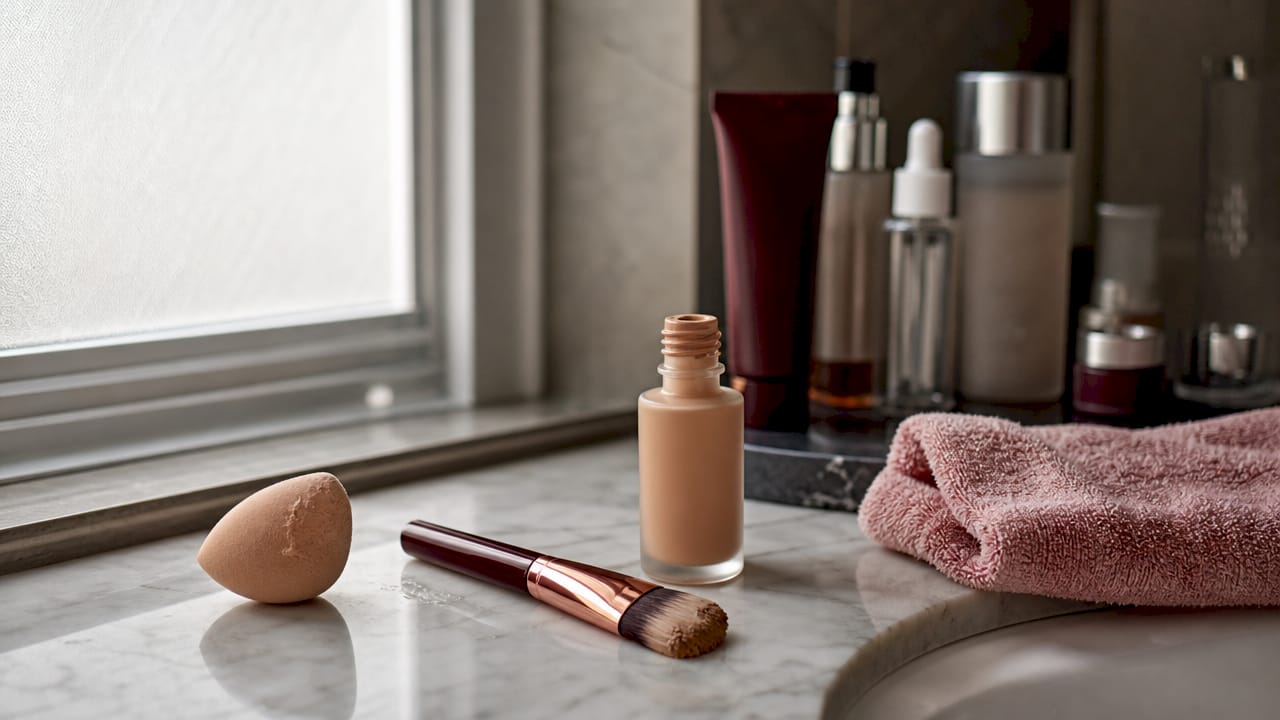
Three primary application methods exist for foundation: fingers, a makeup sponge, and a brush. Each one produces a different finish and suits different formulas.
- Fingers warm the product as you apply it, which helps liquid formulas melt into skin naturally. This method gives sheer, skin-like coverage and works well for light or tinted moisturizer-style foundations.
- Makeup sponge (such as a damp beauty blender) gives smooth, streak-free blending. Bounce blending with a sponge builds coverage evenly without dragging the product across the skin, which matters on mature skin that can crease under friction.
- Brush allows precise, controlled application. Circular motions with a flat or kabuki brush work well for medium to full coverage. Brushes suit powder and stick formulas particularly well.
The method you choose also affects how much product you use. Sponges absorb some product, so you may need slightly more. Brushes deposit product directly, which means a little goes a long way. Fingers use the least product and give the most natural finish.
Pro Tip: Dampen your sponge before use. A dry sponge absorbs too much product and leaves patchy coverage. A damp sponge blends foundation into skin rather than sitting on top of it.
For a full walkthrough of blending and layering, Lumeracosmetica’s makeup application tips guide covers the technique in detail.
How do you find the right foundation shade and undertone?
Shade matching is where most people go wrong, and the fix is simpler than most tutorials suggest. Identifying your undertone and testing in natural light are the two steps that matter most.
Undertones fall into three categories:
- Warm: Yellow, golden, or peachy tones in the skin. Veins on the wrist appear greenish.
- Cool: Pink, red, or bluish tones. Veins appear blue or purple.
- Neutral: A mix of warm and cool. Veins appear blue-green.
Once you know your undertone, test foundation on your jawline or cheekbone in natural daylight, not store lighting. Store lighting is almost always warm and flattering, which makes shades look more accurate than they are. Step outside or stand near a window before deciding.
| Undertone | Foundation shade direction | What to avoid |
|---|---|---|
| Warm | Yellow or golden base shades | Foundations with pink or ash tones |
| Cool | Pink or neutral base shades | Foundations with orange or yellow tones |
| Neutral | Most shades work | Extreme warm or cool formulas |
Skin tone also shifts between seasons. Many women in Australia find they need a slightly deeper shade in summer and a lighter one in winter. Keeping two shades on hand and mixing them is a practical solution that professional makeup artists use regularly.
What skincare prep steps improve foundation wear for mature skin?
Skin preparation is the step most women skip, and it is the one that makes the biggest difference to how foundation looks at the end of the day. Lumeracosmetica’s guide on simple skincare for makeup outlines the full prep routine, but the core steps are straightforward.
- Moisturize first. Apply a moisturizer suited to your skin type and let it absorb fully before touching any makeup. Dry skin needs a richer cream. Oily skin does better with a lightweight gel moisturizer.
- Apply primer and wait. Letting primer set for about 30 seconds before applying foundation creates a smooth surface and helps the formula grip the skin rather than slide. This single step reduces creasing significantly on mature skin.
- Apply foundation in thin layers. Start with less than you think you need. Blend one layer fully before adding another. This prevents the thick, crepey buildup that settles into fine lines.
- Set only where needed. Avoid dusting powder across your entire face. Apply setting powder only to oily areas like the T-zone. Leaving the rest of your face unpowdered keeps it looking fresh and hydrated rather than flat.
For women over 40, this prep sequence is not optional. Skin loses moisture and elasticity with age, which means foundation behaves differently than it did at 25. The right prep routine compensates for those changes.
Key Takeaways
The most effective foundation routine for mature skin combines the right formula, a buildable application technique, and thorough skin prep before any product touches your face.
| Point | Details |
|---|---|
| Match formula to skin type | Liquid hydrates dry and mature skin; powder controls oil on oily skin. |
| Choose finish carefully | Radiant or satin finishes suit mature skin better than heavy matte formulas. |
| Build coverage in thin layers | Thin coats prevent settling into fine lines and give a more natural result. |
| Prep skin before application | Moisturizer plus primer set for 30 seconds reduces creasing and improves wear. |
| Match shade in natural light | Test on jawline or cheek outdoors to get an accurate color match. |
What I have learned about foundation after 40
The most common mistake I see is treating foundation like a mask. Women reach for the heaviest, most full-coverage formula they can find, thinking more coverage means better results. It almost never does. Heavy formulas on mature skin look fine for the first hour and then start to settle, crease, and separate in ways that draw attention to exactly what you were trying to cover.
The shift that actually works is going lighter on formula and heavier on prep. A well-moisturized, primed face with a medium-coverage liquid foundation applied in two thin layers looks better at 6 p.m. than a thick full-coverage formula applied at 8 a.m. That is not an opinion. It is what I have watched happen consistently.
The other thing worth saying: formula technology has improved enormously. The best foundations for oily skin now include ingredients that actively balance oil production rather than just sitting on top of it. Dr. Anetta Reszko points out that finish and non-comedogenic properties matter more than the “oil-free” label alone. That distinction is worth understanding before you buy.
Shade ranges have also expanded. Finding a match that suits warm Australian skin tones or the cooler complexions common across northern Europe is far easier now than it was a decade ago. If you have not revisited your shade in a few years, it is worth testing again. Your skin has changed, and the available options have too.
— Rebecca
A finishing touch that works with your foundation routine
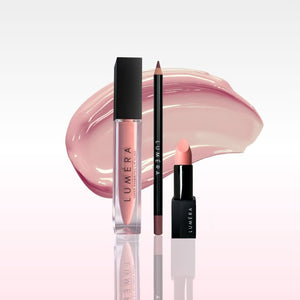
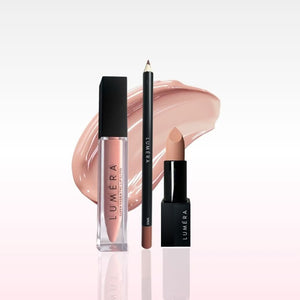
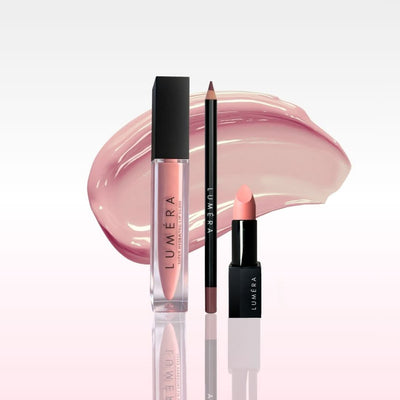
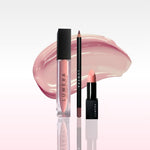
Foundation creates the base. What you add on top determines the final look. Lumeracosmetica’s Ombre Effect Lip Hi-Lighter is designed to complement a polished complexion with a soft, luminous finish that reads as natural rather than overdone.

The product suits mature skin well because it adds dimension without heavy pigment. Paired with a satin or radiant foundation finish, it pulls the whole look together. Women who prefer a light, natural makeup look will find it works as a standalone lip product or layered over a neutral base. Lumeracosmetica formulated it with the same attention to wearability that defines a good foundation: buildable, comfortable, and flattering across a range of skin tones.
FAQ
What is the best foundation type for mature skin?
Liquid foundation with a moisturizing formula is the best choice for mature skin. It hydrates, blends smoothly, and avoids the dry, cakey finish that powder formulas can produce on aging skin.
What is the best foundation for oily skin?
A matte or soft-matte, non-comedogenic formula works best for oily skin. Dr. Anetta Reszko notes that finish and non-comedogenic properties are more important than an oil-free label alone for controlling shine without harming skin health.
How do you apply foundation without it settling into lines?
Apply primer and let it set for about 30 seconds before adding foundation in thin, buildable layers. Avoid heavy powdering across the full face, and use a damp sponge to blend without dragging the product into fine lines.
How do I find my correct foundation shade?
Identify your undertone first, then test foundation on your jawline or cheek in natural daylight. Store lighting is too warm to give an accurate read. Adjust your shade seasonally if your skin tone changes between summer and winter.
Can I use full coverage foundation on mature skin?
Yes, but only if you apply it in thin layers rather than one heavy coat. Build coverage gradually and set only the oily areas with powder to keep the rest of your face looking fresh and natural.