Why use lip balm? Key benefits for women 40+

TL;DR:
- Mature lips require targeted care with ingredients like peptides and ceramides.
- Consistent use of effective lip balms protects against UV damage and reduces aging signs.
- Avoid irritating ingredients and always use SPF lip balm for year-round protection.
Many women reach for lip balm only when their lips feel cracked or dry in winter. But for women over 40 in Australia and Europe, that occasional habit is leaving a lot on the table. Lips age faster than almost any other part of the face, losing volume, moisture, and definition with every passing year. The right lip balm, used consistently, does far more than soothe chapping. It protects against UV damage, fights fine lines, and keeps lips looking full and healthy. This article breaks down exactly why lip balm matters for mature skin, which ingredients actually deliver results, and how to build a routine that works every single day.
Table of Contents
- Why mature lips need special care
- The science behind lip balm: How it works
- Sun, climate, and everyday damage: Why SPF matters for lips
- Debunking myths and avoiding common mistakes
- The truth most women miss about using lip balm after 40
- Ready to upgrade your lip care routine?
- Frequently asked questions
Key Takeaways
| Point | Details |
|---|---|
| SPF is essential | Daily SPF lip balm protects mature lips from sunburn, dryness, and pigmentation year-round. |
| Choose proven ingredients | Peptides, hyaluronic acid, and ceramides help prevent aging and keep lips plump and smooth. |
| Avoid irritants | Steer clear of menthol, camphor, and fragrance to prevent dryness and irritation in sensitive lips. |
| Consistency matters | Using the right lip balm every day delivers lasting benefits—quick fixes don’t work for mature lip care. |
Why mature lips need special care
After 40, lips go through real, measurable changes. Collagen production slows, natural oils decrease, and the lip border starts to lose its definition. These are not cosmetic complaints. They are biological shifts that affect how lips look, feel, and respond to products.
Mature lips are noticeably more prone to fine lines, dryness, and uneven pigmentation. The skin on lips is thinner than anywhere else on the face, with no oil glands to provide built-in moisture. That means every drop of hydration has to come from the products you apply. Without targeted care, lips can look older than the rest of your face.
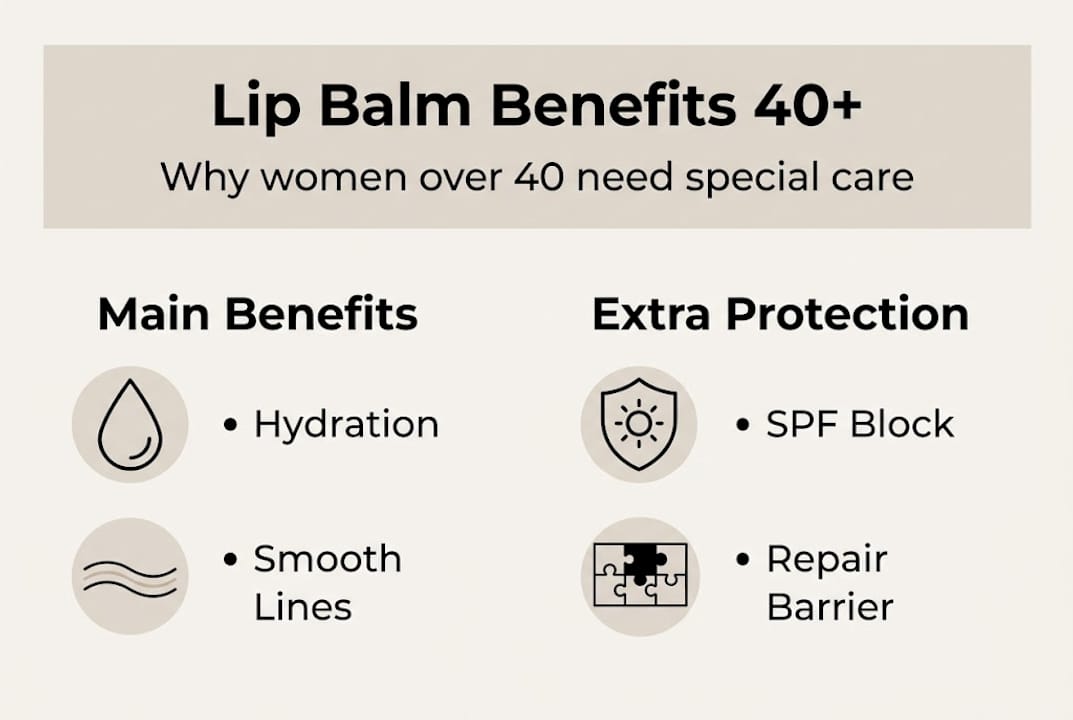
The good news is that modern lip balms are designed to address exactly these changes. Lip balms prevent premature aging, fine lines, and volume loss with anti-aging ingredients such as peptides and ceramides. These are not marketing buzzwords. Peptides signal the skin to produce more collagen, while ceramides reinforce the lip’s natural barrier so moisture stays locked in.
Knowing which ingredients to seek out makes a real difference. Here are the key players to look for on any label:
- Peptides: Stimulate collagen and help restore lip fullness over time
- Ceramides: Strengthen the skin barrier and reduce moisture loss
- Hyaluronic acid: Draws water into the lips for immediate plumping
- Vitamin E: Protects against environmental damage and soothes irritation
- Shea butter: Softens and conditions without clogging or irritating
Learning about youthful lip ingredients helps you cut through the noise and pick products that actually perform. And if you want to understand how balm pairs with color cosmetics, exploring soft lipstick for mature lips is a great next step.
Lips lose up to 40% of their volume between the ages of 40 and 60, making proactive care far more effective than reactive treatments.
Pro Tip: Apply an anti-aging lip balm as the last step in your nighttime skincare routine. Overnight is when skin repairs itself most actively, so a richer balm applied before bed delivers deeper, longer-lasting results than daytime application alone.
The science behind lip balm: How it works
Not all lip balms are created equal, and understanding how they work helps you choose smarter. Every effective formula combines three types of ingredients, each doing a distinct job.
Humectants draw moisture from the environment and from deeper skin layers up to the surface. Occlusives form a physical barrier that seals that moisture in. Emollients fill the gaps between skin cells, creating a smooth, soft texture. The best balms for mature lips use all three in a balanced ratio.
Humectants draw moisture, occlusives seal it, and emollients soften the skin, and urea at 2.5% concentration clinically increases moisture levels within 24 hours. That is the kind of ingredient-level detail worth paying attention to when you are reading labels.
Here is a breakdown of how the most common ingredients function:
| Ingredient | Type | Key benefit for mature lips |
|---|---|---|
| Hyaluronic acid | Humectant | Plumps and hydrates immediately |
| Urea (2.5%) | Humectant | Clinically increases moisture in 24 hours |
| Petrolatum | Occlusive | Seals in hydration, protects barrier |
| Beeswax | Occlusive | Natural protection, long-lasting seal |
| Shea butter | Emollient | Softens and smooths fine lines |
| Ceramides | Emollient/barrier | Restores and strengthens lip skin |
Layering balm under your lipstick is one of the smartest habits you can build. It not only keeps lips healthier but also helps best lip products for mature skin perform better and last longer throughout the day. Lipstick sits more evenly on a hydrated base, and color stays true for hours longer.
For women in cooler climates, lip care during winter requires extra attention because cold air and indoor heating both strip moisture rapidly. Switching to a richer, more occlusive formula during colder months is a simple adjustment that makes a noticeable difference.
- Morning: Apply balm first, let it absorb for two minutes, then apply liner and lipstick
- Midday: Reapply after eating or drinking
- Evening: Use a richer, peptide-based balm as a treatment
Pro Tip: Apply balm before and immediately after outdoor exposure. Wind and sun both dehydrate lips faster than most people realize, and a protective layer before you head out significantly reduces that damage.
Exploring everyday lip care tips gives you a full routine framework that is easy to follow and genuinely effective for women over 40.
Sun, climate, and everyday damage: Why SPF matters for lips
Here is something that surprises most women: lips have almost no melanin. Melanin is the pigment that gives skin its natural UV protection. Without it, lips are among the most sun-vulnerable areas on your entire body, yet SPF lip balm is still one of the most skipped steps in most women’s routines.
Lip balms with SPF are essential year-round in Australia and Europe due to UV exposure, wind, and dry climates. In Australia, UV radiation is intense even on overcast days. In Europe, cold wind and low humidity cause just as much damage as direct sun. Both environments accelerate the aging of mature lips.
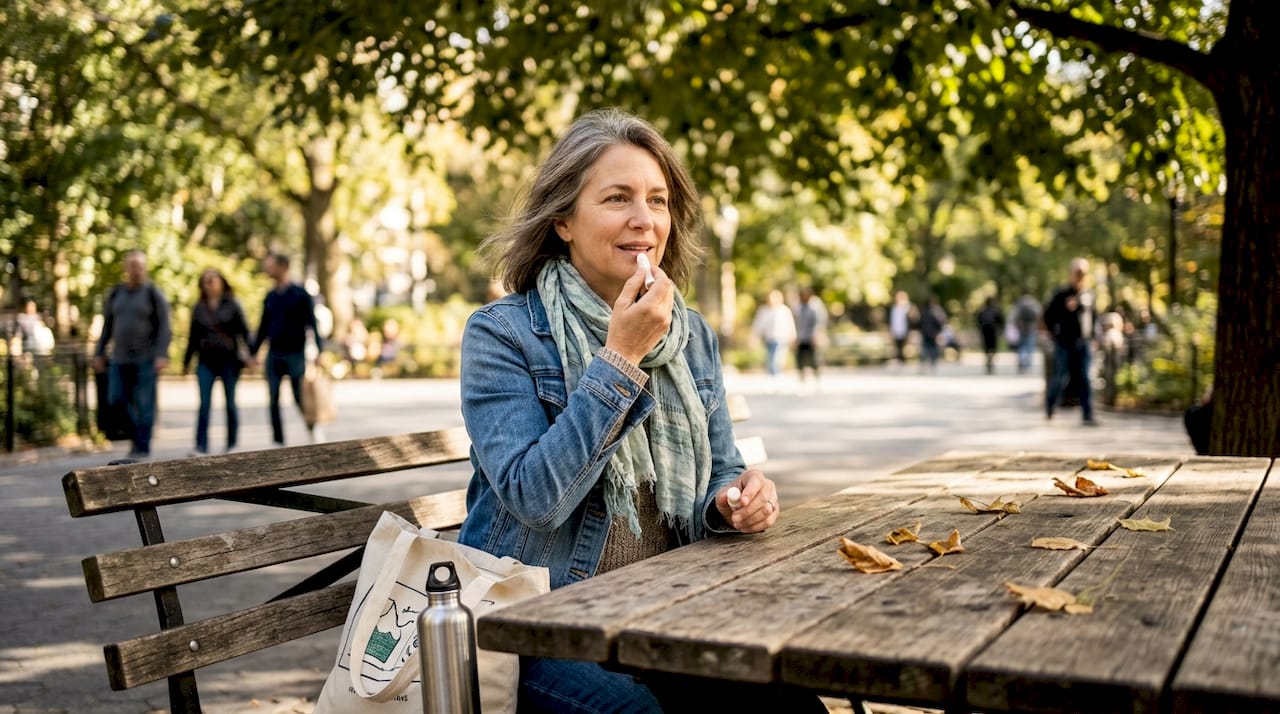
UV damage on lips shows up as pigmentation changes, fine lines, and over time, a loss of the natural lip border. These effects compound with age, which is why SPF 30 or higher is the recommended minimum for daily use, not just beach days.
Here is how regular balm compares to SPF balm:
| Feature | Regular lip balm | SPF lip balm |
|---|---|---|
| Hydration | Yes | Yes |
| UV protection | No | Yes (SPF 30+) |
| Anti-aging support | Depends on formula | Often included |
| Best use | Evening, indoor use | Daily, outdoor, year-round |
| Reapplication needed | Every 2-4 hours | Every 2 hours outdoors |
Applying SPF lip balm correctly matters just as much as choosing the right product. Follow these steps for all-day protection:
- Apply SPF balm as the first step in your morning lip routine, before any other product
- Let it absorb for 60 seconds before applying liner or lipstick
- Reapply every two hours if you are outdoors or after eating and drinking
- Keep a small balm in your bag so reapplication is easy and consistent
- Do not skip reapplication on cloudy days, UV rays penetrate cloud cover easily
For tips on keeping your full lip look intact throughout the day, lip makeup longevity steps walks you through a practical, step-by-step approach. And if your lips are already dealing with dryness or damage, guidance on how to heal chapped lips offers fast, dermatologist-backed solutions.
Debunking myths and avoiding common mistakes
The most persistent myth about lip balm is that using it regularly makes your lips dependent on it, as if your lips will forget how to moisturize themselves. This is not how skin works. No evidence supports the claim that lip balm causes chapping on healthy lips. When people feel like they need to reapply constantly, the real culprit is almost always an irritating ingredient in the formula itself.
The ingredients most likely to cause problems are menthol, camphor, and artificial fragrances. These create a cooling or tingling sensation that many people associate with effectiveness, but that sensation is actually mild irritation. It triggers more licking, more dryness, and more reapplication. It is a cycle driven by the formula, not by the lips becoming dependent.
For mature skin, this matters even more. Lips over 40 are more reactive and less resilient than younger skin. A formula that causes mild irritation in a 25-year-old can cause significant dryness and discomfort in a woman over 40.
Here are the most common mistakes to avoid:
- Over-exfoliating: Scrubbing lips more than once a week strips the barrier and worsens dryness
- Skipping SPF: Even in winter or indoors near windows, UV exposure adds up
- Ignoring ingredient lists: If a balm tingles or stings, it is likely doing more harm than good
- Using flavored balms: Sweet flavors encourage licking, which dries lips faster
- Applying to dry, cracked lips without healing first: Seal in moisture only after lips are hydrated
If your lip balm makes your lips tingle, that is not a sign it is working. That is a sign it is irritating your skin.
For a more complete picture of how to enhance mature lips with liner and color, or to build an everyday lipstick routine that complements your balm habit, both are worth exploring. And for a clear breakdown of product types, lip balm vs chapstick explains the differences in plain terms.
The truth most women miss about using lip balm after 40
The beauty industry loves a hero product. Every season, there is a new lip balm promising to reverse aging, restore volume, and transform your lips overnight. Most of these products are built around marketing trends, not clinical evidence. That is the uncomfortable truth worth saying plainly.
What actually produces results for mature lips is not a miracle formula. It is consistency. Using a balm with proven ingredients, every morning and every night, outperforms any expensive treatment you use sporadically. The skin on your lips responds to daily input, not occasional intervention.
The most effective routines we see are integrated ones. Balm, liner, and lipstick working together create a system where each product supports the others. A well-hydrated lip base means liner stays precise, and lipstick lasts longer without settling into fine lines. No single product does all of that alone.
If you want to see what that kind of integrated approach looks like in practice, lipstick layering tips for 40+ is a genuinely useful resource.
Pro Tip: Build your daytime and nighttime lip routines around ingredients with real clinical backing, not around what is trending. Peptides, ceramides, and hyaluronic acid have decades of research behind them. That is where your money and your habit should go.
Ready to upgrade your lip care routine?
If this article has made one thing clear, it is that the right lip balm is not a luxury. For women over 40, it is a daily essential that protects, repairs, and supports everything else in your lip routine.
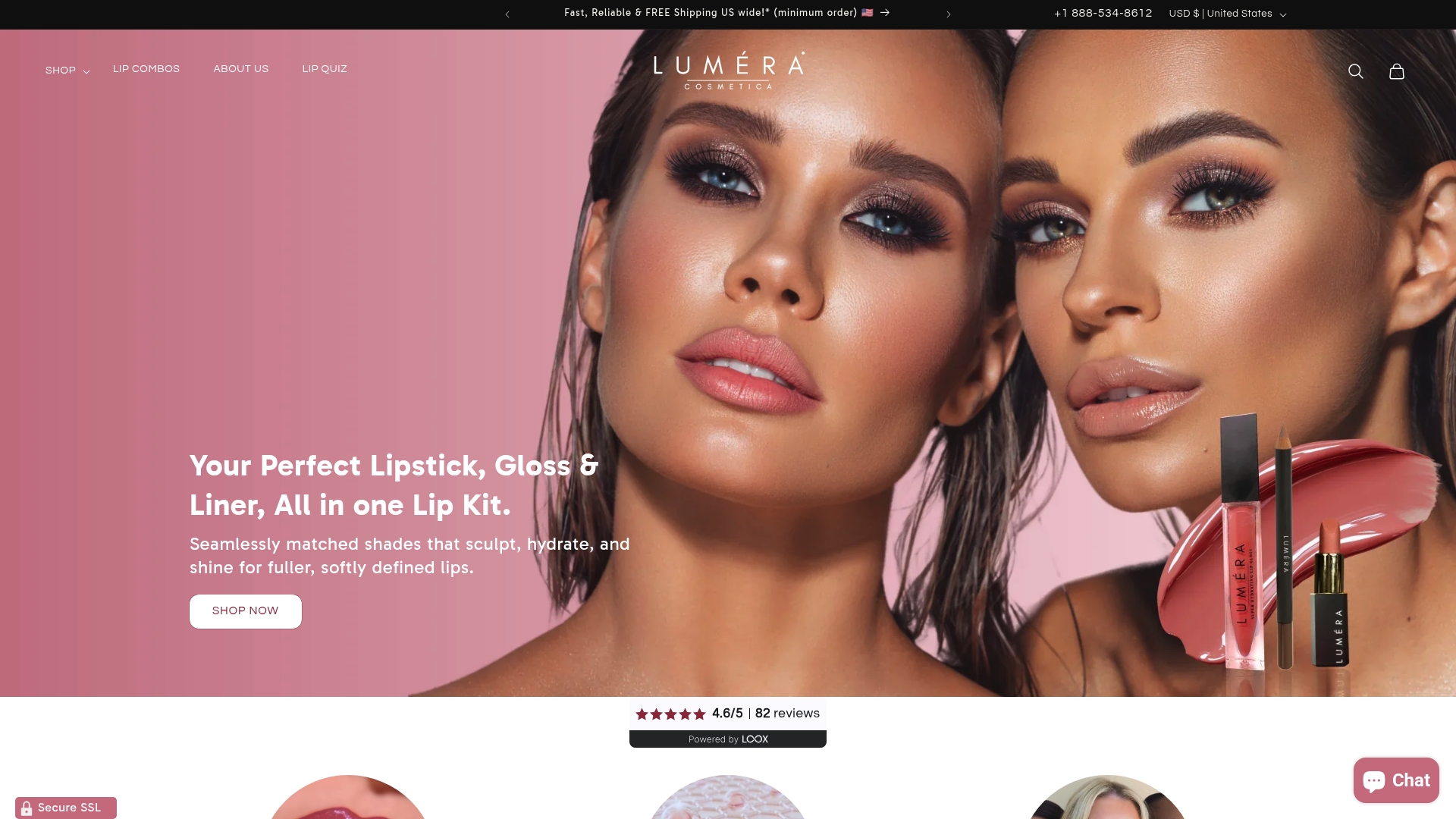
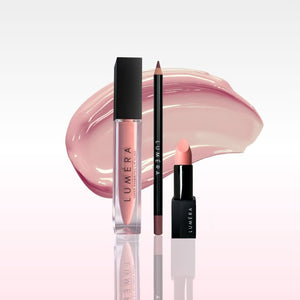
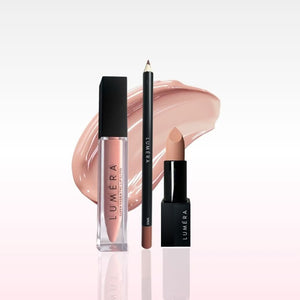
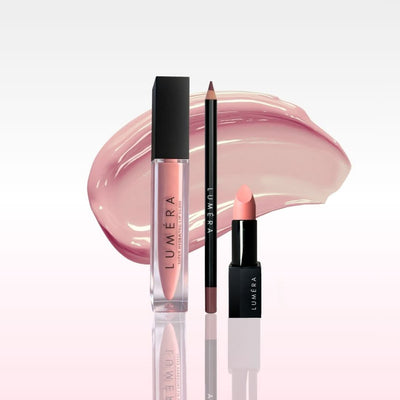
At Lumera Cosmetica, we have built our lip products specifically for mature lips. The Miss Bombshell Lip Kit brings together an advanced balm, a precise liner, and a long-wearing lipstick in one complete kit designed to work as a system. Every formula is chosen for real results, not trends. If you are ready to take your lip care seriously, shop more lip care solutions and find the products that fit your routine.
Frequently asked questions
What ingredients should I avoid in lip balms for mature skin?
Avoid menthol, camphor, and artificial fragrances. These irritants in sensitive lips can trigger a cycle of dryness and irritation that is especially problematic for aging skin.
Can using lip balm every day actually make my lips dependent?
No. Daily use does not cause dependency, but harsh or irritating formulas can create a cycle of dryness that mimics the feeling of needing constant reapplication.
Why is SPF important in lip balm?
Lips have very little melanin, making them highly vulnerable to UV damage. SPF in lip balm is recommended year-round, especially in Australia and Europe where UV and climate exposure is significant.
How do I get the best results from lip balm after age 40?
Choose balms with peptides, ceramides, and hyaluronic acid, and apply them both morning and night. Anti-aging lip ingredients prevent fine lines and volume loss when used consistently over time.
Recommended
- Key ingredients for healthier, more youthful lips after 40 – Luméra Cosmetica
- La Lipstick: Elevating Beauty for Women 40+ – Luméra Cosmetica
- Lipstick Basics: Enhancing Beauty for Women 40+ – Luméra Cosmetica
- Best Types of Lip Products for Women Over 40 in 2026 – Luméra Cosmetica
- Women’s - Anti Aging Cream - Brainwellness