What Is the Best Lip Oil for Hydrated, Glowing Lips

TL;DR:
- The best lip oils are hybrid products that hydrate and nourish lips while providing a lightweight, glossy finish. They contain emollients, humectants, and antioxidants that support the lip barrier, with ingredient quality being more important than price. Proper application involves layering over a humectant base and reapplying after eating or drinking for optimal hydration.
The best lip oil is a hybrid skincare-cosmetic product that hydrates lips with nourishing emollients, humectants, and antioxidants while delivering a lightweight, glossy finish. Unlike traditional glosses, top lip oils like Dior Lip Glow Oil, NYX Fat Oil Lip Drip, and Summer Fridays Dream Lip Oil are formulated with jojoba, squalane, peptides, and antioxidants to actively support the lip barrier rather than just coat the surface. If you are between 30 and 50 and your lips feel perpetually dry despite using balm, a well-formulated lip oil is the upgrade your routine needs.
What is the best lip oil for hydration and lip care?
The answer depends on your priorities, but the formula always matters more than the price tag. The most effective lip oils combine three ingredient categories: emollients, humectants, and antioxidants. Each plays a distinct role, and a product that skips one of these categories will underperform.
Emollients: the barrier builders
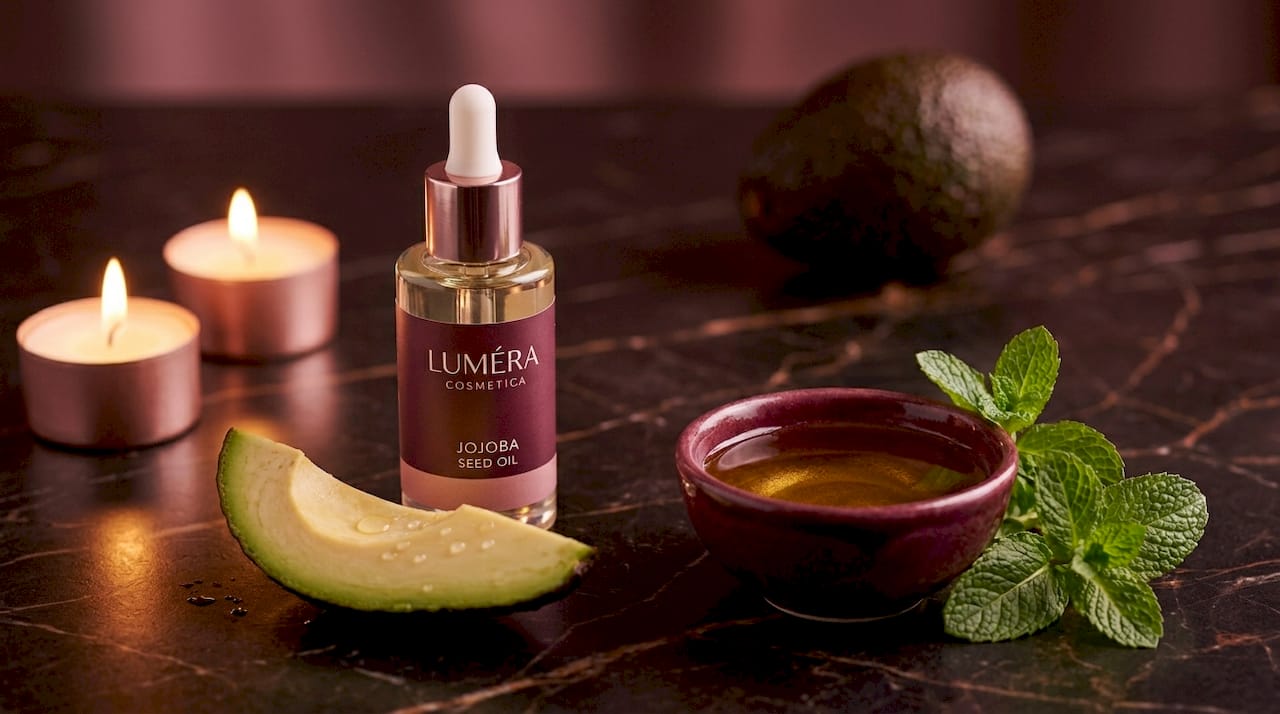
Emollients like jojoba oil, squalane, and avocado oil fill in the microscopic gaps in your lip skin, reducing water loss and softening texture. Jojoba oil is particularly effective because its molecular structure closely resembles the skin’s natural sebum, which means it absorbs without leaving a heavy residue. Squalane, derived from sugarcane or olives, is lightweight and stable, making it ideal for sensitive or reactive lips. You can read more about jojoba oil benefits for lips specifically if you want to understand why this ingredient appears in so many top-rated formulas.
Humectants: the moisture magnets
Humectants like hyaluronic acid and glycerin draw water from the environment and deeper skin layers into the lip tissue. This is the mechanism that creates lasting softness rather than temporary shine. Lip oils function primarily as emollients that seal moisture but cannot replace humectants, which is why layering matters. A lip oil applied over bare, dry lips will not hydrate as effectively as one applied over a humectant-rich serum or balm.
Antioxidants and SPF
Vitamin E and peptides protect lip skin from oxidative stress and support collagen structure, which becomes more relevant after 35 when lip volume and definition naturally decrease. For daytime wear, the Alleyoop Sun Serum Tinted Lip Oil delivers SPF 40 protection without the bitter taste common to sunscreen lip products. Sun protection on lips is one of the most overlooked steps in any lip care routine, and a tinted SPF oil solves both the cosmetic and protective need at once.
Pro Tip: Scan the ingredient list before buying. If fragrance or alcohol appears in the first five ingredients, skip it. Heavy fragrance can dry and irritate sensitive lips, especially for those with mature or reactive skin.
- Look for: jojoba oil, squalane, hyaluronic acid, glycerin, vitamin E, peptides
- Avoid: high-fragrance formulas, alcohol denat., mineral oil as the primary ingredient
- Bonus ingredients: ceramides, niacinamide, SPF filters for daytime use
Which lip oils are top-rated in 2026 for different needs?
The market for lip oils has expanded significantly, and the best rated lip oil for you depends on whether you prioritize finish, function, budget, or all three. Here is a breakdown of the standout options across categories.
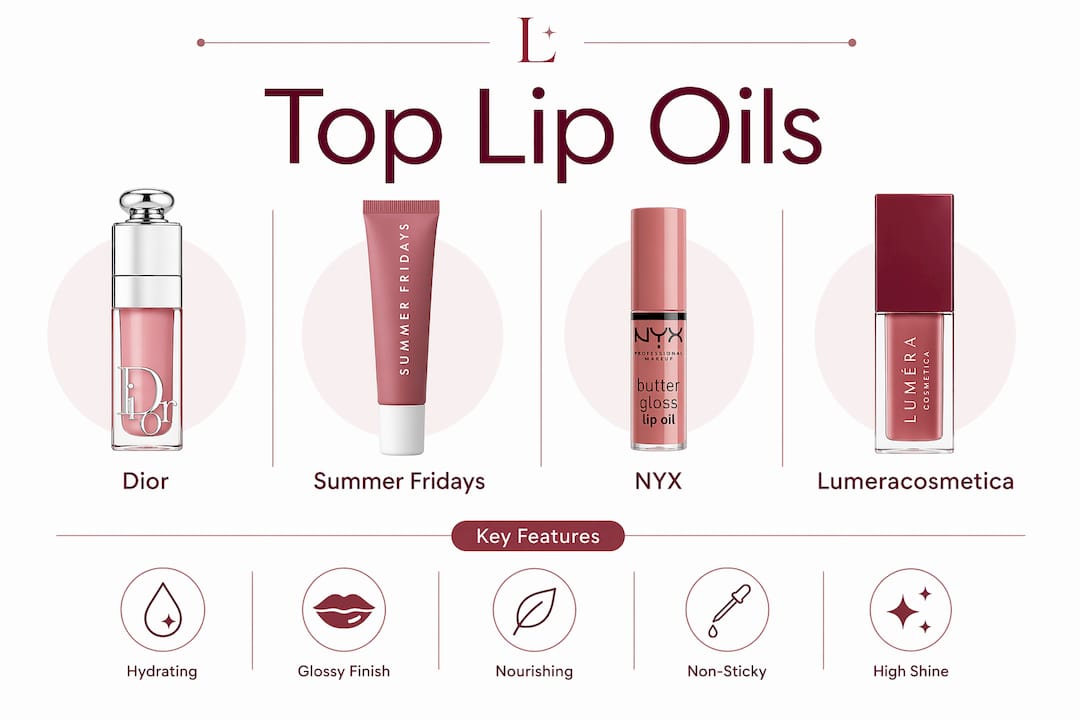
Dior Lip Glow Oil is cited as best overall in 2026 for its moisturizing, glassy finish and line-smoothing properties. It sits at the luxury end of the price spectrum, but its formula delivers visible results that justify the cost for many users. The color-enhancing technology reacts with your natural lip tone, so the tint looks personalized rather than painted on.
For those who want effective hydration without the luxury price, NYX Fat Oil Lip Drip is the best budget lip oil under $9. It offers lightweight hydration and shine, though it runs slightly sticky compared to higher-end options. At that price point, the performance is genuinely impressive, and it works well as a layering product over a balm.
| Product | Category | Key Ingredients | Finish | Price Range |
|---|---|---|---|---|
| Dior Lip Glow Oil | Best overall | Rosehip oil, vitamin E | Glassy, tinted | Luxury |
| NYX Fat Oil Lip Drip | Best budget | Plant oils, vitamin E | Glossy | Under $9 |
| Summer Fridays Dream Lip Oil | Best high-shine | Squalane, peptides | Mirror-like | Mid-range |
| Alleyoop Sun Serum Tinted Lip Oil | Best SPF | SPF 40, plant oils | Sheer tinted | Mid-range |
| Clinique Pop Lip + Cheek Oil | Best tinted | Jojoba, vitamin C | Buildable color | Mid-range |
Summer Fridays Dream Lip Oil earns consistent praise for its mirror-like finish and squalane-forward formula. It sits in the mid-range price category and works well as both a standalone product and a gloss topper. For those who want color alongside care, Clinique Pop Lip + Cheek Oil and Fenty Treatz offer buildable pigment with conditioning ingredients underneath.
Pro Tip: If you are new to lip oils and unsure which lip oil to buy, start with a mid-range option like Summer Fridays before committing to a luxury price. The ingredient quality gap between mid-range and luxury is smaller than most people expect.
How should you apply lip oil for maximum hydration?
Application technique determines how much benefit you actually get from a lip oil. Most people apply it directly to bare lips and wonder why the results feel temporary. The correct method takes about 30 seconds longer and produces noticeably better results.
- Start with clean lips. Gently exfoliate once or twice a week to remove flaking skin. A soft toothbrush or a sugar scrub works well. Applying oil over dead skin cells reduces absorption and dulls the finish.
- Apply a humectant layer first. Use a water-based lip serum or a thin layer of hyaluronic acid balm. Dermatologist Dr. Jaimie DeRosa recommends applying a water-based serum first and then sealing with lip oil to lock in moisture effectively.
- Apply the lip oil in a thin layer. Less is more. A single swipe from the applicator is enough. Overapplication creates slipperiness and reduces wear time without adding hydration benefit.
- Reapply after eating or drinking. Lip oils require more frequent reapplication than long-wear products. Keeping one in your bag and touching up after meals maintains both the cosmetic finish and the hydration benefit throughout the day.
- Layer over or under lipstick strategically. Applied under lipstick, a thin coat of lip oil creates a smoother base and improves color payoff. Applied over lipstick, it adds a glossy dimension. For a detailed approach to this technique, the layering lipstick guide from Lumeracosmetica covers the full method for women over 40.
Pro Tip: Apply lip oil as the last step in your morning skincare routine, not after foundation. This prevents the oil from disrupting your base makeup while still delivering the hydration benefit before you apply any lip color.
How does lip oil differ from lip gloss and balm?
This is one of the most common points of confusion in lip care, and the distinction matters when you are choosing products for dry lips. Lip oils penetrate skin to repair the barrier, while glosses mainly add surface shine without delivering skincare ingredients. That single difference changes how your lips feel and look over time.
Lip balm sits in a different category again. Balms are primarily occlusive, meaning they form a physical seal over the lip surface to prevent moisture loss. They are effective at protecting already-hydrated lips but do little to actively condition or nourish. Most balms also lack the cosmetic appeal of a glossy finish, which is why many people abandon them during the day.
Lip oils occupy the space between balm and gloss. They are best used as a lip care product with cosmetic benefits, replacing glosses with nourishing formulas that work while you wear them. The non-sticky texture of quality lip oils is a significant practical advantage over traditional glosses, particularly for anyone who finds gloss uncomfortable in wind or when hair sticks to their lips.
The practical benefits of choosing a lip oil over gloss or balm include:
- Non-sticky wear that feels comfortable throughout the day
- Skincare ingredients that condition lips over time, not just in the moment
- A natural, lit-from-within finish that works across age groups
- Compatibility with other lip products for layered looks
For a deeper comparison of these product types, Lumeracosmetica’s lip gloss vs. lip oil guide breaks down the differences with specific product examples and use cases.
Key takeaways
The best lip oil combines emollients, humectants, and antioxidants in a lightweight formula, and layering it over a humectant base produces significantly better hydration than applying it alone.
| Point | Details |
|---|---|
| Ingredient quality defines performance | Look for squalane, jojoba, hyaluronic acid, and vitamin E as core ingredients. |
| Layering is non-negotiable | Apply a humectant serum or balm first, then seal with lip oil for lasting moisture. |
| Top picks span all budgets | Dior Lip Glow Oil leads for luxury; NYX Fat Oil Lip Drip delivers at under $9. |
| SPF lip oils serve double duty | Alleyoop SPF 40 Sun Serum Lip Oil protects and conditions without sunscreen taste. |
| Reapplication maintains results | Touch up after eating or drinking to sustain both hydration and finish. |
Why ingredient transparency changed how I choose lip oils
I spent years reaching for whatever lip gloss was on sale, and my lips showed it. The skin around the lip border was perpetually dry, and no amount of balm seemed to fix it. The shift happened when I started reading ingredient lists the same way I read skincare labels.
The products that actually changed my lip condition were the ones leading with plant oils and peptides, not fragrance and filler. Experts advise selecting lip oils rich in plant oils and peptides for long-term conditioning, and that advice holds up in practice. The glossy finish is a bonus. The real value is in what the formula does to your lip barrier over weeks of consistent use.
What I tell anyone over 35 is this: stop treating lip care as a cosmetic-only decision. Your lips lose moisture faster as you age, and the products you choose either support that barrier or ignore it. Fragrance sensitivity is also more common than people realize. Minimal or no fragrance formulas protect sensitive and mature lips from the drying effects that high-fragrance products cause over time.
The other thing most articles skip is the long game. A lip oil that looks beautiful on day one but contains drying alcohols will leave your lips worse off by week four. Choose for the ingredient list first, the finish second. The natural oils guide from Lumeracosmetica is a good reference point if you want to go deeper on which plant oils deliver the most conditioning benefit for mature lips.
— Rebecca
Discover radiant, hydrated lips with Lumeracosmetica
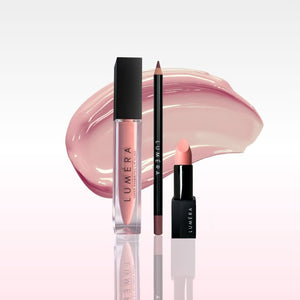
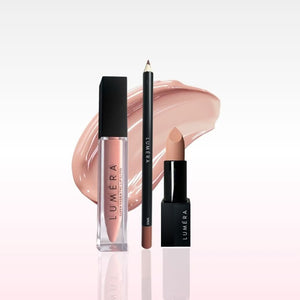
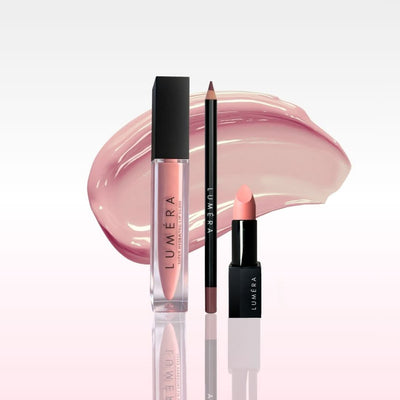
Lumeracosmetica formulates lip products specifically for people who want real hydration alongside a polished finish. The Sculpt & Shine Lip Duo pairs a conditioning lip oil with a sculpting formula, giving you both the skincare benefit and the cosmetic payoff in one purchase.
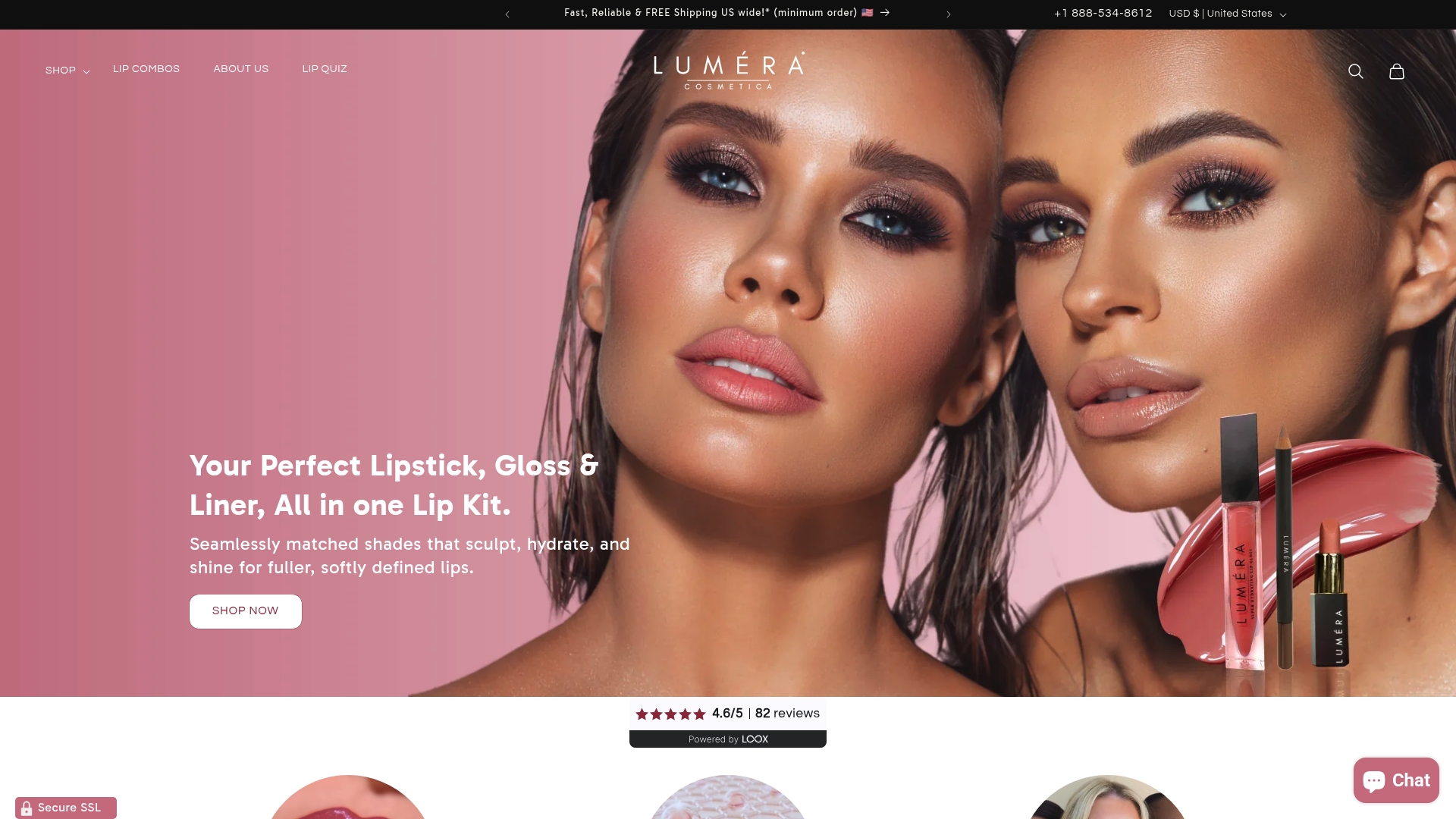
The Sculpt & Shine Lip Duo is built around the same ingredient principles covered in this article: emollient-rich oils, humectant support, and a finish that works across skin tones. If you have been searching for a lip oil that delivers visible results without stickiness or heavy fragrance, this is the place to start. Visit Lumeracosmetica to explore the full lip care range and find the right product for your routine.
FAQ
What makes a lip oil better than regular lip gloss?
Lip oils contain skincare ingredients like squalane, jojoba oil, and hyaluronic acid that actively condition and repair the lip barrier. Traditional glosses add surface shine without delivering any lasting hydration benefit.
How often should I reapply lip oil during the day?
Reapply after eating or drinking to maintain hydration and finish. Because lip oils are lighter than balms, they require more frequent touch-ups than long-wear lip products.
Can I use lip oil over lipstick?
Yes. A thin layer of lip oil applied over lipstick adds a glossy dimension and prevents the color from looking dry or cakey. Apply sparingly to avoid breaking down the lipstick formula.
Is lip oil good for dry lips specifically?
Lip oil for dry lips works best when layered over a humectant-rich balm or serum. The oil seals in the moisture that the humectant draws in, creating a more effective hydration result than oil alone.
Which lip oil is best for daytime sun protection?
The Alleyoop Sun Serum Tinted Lip Oil provides SPF 40 protection with a tinted finish and no bitter sunscreen taste, making it the strongest daytime option for both protection and cosmetic wear.