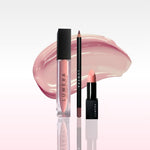
Anti-Aging Lipstick Checklist for Women Over 40

TL;DR:
- Anti-aging lipstick combines active ingredients like hyaluronic acid, peptides, and antioxidants to hydrate, support collagen, and protect mature lips.
- Choosing warm medium-depth shades and creamy satin finishes enhances lip definition while minimizing the appearance of fine lines and dryness.
Anti-aging lipstick is defined as a formula engineered to hydrate, plump, and prevent color migration on mature lips. After 40, lips lose volume, develop fine vertical lines, and dry out faster than they did a decade ago. The right product does more than add color. It actively supports lip health while keeping your look polished and youthful. This anti-aging lipstick checklist covers every decision point: ingredients, shades, finishes, liner technique, and prep, so you can choose with confidence.
1. What ingredients should you look for in anti-aging lipstick?
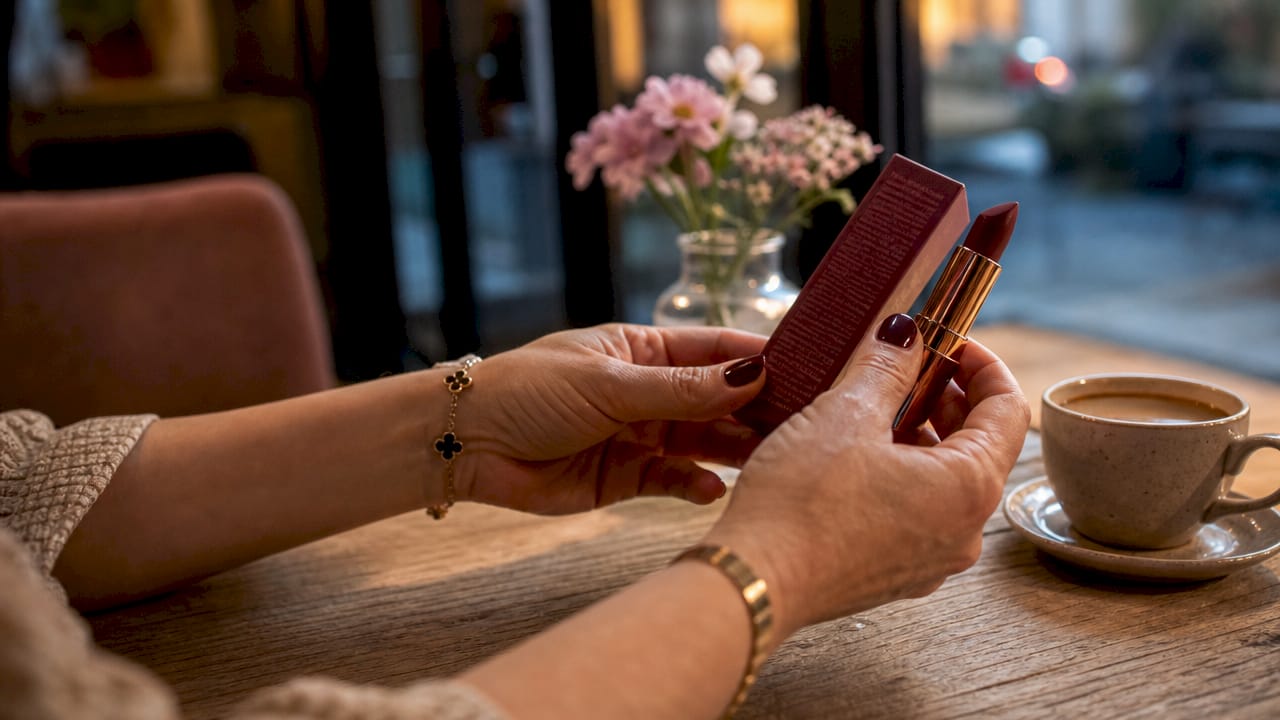
The ingredient list is the single most reliable indicator of whether a lipstick will help or hurt mature lips. Hydrating agents like hyaluronic acid, shea butter, vitamin E, and peptides nourish aging lips and support collagen production. These are not marketing extras. They are the difference between a formula that dries out by noon and one that keeps lips soft through the afternoon.
Antioxidants matter just as much. Lipstick formulas containing antioxidants and SPF combat free radicals and offer protection that aids long-term lip health. Vitamin C brightens and supports collagen synthesis. Vitamin E seals in moisture and repairs the lip barrier.
Peptides are the ingredient most women overlook. They signal skin cells to produce more collagen, which gradually restores lip fullness with regular wear. Think of them as the active treatment layer inside your color product.
- Hyaluronic acid: draws moisture into lip tissue and creates a plumping effect
- Shea butter: seals the moisture barrier and prevents transepidermal water loss
- Vitamin E: repairs and protects the delicate lip skin from oxidative stress
- Peptides: stimulate collagen synthesis for gradual fullness over time
- Vitamin C: brightens lip tone and supports structural lip protein
- SPF: shields lips from UV damage that accelerates thinning and line formation
Pro Tip: Scan the first five ingredients on the label. If the first three are waxes and synthetic fillers with no actives, the formula prioritizes texture over treatment.
2. Which lipstick colors and finishes are most flattering for mature lips?
Shade selection is color science, not guesswork. Medium-depth warm-toned shades restore youthful lip definition without highlighting thinning or fine lines. Rosy mauve, warm rose, soft berry, and dusty coral all fall in this sweet spot. They add enough contrast to define the lip border while keeping the overall look fresh rather than severe.
Two shade categories actively age mature lips. Very dark shades like deep chocolate brown and heavy burgundy shrink the visual size of lips and draw attention to vertical lines. Ultra-pale nudes wash out the lip entirely, making the mouth disappear against the face. Both extremes work against you.
Finish matters as much as color. Ultra-matte or heavily frosty finishes accentuate lip dryness and vertical lines in women over 40. Matte formulas grip every crease. Frost reflects light in a way that highlights texture rather than smoothing it.
Creamy satin finishes balance hydration and color hold, sitting smoothly on lips with fine lines. They reflect light evenly, which creates the optical illusion of a fuller, smoother lip surface. For guidance on flattering lip shades by skin tone, Lumeracosmetica offers a dedicated color guide.
| Shade category | Effect on mature lips | Recommended? |
|---|---|---|
| Rosy mauve, warm rose | Adds definition, looks natural | Yes |
| Soft berry, dusty coral | Brightens without severity | Yes |
| Deep chocolate, heavy burgundy | Shrinks lip appearance, emphasizes lines | No |
| Ultra-pale nude | Washes out lips, removes definition | No |
| Frosty or metallic | Highlights texture and dryness | No |
3. How to use lip liners and layering techniques to enhance youthful lip appearance
Lip liner is the most underused tool in mature lip makeup. Skipping lip liner accelerates the aging look by allowing lipstick to feather into fine lines within the first hour of wear. A liner applied correctly acts as a physical barrier that keeps color exactly where you placed it.
The technique that works best follows four steps:
- Choose the right liner shade. Match it to your natural lip tone or to the lipstick shade. A liner that is too dark creates a harsh border that ages the look.
- Line the natural lip border. Follow your actual lip edge. Aggressive overlining creates an unnatural shape that draws attention rather than flattering.
- Fill the entire lip surface. Filling the full lip with liner creates a smudge-resistant base that extends color wear and prevents feathered edges.
- Apply lipstick over the liner base. Press the color in with a lip brush for even coverage, then blot lightly with a tissue and apply a second thin coat.
Layering adds longevity without caking. The blot-and-reapply method removes excess oils from the first coat before the second layer bonds to the liner base. The result is color that lasts three to four hours longer than a single application.
Pro Tip: Use a slightly lighter liner shade in the center of the lower lip before applying lipstick. This adds dimension and creates the appearance of more fullness without any filler.
For a full breakdown of liner and layering mistakes that age lips faster, Lumeracosmetica covers the most common errors and their fixes.
4. How to prep mature lips for the best lipstick application and longevity
Prep is the step that separates a lipstick that looks great at 9 AM from one that still looks great at 2 PM. Mature lips have a drier, more textured surface than younger lips. Applying color directly onto that surface without preparation means the formula settles into lines and flakes off within hours.
Gently exfoliating and prepping lips improves lipstick application and wear for mature skin. A soft sugar scrub or a damp washcloth used in gentle circular motions two to three times per week removes the dry, flaky skin that breaks up color. Do not over-exfoliate. Lips have no oil glands and can become irritated quickly.
Follow exfoliation with a nourishing balm applied at least 10 minutes before makeup. This gives the balm time to absorb and hydrate without leaving a slippery surface that causes color to slide. Blot off any excess balm with a tissue before you begin makeup application.
- Exfoliate 2–3 times per week with a gentle sugar scrub or soft cloth
- Apply a nourishing balm at least 10 minutes before lipstick
- Blot excess balm before applying any color to prevent dilution and slipping
- Use a lip primer or light concealer to fill fine lines and create a smooth, even base
- Maintain a daily lip care routine with a moisturizing treatment, especially overnight
A lip primer or a thin layer of concealer applied to the lip area before liner fills in vertical lines and creates a uniform surface. This single step reduces feathering significantly, even without a liner. For more lip makeup application tips tailored to aging lips, Lumeracosmetica’s expert guide covers the full prep-to-finish process.
Key Takeaways
Choosing the right anti-aging lipstick requires matching hydrating ingredients, warm medium-depth shades, creamy satin finishes, and precise liner technique to the specific needs of mature lips.
| Point | Details |
|---|---|
| Prioritize active ingredients | Look for hyaluronic acid, peptides, vitamin E, and SPF in the first five label ingredients. |
| Choose warm medium-depth shades | Rosy mauve, warm rose, and soft berry define lips without shrinking or washing them out. |
| Use creamy satin finishes | Satin formulas hydrate and reflect light evenly, reducing the appearance of fine lines. |
| Fill lips with liner first | Lining and filling the entire lip prevents feathering and extends color wear significantly. |
| Prep before every application | Exfoliate, hydrate, blot, and prime to create a smooth base that holds color longer. |
What I’ve learned from years of working with mature lip makeup
Most women over 40 focus entirely on shade when they shop for lipstick. That is the wrong starting point. The formula and the prep routine determine 80% of the result. A beautifully pigmented lipstick in the perfect shade will still feather, dry out, and age you if the formula lacks hydrating actives and you skip the liner step.
The insight that changed how I think about this category is that lipstick’s anti-aging function extends beyond appearance to actively supporting the lip skin’s barrier and collagen. That reframes the purchase entirely. You are not just buying color. You are choosing a daily treatment that happens to look beautiful.
The other thing I tell every woman who asks me about this: do not be afraid to experiment within the warm medium-depth range. Rosy mauve and dusty coral read very differently on different skin tones. Buy a few options, test them in natural light, and give yourself permission to find what works for your specific coloring. Confidence in your shade is what makes any lipstick look its best.
Small changes in prep and liner use produce results that feel disproportionate to the effort. Ten minutes of prep, a liner that matches your lip tone, and a satin formula with peptides will do more for your lip appearance than any expensive treatment product applied over a dry, unprepped surface.
— Rebecca
Lumeracosmetica’s collection for mature lips
Lumeracosmetica formulates its hydrating lip collection specifically for women over 40, with ingredient-rich formulas that combine satin finishes, peptides, and moisture-locking actives in flattering warm shades.
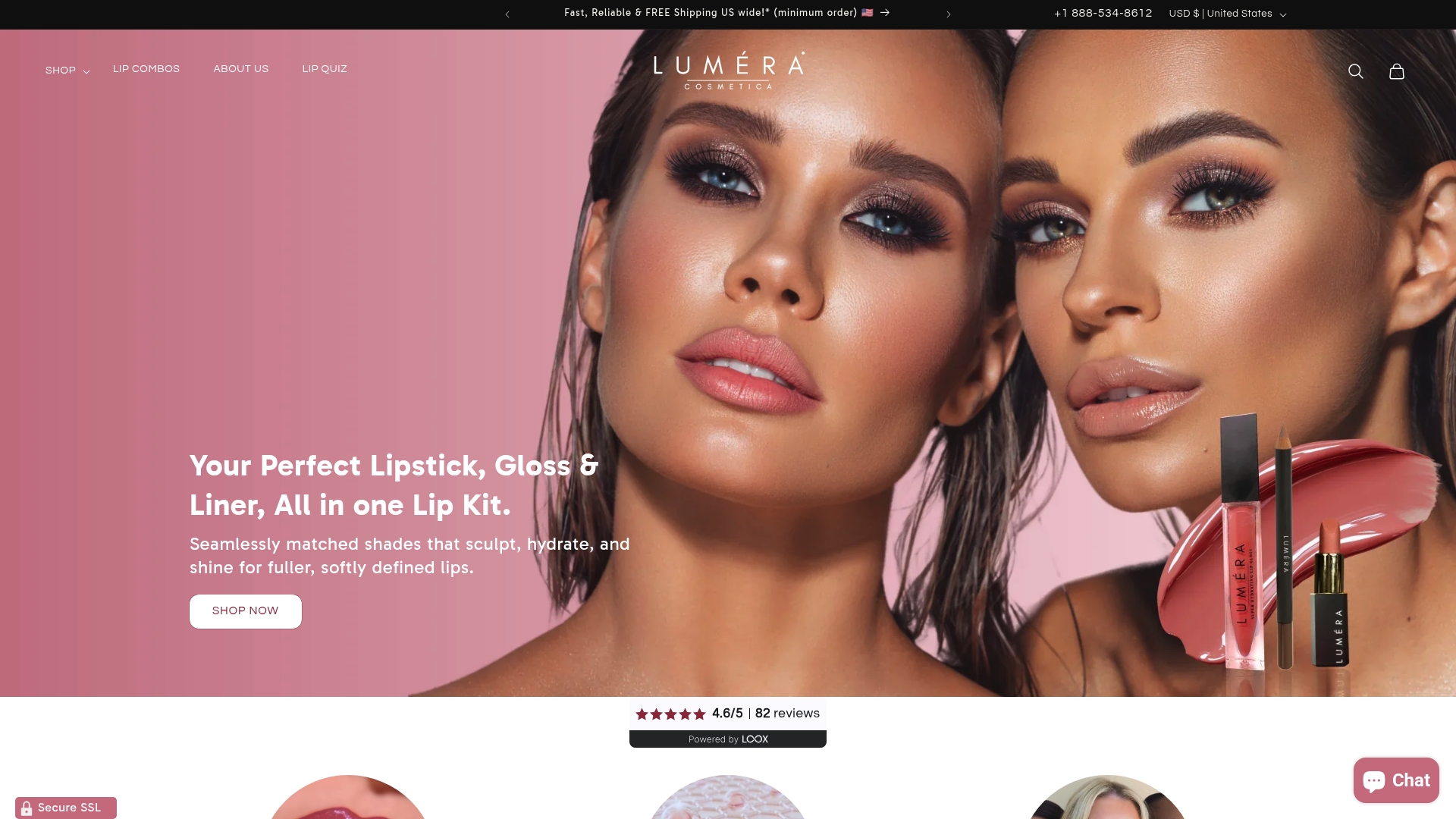
Every product in the range is designed to work as both color and care, so your daily lip routine supports long-term lip health. Lumeracosmetica also publishes expert guides on shade selection and application technique to help you get the most from every formula. Whether you are building a new routine or refining an existing one, the collection gives you a curated starting point backed by real ingredient science. For a broader look at what makes a complete beauty checklist work for mature skin, Master Pro Academy offers a professional perspective worth reading.
FAQ
What is anti-aging lipstick?
Anti-aging lipstick is a formula that combines pigment with active ingredients like hyaluronic acid, peptides, and antioxidants to hydrate, plump, and protect mature lips while delivering color. It functions as both makeup and daily lip treatment.
What finish works best for lips with fine lines?
Creamy satin finishes work best because they hydrate and reflect light evenly, which reduces the visual impact of fine vertical lines. Ultra-matte and frosty finishes grip creases and accentuate texture.
How do I stop lipstick from feathering into lip lines?
Apply a lip liner that matches your natural lip tone, fill the entire lip surface with liner, then apply lipstick over that base. This physical barrier prevents color migration into vertical lines.
Which lipstick shades are most flattering for women over 40?
Warm medium-depth shades like rosy mauve, warm rose, soft berry, and dusty coral restore lip definition without shrinking or washing out the lip. Avoid very dark shades and ultra-pale nudes.
How often should I exfoliate my lips before applying lipstick?
Exfoliate lips gently two to three times per week using a soft sugar scrub or damp cloth. Follow with a nourishing balm applied at least 10 minutes before lipstick for best results.