What is lip pH? Guide to healthier, more radiant lips

TL;DR:
- Lip pH influences comfort, color, and long-term lip health, especially for women over 40.
- Disruptors like lip-licking, acidic foods, and alkaline toothpaste can negatively affect lip pH.
- Using pH-balanced products and adopting healthy habits support youthful, healthy lips.
Most women assume that a lip balm is just a lip balm, or that a hydrating lipstick will perform the same way on every pair of lips. That assumption is costing you comfort, color, and long-term lip health. Your lips have a measurable pH level, and that number quietly controls how products feel, how colors look, and whether your lips stay soft or crack and dry out. For women over 40 in Australia and Europe, where environmental conditions and hormonal changes accelerate lip aging, understanding lip pH is one of the most practical upgrades you can make to your beauty routine.
Table of Contents
- Understanding lip pH: The science behind healthy lips
- How your lip pH affects color, hydration, and irritation
- Protecting and maintaining optimal lip pH after 40
- Natural and anti-aging lip care trends in Europe and Australia
- Our take: Why real lip health starts with pH, not just products
- Discover lip care tailored for your best years
- Frequently asked questions
Key Takeaways
| Point | Details |
|---|---|
| Lip pH matters | Your lip pH affects everything from hydration to how lip products feel and look. |
| Choose pH-friendly products | Opt for lip care with a pH close to 5.5–6.5 to support softness and minimize irritation. |
| Mind daily habits | Avoid licking lips, use SPF, and choose gentle ingredients to maintain optimal lip health. |
| Natural care trends | Europe and Australia are leading the transition to natural, anti-aging, pH-focused lip care. |
Understanding lip pH: The science behind healthy lips
pH stands for “potential of hydrogen,” and it measures how acidic or alkaline a substance is on a scale from 0 to 14. A pH of 7 is neutral, anything below is acidic, and anything above is alkaline. Your skin, including your lips, naturally leans acidic. This slight acidity forms what scientists call the “acid mantle,” a protective barrier that keeps moisture in and bacteria out.
Healthy lips sit at a pH of approximately 5.5 to 6.5, which is slightly less acidic than your facial skin (which averages around 4.5 to 5.5). That small difference matters. Lip skin is thinner, has no sebaceous glands, and lacks the keratin-rich outer layer that protects the rest of your face. That makes lips more vulnerable to pH disruption from products, food, weather, and lifestyle habits.
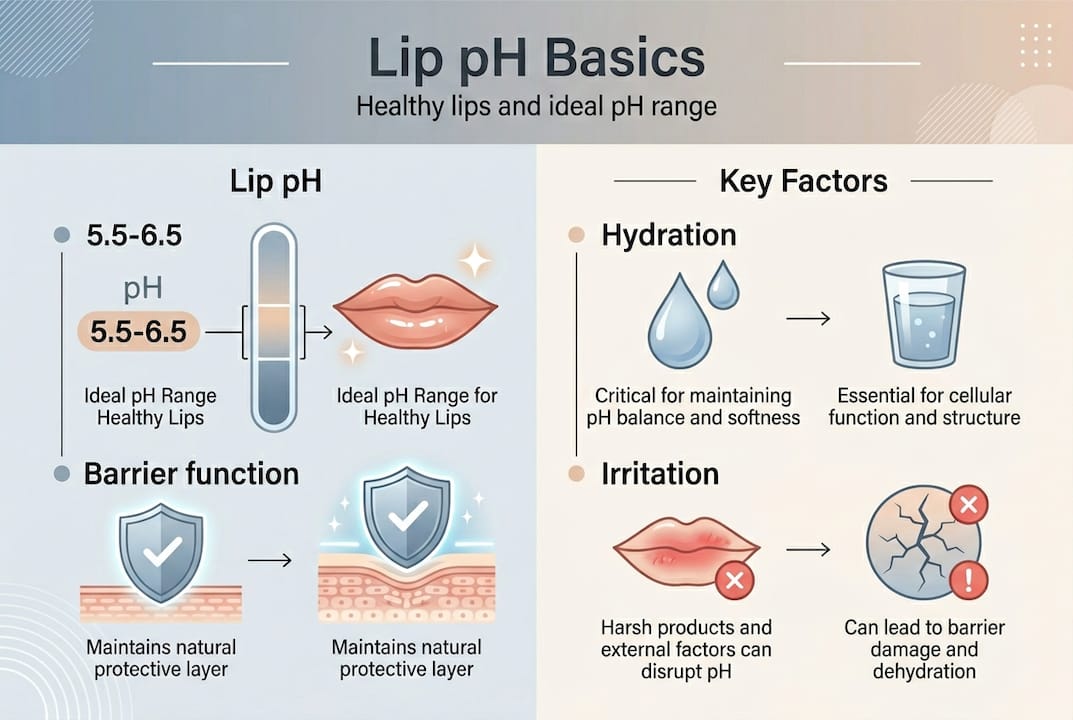
When it comes to formulating lip products, manufacturers do not just pick textures randomly. Lip balms target pH 5.5-6.5 for stability and skin compatibility, along with a melting point of 63 to 65 degrees Celsius to ensure the product stays solid in your bag but melts smoothly on contact with skin. These are not arbitrary numbers. They reflect careful chemistry designed to support your lip barrier rather than disturb it.
Here is a quick reference table to put lip pH in context:
| Surface | Average pH range | Notes |
|---|---|---|
| Facial skin | 4.5 to 5.5 | Strongly acidic, well-protected |
| Lips | 5.5 to 6.5 | Mildly acidic, thinner barrier |
| Saliva | 6.2 to 7.6 | Can be slightly alkaline |
| Ideal lip balm | 5.5 to 6.5 | Matches lip surface for comfort |
| Alkaline products | Above 7.0 | Can strip moisture and disrupt barrier |
“When lip balm pH is matched to the natural lip surface, the product supports the skin barrier rather than compromising it, leading to better hydration and fewer adverse reactions.” This principle guides the best formulations available today.
For women over 40, hormonal shifts (particularly the drop in estrogen) reduce the skin’s ability to retain moisture and maintain that protective acid mantle. Lips become thinner, drier, and more reactive. Understanding the science behind pH-reacting lipsticks becomes even more relevant when your lips are already working harder to stay balanced.
Australian women face the added challenge of UV intensity, which degrades the lip barrier faster. European women, particularly in northern regions, deal with harsh winters and low humidity that pull moisture directly from lip tissue. In both cases, a disrupted pH means slower recovery and more visible dryness.
How your lip pH affects color, hydration, and irritation
With a clear sense of what lip pH is, it is time to explore how it actually shapes your daily lip care experience, from color payoff to feelings of comfort or irritation.
One of the most marketed trends in lip cosmetics right now is the pH-responsive lipstick. These products contain color-changing dyes, most commonly Red 27 (also known as tetrabromofluorescein), that react with the acidity of your lips to produce a custom shade. Sounds personalized. In practice, the chemistry is slightly more limited than that.
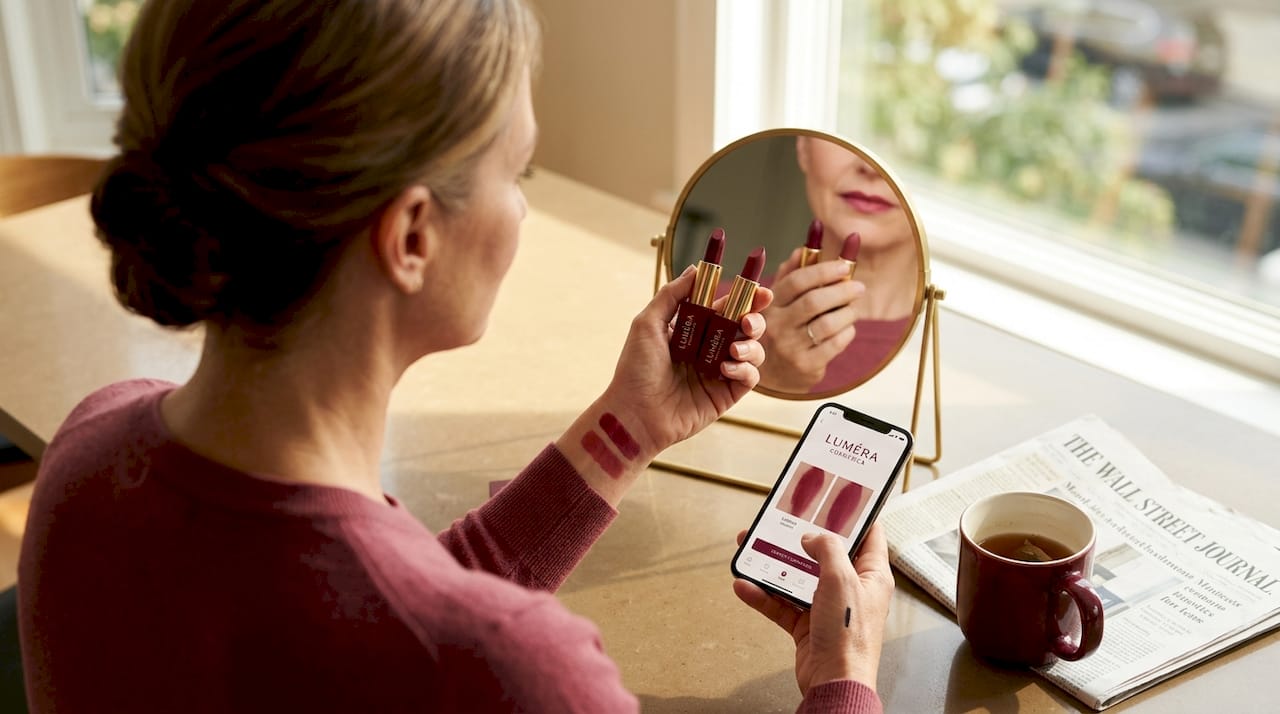
The reality is that pH-responsive lipstick explained by cosmetic chemists reveals these dyes mostly produce pink and rose tones across a narrow pH range. Because most healthy lips sit between 5.5 and 6.5, the color variation between wearers is subtle, not dramatic. They are not truly customized in the way marketing suggests. That said, they are still beautiful and can work wonderfully if you know what to expect.
The more significant issue is irritation. Some pH-disrupting formulas (those that are too alkaline or too acidic for your lip surface) can cause redness, flaking, and a tight, uncomfortable feeling. Understanding lip pigmentation and color change helps explain why mature lips sometimes react differently to the same product that felt fine years earlier. The lip barrier has changed, so the same formula can now land outside your optimal pH zone.
Common factors that shift your lip pH include:
- Lip-licking: Saliva has a pH between 6.2 and 7.6, which is often more alkaline than your lips. Repeated licking raises lip pH, draws out moisture, and weakens the barrier.
- Citrus and acidic foods: These temporarily lower lip pH, which can cause sensitivity during and after eating.
- Alcohol-based lip products: Alcohol is highly alkaline-reactive and dries lips quickly by breaking down the acid mantle.
- Toothpaste residue: Most toothpastes are alkaline (pH 8 to 10), and residue left on lips can be disruptive, especially overnight.
- Hormonal fluctuations: Mucosal pH in saliva shifts during hormonal changes, which affects the oral and lip microenvironment.
- Dehydration: When you are not drinking enough water, the pH of your saliva and lip surface becomes less stable.
Pro Tip: If your lips feel perpetually tight or irritated after applying a product, the formula may be outside your ideal pH range. Try switching to a product labeled “pH-balanced” or formulated for sensitive skin, and give your lips two to three days of plain, fragrance-free balm to recover.
The comparison below shows how different disruptions affect your lip health over time:
| Disruptor | Effect on pH | Visible result |
|---|---|---|
| Lip-licking | Raises pH | Dryness, flaking, chapping |
| Acidic foods | Lowers pH | Temporary sensitivity |
| Alcohol-based products | Raises pH | Tight feeling, redness |
| Alkaline toothpaste residue | Raises pH | Overnight dryness |
| Hormonal changes | Destabilizes pH | Unpredictable dryness and irritation |
Protecting and maintaining optimal lip pH after 40
Understanding the impact of pH on performance and comfort, here is how women over 40 can protect their lips for lasting softness and vibrancy.
The good news is that maintaining optimal lip pH does not require an elaborate 12-step routine. It requires smarter choices, not more products. The most impactful change most women can make is stopping the habit of lip-licking. It feels instinctive when lips are dry, but avoiding licking lips is one of the single most important things you can do for pH balance, since saliva raises lip pH and accelerates moisture loss.
Here is a practical, step-by-step approach to protecting your lip pH every day:
- Start with a gentle cleanser. When washing your face, avoid getting alkaline facial cleansers directly on your lips. Pat around them instead.
- Apply a pH-balanced lip balm immediately after brushing teeth. This counteracts the alkaline residue from toothpaste and resets your lip surface before the day begins.
- Choose skin-friendly lipstick ingredients like hyaluronic acid, shea butter, and ceramides that reinforce the barrier rather than strip it.
- Use SPF daily, even in winter. Lips have no melanin to protect against UV damage, and UV exposure degrades the lipid layer that keeps your barrier intact. Products with key ingredients for lip care after 40 should include broad-spectrum protection.
- Humectants are your allies. Hyaluronic acid and glycerin draw moisture from the air into lip tissue, keeping pH stable. Look for these in both balms and treatment products.
- Hydrate from within. Drinking 1.5 to 2 liters of water daily keeps saliva pH stable and reduces the erratic swings that affect lip surface pH.
- Use a transparent lip balm as a base layer under lipstick. This creates a pH-compatible buffer between your lip surface and any formula that might otherwise sit outside your comfort zone.
Pro Tip: At night, apply a thicker balm or lip mask that contains ceramides or fatty acids. Overnight is when your skin repairs itself, and giving your lips a pH-stable, occlusive layer helps maximize that repair cycle.
Women over 40 often find that their lips react differently to products they used comfortably for years. This is not the product changing. It is your lip barrier becoming more sensitive and requiring a more intentional approach. Choosing pH-balanced, fragrance-free formulas reduces the guesswork considerably.
Natural and anti-aging lip care trends in Europe and Australia
These protection strategies reflect broader trends, paving the way for a new generation of products designed especially for lips like yours.
Across Europe and Australia, the demand for lip care that goes beyond cosmetic coverage is growing rapidly. Brands are responding with formulas that prioritize barrier repair, pH compatibility, and anti-aging function. European and Australian markets show strong uptake of pH-focused lip care, with Eucerin pH5 and L’Oreal among the recognized names aligning their formulas to this principle. Natural and gentle care is not a niche preference anymore. It is the mainstream direction for women who know what their lips need.
Key trends shaping the market right now:
- Natural and botanical ingredients: Plant-based waxes, oils, and butters are replacing petroleum-derived ingredients in lip care. Australian brands are particularly active in this space, drawing on native botanicals like kakadu plum and quandong that offer antioxidant benefits alongside pH-friendly application.
- SPF integration: Mature women are increasingly aware that UV damage accelerates lip thinning and contributes to loss of the vermillion border (the defined edge of your lip line). SPF-infused lip products are now standard in sun-conscious markets like Australia.
- Color-change and pH-reactive formulas growing: Color-change lip products are growing at approximately 2.8% compound annual growth rate through to 2035 in European and Australian markets, reflecting real consumer curiosity about personalized beauty.
- Anti-aging peptides in lip formulas: Peptides that support collagen and elastin around the lip area are being incorporated into balms and treatments, helping address both texture and volume concerns.
- Eco-friendly lip oils: Lightweight oils that double as treatment and cosmetic products are gaining popularity for their clean formulas and pH-compatible delivery.
The convergence of these trends tells a clear story: women over 40 in these markets are not looking for heavy coverage or dramatic effects. They want products that genuinely support lip health, feel comfortable throughout the day, and align with their values around natural ingredients and sustainability.
This is not a passing trend. Aging populations in Europe and Australia are the fastest-growing consumer segments in premium cosmetics, and brands that fail to address pH compatibility and barrier support are losing ground quickly to those that do.
Our take: Why real lip health starts with pH, not just products
The beauty industry spends billions each year convincing women that a new texture, finish, or hero ingredient will solve their lip concerns. And sometimes, those products really are excellent. But in our experience working specifically with mature lip care, the single biggest missed step is not about what product someone is using. It is about the foundational habits that either support or sabotage lip pH before any product is applied.
We see it consistently. A woman invests in a beautiful, well-formulated lip product, but she also licks her lips constantly throughout the day, uses a toothpaste with an alkaline residue that she does not rinse thoroughly, and applies her lipstick immediately after, without a pH-balanced base layer. The result is perpetual dryness and irritation, and the product gets the blame.
The uncomfortable truth is that no product, regardless of how well-formulated it is, can fully compensate for a chronically disrupted lip pH. The barrier needs stability first. Habits matter more than any single ingredient.
This is especially true for women dealing with sensitive, mature lips, where the margin for error is smaller. A pH swing that would barely register on a 28-year-old’s lips can cause visible cracking and irritation on lips that are already thinner and less resilient.
Our recommendation is simple: fix the habits first, then optimize your product selection. Stop licking. Add SPF. Use a barrier-friendly base. Drink water. Once your lip pH is stable, you will be genuinely surprised at how much better even your existing products perform. The science is not complicated. The application just requires consistency.
Discover lip care tailored for your best years
Healthy, radiant lips after 40 are absolutely achievable, and the journey starts with understanding what your lips actually need at a biological level.
At Lumera Cosmetica, we have built our lip care line around the principles covered in this guide: pH-compatible formulas, nourishing ingredients that support the mature lip barrier, and real transparency about what each product does and why. Whether you are looking for a daily balm, a color treatment, or a targeted anti-aging product, you will find formulas designed to work with your lip chemistry rather than against it. Explore our full collection at lumeracosmetica.com and discover what it feels like when every product in your routine is truly made for lips like yours.
Frequently asked questions
What is the normal pH for healthy lips?
Healthy lips typically have a pH around 5.5 to 6.5, which is slightly less acidic than the rest of the facial skin. Lip balms target this same pH range to ensure compatibility and comfort on contact.
How does lip pH affect lip color products?
Lip pH influences how color-changing formulas react, but the range of resulting shades is narrower than marketing suggests. Most pH-reactive dyes produce pink and rose tones and may cause irritation in women with a disrupted or sensitive lip surface.
What daily habits disrupt optimal lip pH?
Frequent lip-licking is the most common disruptor, since saliva is often more alkaline than your lips. Licking lips raises pH and dries the surface, and dehydration and alcohol-based products compound the problem over time.
Are pH-balanced lip products better for aging lips?
Yes, they are significantly better. pH-balanced products minimize irritation and support the barrier function that mature lips struggle to maintain on their own. Anti-aging lip health is now a recognized market priority in Europe and Australia, with major brands reformulating around this exact principle.