Why lips get darker with age: causes and solutions

TL;DR:
- Lip darkening after 40 results from hormonal changes, aging, and environmental factors.
- Preventative habits like SPF, gentle exfoliation, and hydration can reduce further pigmentation.
- Addressing lip tone enhances facial appearance and confidence, especially with tailored products for mature lips.
You’ve probably noticed it gradually: the lips you remember from your 30s had a certain brightness, a natural flush that seemed effortless. Now, somewhere past 40, that tone has shifted. Darker patches, uneven pigment, or an overall deepening of color can feel unsettling, especially when nobody really talks about it. Wrinkles get all the attention, but lip darkening is just as common and far less understood. The good news is that once you know what’s driving the change, you have real options for addressing it cosmetically and practically.
Table of Contents
- Understanding lip darkening: The science behind the change
- Major contributors: Intrinsic and extrinsic factors
- Beyond aging: Medical and lifestyle triggers
- What you can do: Cosmetic prevention and correction
- A fresh perspective: Why lip darkening deserves more attention in aging beauty
- Brighten your lips and confidence with Luméra Cosmetica
- Frequently asked questions
Key Takeaways
| Point | Details |
|---|---|
| Hormones affect lip color | Declining estrogen after 40 greatly increases the chances of lips darkening due to pigment changes. |
| Lifestyle matters | Habits like smoking, sun exposure, and repeated irritation accelerate lip darkening as skin matures. |
| Prevention is possible | Daily sun protection, hydration, and choosing the right lip cosmetics can slow or mask age-related color changes. |
| Medical checks are important | Sudden darkening requires medical attention to rule out deficiencies or underlying disease. |
Understanding lip darkening: The science behind the change
Your lips get their color from melanin, the same pigment responsible for skin tone across your entire body. Melanocytes, the cells that produce melanin, are scattered throughout the lip tissue. As you age, these cells behave less predictably. Some areas overproduce pigment while others slow down, creating the uneven, darker appearance many women notice after 40.
Hormonal shifts play a significant role here. During perimenopause and menopause, estrogen levels drop sharply. Estrogen has a regulatory effect on melanocyte activity, so when it declines, pigment production can become erratic. Hormonal changes in women over 40 directly exacerbate pigment changes in aging lips, making this a biological process rather than a cosmetic inconvenience.
Oxidative stress adds another layer. As cells age, they accumulate damage from free radicals, which are unstable molecules that disrupt normal cellular function. This cellular wear contributes to inflammation in the lip tissue, which can trigger excess melanin production. Skin aging involves intrinsic factors that drive uneven pigmentation across the face, and the lips are no exception.
Genetics also shape how dramatically your lips darken. Women with naturally deeper skin tones tend to have more active melanocytes and may notice more pronounced pigment shifts. Conversely, lighter skin tones can show discoloration more starkly against their baseline. Neither is better or worse; they’re just different expressions of the same underlying biology.
| Factor | Mechanism | Visible effect |
|---|---|---|
| Estrogen decline | Disrupts melanocyte regulation | Uneven, deeper tone |
| Oxidative stress | Damages cells, triggers inflammation | Patchy darkening |
| Genetic predisposition | Determines baseline melanocyte activity | Varies by skin tone |
| Cellular aging | Slows skin renewal | Accumulated pigment |
“Pigment irregularities in the lips are not a cosmetic quirk. They reflect real biological changes happening at the cellular level during aging.”
It’s also worth knowing that lip skin is thinner than facial skin and has fewer oil glands. This makes it more vulnerable to every stressor, from sun to hormones to dehydration. If you’ve also noticed losing lip fullness after 40, the same aging mechanisms are often at work.
Major contributors: Intrinsic and extrinsic factors
With the biological foundation in mind, it’s helpful to separate the causes into those you can and can’t control.
Intrinsic factors are internal and largely unavoidable:
- Natural aging of melanocytes
- Estrogen and progesterone decline
- Genetic skin tone and melanin density
- Reduced cellular turnover with age
Extrinsic factors are external and more within your influence:
- Chronic sun exposure without SPF protection
- Smoking, which restricts blood flow and deposits chemicals
- Repeated lip licking, which causes irritation and dryness
- Harsh lip products with drying or sensitizing ingredients
- Allergic reactions to certain dyes or fragrances in cosmetics
Skin photoaging studies show pigmentation irregularities increase with age when both intrinsic and extrinsic factors combine, meaning the impact is compounded, not just additive.
| Category | Examples | Can you prevent it? |
|---|---|---|
| Intrinsic | Hormonal decline, genetics, cellular aging | Mostly no |
| Extrinsic | Sun, smoking, irritating products | Yes, with consistent habits |
Knowing which category dominates your situation helps you make smarter choices. If your darkening is mostly hormonal and genetic, cosmetic correction becomes the priority. If sun and smoking are the main drivers, behavioral changes can genuinely slow the process.
Pro Tip: Take a close look at your lip product ingredients. Some older or budget formulas contain fragrances and dyes that cause low-grade irritation over time. Swapping to cleaner formulas is one of the easiest wins. You can also check out common lipstick mistakes to avoid that may be making darkening worse without you realizing it.
If you’ve been shying away from color because of uneven pigment, it’s worth knowing that the right shade can actually work in your favor. Exploring bold lip color ideas designed for mature lips can shift your entire approach from hiding to enhancing.
Beyond aging: Medical and lifestyle triggers
Alongside aging itself, certain health factors and behaviors can accelerate or mimic pigment changes on the lips.
Post-inflammatory hyperpigmentation, commonly called PIH, is one of the most underrecognized causes. Every time your lips experience irritation, whether from a harsh product, a cold sore, or even aggressive exfoliation, the healing process can leave behind excess pigment. PIH from irritants accumulates and lingers in mature skin, which has slower cell turnover and less capacity to shed that discoloration quickly.
Around 60% of women report noticing more pigmentation changes after 40, yet most attribute it solely to sun damage without considering the full picture. Nutritional deficiencies, particularly in B12 and iron, can also contribute to a darkened or grayish lip tone. Hormonal conditions like Addison’s disease, though rare, cause notable hyperpigmentation across the body including the lips.
Here are warning signs that lip darkening may signal something worth investigating medically:
- Darkening that appears suddenly over days or weeks rather than gradually
- Pigment changes accompanied by fatigue, weight changes, or digestive issues
- Uneven patches that spread beyond the lip border
- Darkening that appears alongside changes in your gums or tongue
- No clear cosmetic or lifestyle explanation for the shift
If any of these apply, a visit to your doctor with a request for blood work is a smart step. Most of the time, the cause is benign and cosmetic. But ruling out underlying conditions gives you peace of mind and a clearer path forward.
For everyday management, choosing flattering lip color for your current lip tone is one of the most practical tools you have. And if dryness is compounding the issue, moisturizing lip colors formulated for mature lips can address both concerns at once.
What you can do: Cosmetic prevention and correction
Once you know the triggers, you can take targeted action to prevent further darkening and enhance your lip appearance.
The most effective daily habits are often the simplest:
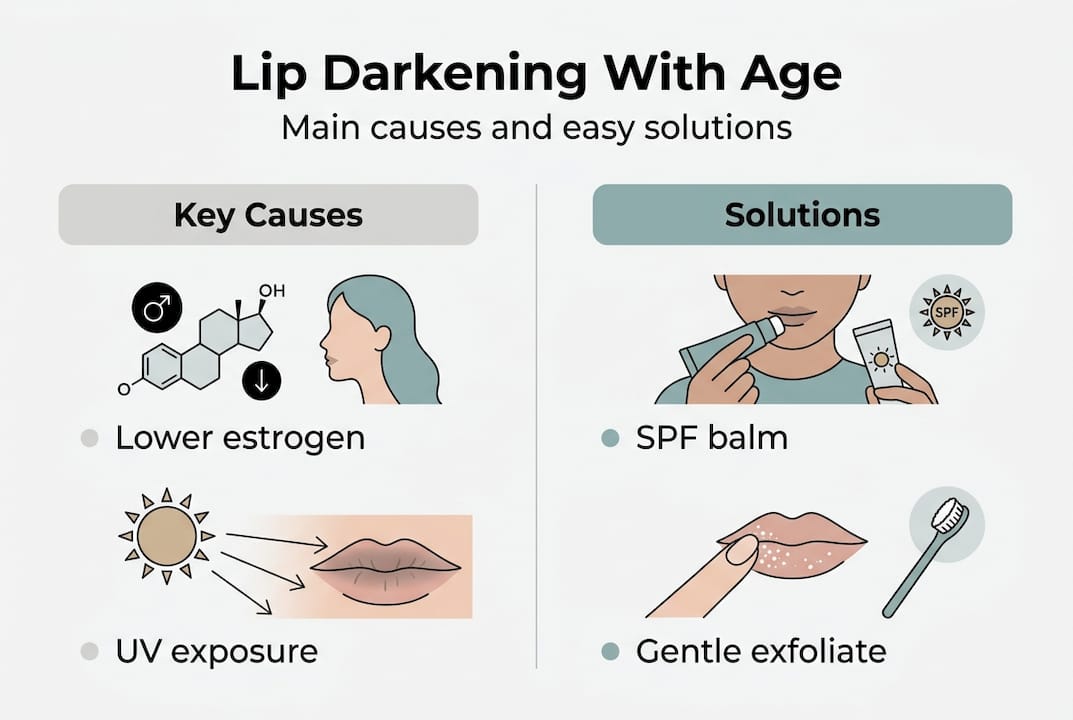
- Apply an SPF lip balm every morning, even on cloudy days. UV exposure is one of the most consistent drivers of lip pigmentation.
- Exfoliate lips gently once or twice a week using a soft cloth or a sugar-based lip scrub. This removes dead, pigmented cells and encourages fresher skin to surface.
- Stay hydrated. Dehydrated lip skin looks darker and more uneven because the surface cells are compromised.
- Choose lip products with nourishing ingredients like hyaluronic acid, vitamin E, and shea butter. These support the lip barrier and reduce the irritation that leads to PIH.
- Avoid lip licking. Saliva breaks down the delicate lip skin over time, causing chronic dryness and micro-inflammation.
- If you smoke, reducing or stopping is one of the most impactful changes you can make for lip tone and overall skin health.
No specific empirical benchmarks for lip darkening rates exist, but preventative measures consistently help address pigment changes in clinical and cosmetic practice.
When it comes to color, warmer and brighter shades tend to counteract the visual weight of darker pigment. Nudes that are too close to your natural lip tone can actually emphasize unevenness, while a well-chosen rose, berry, or warm coral creates a fresh, even appearance. For practical guidance on making your look last through the day, the lip makeup longevity steps designed for women over 40 are worth bookmarking. And if you want to fine-tune your shade selection, exploring natural lip shade choices can help you find what genuinely flatters your current tone.
Pro Tip: The combination of SPF lip balm applied as a base, followed by a hydrating lipstick, gives you both protection and coverage in one simple step. It takes 30 seconds and makes a measurable difference over months.
A fresh perspective: Why lip darkening deserves more attention in aging beauty
The beauty conversation around aging has been dominated by two concerns for decades: wrinkles and sagging. Serums, fillers, and lasers have all been developed with those in mind. But pigment changes, particularly on the lips, rarely get the same level of focused attention despite being one of the most visible and emotionally affecting shifts women experience after 40.
Here’s what most sources miss: while UV exposure and smoking are real contributors, cellular aging is key in ways that extrinsic explanations alone don’t capture. Framing lip darkening purely as a lifestyle problem implies it’s the woman’s fault. In reality, it’s a biological process that deserves thoughtful cosmetic and medical support.
Addressing lip tone can revitalize your entire facial appearance in a way that’s often underestimated. The lips draw the eye. When their color looks vibrant and even, the whole face reads as more energized. We believe that women over 40 deserve nuanced solutions, not just coverage. Understanding the lipstick basics for women 40+ from a place of knowledge rather than guesswork changes how you approach your routine entirely.
Brighten your lips and confidence with Luméra Cosmetica
Ready to take charge of your lip health and color? Understanding why your lips have changed is the first step. The next is finding products that actually work for where you are now, not where you were at 30.

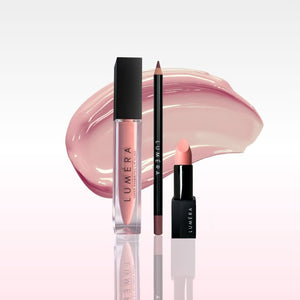
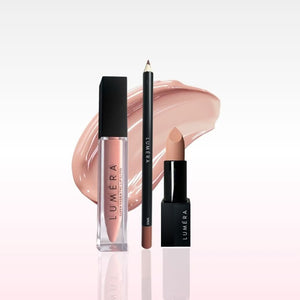
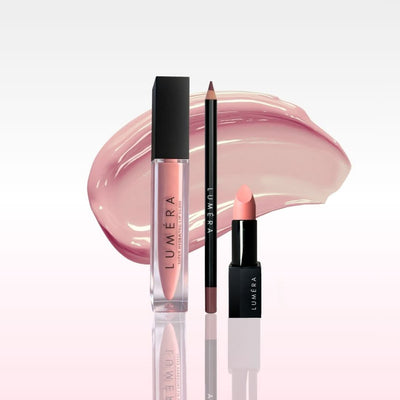
At Luméra Cosmetica, we create lip products designed specifically for mature lips. From formulas that deliver real hydration to shades that brighten and even out your natural tone, everything is built with women over 40 in mind. If you’re curious about why so many women in this age group are making the switch, the research behind hydrating lipstick benefits is a great place to start. Your lips deserve more than an afterthought.
Frequently asked questions
Can dark lips with age be reversed naturally?
Some darkening from aging and sun exposure can be improved with consistent sun protection, hydration, and gentle exfoliation, but complete reversal is rare since intrinsic aging factors are ongoing.
When should I worry about sudden lip darkening?
See a healthcare provider if lip darkening happens rapidly or alongside other symptoms, since sudden changes may signal deficiencies or conditions like Addison’s disease that require blood tests to diagnose.
Does smoking make lips darker over time?
Yes, smoking accelerates lip pigmentation significantly. Extrinsic factors like smoking amplify pigmentation irregularities and compound the effects of natural aging.
Are certain lip colors better for masking dark lips?
Moisturizing and brightening shades like warm roses, berries, and corals typically camouflage dark lips best while adding vibrancy to the overall look.
Can diet or supplements help lighten lips?
A nutritious diet and correcting deficiencies can help, since abrupt pigment changes may result from nutritional gaps, but no supplement guarantees lighter lips on its own.
Recommended
- 7 lipstick mistakes aging your lips (and easy fixes) – Luméra Cosmetica
- Why lips lose volume after 40 and how to restore fullness – Luméra Cosmetica
- Lipstick for mature skin: expert guide & top tips over 40 – Luméra Cosmetica
- Key ingredients for healthier, more youthful lips after 40 – Luméra Cosmetica