What Are the Benefits of Lip Oil: Hydration, Nourishment, and Protection

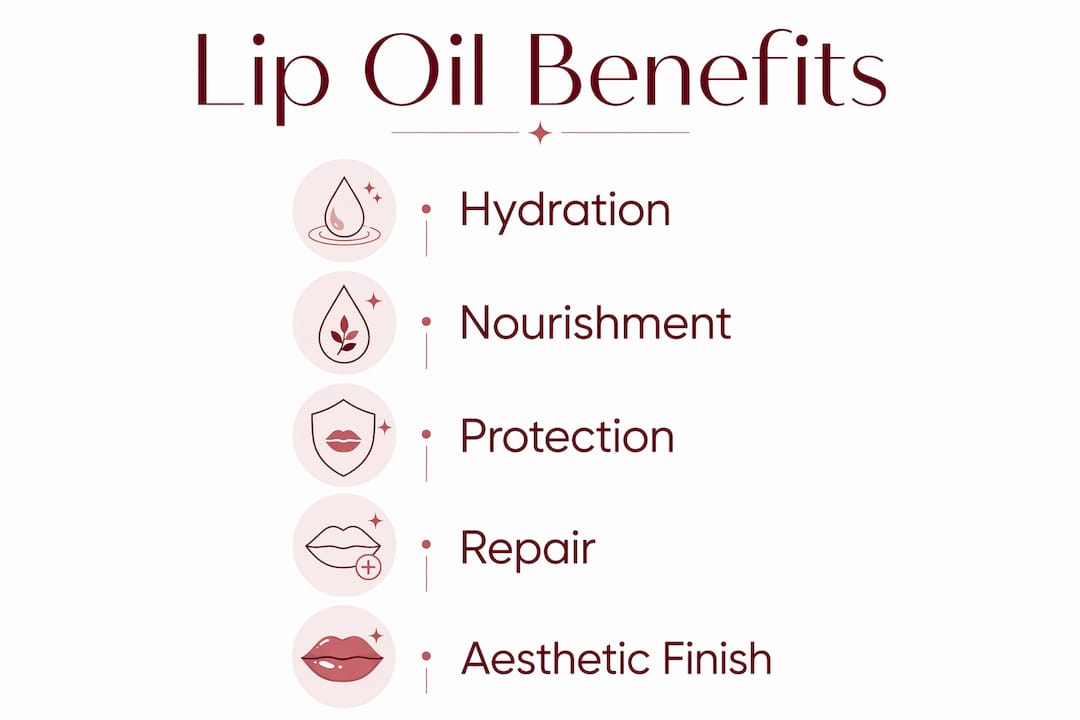
Lip oil delivers lasting hydration, deep nourishment, barrier protection, and a glossy or tinted finish — all in one lightweight formula. Unlike a gloss that sits on the surface, or a balm that relies heavily on wax, a well-formulated lip oil actually penetrates the skin to address dryness at the source. Here is what it does:
- Hydrates deeply by drawing moisture into lip skin and sealing it there
- Nourishes with essential fatty acids, vitamins, and antioxidants
- Protects the lip barrier against environmental stressors like cold air and wind
- Supports repair by softening flakes and smoothing fine lines over time
- Delivers a glossy or sheer-tinted finish without the stickiness of traditional gloss
Table of Contents
- What is lip oil, and how is it different from balm or gloss?
- How does lip oil actually hydrate and protect your lips?
- What specific benefits does lip oil give you?
- Lip oil vs. lip balm vs. lip gloss: which one should you reach for?
- How to use lip oil for the best results
- What ingredients should you look for (and avoid) in a lip oil?
- Is lip oil safe? Irritation, allergy risk, and when to stop
- What dermatologists say about lip oil benefits and safe use
- Key Takeaways
- A perspective worth considering
- Lumeracosmetica lip care worth trying
- Useful sources and further reading
What is lip oil, and how is it different from balm or gloss?
Lip oil is a skincare-forward lip product built around carrier oils, humectants, and skin-benefiting additives rather than the wax base that defines a balm or the heavy polymer base of a gloss. Makeup pros describe it as thinner and less viscous than gloss, with a skincare-first formulation that still delivers a glossy finish. The texture sits somewhere between a serum and a light gloss — it absorbs rather than just coating.
A typical lip oil formula includes:
- Carrier oils (jojoba, squalane, grapeseed, rosehip, evening primrose) as the base
- Humectants (hyaluronic acid, glycerin) to attract water into the skin
- Occlusives and lipids (ceramides, fatty acids) to lock moisture in
- Vitamins and antioxidants (vitamin E, vitamin C derivatives) for repair support
- Optional tints or pigments for a sheer-to-medium color payoff
The finish is glossy but not sticky, and the formula absorbs faster than a traditional gloss. That combination is what makes it useful as both a treatment and a cosmetic product.
How does lip oil actually hydrate and protect your lips?
Lip oil works by pairing humectants that pull water into the skin with lightweight oils and occlusives that seal that moisture in place. The mechanism is straightforward: humectants like glycerin and hyaluronic acid attract water molecules; carrier oils like squalane and jojoba create a breathable barrier that slows evaporation. Together, they address the two main reasons lips dry out.
The anatomy of lip skin makes this especially relevant. Dermatologists note that lips lack sebaceous glands and have thinner skin than the rest of the face, which means they cannot produce their own protective lipid layer. Every other area of your face has built-in oil production to slow moisture loss. Lips do not. That is why external lipids from a well-formulated oil are genuinely useful rather than just cosmetic.
Ceramides and fatty acids in the formula reinforce the lip’s natural barrier, reducing transepidermal water loss over time. Jojoba oil is structurally similar to the skin’s own sebum, which helps it absorb without feeling greasy. Squalane is lightweight and stable, making it a reliable carrier for other actives.
Pro Tip: Apply lip oil right after a humectant like glycerin or hyaluronic acid, while your lips are still slightly damp. The oil seals the humectant in place, which extends how long the hydration lasts.
What specific benefits does lip oil give you?
Lip oil covers a wider range of outcomes than most people expect from a single product. The benefits span from clinical hydration to visible aesthetic effects, and they build on each other when you use the product consistently.
Intense, lasting hydration. Because nourishing ingredients like jojoba, vitamin E, and ceramides penetrate the skin rather than just sitting on top, the hydration effect outlasts what a plain gloss delivers. You need fewer reapplications throughout the day.
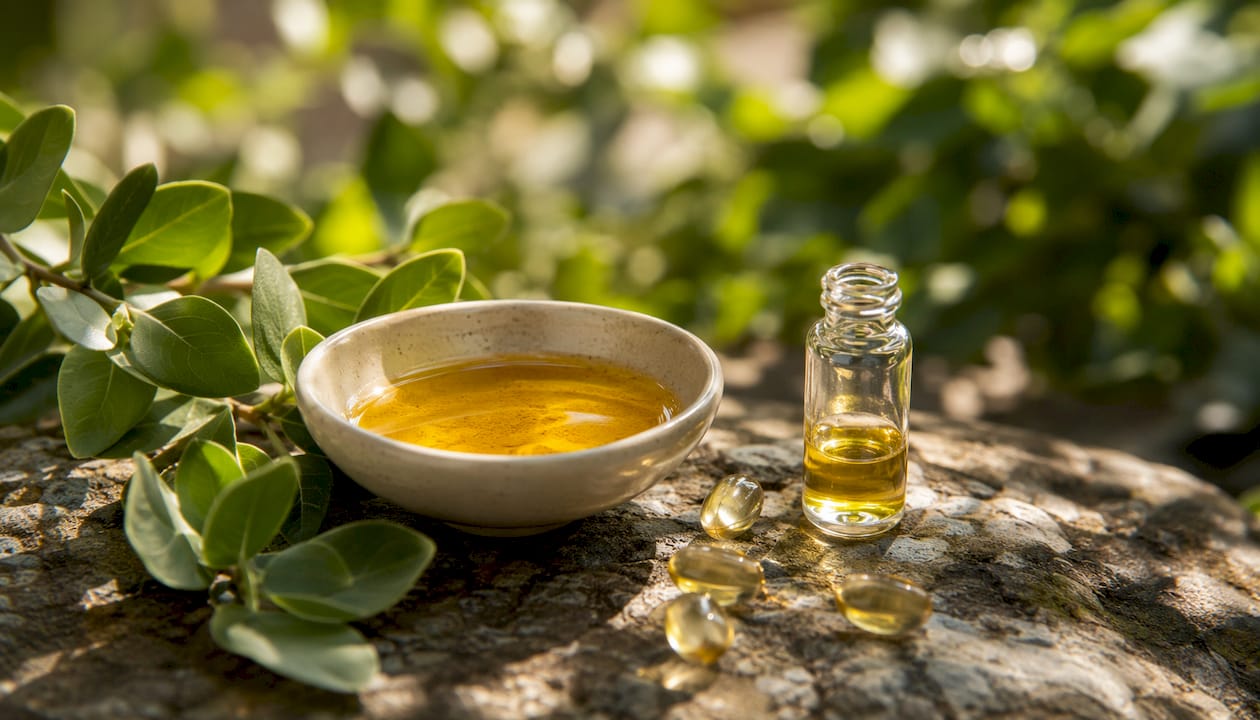
Nourishment through essential fatty acids and vitamins. Linoleic-acid-rich oils like evening primrose and grapeseed supply the fatty acids that lip skin cannot synthesize on its own. Vitamin E acts as an antioxidant, helping to neutralize free-radical damage from sun and pollution.
Barrier protection. Ceramides and occlusives in the formula reinforce the lip’s outer layer, which is especially useful in cold, dry, or windy conditions where moisture loss accelerates.
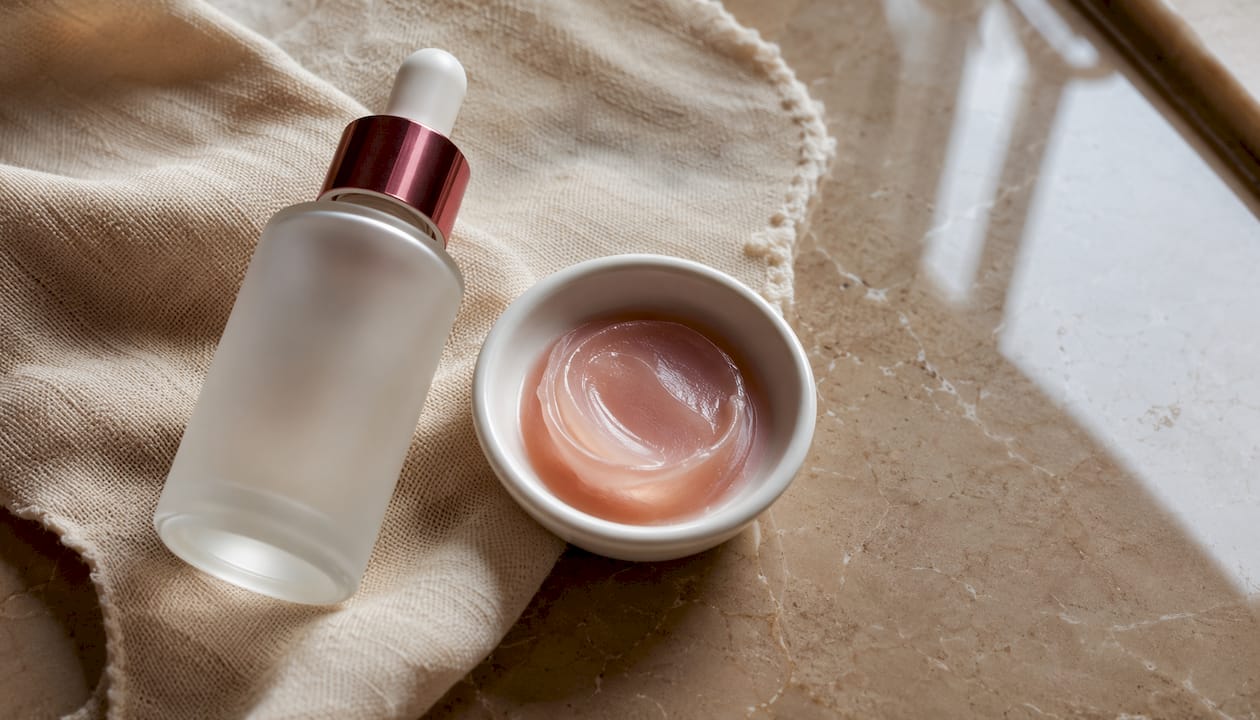
Repair and smoothing. Regular use softens dry flakes and visibly smooths fine vertical lines around the mouth. This is a gradual effect, not an overnight fix, but consistent nightly use speeds it up.
Aesthetic finish. Industry coverage describes lip oil as “skincare in disguise” — a product that delivers a glossy, plumping-looking finish without the tackiness of traditional gloss. Tinted versions add a sheer wash of color that layers cleanly over or under other lip products.
Pro Tip: Use a plain, fragrance-free lip oil as your last step before bed. Overnight is when skin repair is most active, and a heavier application on clean lips gives the oils more time to absorb without interference from food or drink.
For readers interested in how tint interacts with these benefits, the tinted lip oil guide from Lumeracosmetica covers the aesthetic and skincare overlap in detail.
Lip oil vs. lip balm vs. lip gloss: which one should you reach for?
The short rule: lip oil is a treatment with a glossy finish; balm is thick, protective, and best for severe dryness or outdoor conditions; gloss is purely cosmetic with little to no skincare benefit. Knowing which problem you are solving makes the choice obvious.
| Attribute | Lip Oil | Lip Balm | Lip Gloss |
|---|---|---|---|
| Viscosity | Light to medium | Thick, waxy | Heavy, sticky |
| Occlusivity | Moderate | High | Low to none |
| Skincare actives | Yes (humectants, vitamins, ceramides) | Sometimes (basic) | Rarely |
| Finish | Glossy, non-sticky | Matte to satin | High-shine, sticky |
| Reapplication frequency | Less frequent | Moderate | Frequent |
| Tint options | Yes, sheer to medium | Limited | Yes, wide range |
| Best use case | Daily treatment + shine | Intense protection, healing | Cosmetic color only |
When to pick each:
- Lip oil: daytime wear, layering under or over makeup, nightly repair routine, mild-to-moderate dryness
- Lip balm: extreme cold, wind exposure, severely chapped or cracked lips, post-procedure care
- Lip gloss: purely cosmetic moments when you want maximum shine and color with no treatment intent
For a deeper breakdown of the gloss-versus-oil decision, the lip gloss vs. lip oil guide from Lumeracosmetica walks through specific use cases.
How to use lip oil for the best results
Apply lip oil as often as needed for general hydration, and use it nightly as a dedicated treatment for deeper repair. Beauty outlets recommend treating lip oil as both a daytime gloss and a nighttime treatment depending on the formula and your goals.
Daytime application:
- Start with clean, dry lips.
- Apply a thin layer of a humectant (glycerin serum or hyaluronic acid lip product) if you have one.
- Press a small amount of lip oil over the top to seal.
- Layer a tinted lip product or lipstick over the oil if you want color, or wear the oil alone for a glossy look.
Overnight repair routine:
- Exfoliate lips gently with a soft toothbrush or a sugar scrub once or twice a week.
- Apply a humectant immediately after.
- Layer a slightly more generous amount of lip oil over the humectant.
- Sleep. The extended contact time lets the oils absorb fully.
For overnight treatments, a hydrating lip sleeping mask layered over your lip oil can intensify the repair effect.
Pro Tip: Apply in thin layers rather than one thick coat. A thick application is more likely to transfer onto pillowcases or cups and less likely to absorb. Two thin layers, pressed gently with a fingertip, absorb faster and last longer.
What ingredients should you look for (and avoid) in a lip oil?
The best lip oils combine humectants, lightweight carrier oils, and barrier-supporting lipids. Dermatologists list the top ingredients as: squalane, glycerin, hyaluronic acid, linoleic-acid-rich oils (evening primrose, grapeseed), and broad-spectrum SPF for outdoor use.
Ingredients to look for:
- Jojoba oil: structurally similar to skin’s sebum; absorbs well and rarely clogs
- Squalane: lightweight, stable, and deeply moisturizing without greasiness
- Hyaluronic acid: draws water into the skin; works best when sealed by an oil
- Glycerin: a reliable, well-tolerated humectant found in most effective formulas
- Ceramides: reinforce the lip barrier and reduce moisture loss over time
- Vitamin E (tocopherol): antioxidant protection plus mild emollient effect
- Linoleic-acid-rich oils (evening primrose, grapeseed): supply essential fatty acids lips cannot produce
For a deeper look at how these ingredients work together, the role of lip oils for healthy lips article from Lumeracosmetica covers the mechanism behind each one.
Ingredients to be cautious with:
- Fragrance (synthetic or natural): the most common irritant in lip products; can trigger dermatitis
- Strong essential oils (peppermint, cinnamon, citrus): feel stimulating but can cause sensitivity and irritation with repeated use
- Retinol or strong exfoliating acids: lip skin is thin and reactive; these actives can cause peeling or sensitivity
- Mineral oil (in high concentrations): occlusive but provides no nourishment; may cause dependency with long-term use
On SPF: most lip oils do not include UV protection. Using an oil without SPF outdoors can increase UV impact on the already-thin lip skin. Either choose a formula with broad-spectrum SPF or apply a dedicated lip SPF underneath your oil when you are spending time outside.
Is lip oil safe? Irritation, allergy risk, and when to stop
Lip oils are generally safe for most people, but they can irritate sensitive skin, particularly when formulas contain fragrance or strong botanical extracts. Stop using a product and consult a dermatologist if you experience persistent redness, scaling, swelling, or darkening of the lip skin.
The main risks to know:
- Fragrance-related dermatitis: fragrance-heavy formulas can irritate lips and trigger contact dermatitis, especially with repeated daily use
- Post-inflammatory hyperpigmentation (PIH): case reports have linked certain lip oil uses to PIH, particularly when fragranced formulas are used without UV protection outdoors
- Allergic reaction: any botanical oil can be an allergen for some people; patch-test a new product on the inner arm before applying to lips
Stop using and see a doctor if you notice:
- A rash, redness, or scaling that does not clear within a few days of stopping the product
- Swelling of the lips or surrounding skin
- Persistent darkening or uneven pigmentation on the lips
- Severe pain, burning, or blistering
Safety note: Lip oils without SPF can magnify UV exposure on thin lip skin. If you wear lip oil outdoors regularly, apply a broad-spectrum lip SPF underneath or choose a formula that includes it.
This article is general information, not medical advice. For persistent lip irritation or pigmentation changes, consult a board-certified dermatologist.
What dermatologists say about lip oil benefits and safe use
The clinical consensus is clear: lip oils work best when they combine humectants with lightweight oils or occlusives, and when they are free of fragrance and other known irritants. Board-certified dermatologists recommend choosing formulas that pair hyaluronic acid or glycerin with a carrier oil to draw in and lock moisture for lips that have no sebaceous glands of their own.
The recommended routine for maximum efficacy from skincare professionals is consistent: exfoliate, apply a humectant, then layer lip oil to seal. Makeup artists add a practical framing: lip oil is a dual-purpose product, both a cosmetic finish and a treatment, which makes it compatible with layered makeup looks in a way that a thick balm is not.
Clinicians also flag the SPF gap. Practitioners advise avoiding fragrance-forward lip products and recommend broad-spectrum SPF for outdoor use, because oil can increase UV impact on thin lip skin.
Key Takeaways
Lip oil is most effective when it combines humectants like hyaluronic acid with carrier oils like squalane and ceramides to hydrate, nourish, and protect lips that cannot produce their own lipids.
| Point | Details |
|---|---|
| Hydration mechanism | Humectants draw water in; carrier oils and occlusives seal it — lasting longer than gloss alone. |
| Ingredients to prioritize | Look for squalane, jojoba, hyaluronic acid, glycerin, ceramides, and vitamin E. |
| Fragrance and SPF caution | Avoid fragranced formulas; use broad-spectrum SPF outdoors to prevent hyperpigmentation. |
| Best use cases | Daily treatment with a glossy finish, layering under makeup, and nightly repair after exfoliation. |
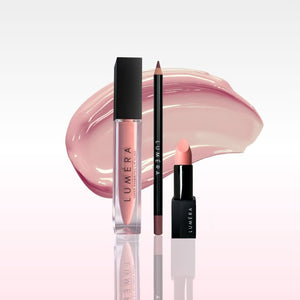
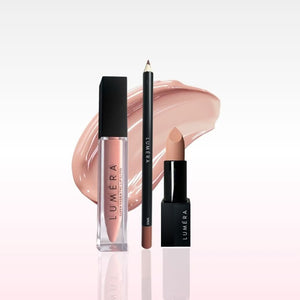
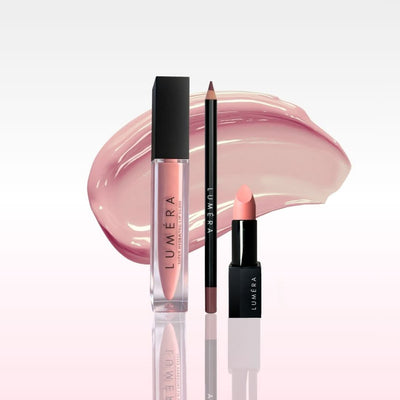
| Lumeracosmetica | The Miss Bombshell Lip Kit pairs lip oil benefits with curated color for a complete lip care routine. |
A perspective worth considering
The conversation around lip oil tends to split into two camps: people who treat it as a skincare product and people who treat it as a prettier gloss. Both are right, but the readers who get the most out of it are the ones who use it as a system rather than a standalone swap.
The anatomical reality is hard to argue with. Lips genuinely cannot moisturize themselves. That is not a marketing claim; it is physiology. What that means practically is that any lip product that does not address both the humectant and the occlusive step is only doing half the job. A gloss with no actives keeps lips shiny for an hour. A well-formulated oil, applied after a humectant, can keep them comfortable for most of the day.
The ingredient list is where most people go wrong. Fragrance is the single biggest source of lip irritation in cosmetics, and it is in a surprising number of products marketed as “nourishing.” If your lips feel better immediately after application but irritated by the next morning, fragrance is the first thing to check. The fix is simple: find a fragrance-free formula with squalane, glycerin, and ceramides, and the irritation usually resolves within a week.
The SPF point is genuinely underappreciated. Lip skin is thin, it gets direct sun exposure, and most lip oils offer zero UV protection. That combination raises real pigmentation risk over time. It does not mean avoiding lip oil outdoors; it means layering a lip SPF underneath, which takes about three seconds and eliminates the risk.
Lumeracosmetica lip care worth trying
If you want to put these benefits into practice without hunting down individual products, Lumeracosmetica formulates with exactly the ingredient priorities this article covers: nourishing carrier oils, skin-supporting actives, and finishes that work as both treatment and color.
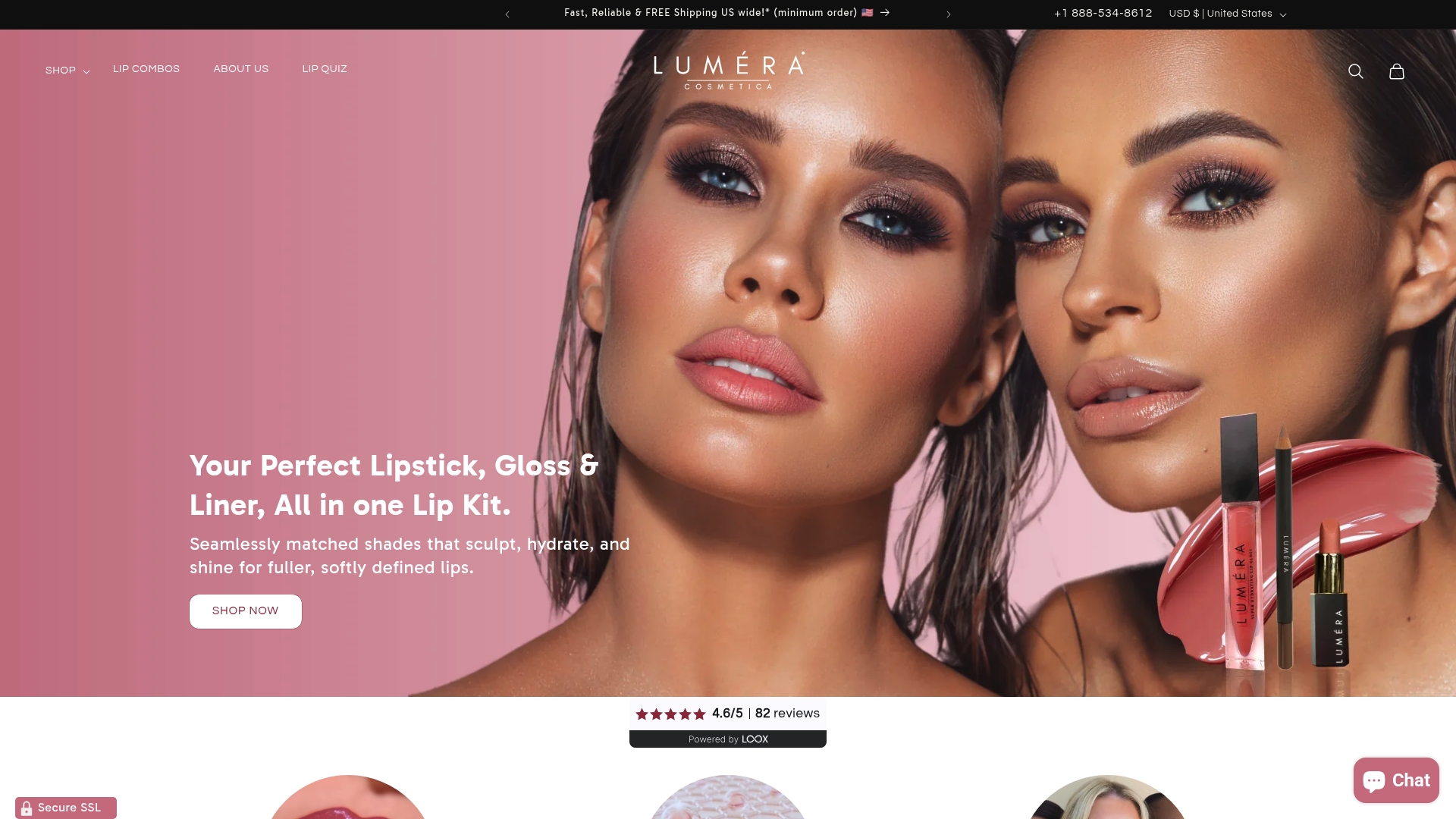
The Miss Bombshell Lip Kit pairs a hydrating lip oil with complementary color products, so you get the full layering routine in one purchase. The ingredient lists are available on each product page, along with SPF information where applicable. Lumeracosmetica sells lip care and lip color products directly, and the kit is a practical starting point for anyone building a consistent lip oil routine.
Full disclosure: Lumeracosmetica is the publisher of this article and sells the products linked above.
Useful sources and further reading
- Real Simple: What Does Lip Oil Do? Benefits of Lip Oil vs Lip Gloss — Makeup pro perspectives on texture, formulation, and how lip oil compares to gloss
- Ridiculously Pretty: Why Are We All So Obsessed With Lip Oils Right Now? — Dermatologist input on lip anatomy and the humectant-plus-occlusive routine
- CNBC: Are popular lip oils safe to use? A doctor explains — Clinical safety guidance on fragrance risk, hyperpigmentation, and SPF
- Makeup.com: Lip Oil — What Is It, Benefits, and How To Use It — Practical usage tips and daytime vs. nighttime application guidance
- Lumeracosmetica: Understanding the Role of Lip Oils for Healthy Lips — Ingredient-level breakdown of jojoba, ceramides, vitamin E, and hyaluronic acid in lip oil formulas
- Lumeracosmetica: Key Ingredients for Healthier, More Youthful Lips After 40 — Targeted guidance for readers focused on lip lines, volume loss, and mature skin hydration