Jojoba Oil for Lips: Natural Hydration and Protection

Most women over forty in European and Australian climates face dry, sensitive lips that demand special care. Studies show that nearly 90 percent of health-conscious women prefer natural lip moisturizers to synthetic ones, with American jojoba oil leading the way for safety and hydration. This article uncovers the truth about jojoba oil, dispels common myths, and reveals how it can transform your daily lip care routine with gentle, natural protection.
Table of Contents
- Defining Jojoba Oil And Common Misconceptions
- Key Properties Affecting Lip Health
- How Jojoba Oil Works For Lips
- Comparing Jojoba Oil With Other Lip Moisturizers
- Risks, Safety, And Sensitivities To Consider
Key Takeaways
| Point | Details |
|---|---|
| Jojoba Oil is a Liquid Wax | Unlike typical oils, jojoba oil is a liquid wax derived from Simmondsia chinensis, making it remarkably stable and similar to human sebum. |
| Not Edible | Despite misconceptions, jojoba oil contains potentially toxic compounds and is not suitable for consumption. |
| Essential for Lip Health | The unique properties of lips, including their vulnerability to moisture loss, require specialized care beyond traditional skincare. |
| Superior to Traditional Moisturizers | Jojoba oil provides deeper hydration and nourishment than conventional lip products by mimicking natural sebum without heavy residue. |
Defining Jojoba Oil and Common Misconceptions
Jojoba oil is far more complex than most people realize. Unlike typical vegetable oils, this unique liquid is actually derived from the seeds of the Simmondsia chinensis plant and possesses remarkable chemical characteristics that set it apart from conventional skincare ingredients.
Contrary to popular belief, jojoba oil is not a true oil at all. As research from scientific publications reveals, it is chemically a liquid wax composed primarily of wax esters rather than triglycerides. This distinctive molecular structure makes jojoba oil extraordinarily stable and remarkably similar to human sebum, explaining its widespread use in cosmetic and therapeutic applications.
Many consumers mistakenly assume jojoba oil is an edible product. However, scientific reviews definitively state that it contains simmondsin, a potentially toxic compound that makes it unsuitable for consumption. Its true value lies in industrial, cosmetic, and pharmaceutical domains, where its unique properties can be harnessed effectively.
Key distinguishing features of jojoba oil include:
- High oxidative stability
- Extended shelf life
- Structural similarity to human skin sebum
- Non-comedogenic properties
- Exceptional moisturizing capabilities
Pro Tip for Skincare Enthusiasts: Always purchase pure, cold-pressed jojoba oil from reputable sources and perform a patch test before applying it extensively to ensure compatibility with your individual skin chemistry.
Key Properties Affecting Lip Health
Lip health extends far beyond simple cosmetic appearance. The delicate skin on our lips is uniquely vulnerable to environmental stressors, making understanding its specific properties crucial for effective protection and hydration. Maintaining optimal lip condition requires recognizing the complex physiological characteristics that distinguish lip tissue from other skin areas.
Unlike facial skin, lips lack sebaceous glands and have an extremely thin protective layer, which makes them exceptionally susceptible to moisture loss and environmental damage. Understanding lip health fundamentals reveals why specialized care is essential for preventing dryness, cracking, and premature aging of this sensitive area.
The primary properties affecting lip health include:
- Minimal natural oil production
- Extremely thin epidermal layer
- High sensitivity to temperature and humidity changes
- Limited melanin protection
- Constant exposure to external elements
- Frequent mechanical stress from speaking and eating
These unique characteristics make lips particularly vulnerable to dehydration, environmental damage, and accelerated aging. The absence of protective mechanisms that other skin regions possess means lips require targeted, specialized care strategies that go beyond standard skincare approaches.
Review this summary for key factors that influence lip health:
| Lip Health Factor | Description | Importance for Care |
|---|---|---|
| Lack of Sebaceous Glands | No natural oil production | Requires external hydration |
| Thin Protective Layer | Minimal epidermal coverage | Vulnerable to moisture loss |
| Environmental Exposure | Constant exposure outdoors | Needs protection from elements |
| Low Melanin Levels | Weak sun protection | Prone to UV damage and dryness |
Pro Tip for Lip Care Experts: Create a personalized lip care routine that includes hydration, protection, and gentle exfoliation to maintain optimal lip health and prevent moisture loss throughout changing environmental conditions.
How Jojoba Oil Works for Lips
Jojoba oil represents a revolutionary approach to lip care, functioning far beyond traditional moisturizing methods. Its unique molecular structure allows it to interact with human skin in ways that conventional lip treatments cannot, providing deep hydration and protection through sophisticated biochemical mechanisms.
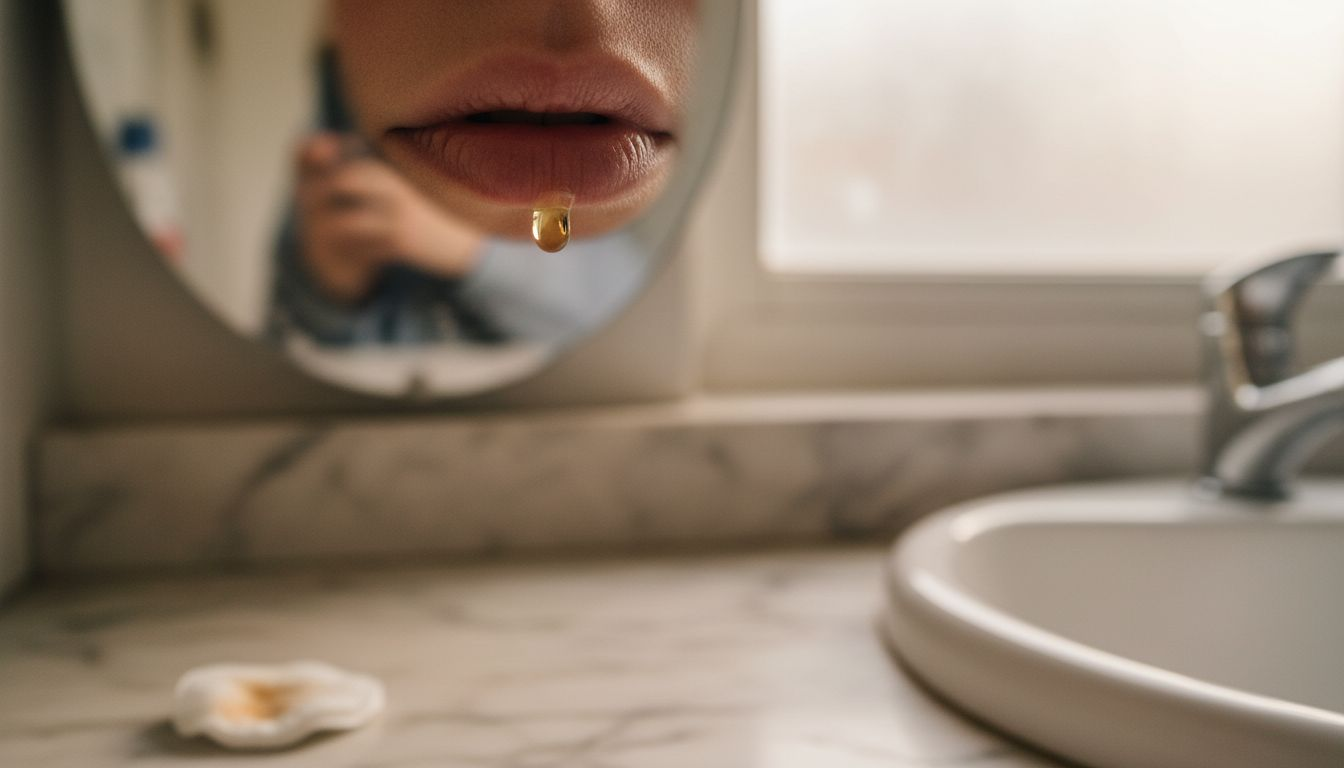
Advanced lip moisture protection occurs because jojoba oil forms a semi-occlusive barrier that dramatically reduces transepidermal water loss. By mimicking the body’s natural sebum, this remarkable oil creates an intelligent protective layer that shields lips from environmental stressors while simultaneously delivering essential nutrients directly to the delicate lip tissue.
The mechanism of jojoba oil’s effectiveness involves several critical interactions:
- Rapid molecular absorption into lip tissue
- Immediate barrier protection against wind and dry air
- Nutrient delivery to support lip cell health
- Inflammation reduction
- Natural softening of lip surface
- Prevention of moisture evaporation
Unlike petroleum-based products, jojoba oil works harmoniously with the lips’ natural biochemistry. Its molecular composition allows it to penetrate deeply, providing long-lasting hydration without the heavy, waxy feeling associated with many lip treatments. The oil’s ability to balance moisture levels makes it particularly beneficial for individuals experiencing chronic lip dryness or sensitivity.
Pro Tip for Lip Care Enthusiasts: Apply jojoba oil to slightly damp lips to maximize absorption and create a more effective moisture-locking barrier that protects and nourishes throughout the day.
Comparing Jojoba Oil with Other Lip Moisturizers
The world of lip moisturizers is complex, with countless options promising hydration and protection. Jojoba oil stands distinctly apart from traditional lip care products, offering a scientifically superior approach to maintaining lip health that goes beyond surface-level treatment.
Exploring natural lip oil alternatives reveals why jojoba oil outperforms conventional moisturizers. Unlike petroleum-based products that create a temporary barrier, jojoba oil chemically mimics human sebum, enabling deeper and more effective hydration. Typical lip balms rely on synthetic waxes and mineral oils that simply coat the lips, whereas jojoba oil actually penetrates and nourishes the delicate lip tissue.
Key differences between jojoba oil and other lip moisturizers include:
- Molecular structure similar to human skin oils
- Non-comedogenic properties
- Extended hydration duration
- Natural antioxidant content
- Reduced risk of allergic reactions
- Ability to balance natural oil production
Whereas most commercial lip moisturizers contain artificial ingredients that can potentially irritate sensitive lip skin, jojoba oil offers a pure, hypoallergenic alternative. Its unique composition allows it to provide sustained moisture without the waxy buildup or greasy residue common in traditional lip balms. This makes it particularly beneficial for individuals with sensitive skin or those prone to lip irritation.
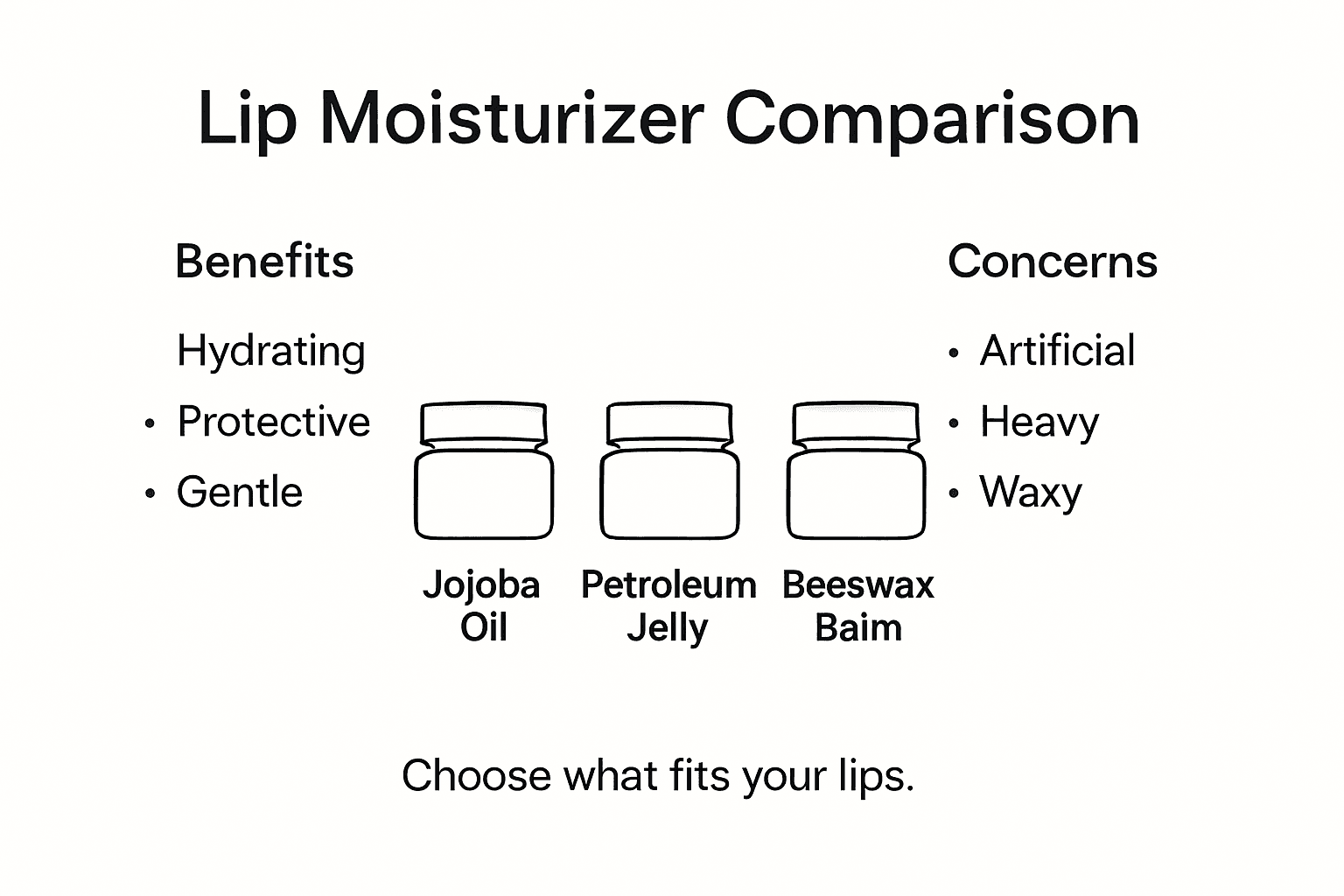
Here’s a quick reference comparing jojoba oil with common lip moisturizers:
| Aspect | Jojoba Oil | Petroleum Jelly | Beeswax Lip Balm |
|---|---|---|---|
| Source | Plant-derived (liquid wax) | Mineral-based | Natural bee product |
| Absorption | Rapid and deep | Sits on lip surface | Moderately absorptive |
| Residue | Lightweight, non-greasy | Heavy, greasy feel | Slight waxy texture |
| Allergy Potential | Very low | Moderate (for sensitive skin) | Possible for bee product sensitivities |
| Added Benefits | Antioxidants, balances oils | Primarily barrier protection | Mild antibacterial properties |
| Compatibility | Suitable for sensitive lips | May trigger reactions in some users | Can cause allergies in some users |
Pro Tip for Discerning Lip Care Users: Layer jojoba oil underneath your favorite lip color for enhanced hydration and a smoother, more natural application that protects while beautifying.
Risks, Safety, and Sensitivities to Consider
While jojoba oil is renowned for its remarkable safety profile, understanding potential risks and individual sensitivities remains crucial for responsible skincare. Allergic reactions, though rare, can occur with any natural product, making informed and cautious application essential for optimal lip health.
Comprehensive safety assessments confirm that jojoba oil demonstrates an exceptionally low incidence of adverse reactions across diverse populations. Unlike many synthetic lip care ingredients, jojoba oil’s molecular structure closely mimics human skin composition, significantly reducing the likelihood of negative interactions or inflammatory responses.
Key safety considerations for jojoba oil include:
- Potential for rare allergic reactions
- Importance of initial patch testing
- Variability in individual skin sensitivity
- Need for pure, high-quality oil sources
- Potential cross-reactions for individuals with specific plant allergies
- Recommended consultation with healthcare professionals for those with pre-existing skin conditions
Individuals with known sensitivities or complex skin histories should approach topical application with measured caution. While systemic toxicity is not a concern with topical use, personal biochemistry can vary dramatically. The absence of widespread adverse effects does not guarantee universal compatibility, making personalized assessment critical for safe and effective lip care.
Pro Tip for Cautious Skincare Users: Perform a comprehensive patch test by applying a small amount of pure jojoba oil to your inner forearm and monitoring for any reaction over 24-48 hours before using it on your lips.
Experience the Ultimate Natural Hydration for Your Lips with Jojoba Oil
If you struggle with dry, cracked lips due to environmental exposure and minimal natural oil production, jojoba oil offers a scientifically backed solution that truly nourishes and protects. Its unique structure mimics human sebum to lock in moisture and shield your lips from harsh elements. Discover how this natural miracle ingredient can transform your lip care routine and enhance your everyday comfort.
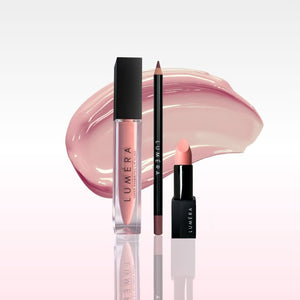
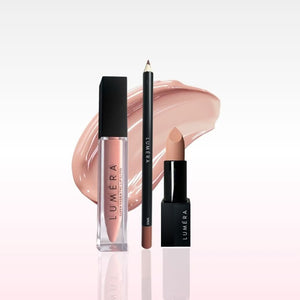
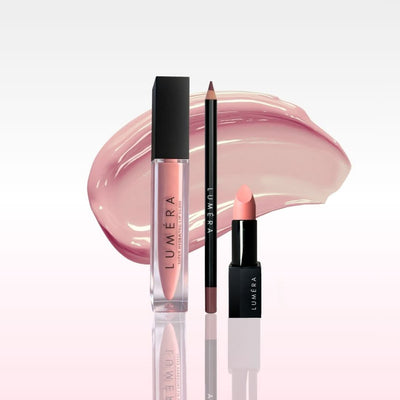
Explore our curated collection of Lip Oil products specially formulated to harness the deep hydration and protective benefits of jojoba oil. Treat your lips with gentle, effective care designed to soothe sensitivity and prevent moisture loss. Visit Luméra Cosmetica now to build your personalized lip care regimen. Don’t wait to experience lips that feel nourished and look naturally radiant.
Frequently Asked Questions
What is jojoba oil, and how does it benefit lip health?
Jojoba oil is a liquid wax extracted from the Simmondsia chinensis plant. It mimics human sebum, providing deep hydration and protection for lips, keeping them moisturized and preventing damage from environmental stressors.
Can jojoba oil be used on sensitive lips?
Yes, jojoba oil is hypoallergenic and has a low risk of causing allergic reactions, making it suitable for sensitive lips. However, it is advisable to perform a patch test before widespread use.
How does jojoba oil compare to traditional lip balms?
Unlike traditional lip balms that often contain synthetic ingredients and create a temporary barrier, jojoba oil absorbs quickly and deeply nourishes lip tissue while providing longer-lasting hydration without a greasy residue.
Is jojoba oil safe for everyone to use on lips?
Yes, jojoba oil is considered safe for most people. However, individuals with known sensitivities to plants should exercise caution and consult with a healthcare professional if unsure about its use.