Best Lip Liner for Thin Lips: 2026 Guide

TL;DR:
- The best lip liner for thin lips is a creamy, long-lasting pencil that defines the shape subtly. Proper technique involves overlining only at key points and blending edges for a natural look. Matching the shade closely to natural lip color enhances fullness without appearing artificial.
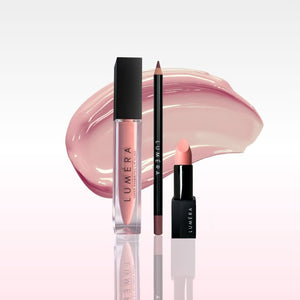
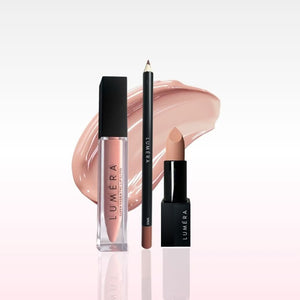
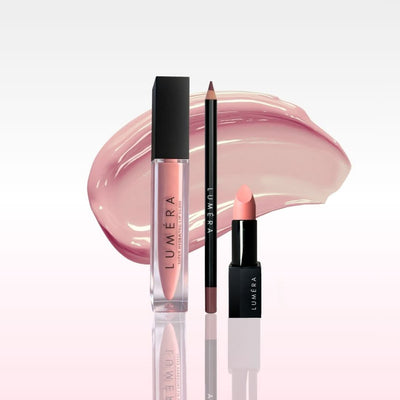
The best lip liner for thin lips is a creamy, precise, and long-lasting pencil that defines your lip shape while creating a natural illusion of fullness. Lip contouring, the industry term for this technique, works by drawing a controlled boundary around the lip edge and building color inward. 100% of dermatological test participants confirmed that professional lip liners contour and create natural definition for thin lips. That result tells you the right formula matters as much as technique. Lumeracosmetica builds its entire lip liner range around this principle: creamy, buildable, and made for real lips.
What characteristics should you look for in a lip liner for thin lips?
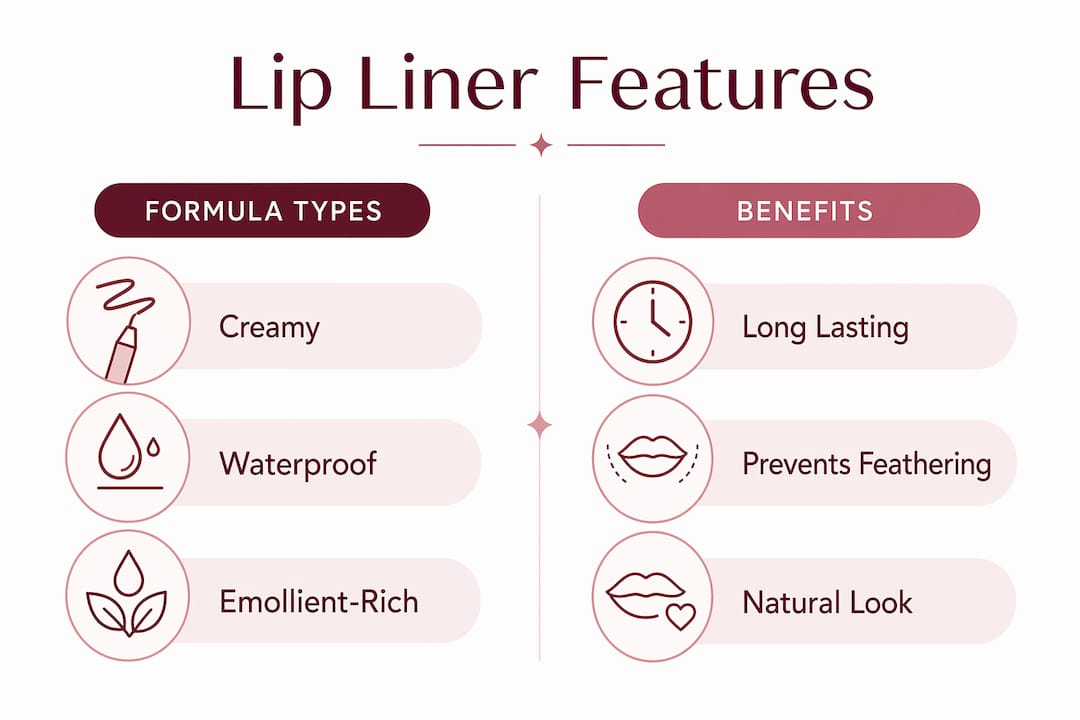
The formula is the foundation. A lip liner that pulls, drags, or dries out your lips will never give you a clean, natural edge. You need a pencil that glides on without effort and stays put without cracking.
Here are the key features to prioritize:
- Texture: Creamy but firm enough to draw a clean line. Avoid waxy formulas that skip over dry patches or stiff pencils that tug at the skin.
- Color: Choose a shade that matches or sits just one tone deeper than your natural lip color. This creates subtle definition without a harsh border.
- Wear time: Premium long-lasting lip liners offer 6 to 24 hours of wear and are priced in the $23–$30 range. That longevity prevents feathering, which is especially common on mature skin.
- Ingredients: Emollients like jojoba and shea butter help the liner glide on smoothly and prevent irritation. These ingredients matter more as skin thins with age.
- Blendability: A workable, buildable formula lets you soften edges before the product sets. That window of blendability is what separates a natural finish from a drawn-on look.
- Price and value: You do not need to spend a fortune, but budget pencils often sacrifice blendability and wear time. Mid-range and premium options consistently outperform in both categories.
Pro Tip: Sharpen your lip liner before every use. A fine tip gives you the control you need to work along the natural vermilion border without slipping.
Knowing how to pick lip liner before you shop saves you from buying the wrong formula twice.
How do expert lip liner techniques enhance the appearance of thin lips?
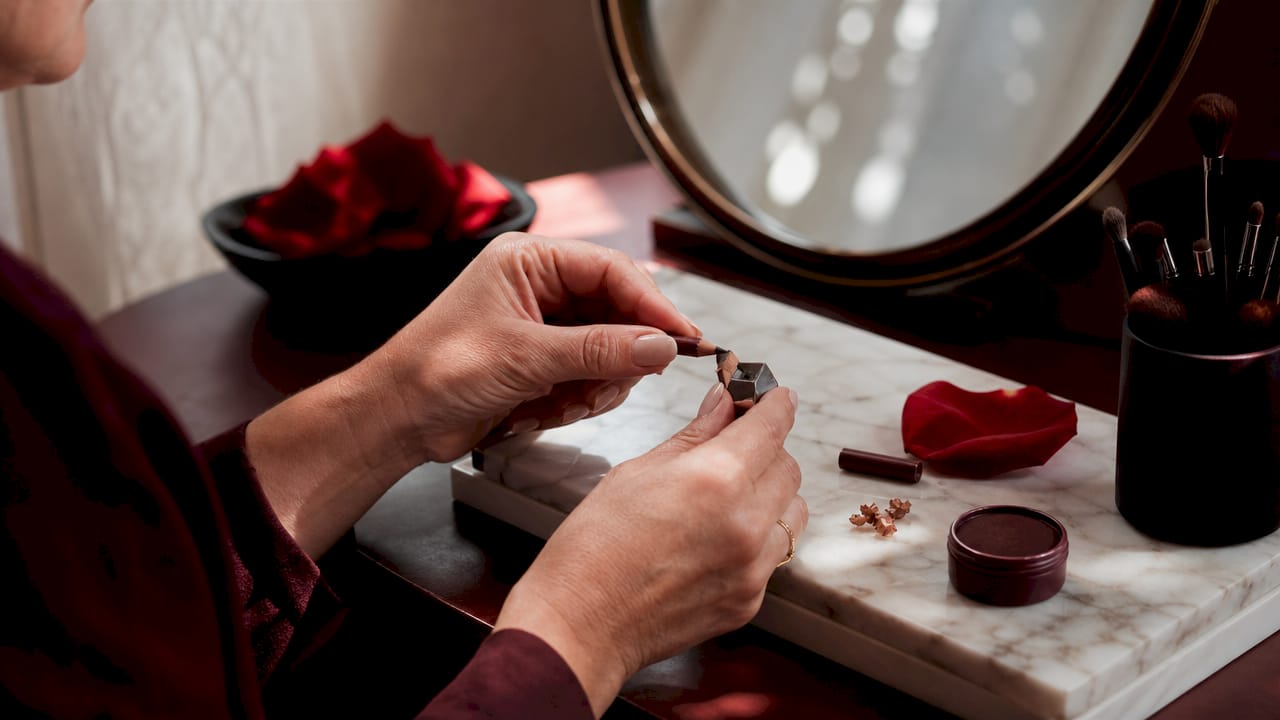
Technique is where most people go wrong. The goal is not to draw a bold outline. The goal is to create a soft, believable shape that looks like your lips, only slightly fuller and more defined.
Follow these steps for the most natural result:
- Start at the Cupid’s bow. Place your pencil at the center peak of your upper lip. This is your anchor point. Work outward from here in short, feathered strokes rather than one continuous line.
- Overline only at the volume points. The overlining technique works by extending slightly beyond the natural lip edge at the Cupid’s bow and the center of the bottom lip. The corners stay on the natural vermilion border. This creates fullness without looking artificial.
- Fill in the center. After outlining, lightly fill the center of both lips with the liner. This adds dimension and helps your lipstick or gloss adhere longer.
- Blend the edges. Blending with a synthetic lip brush softens the line and prevents a drawn-on effect. Work the brush in small circular motions along the outer edge of the liner.
- Apply lip color over the top. A gloss applied to the center of both lips amplifies the fullness illusion created by the liner.
The most common mistake is overlining too far at the corners. That single error makes the shape look unnatural and dated. Keep the corners clean and let the center do the work.
Pro Tip: Use a nude or clear gloss over your liner for an everyday look. The shine catches light at the center of the lips and makes them appear larger without any extra liner.
Transitioning liner color smoothly into the lip skin with blendable formulas is the key difference between natural lips and an artificial border. Practice the blending step until it feels automatic.
What are the best lip liner colors for a natural look on thin lips?
Shade selection is the most underrated part of lip liner for small lips. The wrong color creates contrast that draws attention to the liner itself rather than the shape of your lips.
- Nude and soft rose shades are the most forgiving for everyday wear. Choose a shade that matches your natural lip tone or sits just slightly deeper. Matching your liner shade to your natural lip color avoids unnatural contrast and works for all skin tones.
- Warm undertones suit peachy nudes and soft terracotta shades. Cool undertones look best with pink-based nudes and soft mauves.
- Deeper shades work for subtle contouring but should never create a stark line. If you want more definition, go one shade deeper than your lip color, not two or three.
- Best red lip liner choices for thin lips lean toward true red or berry tones rather than orange-red. A red liner slightly inside the natural border keeps the look polished and prevents bleeding.
- Pairing with gloss: A liner in a nude or soft pink shade pairs with almost any lip gloss. Apply the gloss to the center of the lips only, leaving the lined edges visible for definition.
A nude lip liner is the single most versatile tool in a thin-lipped woman’s kit. It works under bold lipstick, under gloss, and on its own for a barely-there definition that still shapes the face.
Fear of lip liner looking dated is a misconception. Using a natural shade creates a subtle framework that balances facial proportions rather than overpowering them.
Which lip liner formulas work best for women aged 30 to 50?
Mature skin around the lips has specific needs. Fine lines above the upper lip cause product to feather. Thinner skin means dryness shows up faster. A formula that works at 25 may fail completely at 45.
The formulas that consistently perform for this age group share three qualities. They contain emollients that keep the lip area hydrated throughout the day. They set firmly enough to prevent feathering into fine lines. And they offer enough pigment to show up without requiring heavy layering.
Editorial reviews from Byrdie and InStyle in 2026 consistently rank creamy, waterproof pencils at the top for women aged 30–50. The praise centers on smooth application that does not emphasize fine lines and color that stays true for hours.
| Formula quality | Why it matters for mature skin |
|---|---|
| Waterproof or long-wear finish | Prevents feathering into fine lines above the lip |
| Emollient-rich base | Keeps the lip area comfortable and hydrated all day |
| Buildable pigment | Allows light coverage for natural looks or layering for more definition |
| Blendable texture | Softens edges for a natural finish without harsh lines |
| Retractable or self-sharpening tip | Maintains a fine point for precise application every time |
Long-lasting lip products designed for mature skin prioritize comfort alongside wear time. That combination is non-negotiable for daily use.
How to care for your lips before applying lip liner
Lip prep is the step most women skip, and it shows. Dry, flaky lips make even the best liner look patchy and uneven. A two-minute prep routine changes the result completely.
- Exfoliate gently. Use a soft toothbrush or a sugar-based lip scrub once or twice a week. Avoid harsh physical scrubs that irritate the delicate skin around the lips.
- Hydrate with a nourishing balm. Apply a balm containing shea butter or vitamin E before bed and again in the morning. Let it absorb fully before applying any liner or lipstick.
- Prime before lining. A thin layer of lip primer or a dab of concealer along the lip edge creates a smooth base and helps the liner grip evenly. This step also extends wear time significantly.
- Avoid matte lipstick on dry lips. Matte formulas emphasize dryness and fine lines. If your lips are dry, use a creamy or satin finish over your liner instead.
- Stay hydrated. Drinking enough water keeps the lip skin plump and reduces the appearance of fine lines that cause feathering.
The types of lip liner you use also affect how well your prep routine performs. Retractable pencils and self-sharpening formulas stay cleaner and apply more evenly on prepped skin than traditional wood-cased pencils.
Key Takeaways
The best lip liner for thin lips combines a creamy, emollient-rich formula with precise overlining technique and a shade matched closely to your natural lip color.
| Point | Details |
|---|---|
| Formula first | Choose creamy, blendable, waterproof formulas with emollients like jojoba and shea butter. |
| Shade matching | Select a liner one tone deeper than your natural lip color for seamless, natural definition. |
| Overline at volume points | Extend slightly beyond the lip edge at the Cupid’s bow and bottom center only, not the corners. |
| Blend every time | Use a synthetic lip brush to soften liner edges and prevent a drawn-on appearance. |
| Prep your lips | Exfoliate and hydrate before application to prevent feathering and uneven color. |
What I’ve learned after years of watching women get lip liner wrong
Most women aged 30–50 who come to me frustrated with lip liner are making the same mistake. They are choosing the wrong shade. They pick something two or three tones deeper than their natural lip color because they want definition, and then they wonder why the result looks harsh and dated.
The truth is that a liner close to your natural lip color does more work than a dark one. It creates a clean edge that your eye reads as shape, not makeup. That subtle difference is what makes a face look polished rather than overdone.
The second thing I have learned is that technique matters more than price. A $10 creamy pencil applied with a brush and blended properly will outperform a $30 pencil drawn on and left alone. The blending step is not optional. It is the entire point.
My honest advice is to start with one good nude liner and practice the overlining technique for two weeks before buying anything else. You will be surprised how much you can do with a single pencil and a small brush. Patience during the blending step is what separates a natural result from one that looks like you tried too hard.
— Rebecca
Lumeracosmetica’s lip liner collection for thin lips
Lumeracosmetica formulates its lip liners specifically for the needs of women who want definition without drama. Each pencil in the collection uses a creamy, blendable base with long-wear pigment that stays true without feathering into fine lines.
The range covers nude, rose, and deeper contour shades, so you can build a complete routine from one collection. Whether you want a barely-there natural look or a more defined contour for evenings out, the formulas are designed to work with your natural lip tone rather than against it. Visit the Lumeracosmetica lip liner collection to find the shade and formula that fits your skin and your routine.
FAQ
What is the best lip liner color for thin lips?
A shade matching or sitting one tone deeper than your natural lip color gives the most natural, flattering result. Nude and soft rose shades work for most skin tones and create definition without harsh contrast.
How do I stop lip liner from feathering into fine lines?
Choose a waterproof or long-wear formula and apply a lip primer or thin layer of concealer along the lip edge before lining. Feathering prevention is one of the primary reasons to invest in a premium formula.
Should I overline my lips if they are thin?
Yes, but only at the Cupid’s bow and the center of the bottom lip. Keep the corners on your natural vermilion border to maintain a realistic shape and avoid an artificial appearance.
What ingredients should I look for in a lip liner for mature skin?
Look for emollients like jojoba oil and shea butter. These ingredients keep the formula comfortable during long wear and reduce dryness that emphasizes fine lines around the lips.
Can I use a red lip liner on thin lips?
A true red or berry-toned liner works well on thin lips when applied just inside or along the natural border. Avoid overlining with bold colors, as strong contrast at the edges draws attention to the liner rather than the shape.