Best Brown Lip Liner for Every Skin Tone in 2026

TL;DR:
- A good brown lip liner should match your skin’s undertone and glide on smoothly without tugging.
- Choosing a shade one to two shades darker than your natural lip color enhances definition and longevity.
The best brown lip liner is defined by two things: a shade that flatters your skin tone and a formula that glides on without tugging, feathering, or fading. For women aged 35–55, this combination matters more than it does at any other stage of life. Lips lose definition with age, and a well-chosen brown liner restores that contour with precision. The right pencil works across fair, olive, brown, and deep skin tones. It also needs to stay put for hours, blend smoothly, and feel comfortable on lips that may be drier than they once were.
What makes the best brown lip liner worth buying?
A brown lip liner earns its place in your routine by doing three things well: defining the lip line, preventing lipstick bleed, and adding depth to your natural lip color. Creamy, semi-matte formulas prevent lipstick bleed, offer smooth glide, and set long-lasting wear while defining lips naturally. That combination is the standard to measure every pencil against.
The industry term for this product category is “lip defining pencil,” though “lip liner” is the phrase most women use and search for. Both terms refer to the same tool: a pigmented pencil used to outline and sometimes fill the lips before applying lipstick or gloss. Knowing the distinction helps when reading ingredient labels or professional beauty guides.
Formula texture separates a good liner from a frustrating one. A pencil that drags across the lip causes micro-tears in delicate skin and delivers uneven color. A pencil that is too soft smears before you can blend it. The sweet spot is a waxy, creamy formula with enough body to stay where you place it.
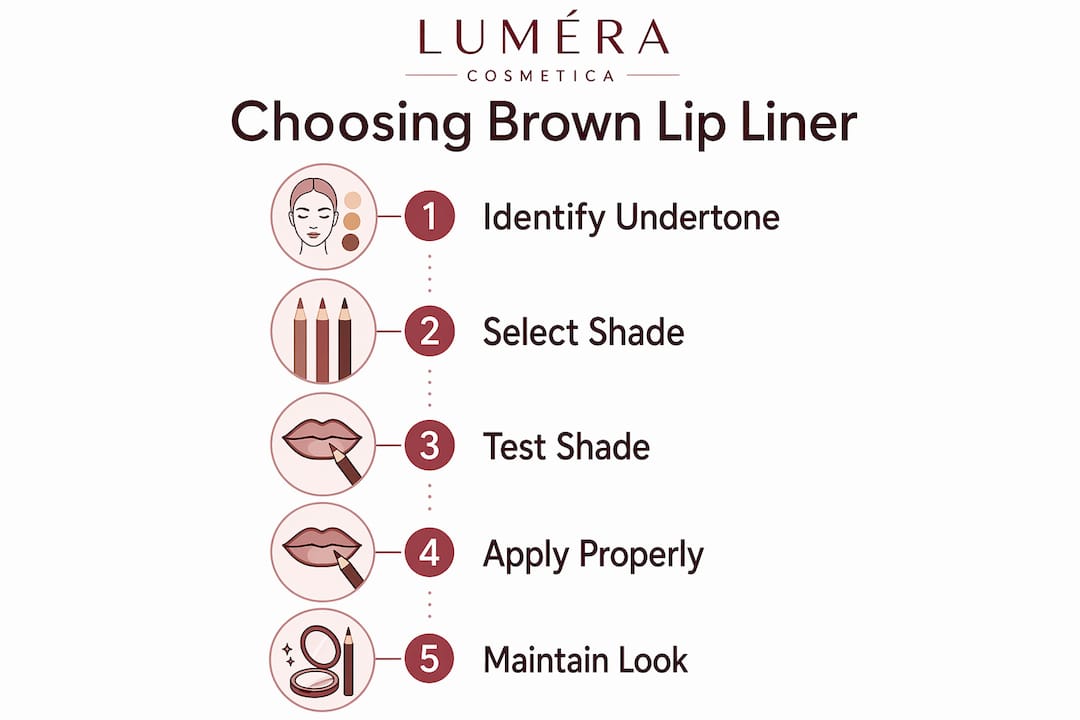
How do you choose the perfect brown lip liner for your skin undertone?
Skin undertone is the single most reliable guide to shade selection. Undertones fall into three categories: warm (yellow or golden base), cool (pink or blue base), and neutral (a mix of both). Choosing a brown liner that clashes with your undertone creates a muddy or ashy result, no matter how well you apply it.
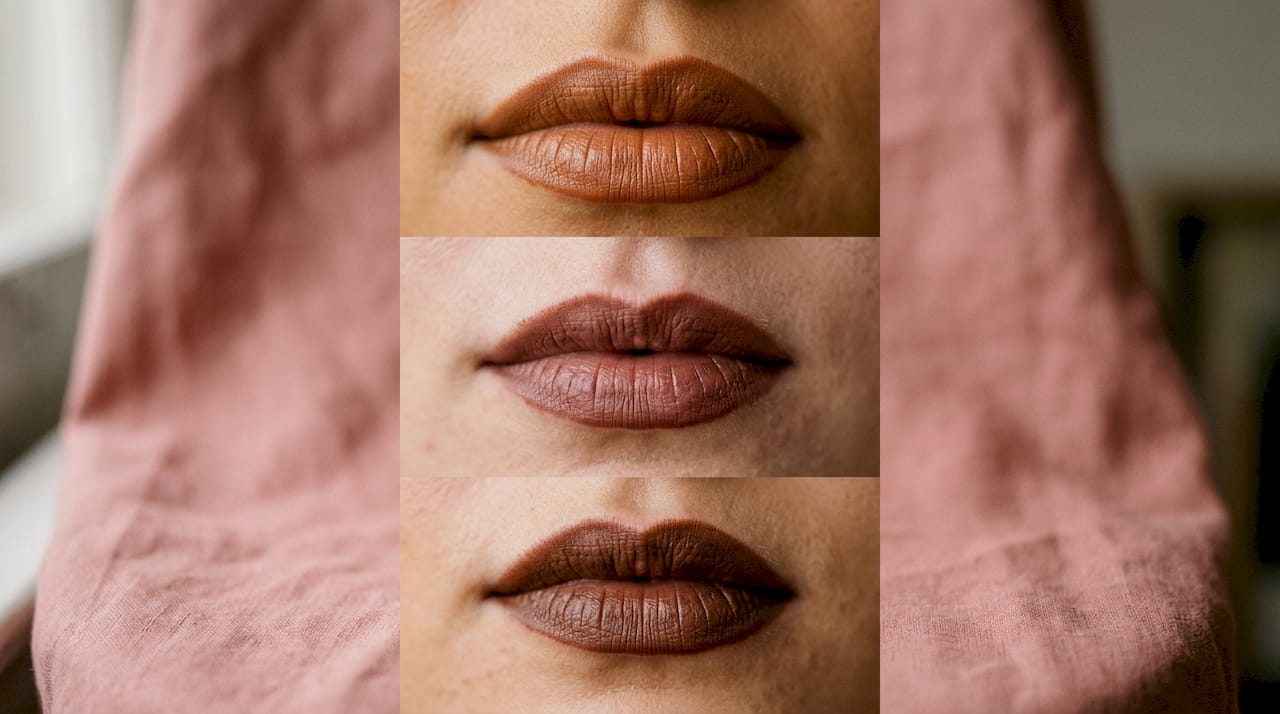
For warm undertones, reach for shades with golden or red-brown bases. Names like “mocha,” “caramel,” and “chestnut” typically signal warmth. These shades complement the golden tones in medium to deep skin without reading orange.
For cool undertones, look for shades with a slightly pink or plum-brown base. “Cocoa” and “rosewood brown” tend to work well here. They add depth without pulling gray or ashy on the skin.
For neutral undertones, the widest range of shades works. “Espresso” and “nude brown” are reliable starting points because they sit between warm and cool on the color spectrum.
Experts recommend avoiding ashy (gray) or overly orange brown lip liners, favoring shades described as “cocoa,” “espresso,” or “mocha” for universally flattering, natural looks. Ashy and orange tones can appear unnatural or dull, which undermines the whole point of wearing a liner.
A practical rule: choose a shade one to two shades darker than your natural lip color. This creates subtle enhancement without a harsh, drawn-on line. For mature skin especially, a softer contrast reads as more polished than a stark outline.
Pro Tip: Hold the pencil against your inner wrist before buying. If the shade looks muddy or gray against your skin, it will look the same on your lips.
For women with deeper complexions, Lumeracosmetica’s guide to brown lip liner for dark skin covers shade selection in more detail, including which undertone-specific names to look for by skin depth.
What formula features matter most in a top brown lip liner?
Formula quality determines how a liner performs from the first stroke to the end of the day. A dermatological-controlled test with 22 women found that 100% agreed high-quality waxy lip liner formulas apply smoothly and are blendable for precise lip contouring. That result reflects what most women already know from experience: texture is everything.
The best formulas share these characteristics:
- Creamy, waxy base: Delivers smooth application without dragging or skipping across the lip line.
- Moisturizing ingredients: Jojoba oil, shea butter, and coconut oil improve glide and comfort on aging lips, reducing tugging and dryness during application.
- Buildable pigment: Lets you go from a soft, natural look to a bolder definition without reapplying from scratch.
- Feathering resistance: A semi-matte or waxy finish creates a barrier that keeps lipstick from bleeding into fine lines around the mouth.
- Color payoff: The shade you see in the pencil should match what lands on your lips within one or two strokes.
Budget-friendly brown lip liners priced around $6 can perform comparably to luxury options over $25, often containing the same moisturizing oils. Price does not guarantee performance. Read the ingredient list, not the price tag.
One underrated factor is sharpener compatibility. Sharpening brown lip liners with plastic housings is challenging; using brand-compatible sharpeners preserves the pencil tip for precise application. Soft formulas break easily in generic sharpeners, which wastes product and leaves you with a blunt tip that smears instead of defines.
Pro Tip: Store your lip liner in the refrigerator for 10 minutes before sharpening. The cold firms up the formula and dramatically reduces breakage.
How do you apply and maintain a brown lip liner for all-day wear?
Application technique separates a liner that lasts from one that fades by noon. Follow these steps for clean, long-wearing results:
- Exfoliate first. Dry, flaky lips break up liner application. A gentle sugar scrub or damp washcloth removes dead skin and creates a smooth base.
- Start at the Cupid’s bow. Work from the center of the upper lip outward to each corner. This keeps the arch symmetrical and prevents lopsided lines.
- Outline the lower lip. Follow your natural lip line from corner to corner. For mature lips that have lost volume, trace just slightly outside the natural line to add subtle fullness.
- Fill in the lips. Use the liner to fill the entire lip surface before applying lipstick. This creates a base that extends wear and prevents the lipstick from sliding off.
- Blend the edges. Use a lip brush or your fingertip to soften the outer edge of the liner. This removes any harsh lines and creates a natural gradient.
- Layer lipstick or gloss on top. Apply your chosen lipstick over the liner base. The liner acts as an anchor, keeping the color in place.
- Blot and reapply. Press a tissue against your lips after the first coat, then apply a second layer of lipstick. This locks in color and extends wear significantly.
Long-lasting lip liners resist transfer, feathering, and fading for up to 8 hours when combined with proper application techniques and layering. The liner-first, lipstick-second method is the most reliable way to reach that wear time.
Pro Tip: Apply a tiny amount of translucent powder just outside your lip line before lining. It acts as a physical barrier against feathering, especially useful around fine lines.
For more detailed contouring methods, Lumeracosmetica’s guide to lip liner techniques covers blending and layering approaches for defined lips at every age.
Which brown lip liner shades work best for different skin tones?
Shade selection by skin tone is the most practical way to narrow down your options. The table below maps common skin tone categories to the shade descriptors most likely to flatter them.
| Skin tone | Recommended shade descriptors | Shades to avoid |
|---|---|---|
| Fair to light | Soft taupe-brown, nude brown, light cocoa | Deep espresso, very dark mahogany |
| Light to medium | Warm chestnut, soft mocha, caramel brown | Ashy gray-brown, cool mauve-brown |
| Medium to olive | Rich mocha, warm cocoa, terracotta brown | Orange-brown, overly pink-brown |
| Brown to deep | Espresso, dark cocoa, rich mahogany | Ashy gray-brown, pale nude-brown |
| Deep to dark | Deep espresso, dark plum-brown, rich cocoa | Light beige-brown, ashy taupe |
Mature skin benefits most from creamy formulas containing nourishing oils like jojoba and shea butter, which maintain lip moisture and prevent irritation. Drier lips common in women over 40 absorb pigment unevenly, so a moisturizing formula delivers more consistent color. A soft brown liner for dark skin should lean toward deep cocoa or espresso rather than a neutral brown, which can read too light and create an unnatural contrast.
Women with fair skin often overlook brown liners entirely, defaulting to nudes. A light cocoa or soft taupe-brown on fair skin adds warmth and definition without looking heavy. Lumeracosmetica’s guide to brown lip liner for light skin covers this range in detail.
Key Takeaways
The best brown lip liner combines a shade matched to your skin undertone with a creamy, moisturizing formula that defines, blends, and lasts without feathering.
| Point | Details |
|---|---|
| Match shade to undertone | Choose cocoa, mocha, or espresso tones; avoid ashy or orange shades that read unnatural. |
| Go one to two shades darker | Selecting a liner slightly darker than your natural lip color creates subtle, flattering definition. |
| Prioritize moisturizing formulas | Jojoba oil, shea butter, and coconut oil improve glide and comfort, especially on mature lips. |
| Use a compatible sharpener | Brand-specific sharpeners protect soft pencil tips and prevent product waste from breakage. |
| Layer liner under lipstick | Filling the entire lip with liner before applying lipstick extends wear up to 8 hours. |
What I’ve learned after years of watching women get this wrong
Most women treat lip liner as an afterthought. They buy it to match a specific lipstick, use it twice, and forget it exists. That is the wrong way to think about it. A well-chosen brown liner is actually the most versatile tool in a makeup bag. It works under bold lipstick, under a clear gloss, and on its own for a no-makeup makeup look.
The mistake I see most often is choosing a shade that is too dark for the skin tone. A deep espresso liner on fair skin does not look sophisticated. It looks dated, like a 1990s look that was not flattering then either. The goal is definition, not a visible outline. If you can see the liner as a separate line from three feet away, the shade is too dark or the application is too heavy.
The second mistake is skipping the fill-in step. Outlining only and then applying lipstick directly over bare lips means the lipstick has nothing to grip. It slides, fades, and bleeds within an hour. Filling the entire lip with liner before applying color is the single biggest improvement most women can make to their lip routine.
Formula texture matters more as you age. A liner that felt fine at 30 may drag and tug at 45. Lips lose moisture and elasticity over time. A formula with shea butter or jojoba oil is not a luxury at that point. It is a practical requirement for comfortable, even application.
The sharpening issue is real and underappreciated. Soft, creamy formulas are wonderful to wear but difficult to sharpen. A generic sharpener will break the tip every time. Spend the extra two minutes finding the right sharpener for your specific pencil. It saves product and keeps your application precise.
— Rebecca
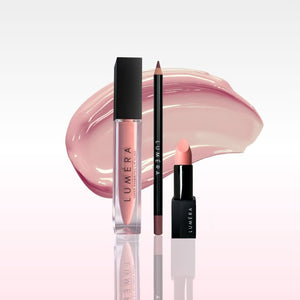
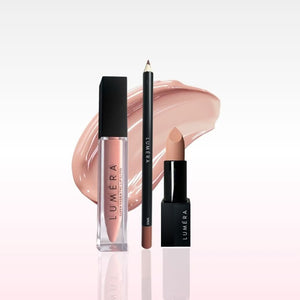
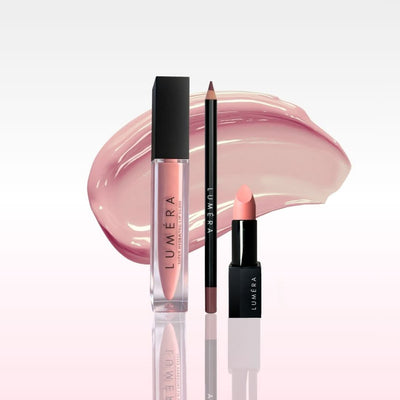
Lumeracosmetica’s brown lip liner range for mature and diverse skin tones
Finding a brown lip liner that genuinely works for your skin tone and age requires more than browsing a drugstore shelf. Lumeracosmetica formulates lip liners with mature and diverse skin tones in mind, prioritizing creamy textures, nourishing ingredients, and shade ranges that cover warm, cool, and neutral undertones across every depth.
Lumeracosmetica’s full lip liner collection includes shades from soft taupe-brown for fair skin to deep espresso for dark skin, with formulas built to glide without tugging. The brand also offers personalized shade guidance for women who are unsure where to start. If you want expert-curated picks matched to your specific tone, Lumeracosmetica’s top lip liner shades for brown skin is a strong starting point.
FAQ
What is the best brown lip liner shade for brown skin?
Shades described as “cocoa,” “mocha,” or “espresso” work best for brown skin tones. Choose a shade one to two shades darker than your natural lip color for the most flattering, natural-looking definition.
How do I stop my brown lip liner from feathering?
Apply a thin layer of translucent powder just outside your lip line before lining, and choose a semi-matte or waxy formula. Long-lasting formulas resist feathering for up to 8 hours when combined with proper layering technique.
Are affordable brown lip liners as good as expensive ones?
Yes. Budget-friendly options around $6 often contain the same nourishing ingredients as luxury liners, including jojoba oil and shea butter. Focus on formula texture and ingredient quality rather than price.
What brown lip liner works best for mature skin?
Creamy, moisturizing formulas with jojoba oil or shea butter work best for mature skin because they glide without tugging on drier, thinner lips. Avoid stiff or dry formulas that require pressure to apply. Lumeracosmetica’s guide to lip liner for mature skin covers the best options in detail.
How do I sharpen a soft brown lip liner without breaking it?
Use a sharpener designed specifically for your pencil’s brand or housing size. Chilling the pencil in the refrigerator for 10 minutes before sharpening firms up the formula and reduces breakage significantly.