

Finding lipstick that actually lasts can feel impossible as trends shift rapidly across American, Australian, and European beauty circles. For women over 40, fading color and feathering are stubborn concerns every time you swipe on a new product. With over 60 percent of mature women reporting issues with dry, uneven lip color, discovering the science behind lip stains and their impact on comfort and appearance becomes essential. This overview helps you uncover which formulas deliver vibrant results and how the right stain can enhance your daily makeup.
Table of Contents
- What Is a Lip Stain and How Does It Work
- Types of Lip Stains and Their Unique Benefits
- Choosing the Right Lip Stain for Mature Skin
- Comparing Lip Stains to Lipsticks and Glosses
- Common Mistakes and Tips for Best Results
Key Takeaways
| Point | Details |
|---|---|
| Lip Stains Offer Longevity | Lip stains provide long-lasting color that resists smudging and transfer, making them ideal for minimal maintenance. |
| Types Tailored for Mature Skin | Water-based, gel-based, and oil-based lip stains cater to various needs, emphasizing hydration and adaptable color. |
| Important Selection Criteria | When choosing a lip stain, prioritize hydration, texture, and compatibility with skin tone for optimal results. |
| Avoid Common Application Mistakes | Proper preparation is crucial; always exfoliate and moisturize lips for even application of lip stains. |
What Is a Lip Stain and How Does It Work
Lip stains represent an innovative cosmetic solution designed to provide long-lasting color with minimal maintenance for mature women seeking sophisticated makeup options. Unlike traditional lipsticks, these products are specifically engineered to deposit pigment directly into the upper lip layers, creating a natural, enduring tint that resists smudging and transfer.
The core mechanism of lip stains involves using lightweight, water- or gel-based formulas that absorb quickly into the lip surface. These specialized products are engineered to minimize surface build-up while providing vibrant color that can last several hours. By penetrating the lip’s outer layers rather than sitting on top like conventional lipsticks, lip stains create a more seamless, natural appearance that appeals to women who prefer understated elegance.
Most lip stains feature unique characteristics that distinguish them from traditional lipsticks. Key attributes include:
- Ultra-thin, almost weightless texture
- Highly pigmented color formulations
- Minimal reapplication requirements
- Resistance to feathering or bleeding
- Natural, semi-transparent finish
Pro tip: For optimal lip stain application, always start with clean, exfoliated lips and apply a light lip balm underneath to prevent potential dryness.
Types of Lip Stains and Their Unique Benefits
Lip stains come in diverse formulations designed to meet the specific needs of mature women seeking elegant, long-lasting color solutions. These products range across water-based, gel-based, and oil-based categories, each offering distinctive benefits for different skin types and aesthetic preferences.
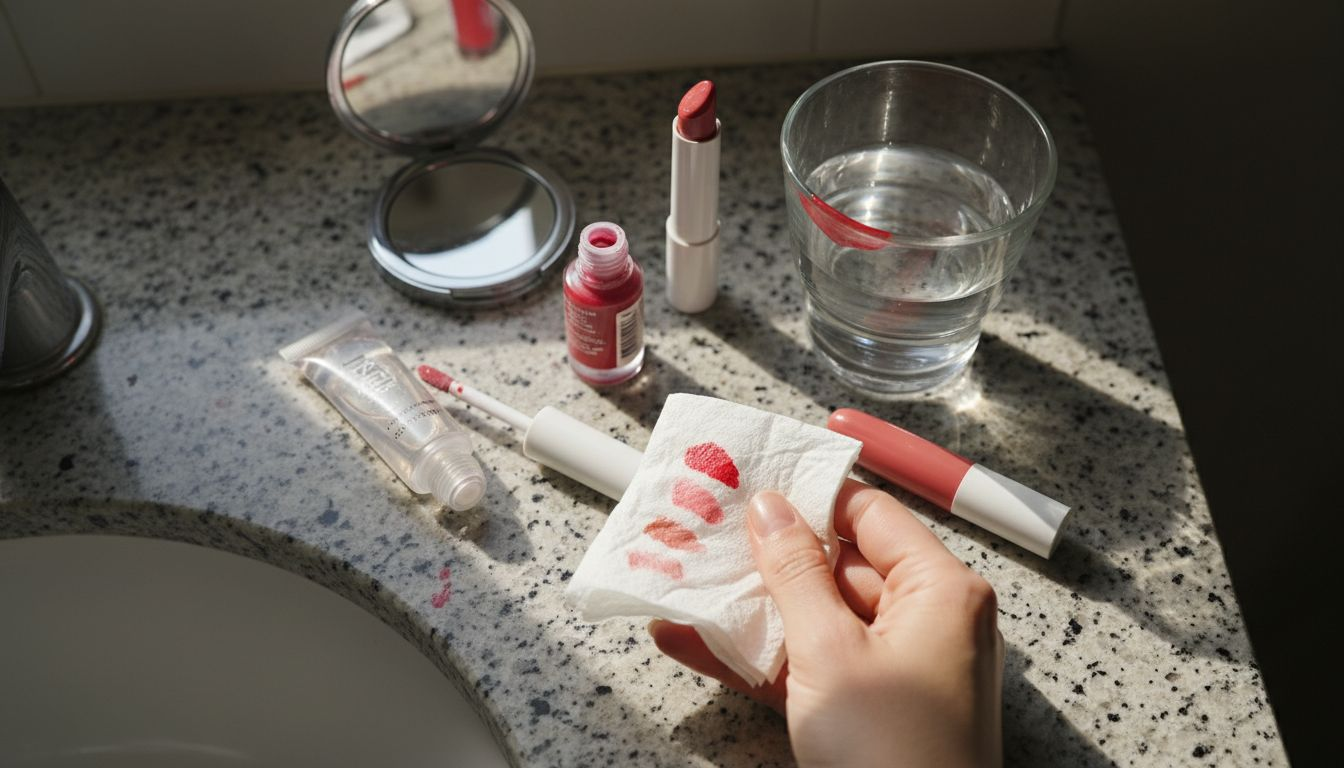
Water-based lip stains provide a lightweight, natural appearance ideal for women desiring subtle enhancement. Gel-based formulations offer buildable color with smooth application, allowing for more intense pigmentation and versatile styling. Oil-based stains deliver an additional hydration boost, making them particularly beneficial for women experiencing age-related lip dryness or seeking a more moisturizing cosmetic option.
Types of Lip Stains include:
- Water-Based Stains: Ultra-sheer, natural finish
- Gel-Based Stains: Buildable color, smooth application
- Oil-Based Stains: Hydrating, moisturizing properties
- Matte Finish Stains: Sophisticated, non-glossy look
- Tinted Balm Stains: Combination of color and lip care
Understanding the nuanced characteristics of lip stains helps women select products that provide transfer-resistant, quick-drying color without constant reapplication. Modern formulations are engineered to resist smudging and maintain color intensity throughout the day.
Here’s a high-level comparison of lip stain types and their best matches for mature skin concerns:
| Lip Stain Type | Best For | Notable Benefit |
|---|---|---|
| Water-Based | Sensitive or oily lips | Light, fresh feel |
| Gel-Based | Those wanting buildable coverage | Even, smooth application |
| Oil-Based | Dry or aging lips | Added hydration and comfort |
| Matte Finish | Women preferring understated looks | Modern, non-glossy appearance |
| Tinted Balm | Combination color & moisture | Lip care plus subtle tint |
Pro tip: When selecting a lip stain, consider your natural lip color and undertone to ensure the most flattering and seamless color application.
Choosing the Right Lip Stain for Mature Skin
Selecting the perfect lip stain for mature skin requires a thoughtful approach that considers unique skin changes and aesthetic preferences. Dermatologists recommend choosing hypoallergenic formulations with added moisturizing ingredients to address the specific challenges faced by aging lips.
As skin matures, it becomes more prone to dryness, fine lines, and decreased natural moisture retention. The ideal lip stain for women over 40 should not only provide beautiful color but also offer nourishing benefits. Look for products containing hydrating ingredients like shea butter, ceramides, and natural oils that help plump and protect delicate lip skin while providing long-lasting color.
Key Considerations for Mature Lip Stain Selection:
- Hydration Properties: Prioritize stains with moisturizing ingredients
- Texture: Choose lightweight, non-drying formulations
- Color Intensity: Select shades that complement natural skin tone
- Longevity: Opt for transfer-resistant, long-wearing products
- Comfort: Ensure the stain feels comfortable and non-irritating
Pro tip: Always apply a hydrating lip balm as a base layer before your lip stain to create a smooth, moisturized canvas and prevent potential color feathering.
Comparing Lip Stains to Lipsticks and Glosses
Understanding the unique characteristics of lip stains, lipsticks, and glosses helps mature women make informed cosmetic choices. Lipsticks traditionally use waxes, oils, and pigments to create a coating effect on the lips, often providing a creamy, opaque finish that sits prominently on the lip surface.
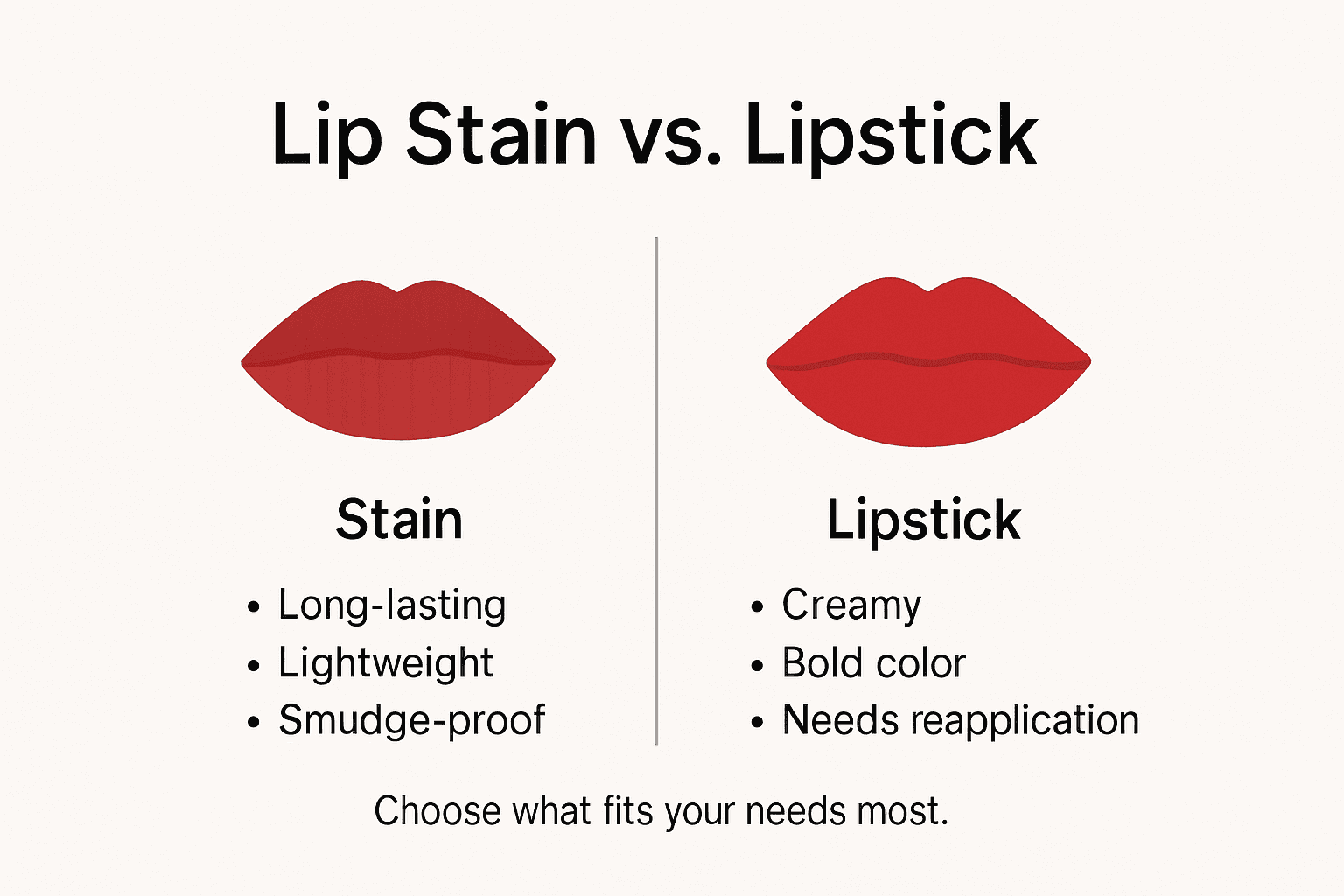
By contrast, lip stains offer a dramatically different approach to lip color. These innovative products contain less wax and more absorbing pigments, which penetrate the lip’s surface to create a long-lasting tint with minimal texture. Lip glosses differ by focusing on shine and moisture, typically featuring higher oil content and a lighter feel that provides less color durability compared to more persistent lip stain formulations.
Key Differences Between Lip Products:
- Lipsticks: Thick, waxy texture with full coverage
- Lip Stains: Lightweight, absorbing pigments with minimal transfer
- Lip Glosses: High shine, maximum moisture, temporary color
Comparative Features:
Consider these unique benefits and drawbacks when choosing lip stains, lipsticks, or glosses:
| Product | Best Advantage | Common Drawback | Ideal Application |
|---|---|---|---|
| Lip Stain | All-day lasting color | Can feel drying | Natural, elegant finish |
| Lipstick | Full, bold pigmentation | May transfer or smudge | Classic, defined look |
| Lip Gloss | High moisture & shine | Low color longevity | Fresh, casual style |
- Longevity: Lip stains > Lipsticks > Lip Glosses
- Moisture Level: Lip Glosses > Lipsticks > Lip Stains
- Color Intensity: Lipsticks > Lip Stains > Lip Glosses
Pro tip: For mature skin, layer a hydrating lip balm underneath your chosen product to enhance comfort and prevent potential dryness.
Common Mistakes and Tips for Best Results
Proper lip stain application requires understanding potential pitfalls that can compromise color, comfort, and appearance. For mature women, the key is creating a smooth, hydrated canvas that allows lip stains to perform optimally without causing irritation or uneven color distribution.
One critical consideration is preventing potential allergic reactions or skin sensitivities. Dermatologists recommend carefully selecting hypoallergenic formulas and conducting patch tests to avoid contact cheilitis or chronic lip irritation, particularly for women with sensitive mature skin. Understanding your individual skin responses can help prevent uncomfortable reactions and ensure a comfortable lip color experience.
Common Lip Stain Application Mistakes:
- Applying stain to dry, chapped lips
- Skipping lip exfoliation
- Using products with potential irritants
- Neglecting lip hydration
- Failing to prep lips beforehand
Best Practices for Flawless Application:
- Gently exfoliate lips
- Apply hydrating lip balm
- Use lip liner for precise edges
- Apply stain in thin, even layers
- Blot excess product
Pro tip: Test new lip stain colors on the inner wrist first to check for potential allergic reactions and color compatibility with your skin tone.
Discover Hydrating Long-Lasting Lip Color Solutions for Mature Lips
If you have noticed dryness, fine lines, or fading color on your lips you are not alone. Mature lips need makeup that not only delivers beautiful long-lasting color but also nourishes and hydrates to combat age-related dryness and sensitivity. Our collection of Lip Oil products offers the perfect fusion of moisturizing care with subtle tint designed especially for mature skin needs.
Experience the difference of a lightweight, hydrating formula that works in harmony with your natural lip texture. Explore our full range of Face Makeup for Every Skin Type | Natural Radiance by Luméra Cosmetica to complement your radiant complexion. Start your journey to vibrant, comfortable lips today at https://lumeracosmetica.com and enjoy makeup that cares as much as it colors.
Frequently Asked Questions
What is a lip stain and how does it work?
A lip stain is a cosmetic product designed to provide long-lasting color by depositing pigment directly into the upper lip layers, creating a natural, enduring tint that resists smudging and transfer.
What are the different types of lip stains available?
Lip stains come in various formulations, including water-based, gel-based, oil-based, matte finish, and tinted balm stains, each offering unique benefits tailored to different skin types and aesthetic preferences.
How should I apply lip stain for the best results?
Start with clean, exfoliated lips and apply a hydrating lip balm as a base layer. Use lip liner for precise edges, apply the stain in thin, even layers, and blot any excess product to achieve a smooth finish.
Can lip stains cause dryness on mature lips?
Some lip stains can feel drying, especially if not applied over a hydrating base. To prevent dryness, look for stains with moisturizing ingredients like shea butter and ceramides, and always apply a lip balm underneath.
